Can Betta Fish Make Babies
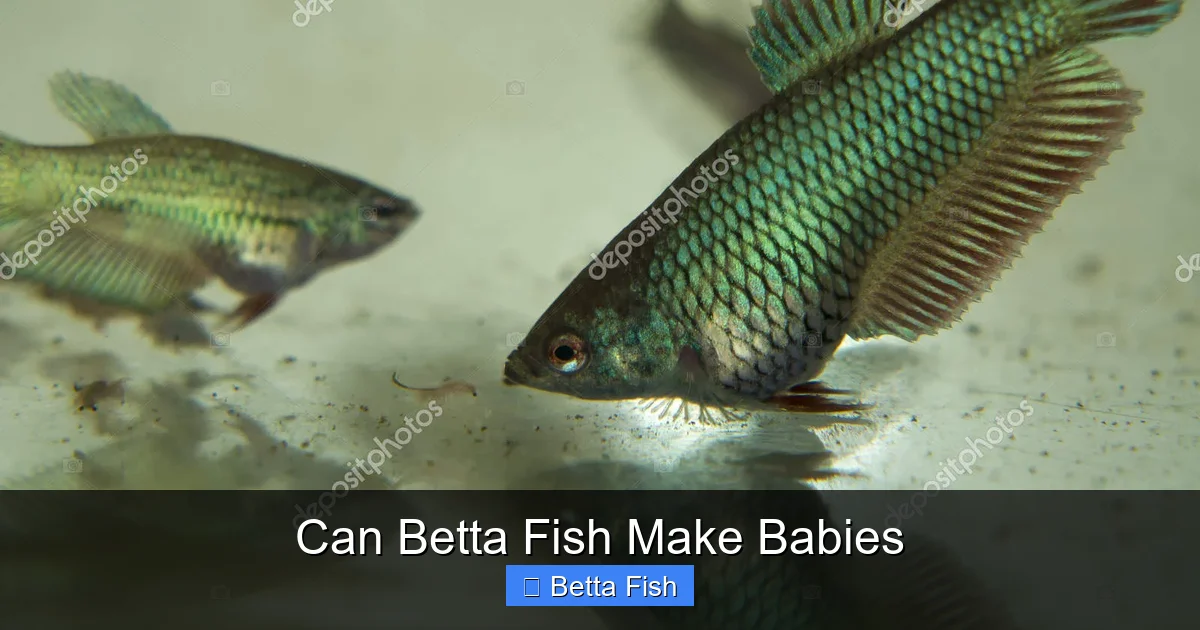
Yes, betta fish can make babies — but it takes the right conditions, a compatible pair, and careful planning. Breeding betta fish is a fascinating process that involves bubble nest building, egg laying, and dedicated fry care. Whether you’re a curious beginner or a seasoned aquarist, understanding how betta fish reproduce will help you appreciate these stunning creatures on a whole new level.
Key Takeaways
- Betta fish absolutely can make babies — they are egg-laying fish that reproduce through a unique spawning process involving bubble nests built by the male.
- Both a male and female betta are required for reproduction, and they must be introduced carefully to prevent aggression and injury.
- The male betta takes on the role of caretaker — he guards the eggs in the bubble nest and tends to the fry until they become free-swimming.
- Breeding requires specific conditions including warm water (78–80°F), a quiet environment, a proper breeding tank, and high-quality nutrition for both parents.
- Fry care is intensive — baby bettas need microscopic food like infusoria and baby brine shrimp, and water quality must be closely monitored.
- Not all breeding attempts succeed — first-time breeders often face challenges, and it may take several attempts before eggs are fertilized and hatch.
- Separating the female after spawning is critical — the male can become aggressive toward her once eggs are laid, and the female may eat the eggs.
📑 Table of Contents
- Can Betta Fish Make Babies? Everything You Need to Know
- Understanding Betta Fish Reproduction
- Setting Up a Breeding Tank for Betta Fish
- The Breeding Process Step by Step
- Caring for Betta Fish Eggs and Fry
- Common Challenges When Breeding Betta Fish
- Tips for Successful Betta Fish Breeding
- Frequently Asked Questions About Betta Fish Babies
- Conclusion
Can Betta Fish Make Babies? Everything You Need to Know
If you’ve ever watched your betta fish swimming gracefully around the tank and wondered, “Can betta fish make babies?” — you’re not alone. It’s one of the most common questions betta owners ask, and the answer is a resounding yes. Betta fish absolutely can reproduce and make babies, but the process is far more intricate than you might expect.
Breeding betta fish is one of the most rewarding experiences in the aquarium hobby. Watching a male betta build a delicate bubble nest, seeing the courtship dance between a pair, and then witnessing tiny fry emerge is genuinely magical. But it’s also a process that requires patience, preparation, and a solid understanding of betta fish biology. In this guide, we’ll walk you through everything you need to know about how betta fish make babies — from the breeding setup to raising the fry.
Understanding Betta Fish Reproduction
How Betta Fish Reproduce in the Wild
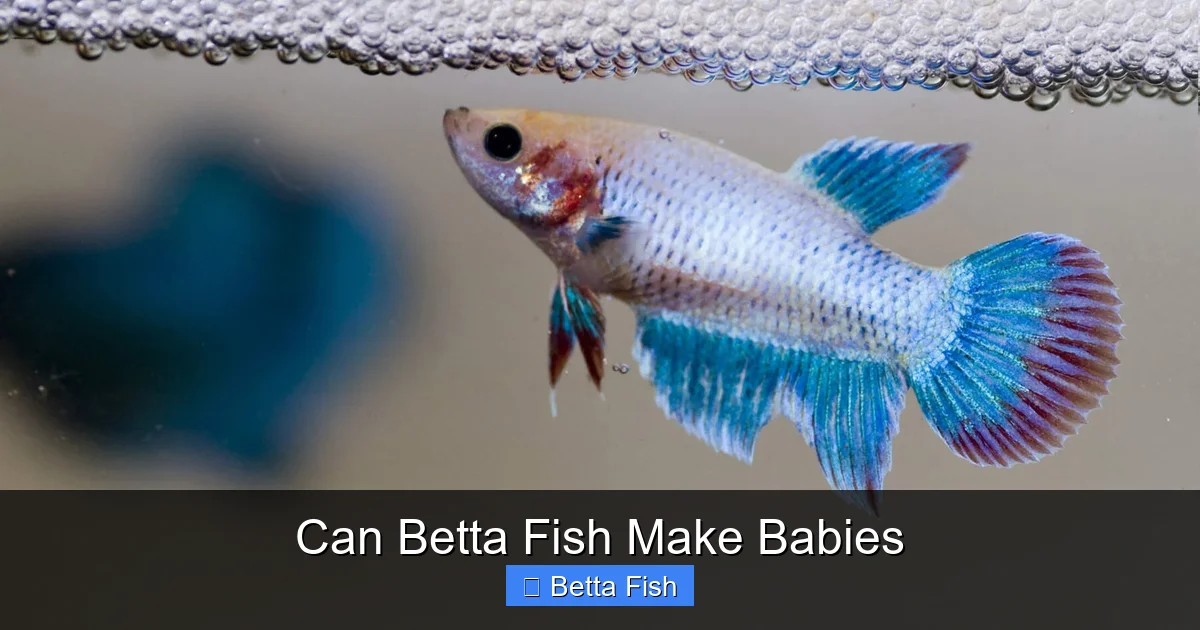
In their natural habitat — the shallow rice paddies, slow-moving streams, and floodplains of Southeast Asia — betta fish have developed a fascinating reproductive strategy. During breeding season, the male betta fish establishes a territory and begins constructing a bubble nest at the water’s surface. He does this by gulping air and coating each bubble with a special saliva that makes the bubbles more durable and sticky.
Visual guide about Can Betta Fish Make Babies
Image source: i.redd.it
Once the nest is ready, the male performs an elaborate courtship display to attract a female. He flares his gills, spreads his fins, and dances around her in a mesmerizing show of color and movement. If the female is receptive, she’ll display vertical breeding stripes on her body and approach the nest. The pair then engages in a spawning embrace, where the male wraps his body around the female to squeeze out her eggs. As the eggs fall, the male catches them in his mouth and carefully places them into the bubble nest.
The Role of the Male Betta
Here’s where betta fish reproduction gets really interesting. After the female releases her eggs and the male fertilizes them, the male takes over all parental duties. He guards the bubble nest fiercely, catching any eggs that fall out and returning them to safety. He maintains the nest, adding new bubbles as needed, and keeps predators away.
The female, on the other hand, is typically driven away after spawning. In the wild, she would swim off and play no further role in raising the offspring. In a breeding tank, it’s essential to remove the female after spawning because the male may attack her — and she may try to eat the eggs.
The Role of the Female Betta
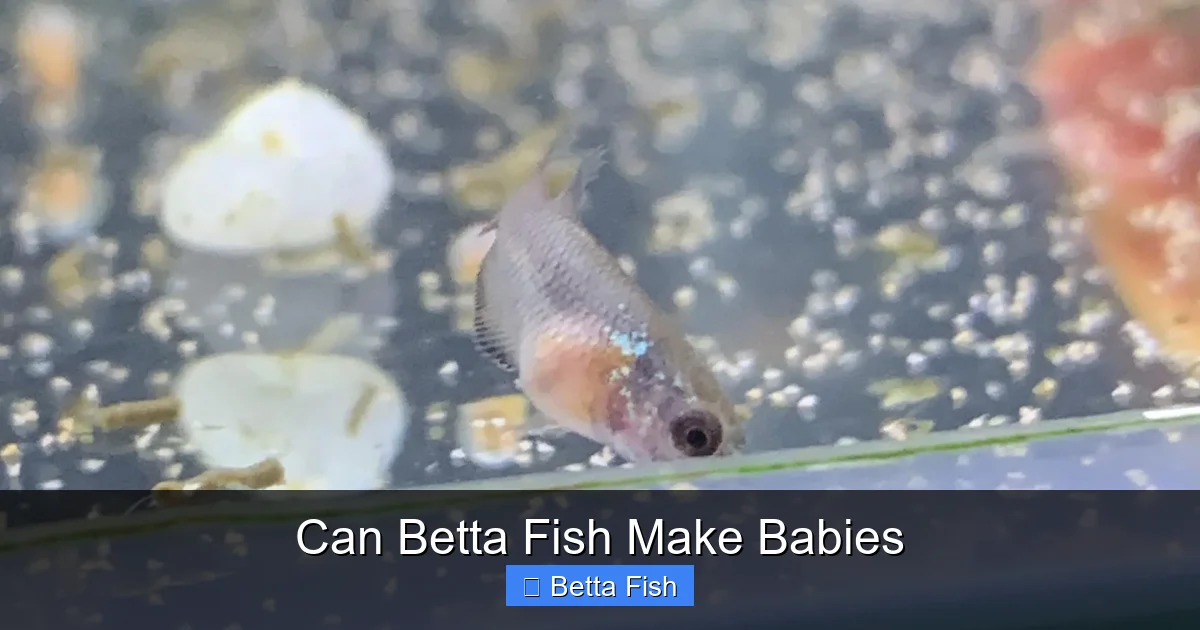
The female betta’s primary role is to produce and release eggs. A healthy, well-conditioned female can lay anywhere from 300 to 500 eggs in a single spawning session, though not all of them will be fertilized or survive. You can tell a female is ready to breed when she develops a noticeable egg spot (a small white protrusion near her ventral area) and displays those distinctive vertical breeding stripes.
Choosing the right female is just as important as choosing the right male. She should be young (ideally between 4 and 12 months old), healthy, and well-fed. A female that is too old or in poor condition may produce fewer eggs or fail to spawn altogether.
Setting Up a Breeding Tank for Betta Fish
Tank Size and Setup
If you’re serious about breeding betta fish, you’ll need a dedicated breeding tank. A 10-gallon tank is the ideal size — it’s large enough to give the female an escape route if the male becomes aggressive, but small enough to encourage the pair to interact. The tank should have a gentle filter (a sponge filter works best) to avoid creating strong currents that could destroy the bubble nest.
Visual guide about Can Betta Fish Make Babies
Image source: shutterstock.com
Fill the tank with water that’s about 6 to 8 inches deep. Shallow water makes it easier for the male to retrieve fallen eggs and place them in the nest. The water temperature should be maintained between 78°F and 80°F, and the pH should be slightly acidic to neutral (around 6.5 to 7.0).
Essential Breeding Tank Additions
To create the ideal breeding environment, you’ll want to add a few key items to the tank:
- Indian almond leaves: These release tannins that mimic the betta’s natural habitat and have antibacterial properties that help protect the eggs.
- A Styrofoam cup or plastic lid: Floating on the surface, this provides a stable anchor point for the bubble nest.
- Live plants: Plants like Java moss or Hornwort give the female hiding spots and help reduce stress.
- A heater: Consistent warmth is critical for successful breeding and egg development.
- No substrate: A bare-bottom tank makes it easier for the male to find and retrieve fallen eggs.
Conditioning the Breeding Pair
Before introducing your betta pair for breeding, you need to condition them for at least one to two weeks. This means feeding them high-protein, nutrient-rich foods to prepare their bodies for the demands of reproduction. Live or frozen foods are ideal — think bloodworms, brine shrimp, daphnia, and mosquito larvae.
Feed the pair small amounts two to three times daily. You’ll know the female is ready when her belly looks noticeably rounder with eggs, and the male is ready when he starts building bubble nests spontaneously. This conditioning phase is one of the most important steps in the entire breeding process, so don’t rush it.
The Breeding Process Step by Step
Introducing the Pair
When both fish are conditioned and ready, it’s time to introduce them. The best approach is to place the female in a clear container or breeding box inside the breeding tank. This allows the male to see her and begin building his bubble nest while preventing any physical contact that could result in injury.
Visual guide about Can Betta Fish Make Babies
Image source: i.ytimg.com
Leave the female in the container for 24 to 48 hours. During this time, watch for signs of readiness from both fish. The male should be actively building a bubble nest, and the female should display breeding stripes and a visible egg spot. She may also head toward the male and “wiggle” her body — a clear sign she’s ready to spawn.
The Spawning Embrace
Once you’re confident both fish are ready, release the female into the tank. The male will typically chase her around for a bit — this is normal behavior. However, keep a close eye on the pair. If the male is relentlessly attacking the female or she’s showing signs of serious injury (torn fins, missing scales, or hiding constantly), you may need to separate them and try again later.
When spawning begins, the male will wrap his body around the female in a tight embrace. They’ll quiver and release eggs and milt (sperm) simultaneously. This embrace may be repeated several times over the course of a few hours. Each time, the female releases a small batch of eggs, and the male catches them and places them in the bubble nest.
After Spawning: Removing the Female
Once the female has released all her eggs and starts hiding or avoiding the male, it’s time to remove her from the breeding tank immediately. The male will now take over completely, tending to the eggs and guarding the nest. If the female stays in the tank, the male may attack her, and she may eat the eggs.
After removing the female, place her in a separate tank with clean, warm water and feed her well. Spawning is physically exhausting, and she needs time to recover. If you notice her fins were damaged during the breeding process, you may want to read up on whether betta fish fins can grow back to understand the healing process.
Caring for Betta Fish Eggs and Fry
Egg Development
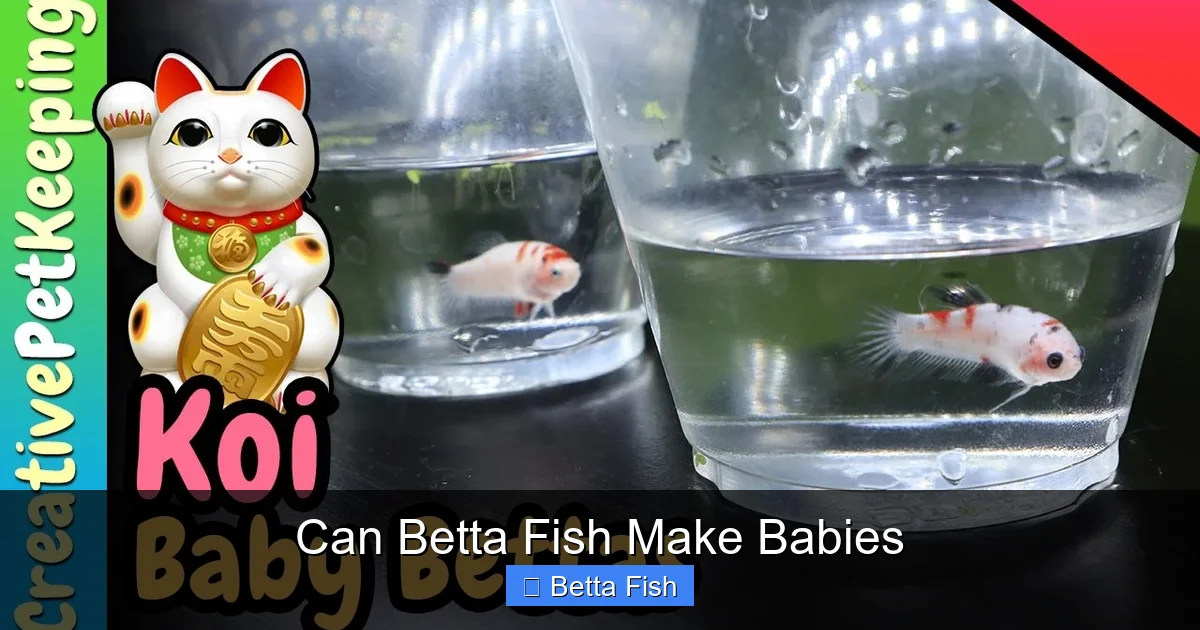
Betta fish eggs are tiny — about the size of a grain of sand — and they’re usually white or pale yellow. The male will diligently guard the nest, catching any eggs that fall and spitting them back up into the bubble nest. The eggs typically hatch within 24 to 48 hours, depending on the water temperature.
Visual guide about Can Betta Fish Make Babies
Image source: wildbettablog.com
During this time, it’s crucial to minimize disturbances around the tank. Avoid tapping on the glass, making loud noises, or turning the lights on and off frequently. Stress can cause the male to eat the eggs or abandon the nest. Some first-time fathers may eat their eggs — this is normal and usually improves with experience.
The First Days of Fry Life
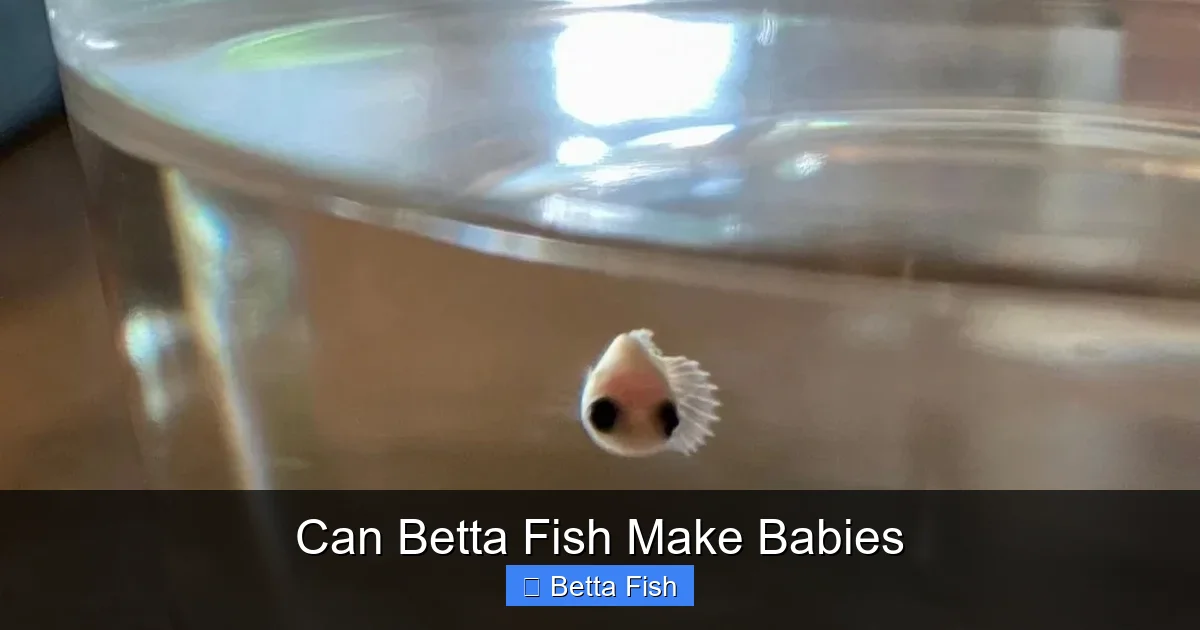
When the eggs hatch, the tiny fry will hang vertically from the bubble nest, still attached to their yolk sacs. They’re incredibly small and fragile at this stage. The male will continue to catch any fry that fall and return them to the nest. This hanging phase lasts about 2 to 3 days.
Once the fry absorb their yolk sacs, they’ll begin swimming horizontally. This is when you should remove the male from the tank. He’s done his job, and now it’s time for you to take over as caretaker.
Feeding Baby Betta Fish
Feeding betta fry is one of the most challenging aspects of breeding. Newly hatched fry are so small that they can’t eat regular fish food. For the first few days, they need infusoria — microscopic organisms that you can culture at home or purchase from aquarium supply stores.
After about a week, you can start introducing baby brine shrimp (newly hatched), which are the ideal first food for growing fry. As the fry get larger, you can gradually transition them to microworms, finely crushed flakes, and eventually regular betta pellets. Feed small amounts three to four times a day, and remove any uneaten food to keep the water clean.
Proper nutrition is essential for healthy development. If you’re curious about what adult bettas eat to stay healthy and vibrant, check out our guide on what betta fish can eat for a complete breakdown of their dietary needs.
Water Quality and Tank Maintenance
Betta fry are extremely sensitive to water conditions. Perform small water changes (10-15%) every day or every other day using water that’s been treated and matched to the tank temperature. Avoid using a strong filter — the suction can easily harm or kill the tiny fry. A simple air-driven sponge filter is the safest option.
Keep the water temperature steady at around 78°F to 80°F, and make sure the tank is covered to prevent the fry from jumping out and to maintain warm, humid air at the surface. Betta fry have a special organ called a labyrinth organ that they need to develop, and warm, humid air is essential for this process.
Common Challenges When Breeding Betta Fish
Infertile Eggs
One of the most common issues first-time breeders face is infertile eggs. If the eggs turn white and fuzzy (a sign of fungus) within 24 hours, they were likely not fertilized. This can happen if the male is inexperienced, too young, or if the water conditions aren’t right. Don’t be discouraged — even experienced breeders deal with infertile spawns occasionally.

Visual guide about Can Betta Fish Make Babies
Image source: fishkeepingacademy.com
Male Eating the Eggs
Some male bettas, especially first-time fathers, may eat their eggs. This is a natural behavior and usually improves with subsequent breeding attempts. If a male consistently eats his eggs after multiple attempts, he may not be a good candidate for breeding, and you might want to try a different male.
Fry Mortality
It’s normal to lose some fry during the first few weeks. Not all fry are strong enough to survive, and some may have genetic weaknesses. A successful spawn might produce 300 eggs, but you may end up with 50 to 150 healthy fry that make it to adulthood. This is completely normal and nothing to worry about.
Aggression Issues
Bettas are naturally aggressive fish, and breeding can bring out the worst in them. Always have a backup plan in case the pair doesn’t get along. Keep the female in a separate tank nearby so the male can see her, and never leave the pair unsupervised during the initial introduction. If you’re interested in learning more about betta aggression and tank dynamics, our article on whether you can keep male and female betta fish together offers valuable insights.
Tips for Successful Betta Fish Breeding
Be Patient and Persistent
Breeding betta fish isn’t always a smooth process. Your first attempt might fail — the pair might not spawn, the eggs might not hatch, or the fry might not survive. That’s okay. Every failed attempt is a learning experience. Take notes on what went wrong, adjust your approach, and try again.
Visual guide about Can Betta Fish Make Babies
Image source: aqueon.com
Keep Detailed Records
Track everything — water parameters, feeding schedules, spawning dates, and fry development. This information is invaluable for improving your breeding success over time. It also helps you identify patterns and troubleshoot problems more effectively.
Have a Plan for the Fry
Before you even start breeding, think about what you’ll do with potentially hundreds of baby betta fish. You’ll need multiple tanks to separate them as they grow (especially the males, which will become aggressive toward each other). Consider whether you have the space, time, and resources to care for them all, or if you have a plan to sell or give them away.
Invest in Quality Equipment
A reliable heater, a good sponge filter, a quality water test kit, and proper food for both adults and fry are essential investments. Cutting corners on equipment often leads to failed spawns and dead fry. Your betta fish deserve the best care you can provide, and having the right tools makes all the difference.
Creating a stress-free, enriching environment is also key to keeping your bettas healthy and ready to breed. For more ideas on how to keep your betta fish happy and thriving, explore our guide on how to make betta fish happy.
Frequently Asked Questions About Betta Fish Babies
How Long Does It Take for Betta Fish Eggs to Hatch?
Betta fish eggs typically hatch within 24 to 48 hours after being laid and fertilized. The exact timing depends on water temperature — warmer water speeds up development, while cooler water slows it down. Once hatched, the fry will remain in the bubble nest for another 2 to 3 days before becoming free-swimming.
Visual guide about Can Betta Fish Make Babies
Image source: i.redd.it
How Many Babies Do Betta Fish Have?
A single spawning session can produce anywhere from 300 to 500 eggs, though not all of them will be fertilized or survive to adulthood. It’s common for only 50 to 150 fry to make it through the first few weeks. By the time they’re ready to be separated and rehomed, you might have even fewer.
Can a Betta Fish Get Pregnant?
Technically, betta fish don’t get pregnant in the way mammals do. The female carries eggs inside her body, but they’re fertilized externally during the spawning embrace. So while a female betta can be “gravid” (full of eggs), she’s not truly pregnant. The eggs need to be released and fertilized by the male to develop.
At What Age Can Betta Fish Breed?
Betta fish can start breeding as early as 3 to 4 months old, but it’s best to wait until they’re at least 6 months old for optimal results. Breeding too early can result in smaller spawns and weaker fry. The prime breeding age for bettas is between 6 and 12 months.
Do Betta Fish Eat Their Babies?
Yes, betta fish can eat their eggs or fry, especially if they’re stressed, inexperienced, or hungry. This is why it’s important to condition the breeding pair well and remove the female after spawning. The male usually takes good care of the eggs, but some males — particularly first-time fathers — may eat them. Once the fry are free-swimming, the male should also be removed to prevent him from eating the babies.
Conclusion
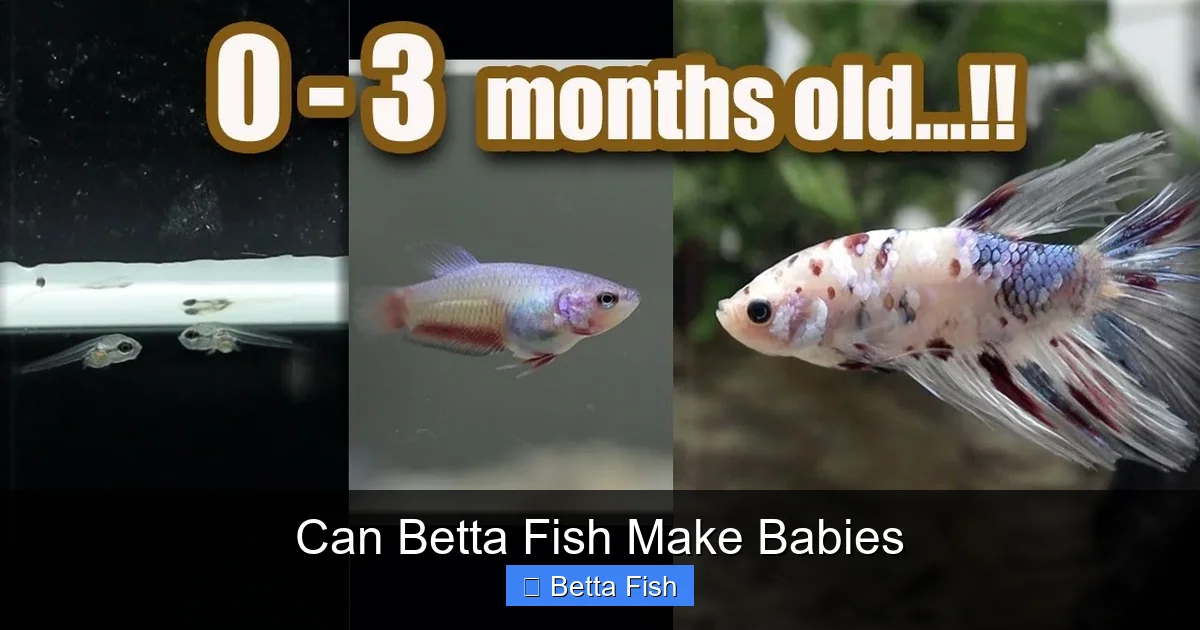
So, can betta fish make babies? Absolutely — and the process is one of the most fascinating aspects of keeping these beautiful fish. From the male’s intricate bubble nest construction to the tiny, translucent fry taking their first swim, breeding betta fish is an experience that deepens your appreciation for these remarkable creatures.
Visual guide about Can Betta Fish Make Babies
Image source: i.ytimg.com
That said, breeding betta fish is not something to take lightly. It requires preparation, patience, and a genuine commitment to the welfare of both the parents and the fry. You need the right setup, the right conditions, and the willingness to learn from your mistakes. But if you put in the effort, the reward of watching a new generation of betta fish grow and thrive is truly unmatched.
Whether you’re planning your first breeding project or simply satisfying your curiosity about how betta fish reproduce, we hope this guide has given you a comprehensive understanding of the process. Take your time, do your research, and enjoy every step of the journey. Your betta fish — and their future babies — will thank you for it.
Frequently Asked Questions
Can a single betta fish make babies on its own?
No, a single betta fish cannot reproduce alone. You need both a male and a female betta fish for reproduction to occur. The female produces the eggs, and the male fertilizes them during the spawning embrace and then cares for them in his bubble nest.
How can I tell if my betta fish is male or female?
Male bettas typically have longer, more flowing fins and more vibrant colors. Females are usually smaller with shorter fins and display a small white egg spot near their belly when viewed from the side. Females may also show vertical breeding stripes when they’re ready to spawn.
What do betta fish eggs look like?
Betta fish eggs are tiny, round, and usually white or pale yellow — about the size of a grain of sand. They’re slightly sticky, which helps them adhere to the bubbles in the male’s nest. Infertile eggs will turn white and fuzzy with fungus within 24 hours.
How long does the entire breeding process take?
From conditioning the pair to the fry becoming free-swimming, the entire process takes about 2 to 3 weeks. Conditioning takes 1 to 2 weeks, spawning happens over a few hours, eggs hatch in 24 to 48 hours, and fry become free-swimming after about 3 to 4 days.
Can I breed betta fish in a community tank?
Breeding betta fish in a community tank is not recommended. Other fish will likely eat the eggs or fry, and the presence of tank mates can stress the breeding pair. A dedicated breeding tank gives you control over the environment and maximizes the chances of success.
What should I do if the male betta eats the eggs?
If the male eats the eggs, don’t panic — this is common with first-time fathers. Remove the female, let the male recover, and try again with the same or a different pair. Most males improve with experience. Make sure the tank is quiet and stress-free, as disturbances can cause egg-eating behavior.