Can Betta Fish Lose Their Fins

Yes, betta fish can absolutely lose their fins due to a variety of common issues like fin rot, physical injury, and stress. While alarming for any owner, understanding the causes is the first step to effective treatment. With proper care and a clean environment, betta fish fins can often grow back, restoring your pet’s health and beauty.
Key Takeaways
- Fin Loss is Common: Betta fish can lose their fins due to diseases like fin rot, physical injuries from tank decor, or attacks from tank mates.
- Fin Rot is a Primary Cause: This bacterial or fungal infection, often caused by poor water quality, causes fins to appear ragged, discolored, and to deteriorate.
- Injury is a Major Factor: Sharp plastic plants, rough decorations, or aggressive tank mates can easily tear a betta’s delicate fins.
- Stress Weakens Immunity: Stress from poor water conditions, incorrect temperature, or bullying can make bettas more susceptible to diseases that cause fin loss.
- Fins Can Regenerate: With pristine water, a stress-free environment, and sometimes medication, betta fish fins have a remarkable ability to grow back.
- Prevention is Key: Maintaining a clean, heated, and filtered tank with safe decor is the best way to prevent your betta from losing its fins.
- Early Action is Crucial: Identifying the cause early and starting treatment quickly gives your betta the best chance for a full recovery.
📑 Table of Contents
- Can Betta Fish Lose Their Fins? A Complete Guide
- Understanding Your Betta’s Fins: More Than Just Decoration
- The Top Reasons Why Betta Fish Lose Their Fins
- How to Identify the Cause of Fin Loss
- Treatment and Recovery: Helping Your Betta Heal
- Can Betta Fish Fins Grow Back?
- Prevention: The Best Medicine
- Conclusion
Can Betta Fish Lose Their Fins? A Complete Guide
It’s a sight that can make any betta fish owner’s heart sink. You glance into the tank and notice your beautiful fish’s once-flowing fins look ragged, shorter, or even missing pieces. The immediate question that pops into your mind is, “Can betta fish lose their fins?” The answer, unfortunately, is yes. It’s a common issue, but understanding why it happens is the most important step toward fixing it.
Think of a betta’s fins like a delicate silk scarf. They are stunning, but also incredibly fragile. Many things in their environment can snag, tear, or cause them to deteriorate. The good news is that fin loss is often treatable, and with the right care, those magnificent fins can grow back. This guide will walk you through all the reasons why this happens, how to spot the problem early, and exactly what you can do to help your finned friend recover.
Understanding Your Betta’s Fins: More Than Just Decoration
Before we dive into why fins are lost, it’s helpful to understand what they are and why they matter. A betta fish’s fins aren’t just for show; they are essential tools for survival.
Visual guide about Can Betta Fish Lose Their Fins
Image source: thefishantibiotics.com
The Function of Fins
Fins are a fish’s primary means of movement. The large, flowing tail (caudal fin) acts like a powerful propeller, pushing the fish forward. The other fins, like the dorsal fin on top and the pectoral fins on the sides, are used for steering, braking, and maintaining balance. For a betta, healthy fins mean the difference between a graceful swimmer and a struggling one.
Why Are Betta Fins So Delicate?
Bettas are famous for their spectacular, long fins. This is the result of selective breeding over generations. While beautiful, these long fins are much more prone to damage than the shorter fins of their wild ancestors. They are thin, have a large surface area, and can easily get caught on things. This makes them more susceptible to both physical injury and infections.
The Top Reasons Why Betta Fish Lose Their Fins
Fin loss doesn’t happen without a reason. It’s almost always a symptom of an underlying problem in the fish’s environment or health. Let’s break down the most common culprits.
Visual guide about Can Betta Fish Lose Their Fins
Image source: aquariadise.com
1. Fin Rot: The Most Common Culprit
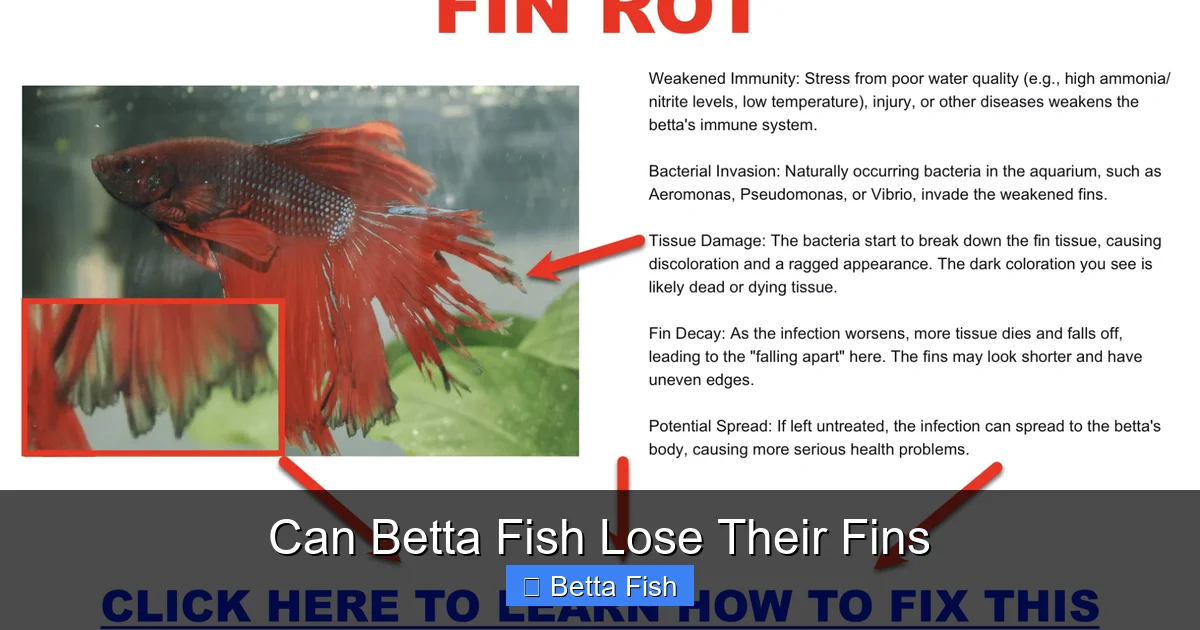
When people ask, “Why do betta fish lose their fins?”, the answer is almost always fin rot. This is a bacterial or fungal infection that literally eats away at the fin tissue. It’s not a disease that appears out of nowhere; it’s a direct result of poor living conditions.
What does fin rot look like? It often starts at the edges of the fins. You’ll notice the edges becoming discolored, turning white, black, or a murky brown. The fins will look ragged and uneven, as if they are melting away. In severe cases, the rot can progress all the way to the body, which is very dangerous.
What causes it? The primary cause is poor water quality. A buildup of ammonia and nitrites from fish waste and uneaten food creates a toxic soup that weakens a betta’s immune system. Stress from cold water or a small tank also makes them more vulnerable. For a deeper dive into this topic, check out our guide on why betta fish lose their fins.
2. Physical Injury and Tears
Sometimes, the cause is much simpler than an infection. A betta’s fins can be physically torn or damaged by objects in their tank.
- Sharp Decorations: Plastic plants are a common offender. Their edges can be surprisingly sharp and will easily snag and tear delicate silk or live plants are always a safer choice.
- Rough Substrate: Certain types of gravel or decorations with rough textures can cause injury if the betta brushes against them.
- Filter Intake: A strong filter can sometimes suck a betta’s long fins into the intake, causing significant damage. Using a pre-filter sponge can prevent this.
Injuries like these are often clean tears, unlike the ragged, discolored edges of fin rot. However, an open wound can become infected and turn into fin rot if the water isn’t clean.
3. Fin Nipping from Tank Mates
Bettas are also known as Siamese Fighting Fish for a reason. They are territorial and aggressive, especially males. But they can also be the victims of bullying.
If you have other fish in the tank, they might see a betta’s long, flowing fins as a tempting target. Fish like tiger barbs, some tetras, or even other bettas are notorious fin nippers. They will chase and bite the fins, causing pieces to be torn off. This is a major reason why choosing tank mates for a betta requires careful research. You can learn more about safe companions in our article on what other fish can live with betta fish.
4. Stress: The Silent Killer
Stress is a huge factor in a betta’s overall health and can directly contribute to fin loss. A stressed fish has a weakened immune system, making it an easy target for diseases like fin rot.
Common stressors include:
- Small Tanks: Keeping a betta in a tiny bowl or tank is incredibly stressful. They need space to swim and explore.
- Incorrect Temperature: Bettas are tropical fish and need a stable temperature between 76-82°F (24-28°C). Cold water slows their metabolism and weakens their immune system.
- Loud Noises and Vibrations: A tank placed in a high-traffic area or near a speaker can constantly stress a betta.
- Lack of Hiding Places: A bare tank with no plants or caves leaves a betta feeling exposed and vulnerable.
How to Identify the Cause of Fin Loss
Figuring out the root cause is essential for choosing the right treatment. You need to become a detective and look for clues.
Visual guide about Can Betta Fish Lose Their Fins
Image source: wildbettablog.com
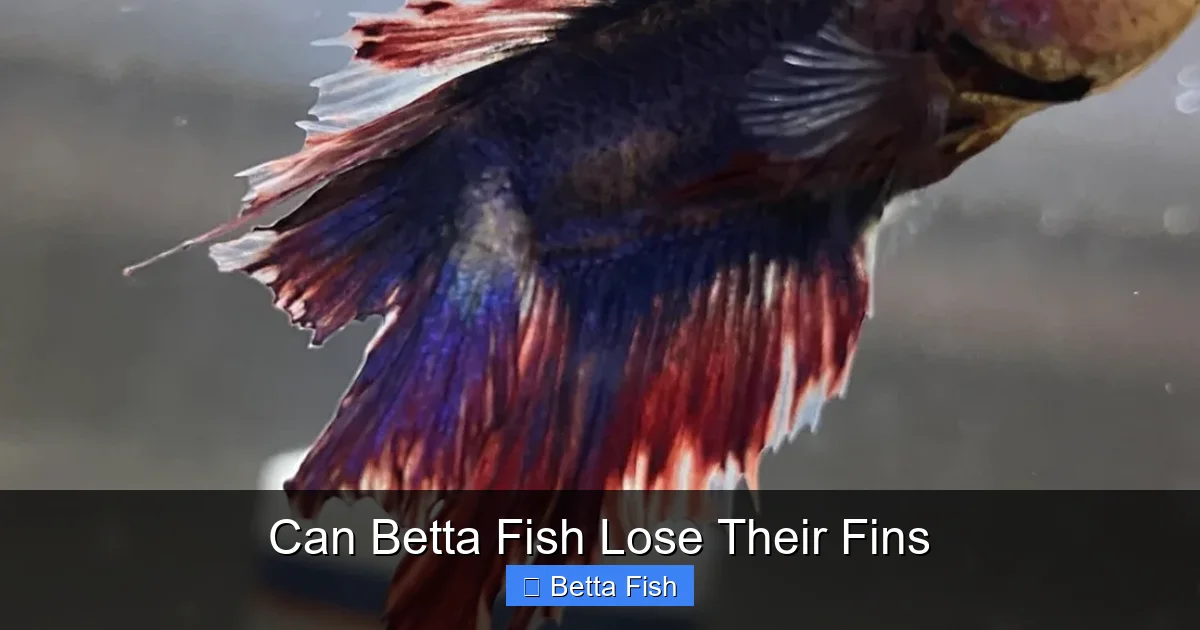
Observe the Appearance of the Fins
The way the fins look can tell you a lot.
- Ragged, discolored edges (white, black, red): This is a classic sign of fin rot.
- Clean, straight tears or chunks missing: This points to physical injury or fin nipping from another fish.
- Fins clamped close to the body: This is a general sign of stress or illness, not specific to fin loss but a warning sign that something is wrong.
Check Your Water Parameters
This is the most important step. Get a liquid test kit (not strip tests, which are less accurate) and check your water immediately.
- Ammonia and Nitrite: These should always be 0 ppm. Any reading above zero is toxic and a primary cause of fin rot.
- Nitrate: This should be below 20 ppm.
- pH: Bettas prefer a neutral pH around 7.0, but stability is more important than a perfect number.
Observe Your Betta’s Behavior
Is your fish acting differently?
- Lethargy, lying at the bottom, or loss of appetite: These are signs of illness or severe stress.
- Flashing or scratching against objects: This can indicate parasites or irritation.
- Hiding constantly: A sign of stress or fear, possibly from a bully tank mate.
Treatment and Recovery: Helping Your Betta Heal
Once you have an idea of the cause, you can start treatment. The foundation of almost all treatment is improving the fish’s environment.
Visual guide about Can Betta Fish Lose Their Fins
Image source: infishtank.com
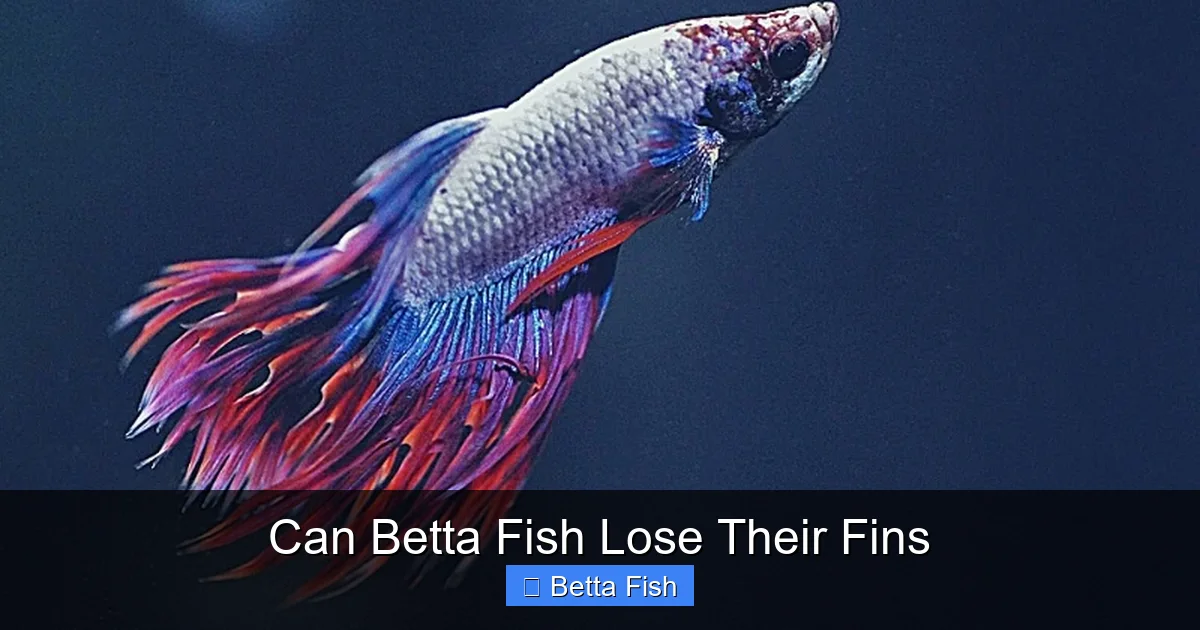
Step 1: The Hospital Tank (If Possible)
If you suspect fin rot or have an injured fish, moving it to a separate, clean “hospital” tank is ideal. This allows you to treat the fish directly and prevents other tank mates from causing further stress or injury. A simple 5-gallon tank with a heater and gentle filter is perfect.
Step 2: Impeccable Water Quality
This is non-negotiable. You must perform frequent water changes to keep the water pristine.
- For Fin Rot: Perform a 25-30% water change every day or every other day. This removes the bacteria and gives the fins a clean environment to heal.
- For Injuries: A 25% water change every other day will help prevent infection and promote healing.
Always use a water conditioner to remove chlorine and chloramines from tap water.
3. Medication for Fin Rot
If the fin rot is mild, clean water and a little aquarium salt (1 teaspoon per gallon) can sometimes be enough. For more severe cases, you will need medication.
- Antibacterial Medications: Look for products containing ingredients like erythromycin or kanamycin. These target the bacterial infection.
- Antifungal Medications: If the rot appears more fuzzy or cotton-like, an antifungal treatment may be needed.
Always follow the instructions on the medication carefully and complete the full course, even if the fish looks better.
4. Address the Root Cause
Treating the symptom isn’t enough. You must fix the underlying problem.
- If it’s injury: Remove the sharp object from the tank. Switch to silk or live plants.
- If it’s fin nipping: You must separate the betta from the aggressive fish. There is no other solution.
- If it’s stress: Ensure the tank is large enough (5 gallons minimum), heated, and has plenty of hiding spots.
Can Betta Fish Fins Grow Back?
This is the question every owner asks, and the answer is a hopeful yes! Betta fish have a remarkable ability to regenerate their fins, much like a lizard can regrow its tail.
Visual guide about Can Betta Fish Lose Their Fins
Image source: wildbettablog.com
The Regrowth Process
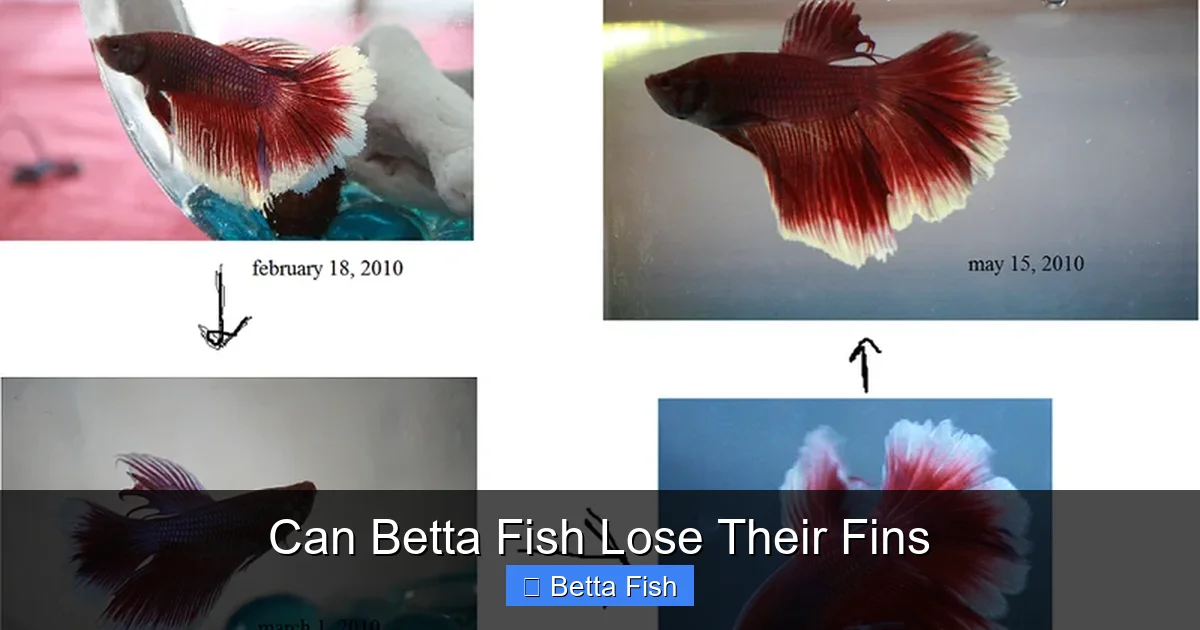
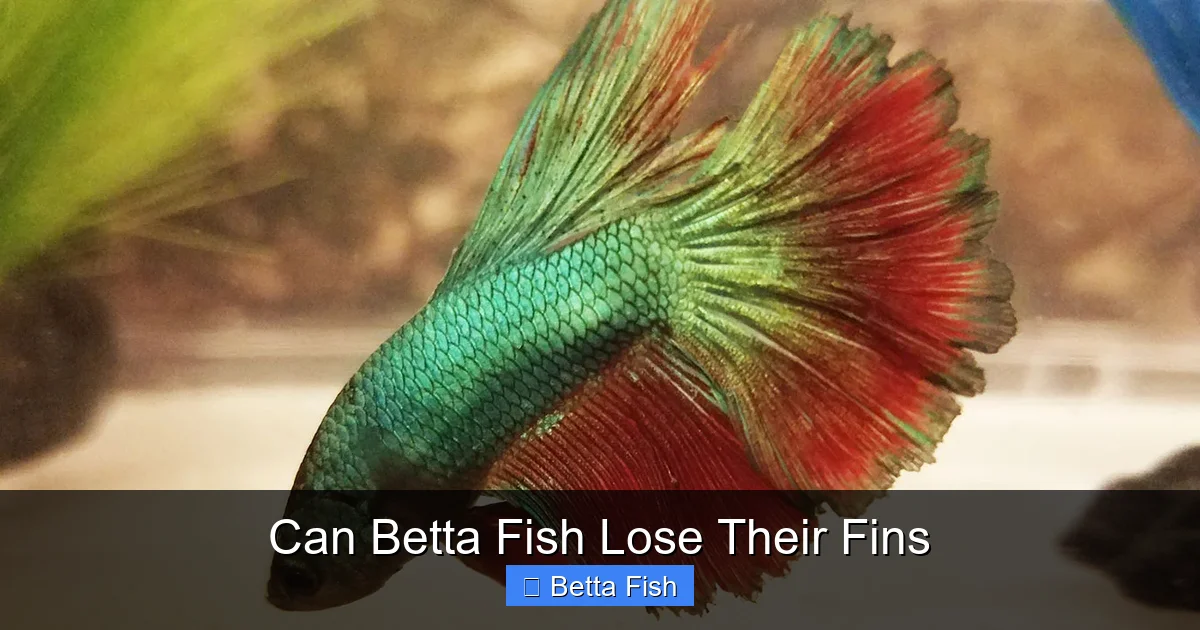
Once the cause of the fin loss is addressed and the fish is in a clean, stress-free environment, you will start to see new growth. It often appears as a clear or white membrane along the edge of the damaged fin. This is the new fin tissue forming. Over the course of several weeks to a few months, this membrane will slowly color up and fill in.
Factors That Affect Regrowth
How well and how quickly the fins grow back depends on a few things.
A small tear will heal much faster than severe fin rot that has reached the body. - Water Quality: Pristine water is the single most important factor for regrowth.
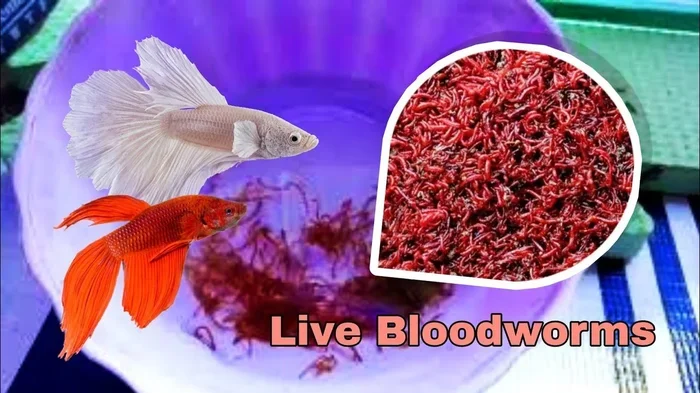
- Nutrition: A healthy, high-protein diet gives the fish the building blocks it needs to repair itself. Feeding high-quality pellets and occasional treats like bloodworms can help.
- Age and Health: Younger, healthier fish will regenerate fins faster than older or chronically ill ones.
For more detailed information on this process, our article on can betta fish fins grow back is a great resource.
Prevention: The Best Medicine
Knowing how to treat fin loss is important, but preventing it from happening in the first place is even better. A little bit of effort goes a long way in keeping your betta healthy.
Visual guide about Can Betta Fish Lose Their Fins
Image source: bettafish.org
Maintain a Clean and Stable Environment
This is the golden rule of fishkeeping.
- Cycle Your Tank: Before getting your fish, make sure your tank is properly cycled. This establishes beneficial bacteria that break down harmful waste.
- Perform Weekly Water Changes: A 25% water change every week is a good standard for a filtered tank.
- Use a Filter and Heater: A gentle filter keeps the water clean, and a heater keeps the temperature stable. Both are essential for a healthy betta.
Choose Tank Decor Carefully
Make your betta’s home a safe place.
- Plants: Use live plants or high-quality silk plants. Avoid plastic plants with sharp edges. You can do the “pantyhose test” – if a plant snags a pair of pantyhose, it will snag your betta’s fins.
- Decorations: Ensure any caves or decorations have smooth openings and no sharp points.
Select Tank Mates Wisely (Or Not at All)
The safest option for a male betta is often to live alone. If you do want tank mates, research extensively. Avoid any fish that is known to be a fin nipper or is overly aggressive. Peaceful, bottom-dwelling creatures like snails or shrimp can sometimes be good companions, but even they can be at risk. Our guide on can you keep betta fish with shrimp can help you decide.
Reduce Stress
A happy betta is a healthy betta.
- Provide Hiding Spots: Caves, logs, and dense plants give your betta a place to retreat and feel secure.
- Place the Tank in a Calm Area: Avoid direct sunlight, loud TVs, or high-traffic hallways.
- Maintain a Consistent Light Cycle: Use a timer for the tank light to give your betta a regular day and night schedule.
Conclusion
So, can betta fish lose their fins? Absolutely. It’s a common problem that can be caused by fin rot, physical injury, or stress. While it can be scary to see, it’s important not to panic. By carefully observing your fish, testing your water, and identifying the root cause, you can take action.
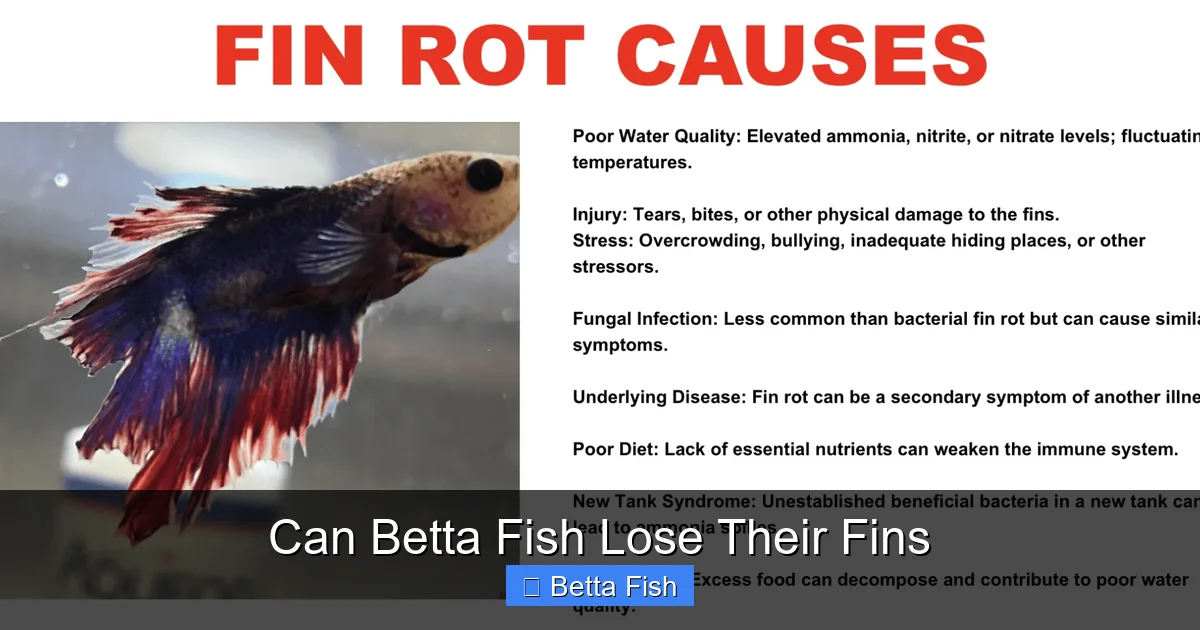
Visual guide about Can Betta Fish Lose Their Fins
Image source: wildbettablog.com
The path to recovery starts with clean, warm water and a stress-free environment. With patience and consistent care, there’s a very good chance your betta’s beautiful fins will grow back. Remember, the best treatment is always prevention. By providing your betta with a spacious, clean, and safe home, you can minimize the risk of fin loss and enjoy your vibrant, healthy fish for years to come.
Frequently Asked Questions
How long does it take for betta fish fins to grow back?
Fin regrowth is a slow process that can take anywhere from a few weeks to several months. The speed depends on the severity of the damage, the quality of the water, and the overall health of the fish. Consistent clean water is the most important factor for speedy regrowth.
Can fin rot kill a betta fish?
Yes, if left untreated, fin rot can be fatal. The infection can progress from the fins to the body, causing body rot, which is much harder to treat and often leads to death. Early detection and immediate treatment with clean water and medication are crucial.
My betta’s fins are torn. Is it fin rot or an injury?
A good way to tell is by looking at the edges. A clean, straight tear is likely a physical injury from a sharp object or another fish. Ragged, discolored (white, black, or brown) edges are a classic sign of a bacterial or fungal infection like fin rot.
Should I use aquarium salt for my betta’s fin loss?
Aquarium salt can be a helpful mild treatment for minor fin rot or to prevent infection in a torn fin. It should be used at a low dose (1 teaspoon per gallon) and dissolved in water before adding it to the tank. However, it is not a substitute for medication in severe cases and should not be used long-term.
Can I keep my betta with other fish to prevent boredom?
While bettas can be kept with other fish, it requires careful planning. You must choose peaceful, non-aggressive tank mates that won’t nip at the betta’s fins. A male betta should never be kept with another male betta. Often, the safest and least stressful option for a betta is to live alone in a well-decorated tank.
What are the first signs of fin rot I should look for?
The earliest signs of fin rot are usually a slight discoloration along the very edges of the fins, often appearing white, gray, or brown. You might also notice the fins look a little ragged or uneven. Catching it at this stage makes treatment much easier and more effective.