Yes, betta fish can live without food for 2 days without any serious health risks. Healthy adult bettas can typically survive 3–5 days without eating, thanks to their hardy nature and slow metabolism. However, while skipping two days is generally safe, it’s important to understand the limits and warning signs to ensure your betta stays happy and healthy.
Key Takeaways
- Short-term fasting is safe: Betta fish can live without food for 2 days with no negative health effects in most cases.
- Maximum survival window: Healthy adult bettas can survive 3–5 days without food, though this isn’t ideal for regular practice.
- Age and health matter: Young fry, sick fish, and elderly bettas are much more vulnerable to food deprivation.
- Signs of hunger to watch for: Lethargy, color fading, clamped fins, and glass surfing can indicate your betta is stressed from hunger.
- Preparation is key: If you’re traveling, use an automatic feeder or ask someone to feed your betta every 1–2 days.
- Overfeeding is worse: Skipping a day or two is far less dangerous than overfeeding, which can cause bloating and water quality issues.
- Water quality matters more: A clean, well-maintained tank is more critical to your betta’s survival than daily feeding.
📑 Table of Contents
- Can Betta Fish Live Without Food for 2 Days? The Honest Answer
- How Long Can Betta Fish Really Survive Without Food?
- Factors That Affect How Long a Betta Can Go Without Food
- Signs Your Betta Is Hungry or Stressed From Fasting
- What to Do If You Need to Leave Your Betta Unattended
- Feeding Best Practices for a Healthy Betta
- Common Myths About Betta Fish Feeding
- When to Worry: Red Flags That Need Attention
- Conclusion: Your Betta Will Be Fine for 2 Days
Can Betta Fish Live Without Food for 2 Days? The Honest Answer
So you’re about to head out for a weekend trip, or maybe you just realized you’re completely out of betta food. Your mind starts racing — can betta fish live without food for 2 days? Take a deep breath. The short answer is yes, absolutely. Betta fish are surprisingly resilient creatures, and going without food for 48 hours is generally no cause for alarm.
Betta fish, also known as Siamese fighting fish, come from the shallow rice paddies and slow-moving waters of Southeast Asia. In the wild, they don’t always have access to a consistent food supply. Some days they feast on insects and larvae. Other days, they go hungry. Over thousands of years, their bodies have adapted to handle these periods of scarcity. That hardiness is one of the reasons they make such great pets for beginners.
That said, just because your betta can survive without food for 2 days doesn’t mean you should make it a habit. Understanding the nuances of betta fish feeding, their nutritional needs, and the warning signs of distress will help you be a better fish parent. Let’s dive deep into everything you need to know.
How Long Can Betta Fish Really Survive Without Food?
The General Rule of Thumb
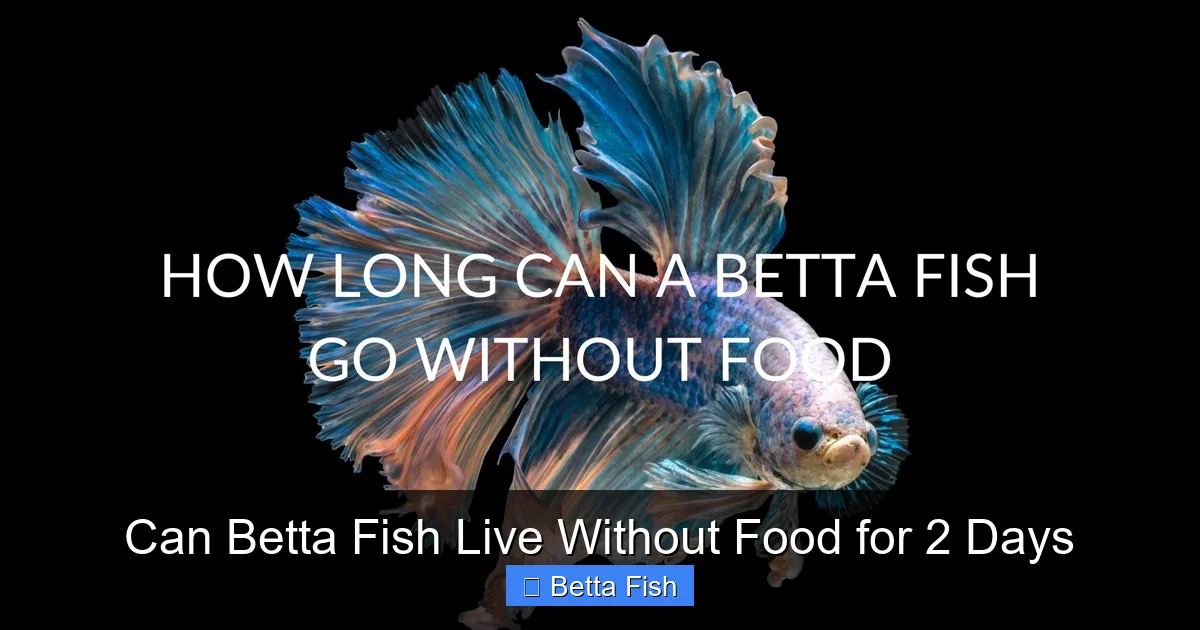
Most experienced betta keepers and aquatic veterinarians agree that a healthy adult betta fish can survive anywhere from 3 to 5 days without food. Some sources even suggest up to 7–10 days in extreme cases, but that’s pushing it and not something you should ever test intentionally. When we talk about whether how long betta fish can live without food, the answer depends on several factors including age, health, water temperature, and stress levels.
Visual guide about Can Betta Fish Live Without Food for 2 Days
Image source: bettafishworld.com
Think of it this way: 2 days without food is well within the safe zone. It’s like skipping breakfast and lunch — uncomfortable, maybe, but not dangerous. Your betta might be a little grumpy when you get back, but they’ll be just fine.
What Happens Inside a Betta’s Body During Fasting?
When a betta fish stops eating, its body goes into a kind of energy-conservation mode. Their metabolism slows down, and they start using stored fat and energy reserves to keep their organs functioning. This is a natural survival mechanism that wild bettas rely on regularly.
During the first 24–48 hours, your betta will tap into glycogen stores in their liver and muscles. After that, the body begins breaking down fat reserves. A healthy betta with good body condition has enough reserves to handle this process without any lasting damage. However, a betta that’s already underweight or ill may not have those reserves, which is why individual health matters so much.
Factors That Affect How Long a Betta Can Go Without Food
Age and Life Stage
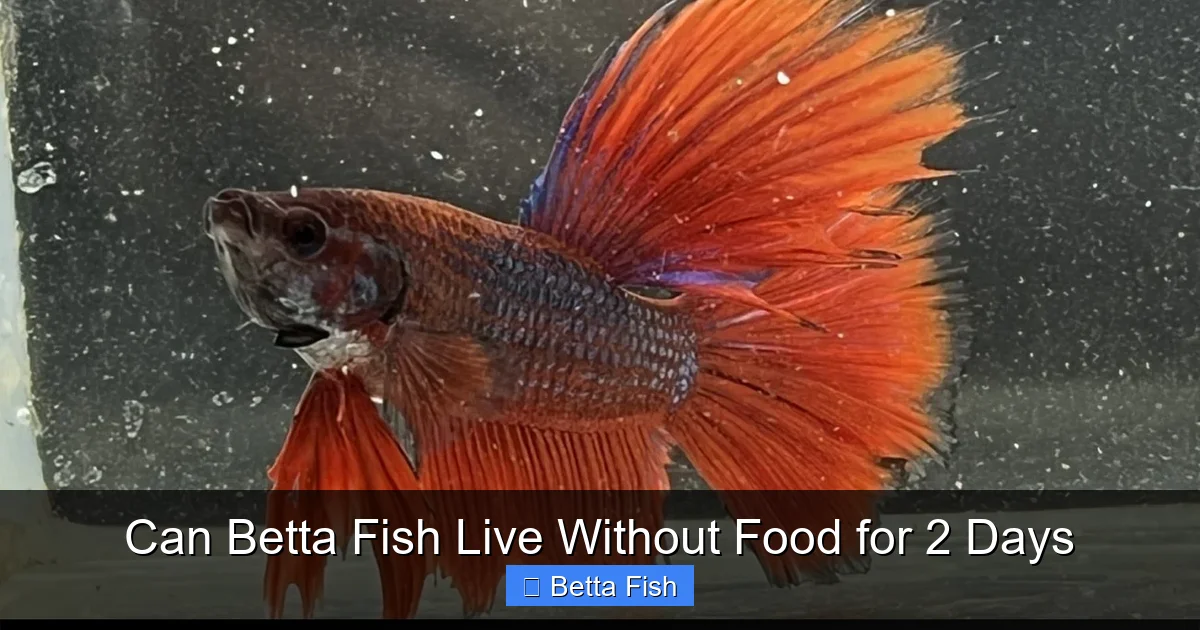
Not all bettas are created equal when it comes to fasting tolerance. Baby bettas (fry) and juveniles are growing rapidly and need frequent meals — sometimes 3–4 times a day. Going even one day without food can stunt their growth and weaken their immune systems. On the other end, senior bettas (3+ years old) may have slower metabolisms but also less energy reserves, making them more vulnerable to extended fasting.
Visual guide about Can Betta Fish Live Without Food for 2 Days
Image source: buildyouraquarium.com
Healthy adult bettas between 6 months and 2 years old are the most resilient. They have fully developed bodies, adequate fat stores, and robust immune systems. If you have a betta in this age range, a 2-day fast is truly no big deal.
Overall Health Condition
A betta that’s already dealing with illness, parasites, or injury has a much harder time coping without food. Their body is already working overtime to fight off whatever is ailing them, and they need the energy and nutrients that food provides. If your betta is recovering from a disease like fin rot, ich, or dropsy, skipping meals can set back their recovery significantly.
Similarly, bettas that are underweight or have been neglected in the past may not have the body reserves to handle even a short fast. Always assess your individual fish’s health before deciding it’s okay to skip feedings.
Water Temperature and Environment
Here’s something many new betta owners don’t realize: water temperature directly affects a betta’s metabolism. Bettas are tropical fish that thrive in water between 76°F and 82°F (24°C–28°C). Warmer water speeds up their metabolism, meaning they burn through energy faster and get hungry sooner. Cooler water slows their metabolism down, which can actually help them conserve energy during a fast.
This doesn’t mean you should lower your tank temperature to “help” your betta during a food shortage. Sudden temperature changes are stressful and dangerous. Just know that a betta in a properly heated tank will feel the effects of fasting slightly sooner than one in cooler water.
Signs Your Betta Is Hungry or Stressed From Fasting
Behavioral Changes to Watch For
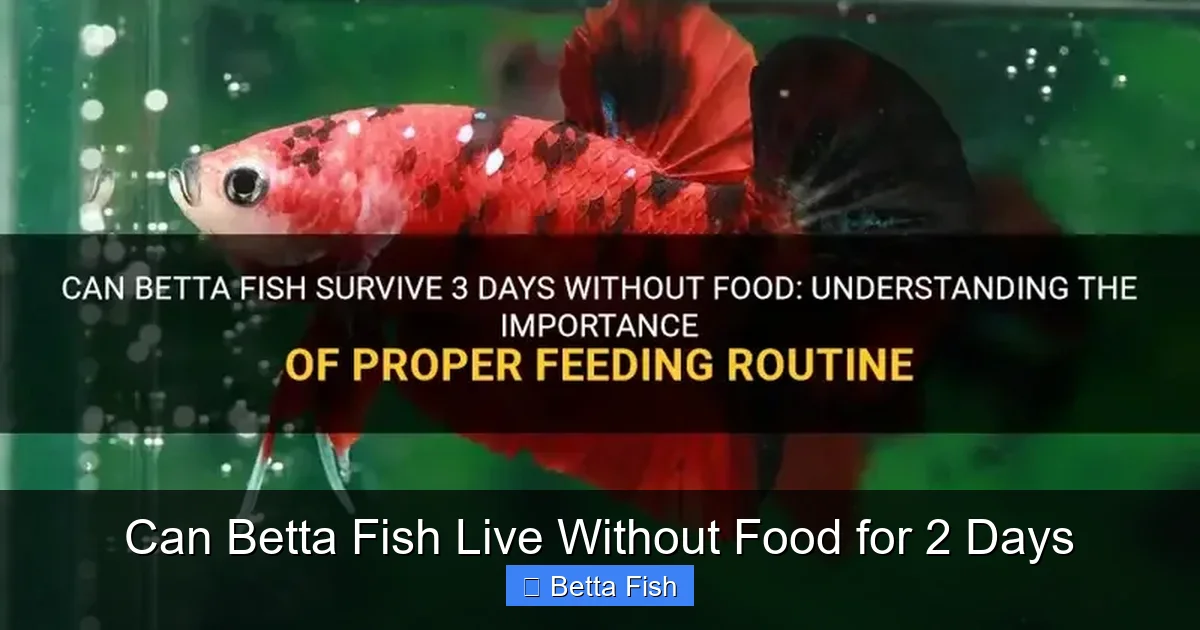
Even though betta fish can live without food for 2 days, they’ll definitely let you know they’re not happy about it. Here are the most common signs of hunger and stress:
Visual guide about Can Betta Fish Live Without Food for 2 Days
Image source: petshun.com
- Glass surfing: Your betta swims repeatedly up and down the sides of the tank, almost like they’re searching for food or trying to escape.
- Increased aggression: A hungry betta may flare at their reflection more than usual or become territorial.
- Lethargy: While some slowing down is normal during fasting, extreme lethargy — lying at the bottom, not moving for hours — can be a red flag.
- Biting at things: Your betta might nip at plants, decorations, or even the water surface, looking for something to eat.
Physical Signs of Prolonged Hunger
If fasting extends beyond the safe window, you may notice physical changes. The most obvious is a thinner body — you’ll notice your betta looking less plump around the midsection. Their colors may also start to fade or look dull. In severe cases, their eyes might appear slightly sunken, and their fins may clamp close to their body.
Thankfully, none of these severe symptoms will appear after just 2 days. But it’s good to know what to look for if you’re ever unsure how long your betta has gone without eating.
What to Do If You Need to Leave Your Betta Unattended
Short Trips (1–3 Days)
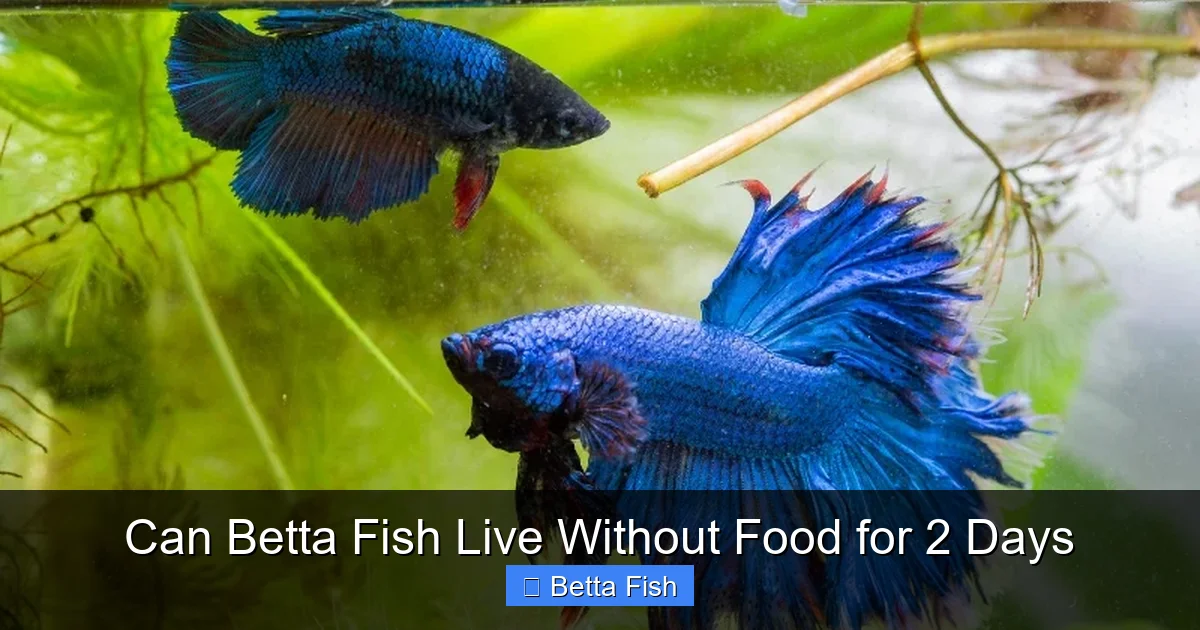
For a weekend getaway or a short trip, your betta will be perfectly fine without food. In fact, many experienced betta keepers intentionally fast their fish one day per week to mimic natural feeding patterns and give their digestive systems a break. This practice can actually improve your betta’s overall health and prevent constipation, which is a common issue in captive bettas.
Visual guide about Can Betta Fish Live Without Food for 2 Days
Image source: infishtank.com
Before you leave, do a partial water change (about 25%) and make sure the heater is working properly. Clean, warm water is far more important to your betta’s survival than food during a short absence. You can also learn more about whether betta fish can go a day without food to better understand their short-term fasting tolerance.
Longer Trips (4+ Days)
If you’ll be gone for more than 3 days, you’ll need a plan. Here are your best options:
- Automatic fish feeder: These battery-operated devices dispense a set amount of food at scheduled times. They’re affordable and reliable for trips up to 2 weeks.
- Ask a friend or neighbor: Have someone stop by every other day to feed your betta. Pre-portion the food into small containers so they don’t overfeed.
- Vacation feeding blocks: These slow-dissolving blocks release food gradually over several days. However, they can cloud the water and affect water quality, so use them with caution.
- Pet sitter: For extended trips, a professional pet sitter who has experience with fish is worth the investment.
The Pre-Trip Feeding Mistake to Avoid
One of the biggest mistakes betta owners make is overfeeding right before leaving. They think, “My betta will be alone for 3 days, so I’ll give extra food now.” This is a terrible idea. Bettas have tiny stomachs — roughly the size of their eye — and overfeeding can cause bloating, constipation, and swim bladder disease. Plus, uneaten food decomposes and ruins water quality fast.
Feed your betta normally the day before you leave. That’s it. No extras. Your betta’s body is designed to handle short periods without food, but it’s not designed to handle the consequences of overfeeding.
Feeding Best Practices for a Healthy Betta
What to Feed Your Betta
A well-fed betta is a betta that can handle occasional fasting without any issues. The foundation of a good betta diet is high-quality betta pellets that contain at least 35–40% protein. Look for pellets with whole fish or shrimp as the first ingredient, not fillers like wheat or corn.
Visual guide about Can Betta Fish Live Without Food for 2 Days
Image source: walkerfeed.com
In addition to pellets, you should offer variety. Feeding betta fish live food like bloodworms, brine shrimp, or daphnia provides essential nutrients and enrichment. Freeze-dried options work too, but always soak them in tank water before feeding to prevent bloating.
How Often and How Much
Adult bettas should be fed once or twice a day, with 2–3 pellets per feeding. Some keepers prefer to feed once in the morning and once in the evening, while others stick to a single daily feeding. Either approach works as long as you’re consistent and not overfeeding.
Remember the stomach-size rule: if you’re unsure whether you’re feeding too much, you probably are. It’s always better to slightly underfeed than overfeed. A betta that looks a little hungry is healthier than one that’s bloated from too much food.
The Weekly Fast Day
Many betta experts recommend implementing one fasting day per week where you don’t feed your betta at all. This practice offers several benefits:
- Prevents constipation and digestive issues
- Mimics natural feeding patterns in the wild
- Helps maintain water quality by reducing waste
- Keeps your betta’s metabolism healthy
Pick a day that works for you — Sunday, for example — and simply skip feeding. Your betta might look at you with those big, pleading eyes, but they’ll be perfectly fine. This also means that if you’re wondering how long betta fish can survive without food, regular short fasts actually build their resilience over time.
Common Myths About Betta Fish Feeding
Myth: Bettas Need to Eat Every Single Day
This is one of the most widespread misconceptions in the betta-keeping community. While daily feeding is ideal for maintaining optimal health, bettas do not need to eat every single day to survive. As we’ve discussed, their bodies are well-equipped to handle short fasting periods. In the wild, daily meals aren’t guaranteed, and bettas have evolved accordingly.
Visual guide about Can Betta Fish Live Without Food for 2 Days
Image source: i0.wp.com
Myth: A Hungry Betta Will Eat Anything in the Tank
Some people believe that if a betta gets hungry enough, it will graze on algae, plants, or tank debris. While bettas might nibble on things out of curiosity or boredom, they are obligate carnivores. They need protein-rich foods to survive. They cannot sustain themselves on algae or plant matter alone.
Myth: Fasting Is Cruel and Should Never Happen
Intentional, short-term fasting is not cruel — it’s actually beneficial when done correctly. The key word is short-term. Skipping one day of feeding per week is healthy. Going 2 days without food occasionally is fine. But chronic underfeeding, where a betta is consistently not getting enough nutrition, is a serious welfare issue. There’s a big difference between strategic fasting and neglect.
When to Worry: Red Flags That Need Attention
While betta fish can live without food for 2 days without problems, there are situations where fasting becomes dangerous. Contact an aquatic veterinarian or experienced fish keeper if you notice:
Visual guide about Can Betta Fish Live Without Food for 2 Days
Image source: guppyfishtank.com
- Your betta hasn’t eaten in 5+ days even when food is offered
- Rapid weight loss or a visibly sunken belly
- White stringy feces, which can indicate internal parasites
- Refusal to eat combined with other symptoms like clamped fins, discoloration, or labored breathing
- Your betta is a fry or juvenile and has missed more than one feeding
These signs suggest something more serious than simple hunger. Illness, parasites, stress, and poor water quality can all cause appetite loss, and the underlying issue needs to be addressed — not just the feeding schedule.
Conclusion: Your Betta Will Be Fine for 2 Days
Let’s bring it all together. Can betta fish live without food for 2 days? Yes, without question. A healthy adult betta can comfortably handle a 48-hour fast with zero negative consequences. Their bodies are built for exactly this kind of short-term food scarcity, thanks to their wild ancestors’ unpredictable feeding environment.
Visual guide about Can Betta Fish Live Without Food for 2 Days
Image source: petshun.com
The real key to a healthy, happy betta isn’t obsessive daily feeding — it’s consistency, quality nutrition, and excellent water conditions. Feed your betta a high-quality diet, maintain a clean and properly heated tank, and don’t panic if you occasionally miss a day or two. Your betta is tougher than you think.
So the next time you’re packing for a weekend trip and wondering whether your betta will survive without you, relax. Do a water change, check the heater, and enjoy your time away. Your little friend will be waiting at the glass, ready for dinner, when you get back.
Frequently Asked Questions
Can betta fish live without food for 2 days?
Yes, betta fish can easily live without food for 2 days. Healthy adult bettas can survive 3–5 days without eating, so a 48-hour fast is well within their safe range. Just make sure your tank conditions are stable before you leave.
What happens if I don’t feed my betta for 2 days?
Nothing serious will happen. Your betta may become a little more active in searching for food or appear slightly hungry, but there will be no lasting health effects. Their body will use stored energy reserves to maintain normal function.
How many days can a betta fish go without food before it becomes dangerous?
For a healthy adult betta, going beyond 5 days without food starts to become risky. By day 7–10, serious health complications can arise. Young fry and sick bettas have much less tolerance and should never go more than 1–2 days without eating.
Should I feed my betta extra before leaving for a weekend trip?
No, you should never overfeed your betta before leaving. Extra food can cause bloating, constipation, and poor water quality. Feed normally the day before you leave, and your betta will be perfectly fine for 2–3 days without food.
Can baby betta fish go without food for 2 days?
No, baby bettas (fry) should not go without food for 2 days. Fry are growing rapidly and need to eat 3–4 times daily. Even one day without food can harm their development and weaken their immune system.
Is it okay to fast my betta fish once a week?
Yes, many experienced betta keepers fast their fish one day per week. This practice helps prevent constipation, mimics natural feeding patterns, and can improve overall digestive health. Just make sure your betta is healthy and well-nourished on feeding days.

