Can Betta Fish Live Without an Air Stond
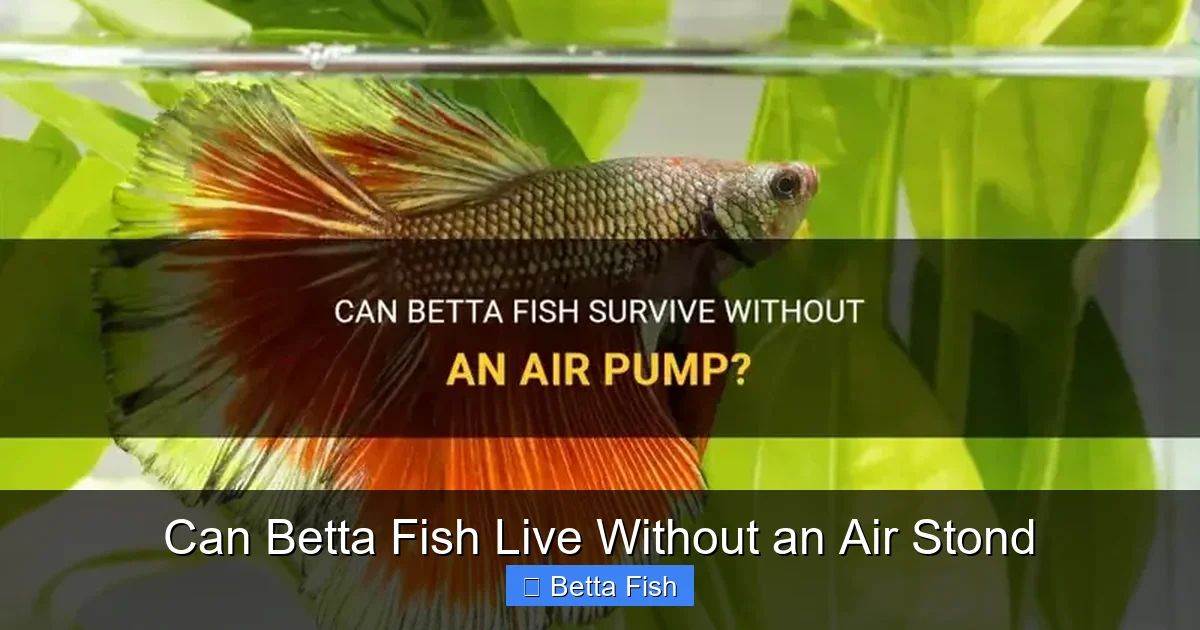
Yes, betta fish can live without an air stone. They possess a special organ called the labyrinth organ that lets them breathe oxygen directly from the air above the water. However, while an air stone isn’t strictly necessary, there are situations where adding one can significantly improve your betta’s health and water quality. Understanding when and why you might need one is key to keeping your betta thriving.
- Bettas have a labyrinth organ: This unique organ allows them to breathe atmospheric air, which is why they can survive without an air stone.
- Air stones are not essential: Unlike many tropical fish, betta fish do not rely on dissolved oxygen in the water as their primary oxygen source.
- Water movement matters more: Gentle water circulation helps distribute heat and nutrients, but strong currents from air stones can stress bettas.
- Air stones help in certain setups: In unfiltered tanks, bowls, or warmer environments, an air stone can boost oxygen levels and improve water quality.
- Signs your betta needs more oxygen: Gasping at the surface frequently, lethargy, and loss of appetite can indicate low oxygen levels in the water.
- Filters can replace air stones: A good filter provides both water movement and surface agitation, which naturally oxygenates the water.
- Proper tank maintenance is crucial: Regular water changes and a clean environment reduce the need for additional aeration equipment.
📑 Table of Contents
- Can Betta Fish Live Without an Air Stond? The Complete Answer
- What Is an Air Stone and What Does It Do?
- The Labyrinth Organ: Your Betta’s Superpower
- When Your Betta Does NOT Need an Air Stone
- When Your Betta DOES Need an Air Stone
- Signs Your Betta Is Not Getting Enough Oxygen
- Alternatives to Air Stones for Betta Tanks
- How to Set Up an Air Stone in a Betta Tank
- Common Mistakes to Avoid
- Frequently Asked Questions About Air Stones and Bettas
- Final Thoughts: Can Betta Fish Live Without an Air Stond?
Can Betta Fish Live Without an Air Stond? The Complete Answer
If you have ever walked into a pet store and seen a betta fish sitting in a tiny cup, you probably wondered how they survive. There is no filter. There is no air stone. There is barely any water. Yet the fish is alive and flaring its fins. So, can betta fish live without an air stond? The short answer is yes. But the full answer is a little more interesting and important for every betta owner to understand.
Betta fish are not like most aquarium fish. They come from the warm, shallow waters of Southeast Asia, like rice paddies, slow-moving streams, and marshes. These environments often have very low oxygen levels in the water. Over thousands of years, bettas evolved a special adaptation to handle this. They developed something called a labyrinth organ. This organ lets them gulp air from the surface of the water and extract oxygen directly from the atmosphere. It is basically a lung-like structure that gives them a huge survival advantage.
Because of this amazing organ, betta fish can technically live without an air stone. They do not depend on dissolved oxygen in the water the way goldfish or tetras do. But here is the thing. Just because they can survive without one does not always mean they should. There are many factors to consider when deciding whether your betta truly needs an air stone or not. Let us dive deep into everything you need to know.
What Is an Air Stone and What Does It Do?
Understanding the Basics
An air stone is a small porous stone or diffuser that connects to an air pump via a tube. When the air pump is turned on, it pushes air through the tube and out through the tiny holes in the stone. This creates a stream of bubbles that rise to the surface of the water. The bubbles themselves do not directly add a lot of oxygen to the water. Instead, the real benefit comes from the surface agitation they create.

Visual guide about Can Betta Fish Live Without an Air Stond
Image source: pondsinfo.com
When those bubbles reach the surface and pop, they disturb the water surface. This disturbance increases the surface area where gas exchange happens. Oxygen from the air enters the water, and carbon dioxide escapes. This process is called aeration, and it is essential for fish that rely entirely on dissolved oxygen to breathe.
Why Most Fish Need Aeration
For the majority of tropical fish, an air stone or some form of surface agitation is very important. Fish like tetras, guppies, goldfish, and cichlids breathe by passing water over their gills. The gills extract dissolved oxygen from the water. If the water is stagnant and there is no surface movement, oxygen levels can drop dangerously low. This is why most aquarium setups include a filter that creates some water movement at the surface.
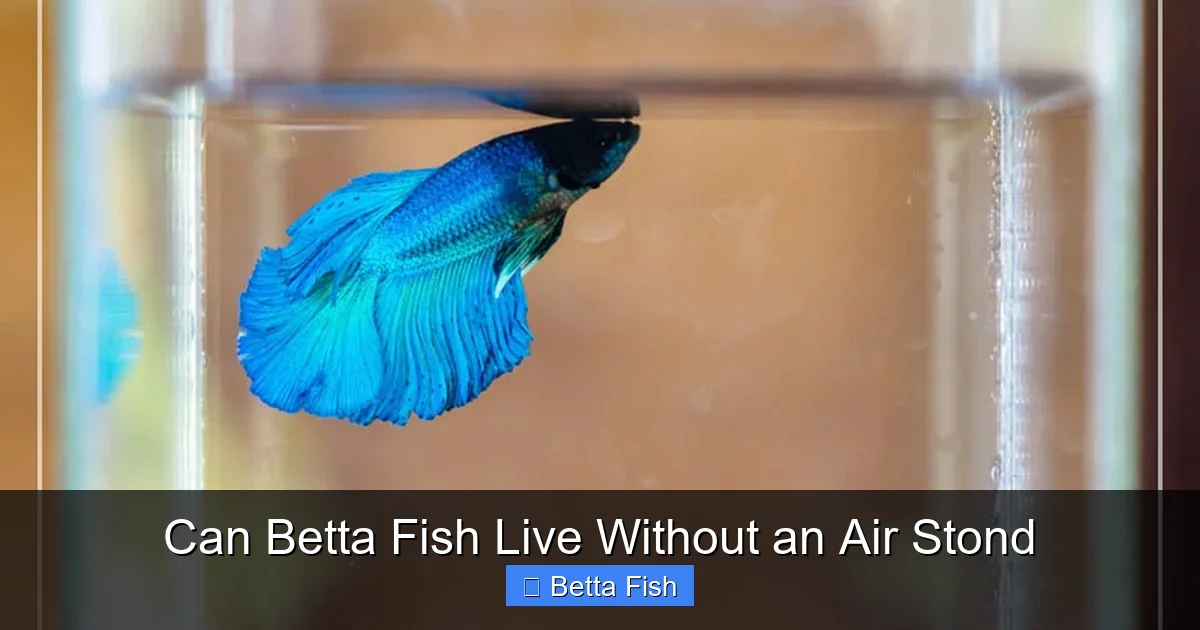
But betta fish are different. They have that backup breathing system. So while other fish might suffocate in still water, a betta can simply swim to the surface and take a breath of air. This is why you often see bettas hanging out near the top of their tank. It is completely normal behavior.
The Labyrinth Organ: Your Betta’s Superpower
How the Labyrinth Organ Works
The labyrinth organ is a specialized structure located in the betta’s head, near the gills. It is made up of bony plates covered in thin, highly vascularized tissue. When a betta gulps air at the surface, the oxygen in that air passes directly into the bloodstream through this tissue. It works similarly to how our lungs work, but it is much simpler in structure.
Visual guide about Can Betta Fish Live Without an Air Stond
Image source: smartaquariumguide.com
This organ is found in a family of fish called Anabantoids, which includes bettas, gouramis, and paradise fish. All of these fish can breathe atmospheric air to some degree. The labyrinth organ develops as the fish matures. Baby bettas rely mostly on their gills and start using the labyrinth organ more as they grow older.
What This Means for Tank Setup
Because of the labyrinth organ, betta fish are incredibly adaptable. They can survive in small containers, unfiltered bowls, and low-oxygen environments that would kill most other fish. This is both a blessing and a curse. It is a blessing because it makes bettas hardy and easy to keep in simple setups. It is a curse because many people mistake this hardiness as a sign that bettas do not need proper care.
Just because a betta can survive in a tiny bowl without an air stone does not mean it will thrive there. Survival and thriving are two very different things. A betta kept in poor conditions may live for a while, but it will be stressed, prone to disease, and have a significantly shorter lifespan.
When Your Betta Does NOT Need an Air Stone
Small Tanks with Calm Water
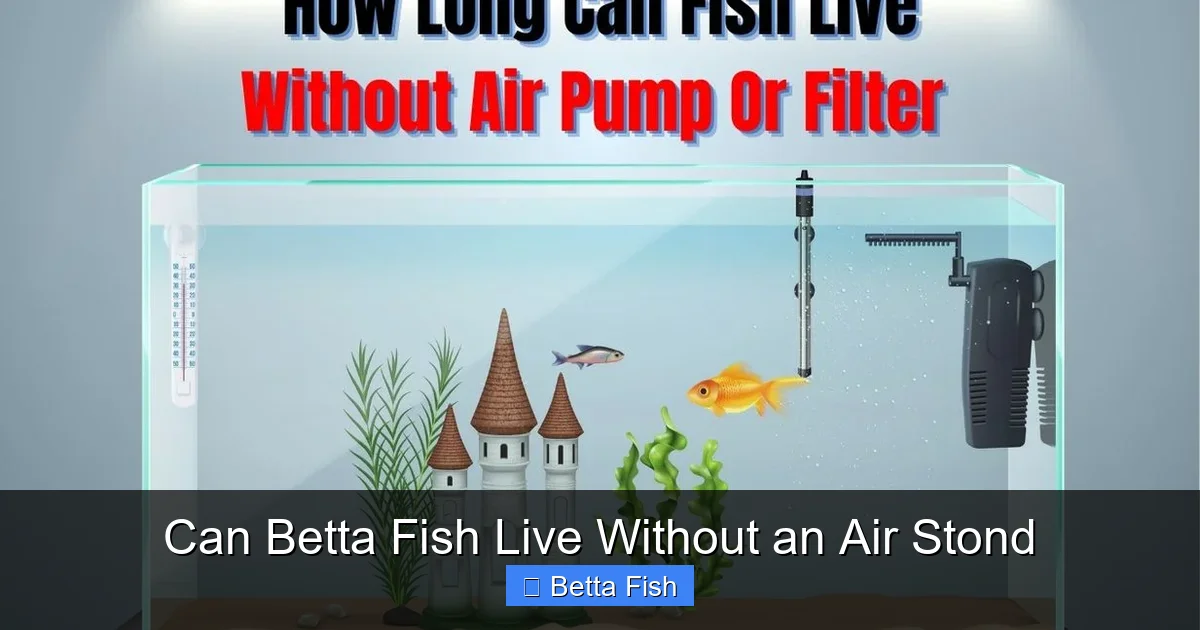
If your betta lives in a properly sized tank, say 5 gallons or more, and the water is relatively calm, you probably do not need an air stone. Bettas actually prefer still or very gently moving water. In the wild, they live in slow-moving or stagnant waters. Strong currents from an air pump can stress them out and make it difficult for them to swim comfortably.
Visual guide about Can Betta Fish Live Without an Air Stond
Image source: pondsinfo.com
Many experienced betta keepers actually recommend against using air stones in standard betta setups. The constant stream of bubbles and water movement can cause unnecessary stress. If your tank has a filter that creates gentle surface agitation, that is usually more than enough to maintain healthy oxygen levels in the water.
Tanks with a Good Filter
A quality filter does two important things. It cleans the water by removing waste and debris, and it creates water movement that promotes gas exchange at the surface. If you have a filter running in your betta tank, you are already providing the benefits of an air stone without the added current. A sponge filter is a particularly good choice for betta tanks because it provides gentle filtration and mild aeration without creating strong currents.
If you are wondering about filter options for your betta, you might want to read about whether bettas can live without a filter. It is a related topic that can help you make the best decision for your setup.
When Your Betta DOES Need an Air Stone
Unfiltered Bowls and Small Containers
Here is where things get a little tricky. If your betta is living in an unfiltered bowl or a very small container, an air stone can actually be helpful. Without a filter, there is no water movement at all. Waste builds up quickly, ammonia levels spike, and the water quality deteriorates fast. While the betta can breathe air from the surface, it still needs clean, healthy water to live in.

Visual guide about Can Betta Fish Live Without an Air Stond
Image source: aniimad.com
An air stone in an unfiltered bowl can help by creating some surface agitation, which promotes gas exchange and helps keep the water slightly more oxygenated. It also creates a small amount of water circulation, which can help prevent the buildup of harmful bacteria on the water surface. However, an air stone is not a substitute for regular water changes. If you keep your betta in a bowl, you will still need to do frequent partial water changes to keep the water clean.
If you are considering a bowl setup, it is worth reading about whether betta fish can truly live in a bowl and what the risks are.
Warm Water Environments
Warm water holds less dissolved oxygen than cool water. Bettas are tropical fish and prefer water temperatures between 76 and 82 degrees Fahrenheit. At these temperatures, the dissolved oxygen levels in the water are naturally lower. In a warm, still tank, the oxygen levels can drop to a point where even a betta might struggle.
If your tank is on the warmer side and you notice your betta spending a lot of time at the surface gasping, it might be a sign that the dissolved oxygen levels are too low. Adding a gentle air stone can help boost oxygen levels and make your betta more comfortable. Just make sure the air stone is not creating too strong a current.
Medicated Tanks
When you are treating your betta for illness, some medications can reduce the amount of dissolved oxygen in the water. Additionally, sick fish often have higher oxygen demands because their bodies are working harder to fight off infection. In these situations, adding an air stone can be a smart move. It ensures that even if the medication affects oxygen levels, there is still plenty available for your betta.
Always follow the instructions on any medication carefully. Some treatments specifically recommend increasing aeration during the course of treatment. When in doubt, adding a gentle air stone is a safe bet.
Signs Your Betta Is Not Getting Enough Oxygen
Gasping at the Surface
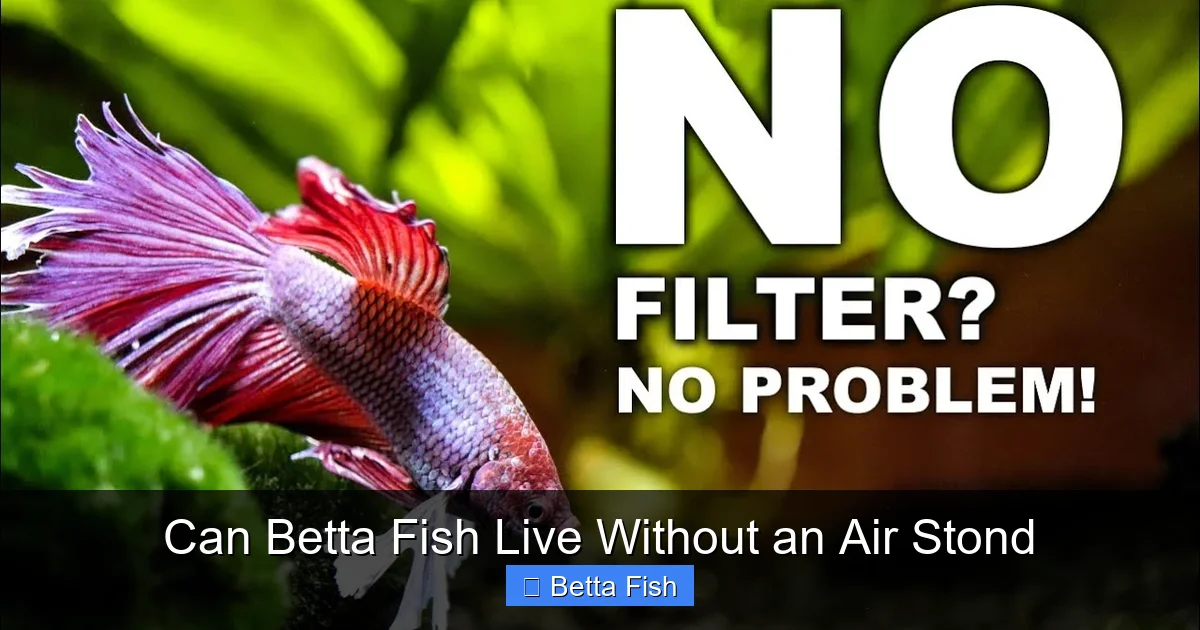
It is normal for bettas to swim to the surface occasionally to take a breath. That is what their labyrinth organ is for. However, if your betta is constantly at the surface, gasping repeatedly, or seems to be struggling to breathe, that is a warning sign. It means the dissolved oxygen levels in the water are too low, and your betta is relying entirely on atmospheric air.
Visual guide about Can Betta Fish Live Without an Air Stond
Image source: japanesefightingfish.org
Some surface breathing is fine. Constant gasping is not. Pay attention to your betta’s normal behavior so you can spot changes quickly.
Lethargy and Loss of Appetite
Low oxygen levels can make your betta sluggish and uninterested in food. If your normally active betta is sitting at the bottom of the tank, not moving much, and refusing to eat, poor water quality or low oxygen could be the culprit. Check your water parameters and consider whether adding some aeration might help.
Of course, lethargy and appetite loss can also be signs of illness or stress from other causes. Always check your water temperature, ammonia, nitrite, and nitrate levels when your betta seems unwell.
Rapid Gill Movement
Watch your betta’s gills. If they are moving very rapidly, as if the fish is breathing hard, it could be a sign of oxygen deprivation. Healthy bettas have a steady, calm gill movement. Rapid gill movement means the fish is working harder than normal to get enough oxygen from the water.
Alternatives to Air Stones for Betta Tanks
Sponge Filters
Sponge filters are one of the best options for betta tanks. They provide biological filtration, which is essential for breaking down harmful ammonia and nitrites. They also create gentle water movement and surface agitation, which helps with oxygenation. The best part is that sponge filters produce a very mild current that will not stress your betta.

Visual guide about Can Betta Fish Live Without an Air Stond
Image source: petshun.com
To use a sponge filter, you will need an air pump and some airline tubing. The air pump pushes air through the tube, which draws water through the sponge. The sponge traps debris and provides a surface area for beneficial bacteria to grow. It is a simple, effective, and betta-friendly filtration solution.
Adjustable Flow Filters
Hang-on-back filters and internal filters with adjustable flow rates are another good option. You can turn the flow down to a gentle trickle that provides filtration and surface agitation without creating a strong current. Some betta owners even modify their filters by adding a pre-filter sponge to the intake tube, which reduces flow and prevents the betta’s fins from getting sucked in.
Live Plants
Live aquarium plants are a natural way to add oxygen to your tank. During photosynthesis, plants absorb carbon dioxide and release oxygen into the water. Plants like java fern, anubias, and hornwort are great choices for betta tanks because they are easy to care for and do not require high lighting.
Plants also help absorb nitrates, which are the end product of the nitrogen cycle. This helps keep the water cleaner between water changes. Plus, bettas love having plants to hide in and rest on. It makes them feel safe and reduces stress.
How to Set Up an Air Stone in a Betta Tank
Choosing the Right Equipment
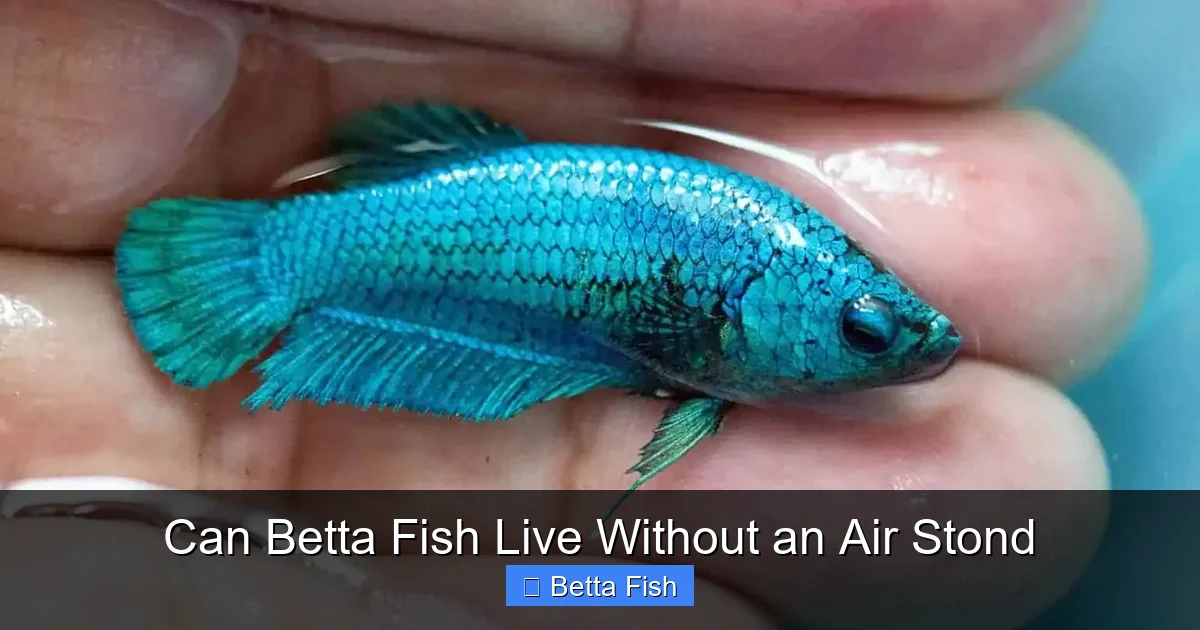
If you decide to add an air stone to your betta tank, choose a small, fine-bubble air stone. Large bubbles create more surface disturbance and stronger currents. Fine bubbles are gentler and still provide good surface agitation. You will also need an air pump that is appropriate for your tank size. For a betta tank, a small, quiet pump is ideal.
Visual guide about Can Betta Fish Live Without an Air Stond
Image source: bettasource.com
Look for an air pump with an adjustable flow rate. This lets you control how many bubbles are produced and how much water movement is created. You want just enough agitation to promote gas exchange without creating a current that stresses your betta.
Placement Tips
Place the air stone at one end of the tank, preferably in a corner. This creates a gentle flow across the surface without disturbing the entire tank. If your betta has a favorite resting spot, make sure it is away from the direct current created by the air stone. Bettas like to have calm areas where they can rest without fighting a current.
You can also use a control valve on the airline tubing to fine-tune the bubble rate. Start with a very low flow and observe your betta’s behavior. If the fish seems stressed or is being pushed around by the current, reduce the flow further. If the fish seems comfortable, you have found the right setting.
Common Mistakes to Avoid
Using Too Strong an Air Pump
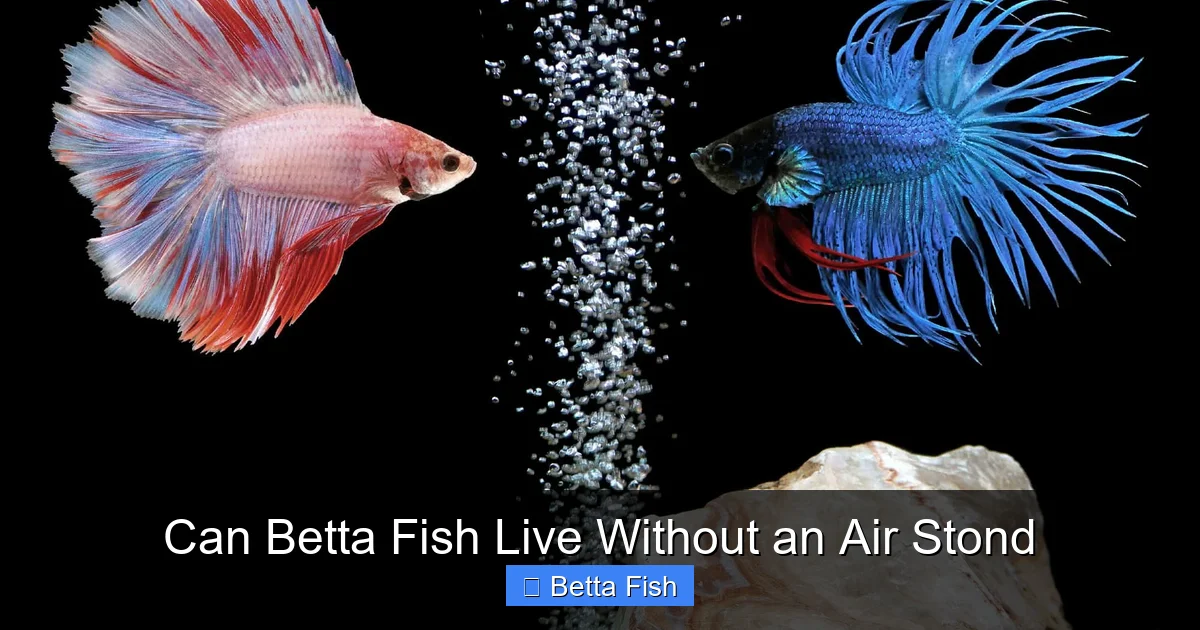
This is probably the most common mistake betta owners make when adding an air stone. A powerful air pump can turn your peaceful betta tank into a bubbling whirlpool. Bettas are not strong swimmers, especially those with long, flowing fins. A strong current can exhaust them, damage their fins, and cause chronic stress.
Visual guide about Can Betta Fish Live Without an Air Stond
Image source: aquariadise.com
Always start with the lowest possible flow and increase only if needed. Remember, the goal is gentle surface agitation, not a jacuzzi.
Thinking an Air Stone Replaces a Filter
An air stone adds oxygen to the water. It does not filter the water. It does not remove ammonia, nitrites, or nitrates. It does not trap debris. If you are relying on an air stone instead of a filter, your betta is living in dirty water. This will lead to health problems and a shortened lifespan.
Always use a proper filtration system in your betta tank. An air stone can be a helpful addition, but it is never a replacement for a filter.
Ignoring Water Changes
No amount of aeration can substitute for regular water changes. Waste products build up in the water over time, and the only way to remove them is by physically replacing old water with fresh, clean water. Even with an air stone and a filter, you should be doing partial water changes on a weekly basis.
For a 5-gallon tank, a 25 to 30 percent water change once a week is a good rule of thumb. For smaller tanks or bowls, you may need to do more frequent changes.
Frequently Asked Questions About Air Stones and Bettas
Can I use an air stone in a betta bowl?
Yes, you can use an air stone in a betta bowl, and it can actually be beneficial. Bowls typically have a small water volume and no filtration, so an air stone can help with surface agitation and gas exchange. Just make sure the air pump is set to a very low flow so it does not create too much current in the small space.
Will an air stone stress my betta?
It can if the flow is too strong. Bettas prefer calm water, and a powerful air stone can create currents that stress them out. Use a small air stone with an adjustable pump, and set it to the lowest effective flow. Watch your betta’s behavior. If it is hiding, clamping its fins, or being pushed around, the current is too strong.
Do I need an air stone if I have a filter?
In most cases, no. A good filter creates enough surface agitation to maintain healthy oxygen levels in the water. If your filter output disturbs the water surface, that is usually sufficient. You would only need an additional air stone if you notice signs of low oxygen, such as your betta gasping at the surface frequently.
Final Thoughts: Can Betta Fish Live Without an Air Stond?
So, can betta fish live without an air stond? Absolutely yes. Thanks to their remarkable labyrinth organ, bettas can breathe air directly from the atmosphere. They do not rely on dissolved oxygen in the water the way most other fish do. This makes them uniquely suited to survive in environments where other fish would struggle.
However, survival is not the same as thriving. While your betta can live without an air stone, providing the best possible environment will help it live a longer, healthier, and happier life. A properly sized tank of at least 5 gallons, a gentle filter, a heater to maintain warm temperatures, regular water changes, and a varied diet are all more important than an air stone.
If you do decide to add an air stone, make sure it is set up correctly with a gentle flow that will not stress your fish. And remember, an air stone is never a substitute for good filtration and regular maintenance. Your betta depends on you to provide clean, safe water. Give your betta the care it deserves, and it will reward you with its stunning colors and fascinating personality for years to come.
Frequently Asked Questions
Can betta fish live without an air stone?
Yes, betta fish can live without an air stone. They have a special organ called the labyrinth organ that allows them to breathe oxygen directly from the air at the water’s surface. This adaptation means they do not depend on dissolved oxygen in the water like most other fish.
Do betta fish need an air pump?
No, betta fish do not need an air pump to survive. Their labyrinth organ lets them breathe atmospheric air. However, an air pump with a gentle air stone can be helpful in unfiltered tanks or warm water environments where dissolved oxygen levels are low.
Is an air stone good for betta fish?
An air stone can be beneficial in certain situations, such as unfiltered bowls or during medication treatments. However, the flow must be very gentle because bettas prefer calm water and strong currents can cause stress and damage their delicate fins.
How do I know if my betta needs more oxygen?
Signs that your betta may need more oxygen include frequent gasping at the surface, rapid gill movement, lethargy, and loss of appetite. If you notice these behaviors, check your water quality and consider adding gentle aeration to the tank.
Can I use a filter instead of an air stone?
Yes, a filter is actually a better option than an air stone for most betta tanks. A filter cleans the water and creates surface agitation, which naturally oxygenates the water. A sponge filter is an excellent choice because it provides gentle filtration without strong currents.
What is the best tank setup for a betta fish?
The best tank setup for a betta includes a minimum of 5 gallons, a gentle filter like a sponge filter, a heater to maintain 76-82°F, live or silk plants for hiding spots, and regular weekly water changes. An air stone is optional and usually not necessary if you have a good filter.