Can Betta Fish Eat Fish Food
Betta fish can indeed eat certain types of fish food, but not all are suitable. Understanding the nutritional needs, preferred textures, and potential risks helps you choose the right diet and keep your finned friend thriving.
Key Takeaways
- Betta diet basics: Bettas are carnivorous and need protein‑rich foods.
- Fish food compatibility: High‑quality betta pellets and frozen/live foods are safe; most generic tropical flakes are not ideal.
- Portion control: Feed small amounts 2–3 times daily to avoid constipation and water quality issues.
- Watch for signs: Loss of color, ragged fins, or lethargy indicate a bad diet.
- Mix and match: A varied diet (pellets + live + frozen) mimics natural hunting behavior.
- Water quality matters: Uneaten food quickly pollutes small betta tanks.
- When in doubt, consult: Refer to reputable sources like “What Can Betta Fish Eat” for safe options.
Quick Answers to Common Questions
Can I feed my betta regular tropical flakes?
Only if they are marketed specifically for bettas and contain at least 45% protein. Standard community flakes are not suitable.
How often should I feed my betta?
Two to three small meals per day is ideal; adjust in cooler months.
Is frozen brine shrimp safe for bettas?
Yes, once thawed and rinsed. It provides excellent protein and mimics natural prey.
Can bettas eat goldfish food?
Generally no—goldfish food is too low in protein and high in carbs, which can harm bettas.
What signs show my betta dislikes its food?
Refusal to eat, bloating, faded colors, or ragged fins indicate a problem.
📑 Table of Contents
- Introduction: Why the Question Matters
- Understanding Betta Nutrition
- Can Betta Fish Eat Common Types of Fish Food?
- How to Choose the Right Fish Food for Your Betta
- Feeding Frequency and Portion Sizes
- Potential Risks of Feeding the Wrong Fish Food
- Practical Tips for Successful Feeding
- Conclusion: Feeding Your Betta the Right Way
Introduction: Why the Question Matters
If you’ve just set up a cozy 5‑gallon aquarium for a new betta, you’re probably scrolling through endless forums asking, “Can betta fish eat fish food?” The answer isn’t a simple yes or no because “fish food” covers a huge range of products—from cheap tropical flakes to premium live brine shrimp.
Getting the diet right is crucial. Bettas are native to shallow, warm waters of Thailand and Malaysia where they hunt insects and tiny crustaceans. In captivity, we must replicate that protein‑rich menu as closely as possible. Feeding the wrong type of fish food can lead to poor coloration, fin rot, or even death.
Understanding Betta Nutrition
Nature’s Menu
In the wild, bettas snack on:
- Fly larvae
- Water beetles
- Small crustaceans (brine shrimp, daphnia)
- Micro‑worms
All of these are high in protein (40‑60%) and low in carbs. That’s the baseline you want to hit with any captive diet.
What “Fish Food” Really Means
The term “fish food” is a blanket phrase. It can refer to:
- Standard tropical flakes (often 30‑35% protein)
- Pellets formulated for community tanks
- Specialty foods for carnivorous species
- Frozen or freeze‑dried options (bloodworms, brine shrimp)
- Live foods (mosquito larvae, daphnia)
Not every product fits a betta’s needs. Understanding the formulation helps you decide what’s safe.
Can Betta Fish Eat Common Types of Fish Food?
Standard Tropical Flakes
Most generic flakes are designed for omnivorous community fish. They contain a lot of plant material, which bettas can’t digest well. Feeding them exclusively will cause constipation and dull colors.

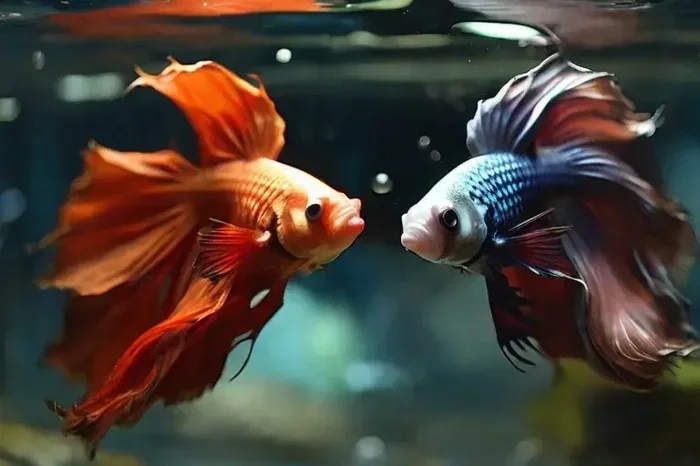
Visual guide about Can Betta Fish Eat Fish Food
Image source: mir-s3-cdn-cf.behance.net
That said, a high‑protein betta‑specific flake (often labeled “Betta Formula”) can be acceptable if the protein content is ≥ 45%.
Betta Pellets
Pellets made for bettas are the gold standard. They’re small, sink slowly, and have the right protein‑to‑fat ratio. Look for brands that list “bloodworm” or “krill” as primary ingredients.
Frozen and Freeze‑Dried Foods
These are excellent supplements. Freeze‑dried bloodworms, brine shrimp, and daphnia retain most of their nutritional value and are easy to store. Thaw or rinse them before feeding to avoid clouding the water.
Live Foods
Live foods trigger a betta’s natural hunting instincts. Mosquito larvae, daphnia, and live brine shrimp are all safe. Just be sure the source is clean to avoid introducing parasites.
Goldfish Food – A Common Mistake
Goldfish pellets are high in carbohydrates and low in protein, making them a poor choice for bettas. If you’re tempted, read our guide on Can Betta Fish Eat Goldfish Food for a detailed explanation.
How to Choose the Right Fish Food for Your Betta
Read the Label
Key things to look for:

Visual guide about Can Betta Fish Eat Fish Food
Image source: c.pxhere.com
- Protein ≥ 45% (preferably 50%+)
- Live or frozen supplement options
- No artificial colorants or fillers
Test a Small Amount First
Introduce a new food in a tiny portion. Watch your betta for 24‑48 hours. If it eats eagerly and shows no digestive upset, the food is likely safe.
Mixing Foods for Variety
Offer a rotation:
- Morning: 2‑3 pellets
- Afternoon: A pinch of freeze‑dried bloodworms (rehydrated)
- Evening: A few live brine shrimp (once a week)
This mimics natural feeding patterns and keeps your betta interested.
Feeding Frequency and Portion Sizes
How Much to Feed
A betta’s stomach is about the size of its eye. Over‑feeding is a common mistake. A good rule of thumb:
- 2–3 small pellets per feeding, 2–3 times a day
- Or the equivalent size of a pea for frozen/live foods
Why Small, Frequent Meals?
Bettas have fast metabolisms and thrive on multiple small meals. This reduces the risk of bloating and keeps water quality higher because uneaten food is cleared quickly.
Potential Risks of Feeding the Wrong Fish Food
Digestive Issues
Low‑protein or high‑fiber foods can cause constipation, leading to a “bloated” appearance and even fatal swim‑bladder problems.
Water Quality Problems
Uneaten flakes decompose fast, raising ammonia and nitrite levels. In a small betta tank, this can become toxic within hours.
Health Decline
Insufficient protein leads to faded colors, ragged fins, and a weakened immune system. In severe cases, the betta may develop fin rot or become susceptible to parasites.
Practical Tips for Successful Feeding
Use a Feeding Cup
Drop food into a small cup first. This lets you control the amount and prevents it from sinking into filter media.
Monitor Water Parameters
Test ammonia, nitrite, and nitrate weekly. A spike after feeding indicates you’re over‑feeding or using the wrong food.
Seasonal Adjustments
During cooler months, bettas eat less. Reduce feedings to once a day or every other day to avoid waste.
When to Fast
If your betta looks bloated or isn’t moving, skip a feeding day. A short fast can help clear its digestive tract.
Conclusion: Feeding Your Betta the Right Way
So, can betta fish eat fish food? Yes—provided the food is high‑protein, low‑carb, and appropriate for a carnivorous species. Stick to betta‑specific pellets, supplement with frozen or live foods, and avoid generic tropical flakes or goldfish pellets. By watching portion sizes, feeding frequency, and water quality, you’ll enjoy a vibrant, healthy betta that flashes its colors proudly.
For more ideas on safe foods, check out our article on What Can Betta Fish Eat. A well‑fed betta is a happy betta, and a happy betta makes any aquarium shine.
Frequently Asked Questions
Can betta fish eat fish food that is not specifically for bettas?
Only if the food meets the high‑protein requirements of bettas. Most generic fish foods are unsuitable.
What is the best type of fish food for a betta?
High‑quality betta pellets combined with occasional frozen or live foods provide a balanced diet.
How can I tell if a fish food is safe for my betta?
Check the ingredient list for animal proteins (bloodworm, krill) and ensure protein content is 45% or higher.
Will feeding the wrong fish food affect my betta’s colors?
Yes, a poor diet can cause dull, faded colors and weak fins.
Can I mix different brands of fish food for my betta?
Mixing is fine as long as each product meets the nutritional standards for bettas.
Is it okay to give my betta food meant for other tropical fish?
Only if the other food is specifically formulated for carnivorous tropical fish and has adequate protein levels.