Can Betta Fish Die Cold Water

Betta fish are tropical creatures that thrive in warm water, and exposing them to cold water can be deadly. Understanding the risks, recognizing symptoms, and maintaining proper temperature are essential for a healthy, happy betta.
Key Takeaways
- Ideal temperature range: 76‑82°F (24‑28°C) keeps bettas healthy and active.
- Cold shock kills: Sudden drops below 70°F can cause shock, organ failure, and death.
- Watch for signs: Lethargy, loss of color, ragged fins, and gasping indicate temperature stress.
- Use heaters and thermostats: Reliable equipment maintains stable water temperature.
- Seasonal care: Protect bettas from drafts, room‑temperature drops, and cold water changes.
- Water quality matters too: Proper conditioning and regular changes prevent additional stress.
- Quick fixes: Portable heaters, insulated tanks, and warm water baths can rescue a stressed betta.
📑 Table of Contents
- Introduction: Why Temperature Is the Heartbeat of a Betta
- 1. The Science Behind Cold‑Water Stress
- 2. Recognizing the Warning Signs
- 3. Setting Up the Perfect Temperature Environment
- 4. Safe Water Changes in Cold Climates
- 5. Emergency Rescue: Warm Water Baths
- 6. Maintaining Overall Water Quality
- Conclusion: Keep the Heat On for a Happy Betta
Introduction: Why Temperature Is the Heartbeat of a Betta
Imagine walking into a chilly bathroom and seeing a tiny, colorful fish shivering on the surface of its tank. That’s the reality when a betta fish is exposed to cold water. Betta fish, also called Siamese fighting fish, come from the warm, slow‑moving waters of Southeast Asia. Their bodies are built for heat, not for the bite of a draft or the shock of a cold tap.
In this article we’ll answer the pressing question “can betta fish die cold water?” and then dive deep into the science, the symptoms, and the practical steps you can take to keep your betta comfortable all year round. Think of this guide as a friendly chat over a cup of tea, with plenty of easy‑to‑follow tips you can start using today.
1. The Science Behind Cold‑Water Stress
How bettas regulate temperature
Betta fish are ectothermic, meaning their body temperature matches the water they live in. Unlike mammals, they cannot generate internal heat. In their native habitats, water stays between 76°F and 82°F (24‑28°C) all year. Their enzymes, metabolism, and immune system are tuned to that range.
Visual guide about Can Betta Fish Die Cold Water
Image source: howtodraweasy.net
What happens when water gets cold?
When the temperature drops, several things go wrong:
- Metabolic slowdown: Digestion and oxygen use become sluggish, leading to waste buildup.
- Immune suppression: The fish becomes vulnerable to bacterial and fungal infections.
- Cold shock: A rapid temperature change can cause the heart to beat irregularly, sometimes stopping altogether.
Because of these factors, the answer to “can betta fish die cold water?” is a resounding yes—if the water is too cold for too long.
2. Recognizing the Warning Signs
Behavioral clues
Betta owners quickly learn to read their fish’s body language. In cold water, look for:

Visual guide about Can Betta Fish Die Cold Water
Image source: thecityceleb.com
- Lethargic swimming or staying at the bottom.
- Loss of the bright, iridescent colors that make bettas famous.
- Fins that appear ragged, frayed, or clamped close to the body.
- Frequent gulping at the surface, indicating a need for oxygen.
Physical symptoms
Physical changes can be subtle at first but become obvious as stress continues:
- Swollen abdomen from poor digestion.
- White spots or fuzzy growths—signs of fungal infection.
- Rapid breathing, sometimes called “gasping” at the water line.
When to act
If you notice any of these signs, act within minutes. Cold stress can progress to organ failure in under an hour for some bettas.
3. Setting Up the Perfect Temperature Environment
Choosing the right heater
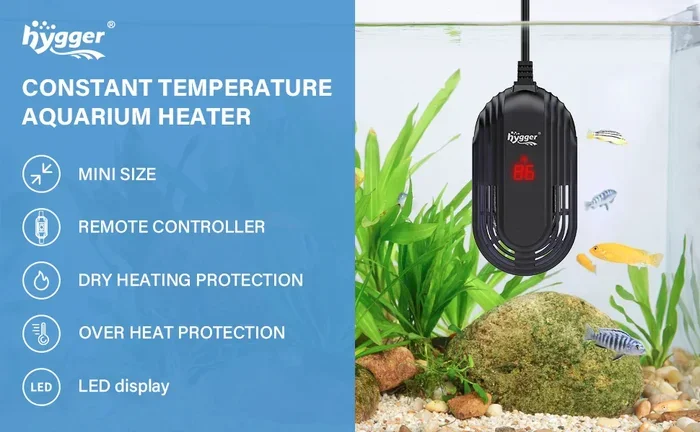
A submersible aquarium heater with a built‑in thermostat is the gold standard. Look for a model that can heat at least 2‑3 gallons of water and has an adjustable range of 68‑86°F. Avoid “plug‑and‑play” heaters without temperature control—they can overshoot and cause burns.

Visual guide about Can Betta Fish Die Cold Water
Image source: wallpapers.com
Thermostat and monitoring
Even the best heater can drift. Use a separate digital thermometer or a stick‑on strip thermometer to double‑check the water temperature twice a day. Place the thermometer near the surface where temperature gradients are most noticeable.
Insulating the tank
Simple tricks keep heat from escaping:
- Wrap the tank in a foam or neoprene sleeve.
- Place the aquarium on a stable, non‑cold surface (avoid windowsills).
- Use a tank lid to block drafts.
Seasonal adjustments
In winter, indoor heating can cause the room temperature to fluctuate dramatically. Keep the tank away from heating vents and radiators, which can create hot spots. In summer, a small fan can prevent overheating, but always maintain the 76‑82°F sweet spot.
4. Safe Water Changes in Cold Climates
Why cold tap water is risky
Most municipal water comes out at room temperature or colder, especially in winter. Adding cold tap water directly to the tank can cause an instant temperature drop, triggering the same shock that can kill a betta.
Gradual temperature matching
Always bring replacement water to the same temperature as the tank water before you add it. Here’s a quick method:
- Fill a clean bucket with tap water.
- Place the bucket in the heated room for at least 30 minutes, or use a submersible heater in the bucket to bring it to 78°F.
- Test the temperature with a thermometer, then slowly pour the water into the tank.
Internal linking example
For more details on water source options, see our guide on what water to use for betta fish. It explains the pros and cons of tap, distilled, and filtered water, helping you make the safest choice for temperature stability.
5. Emergency Rescue: Warm Water Baths
When a betta is already in distress
If your betta is gasping or appears lethargic, a quick warm water bath can buy time. Fill a small container (like a clean fish bowl) with water heated to 80°F (27°C). Gently transfer the betta using a soft net, and let it swim for 5‑10 minutes. This can revive a fish that’s suffered mild cold shock.
Step‑by‑step rescue
- Turn off the tank heater to avoid overheating the rescue water.
- Use a thermometer to confirm the rescue water is 80°F.
- Place the betta in the warm water, monitoring for improvement.
- After 10 minutes, return the fish to the main tank, ensuring the tank temperature is stable.
Prevent future emergencies
Invest in a reliable heater, keep a spare heater on hand, and always have a thermometer nearby. A small preventive step can prevent a life‑threatening emergency.
6. Maintaining Overall Water Quality
Conditioners and additives
Even if the temperature is perfect, poor water quality can weaken a betta’s ability to cope with cold. Use a water conditioner to neutralize chlorine and chloramine. However, avoid over‑conditioning; too much can be harmful. Read our article on can too much water conditioner kill betta fish for safe dosing.
Regular water changes
Changing 25‑30% of the water weekly keeps nitrate levels low and supports a strong immune system. Always match the temperature of the new water to the tank, as described earlier.
Filtration basics
A gentle sponge filter provides biological filtration without creating strong currents that stress bettas. Keep the filter’s flow low and positioned near the tank’s surface to aid oxygenation.
Conclusion: Keep the Heat On for a Happy Betta
Can betta fish die cold water? Absolutely—if you let the temperature slip below their comfort zone. By understanding the science, watching for warning signs, and using reliable heating and water‑change practices, you can protect your betta from the silent threat of cold shock. Treat temperature control as a daily habit, not a set‑and‑forget task, and your betta will reward you with vibrant colors, playful flares, and a long, healthy life.
Frequently Asked Questions
Can betta fish survive a brief drop in temperature?
A short, gradual drop of a few degrees may be tolerated, but sudden shocks below 70°F can be fatal. Always aim for a stable 76‑82°F range.
What is the safest water source for a betta?
Conditioned tap water that has been heated to match tank temperature is usually best. Learn more at what water to use for betta fish.
Do I need a heater for a small betta tank?
Yes. Even a 2‑gallon tank loses heat quickly, especially in cooler rooms. A submersible heater with a thermostat is essential.
How quickly can cold water kill a betta?
In severe cases, organ failure can occur within an hour. Early signs include lethargy and loss of color.
Can I use a heated blanket under the tank?
A heated blanket can help, but it should be used with a thermostat to avoid overheating. Combine it with a proper aquarium heater for best results.
What should I do if my betta shows signs of cold stress?
Raise the water temperature slowly, give a warm water bath of 80°F for 5‑10 minutes, and monitor for improvement. If symptoms persist, check water quality and consider a vet visit.