Can Betta Fish Commit Suicide

Betta fish don’t have the mental capacity to plan suicide, but stress, poor water, and illness can make them act in ways that look like self‑destructive behavior. Understanding their needs, spotting warning signs, and providing proper care will keep your finned friend happy and healthy.
Key Takeaways
- Betta fish lack consciousness of self‑harm: They cannot intend to end their own lives.
- Stress is the main culprit: Bad water, overcrowding, and improper diet can cause fatal mistakes.
- Watch for “suicidal” signs: Sudden floating, loss of color, or frantic fin‑flaring often signal illness.
- Prevention is simple: Clean water, proper tank size, and a balanced diet keep bettas thriving.
- Quick action saves lives: Early treatment of disease or water issues stops the downward spiral.
- Ask the experts: When in doubt, consult a vet or experienced hobbyist.
- Enjoy the journey: A well‑cared‑for betta will display vibrant colors and playful behavior for years.
📑 Table of Contents
Introduction: Why the Question Even Comes Up
Anyone who has ever kept a betta fish knows how dramatic they can be. One moment they’re flaring their gorgeous fins, the next they’re lying motionless at the surface. It’s easy to anthropomorphize and wonder, “Did my betta just give up?” The short answer is no—betta fish don’t possess the cognitive ability to plan suicide. But they do react strongly to poor conditions, and those reactions can look heartbreaking.
This article walks you through the science behind fish behavior, the real reasons a betta might seem to “give up,” and practical steps you can take to keep your pet thriving. By the end, you’ll feel confident that you’re giving your betta the best possible life, and you’ll know exactly what to do if something goes wrong.
1. Understanding Betta Cognition
What a Betta Can and Cannot Think
Betta fish (Betta splendens) are intelligent for a small freshwater species, but their brains are geared toward survival instincts—finding food, defending territory, and reproducing. They lack the complex prefrontal cortex that mammals use for self‑reflection or planning. In other words, a betta cannot conceive of “ending its own life.”

Visual guide about Can Betta Fish Commit Suicide
Image source: whbydcc.com
Instinctual Responses vs. “Suicidal” Behavior
When a betta encounters a threat—like low oxygen, toxic ammonia, or a sudden temperature spike—its instinct is to flee or hide. If the threat is overwhelming, the fish may become exhausted, lose its buoyancy, and simply die. To an observer, this can appear as if the fish chose to stop moving, but it’s really a physiological failure.
2. Common Stressors That Lead to Fatal Mistakes
Poor Water Quality
Betta fish are especially sensitive to ammonia and nitrite spikes. Even a small amount of untreated waste can cause gill damage, making breathing difficult. A betta that can’t get enough oxygen may float upside‑down or crash to the bottom—behaviors often mistaken for “suicidal” attempts.

Visual guide about Can Betta Fish Commit Suicide
Image source: c.pxhere.com
Inadequate Tank Size
Many beginners keep bettas in tiny bowls. While a betta can survive in a 2‑gallon container, it’s far from ideal. Crowded spaces limit swimming, increase waste concentration, and heighten stress hormones. A cramped environment can push a betta to the brink of collapse.
Improper Diet
Betas need high‑protein foods, such as specialized pellets, frozen daphnia, or bloodworms. Over‑feeding or feeding only low‑nutrient flakes can lead to malnutrition, weakened immune systems, and a higher chance of disease. For a full list of suitable foods, see What Can Betta Fish Eat.
Incompatible Tank Mates
Betas are territorial, especially males. Adding aggressive or fin‑nipping species can cause chronic stress. If you’re considering a community tank, read up on safe companions first. A helpful guide is What Other Fish Can Live With Betta Fish.
3. Recognizing Warning Signs
Physical Indicators
- Floaters: A betta that suddenly floats at the surface may be suffering from swim bladder issues or low oxygen.
- Loss of Color: Dull or faded fins often signal stress or disease.
- Fin Damage: Torn or ragged fins can indicate aggression from tank mates or poor water.
Behavioral Red Flags
- Constant Hiding: Hiding under decorations for long periods suggests fear.
- Rapid, Erratic Swimming: This can be a sign of ammonia poisoning or a parasite.
- Refusal to Eat: Loss of appetite is an early sign of illness.
4. How to Prevent “Suicidal” Appearances
Set Up a Proper Habitat
Start with at least a 5‑gallon tank equipped with a gentle filter, a heater set to 78‑80°F (25‑27°C), and live or silk plants for cover. Avoid sharp décor that can tear delicate fins.

Visual guide about Can Betta Fish Commit Suicide
Image source: d10j3mvrs1suex.cloudfront.net
Maintain Water Quality
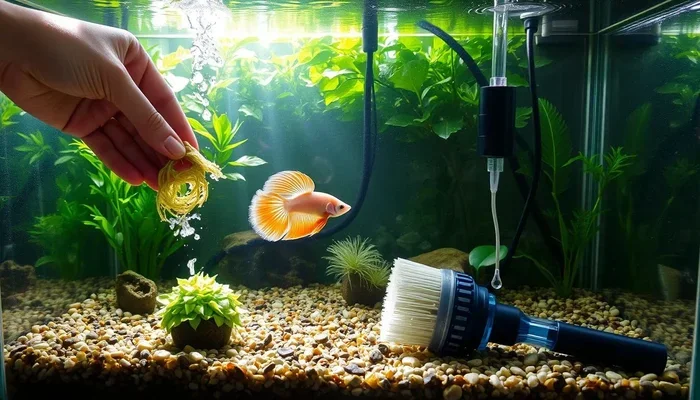
Test the water weekly for ammonia, nitrite, nitrate, and pH. Perform 25‑30% water changes every few days until parameters are stable, then shift to weekly changes. Using a water conditioner removes chlorine and chloramines.
Feed a Balanced Diet
Offer high‑quality betta pellets once or twice daily, supplemented with occasional frozen or live foods. Remove any uneaten food within two minutes to prevent waste buildup.
Provide Enrichment
Betas love exploring. Add floating logs, caves, and gentle currents to stimulate natural hunting behavior. Enrichment reduces boredom‑related stress.
Regular Health Checks
Inspect your betta’s fins, eyes, and gills weekly. If you notice any of the warning signs above, act quickly—test water, adjust temperature, and consider a dip in a hospital tank with a mild antibacterial treatment.
5. What To Do If You Suspect a Problem
Immediate Steps
- Test the water. If ammonia or nitrite is present, perform an emergency 50% water change.
- Check temperature. Adjust the heater if it’s out of range.
- Observe behavior for 10‑15 minutes. Note any abnormal swimming or breathing.
When to Seek Professional Help
If the betta shows signs of fin rot, velvet, or internal parasites, a visit to an aquatic veterinarian is advisable. Early treatment greatly improves survival odds.
Case Study: A “Suicidal” Betta Turned Around
Emily kept a male betta in a 2‑gallon bowl with no filter. After two weeks, the fish stopped eating and floated upside‑down. She tested the water and found ammonia at 2 ppm. Emily performed a 75% water change, moved the betta to a 5‑gallon filtered tank, and added a heater. Within three days, the betta regained color and began eating again. The “suicide” was actually a classic case of ammonia poisoning.
Conclusion: Compassion Over Guilt
Betta fish cannot commit suicide in the human sense, but they can fall victim to preventable mistakes that mimic self‑destructive behavior. By providing clean water, adequate space, proper nutrition, and a stress‑free environment, you give your betta the best chance to live a long, vibrant life. Remember, a healthy betta is a happy betta—so keep a watchful eye, act fast when problems arise, and enjoy the colorful personality of one of the most fascinating freshwater fish.
Frequently Asked Questions
Can betta fish intentionally harm themselves?
No. Betta fish lack the cognitive ability to plan self‑harm. What looks like “suicidal” behavior is usually a response to stress, illness, or poor water conditions.
What are the most common reasons a betta might die suddenly?
Ammonia or nitrite spikes, severe temperature fluctuations, inadequate tank size, and a poor diet are the top culprits behind sudden betta deaths.
How can I tell if my betta is stressed?
Signs of stress include faded colors, frantic fin flaring, constant hiding, loss of appetite, and abnormal swimming patterns such as floating upside‑down.
Is it safe to keep bettas with other fish?
Some peaceful, non‑fin‑nipping species can coexist with bettas, but you must choose compatible tank mates and provide plenty of hiding places. See What Other Fish Can Live With Betta Fish for details.
Do bettas need a heater?
Yes. Betta fish are tropical and thrive at 78‑80°F (25‑27°C). A reliable heater prevents temperature stress that can lead to illness.
What should I do if my betta is floating at the surface?
Test the water for ammonia and nitrite, perform a partial water change, and check the temperature. If the problem persists, consider a swim bladder treatment and consult a vet.