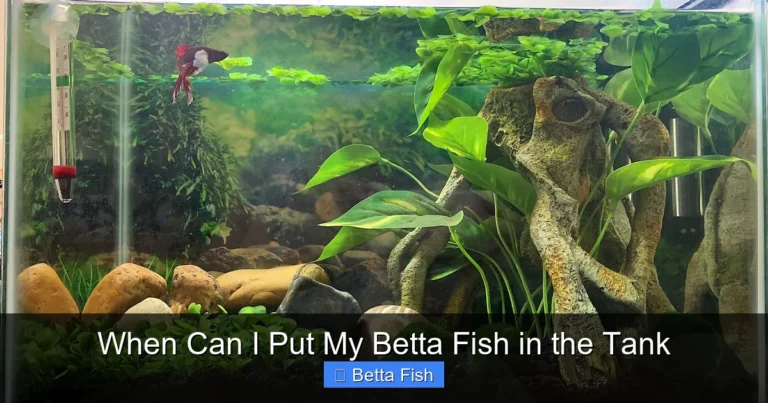
Can Betta Fish Color Change

Betta fish can indeed change color, but it’s not magic—it’s a response to stress, health, age, and environment. Understanding these triggers helps you keep your finned friend looking spectacular and healthy.
Key Takeaways
- Color change is normal: Betta fish often shift hues due to mood, health, or breeding cycles.
- Stress triggers fading: Poor water, aggressive tankmates, or sudden temperature changes can cause dull colors.
- Nutrition matters: A diet rich in carotenoids and proteins supports bright, lasting pigments.
- Age influences shade: Young bettas are vivid; older fish may naturally lose intensity.
- Lighting plays a role: Proper aquarium lighting enhances color, while darkness can make fish appear pale.
- Genetics set the stage: Some varieties are predisposed to dramatic color shifts.
- Regular care prevents problems: Clean water, proper temperature, and a balanced diet keep colors stable.
📑 Table of Contents
Introduction: Why the Question Pops Up
If you’ve ever watched a betta flare its fins and noticed a sudden flash of blue turning to green, you’ve probably wondered, “Can betta fish color change?” The short answer is yes, but the story behind the shift is a mix of biology, environment, and a dash of personality.
Betta fish (Betta splendens) are famous for their dazzling displays, yet many owners are surprised when the colors fade or morph. Knowing the why helps you react correctly—whether that means tweaking tank conditions or simply enjoying a natural transformation.
1. The Science of Betta Pigmentation
Chromatophores: The Tiny Color Factories
Betta skin contains three main types of pigment cells called chromatophores:

Visual guide about Can Betta Fish Color Change
Image source: down-id.img.susercontent.com
- Xanthophores – produce yellow and orange tones.
- Iridophores – reflect light, creating blues, greens, and metallic sheens.
- Erythrophores – give reds and pinks.
When a betta’s body temperature, hormone levels, or stress hormones shift, these cells can expand or contract, changing the fish’s visible color.
Genetics Sets the Palette
Selective breeding has produced countless color morphs—solid reds, marbled blues, and even “deltapointed” patterns. A betta’s genetic blueprint determines the maximum potential brightness, but environmental factors decide how much of that potential is shown.
2. Common Triggers for Color Change
Stress and Environmental Shock
Stress is the biggest culprit behind sudden fading. Over‑crowding, aggressive tank mates, or a sudden temperature swing (even a few degrees) can cause a betta to lose its vibrancy. If you notice a rapid dulling, check water parameters and temperature first.
Visual guide about Can Betta Fish Color Change
Image source: snaplace.jp
Health Issues
Illness often shows up as color loss. Parasites, bacterial infections, or fin rot can make a fish look pale or blotchy. In such cases, the color change is a warning sign, not a decorative effect.
Breeding and Hormonal Changes
During the breeding season, male bettas may develop brighter colors to attract females. Conversely, females often become more muted when ready to spawn. Hormonal spikes can also cause temporary flashes of new shades.
Age and Maturity
Juvenile bettas usually display the most intense colors. As they age, pigment cells naturally lose some of their ability to reflect light, leading to a softer palette. This is normal and not a cause for alarm.
Lighting and Diet
Bright, full‑spectrum lighting encourages pigment expression. Dim lighting can make even the most colorful betta look washed out. Likewise, a diet lacking in carotenoids (found in brine shrimp, daphnia, and high‑quality pellets) can dull reds and oranges.
3. How to Encourage Stable, Vibrant Colors
Maintain Perfect Water Quality
Clean, stable water is the foundation. Aim for 76‑80°F (24‑27°C) and a pH of 6.5‑7.5. Change 25‑30% of the water weekly, and use a gentle filter to keep ammonia and nitrite at zero. For a step‑by‑step guide, see our article on how often change betta fish water.

Visual guide about Can Betta Fish Color Change
Image source: i.ytimg.com
Provide Consistent, Full‑Spectrum Lighting
LED fixtures designed for tropical fish work best. Keep the light on for 8‑10 hours a day to mimic a natural day‑night cycle. Too much light can stress the fish, so avoid constant illumination.
Feed a Color‑Boosting Diet
- High‑quality betta pellets (look for “color‑enhancing” on the label).
- Live or frozen foods like brine shrimp, daphnia, and bloodworms.
- Occasional treats of finely chopped earthworms for extra protein.
These foods supply the carotenoids and amino acids needed for vivid reds and oranges.
Reduce Stress Triggers
Keep the tank to a single male betta or a carefully planned community setup. If you want companions, research peaceful tank mates—see our guide on what fish can I put with my betta. Avoid sudden temperature changes and loud vibrations near the tank.
Regular Health Checks
Inspect your betta daily for signs of disease: torn fins, white spots, or abnormal swimming. Early detection prevents a color fade that could become permanent.
4. When Color Change Signals a Problem
Sudden, Drastic Fading
If a bright betta becomes almost white within hours, suspect a spike in ammonia or a severe illness. Test water immediately and quarantine the fish if needed.
Patchy or Spotty Coloration
Irregular spots can indicate fungal growth or a parasite infestation. Treat with appropriate medication and improve water conditions.
Loss of Iridescence
When the metallic sheen disappears, it often points to low lighting or a nutrient deficiency. Adjust lighting and add a carotenoid‑rich treat for a few weeks.
5. Frequently Asked Questions About Betta Color Shifts
Below are quick answers to the most common queries from betta owners.
Do bettas change color as they age?
Yes. Young bettas are usually brighter; older fish may lose intensity, especially in reds and blues.
Can a betta’s color change during breeding?
Male bettas often brighten to attract females, while females may become duller when ready to spawn.
Is it normal for a betta to turn pale after a fight?
Stress from fighting can cause temporary fading. Once the fish calms down and water conditions are stable, colors usually rebound.
Can lighting alone make a betta’s colors fade?
Insufficient lighting can reduce iridescence, but it rarely causes a complete loss of color. Combine good lighting with proper diet for best results.
Will a betta regain its original color after recovery?
If the underlying issue (stress, disease, poor diet) is resolved, most bettas will gradually restore their former hues.
Do female bettas change color as much as males?
Females generally show less dramatic changes, but they can still become slightly brighter during courtship.
Conclusion: Embrace the Colorful Journey
Understanding can betta fish color change helps you become a better caretaker. Color shifts are often a window into your fish’s health, mood, and environment. By providing clean water, proper lighting, a nutritious diet, and a stress‑free habitat, you give your betta the best chance to flaunt its natural brilliance.
Remember, a little fading isn’t always a disaster—it can be a normal part of growth or a seasonal display. Keep an eye on the signs, act quickly if something seems off, and enjoy the ever‑changing rainbow that makes bettas such beloved companions.
Frequently Asked Questions
Why does my betta turn pale when I clean the tank?
Cleaning can cause a temporary spike in stress hormones, making the fish appear lighter. Once the water stabilizes, the color usually returns.
Can water temperature affect my betta’s color?
Yes. Temperatures below 76°F can cause dullness, while a stable range of 78‑80°F helps maintain vibrancy.
Is it safe to use a heater with a colored LED light?
Absolutely—just ensure the heater maintains a consistent temperature and the LED provides full‑spectrum light without overheating the water.
Do bettas lose color when they are sick?
Illness often leads to fading or blotchy patches. Check water quality and look for other signs of disease.
Can I prevent my betta from changing color entirely?
No. Color change is a natural response. The goal is to keep it healthy and vibrant, not to stop the natural variations.
Should I separate a betta that’s constantly changing color?
Only if the change is due to aggression or stress from tank mates. Otherwise, monitor water conditions and health before making any moves.