Betta fish can coexist happily with pothos plants when you provide proper water conditions and prevent leaf decay. By using the plant’s natural filtration and keeping the tank clean, you create a beautiful, low‑maintenance habitat for your finned friend.
Key Takeaways
- Safe pairing: Pothos is a non‑toxic, floating plant that bettas often enjoy.
- Water quality matters: Decaying leaves can harm bettas, so trim regularly.
- Natural filtration: Pothos roots absorb nitrates, helping keep the tank stable.
- Tank size: A 5‑gal minimum provides enough space for both betta and plant.
- Companion options: Small, peaceful shrimp or snails complement the setup.
- Lighting: Low to moderate light prevents algae while supporting pothos growth.
- Monitoring: Watch for signs of stress in your betta and act quickly.
📑 Table of Contents
Introduction: A Betta’s Dream Home
If you’ve ever watched a betta fish glide through a lush aquarium, you know how much personality those tiny fins can bring to a room. Many hobbyists wonder whether a popular houseplant, the pothos (Epipremnum aureum), can share that space. The answer is a qualified “yes,” but there are a few important details to keep in mind.
In this guide we’ll explore why pothos is often chosen for betta tanks, the potential pitfalls, and step‑by‑step tips to set up a thriving, plant‑rich environment. By the end, you’ll feel confident creating a beautiful, low‑maintenance aquarium that both you and your betta will love.
What Makes Pothos a Popular Choice?
Easy to Grow
Pothos is a hardy vine that tolerates a wide range of water conditions. It can thrive in low light, making it perfect for the modest lighting most betta tanks receive.
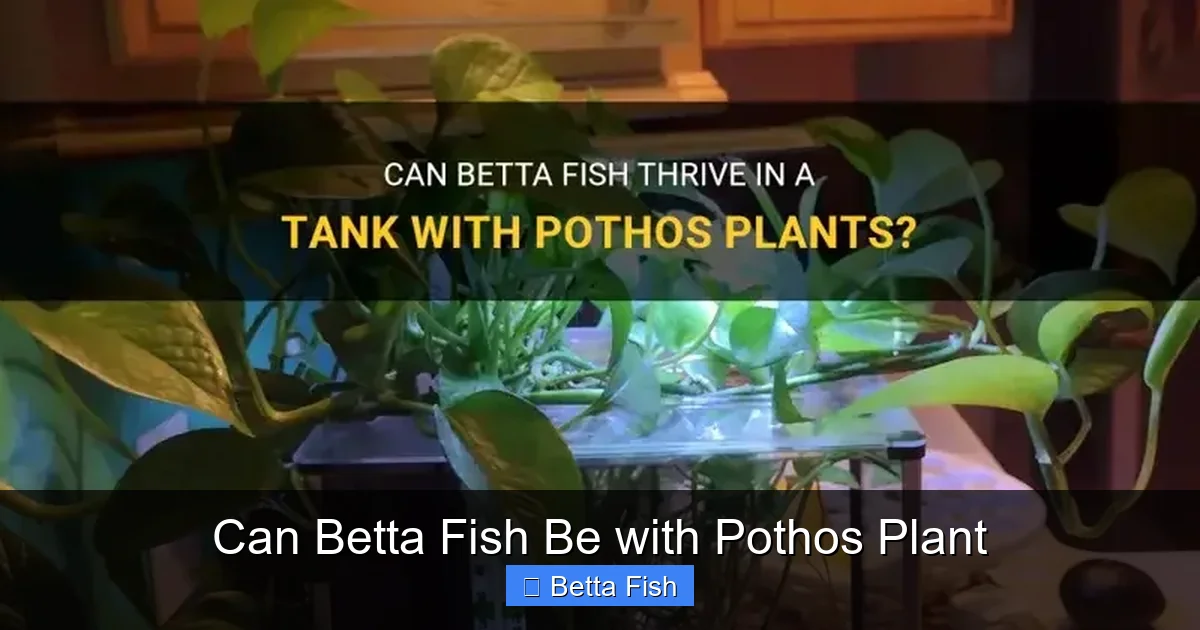
Visual guide about Can Betta Fish Be with Pothos Plant
Image source: petshun.com
Natural Filtration
The plant’s roots absorb nitrates and other waste products, acting like a living filter. This helps maintain stable water parameters, which is crucial for betta health.
Non‑Toxic to Fish
Unlike some aquarium plants that release harmful chemicals, pothos is considered safe for fish. However, the leaves must stay fresh; rotting foliage can release tannins and ammonia that irritate a betta’s delicate gills.
Setting Up the Tank
Choosing the Right Size
A minimum of 5 gallons gives your betta enough room to swim and provides space for the plant’s roots. Larger tanks dilute waste faster and make maintenance easier.
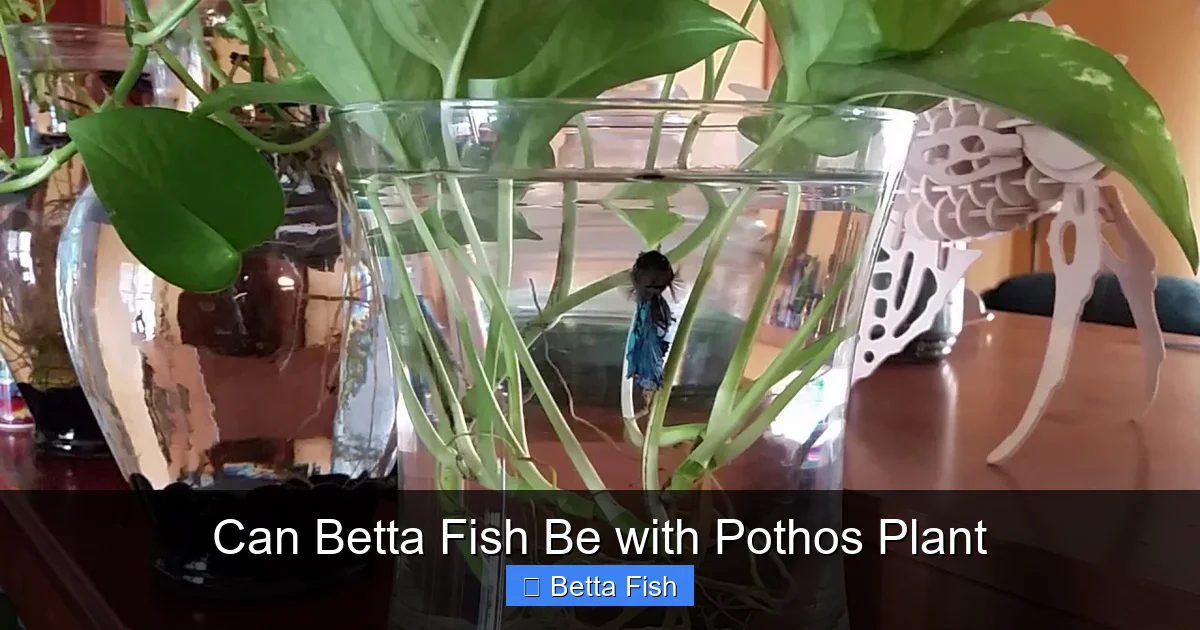
Visual guide about Can Betta Fish Be with Pothos Plant
Image source: i.ytimg.com
Substrate and Planting
Use a fine sand or smooth gravel substrate. Plant the pothos cuttings in a small pot filled with aquarium‑safe soil, then bury the pot in the substrate. The roots will eventually grow down into the water, creating a natural filtration zone.
Lighting and Temperature
Provide 8‑10 hours of low to moderate light daily. Too much light encourages algae, which can cloud the water and stress the betta. Keep the water temperature between 76‑82°F (24‑28°C), the ideal range for most bettas.
Maintaining a Healthy Balance
Preventing Leaf Decay
Trim any yellow or browned leaves weekly. Fresh leaves not only look better but also prevent the release of tannins that can discolor the water and irritate your fish.
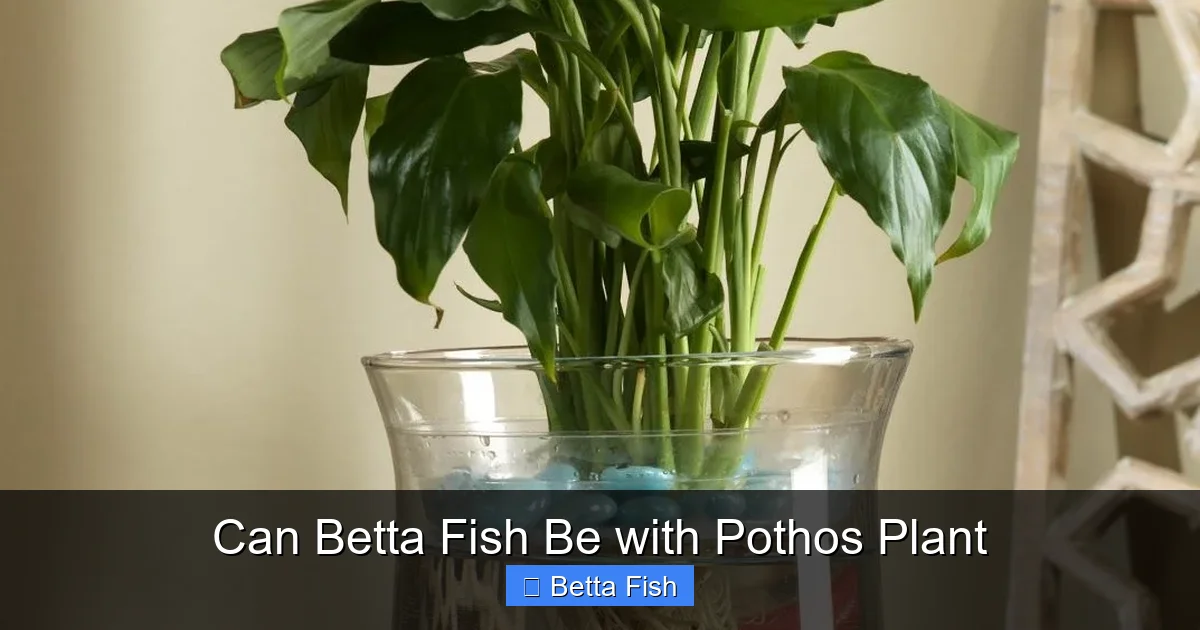
Visual guide about Can Betta Fish Be with Pothos Plant
Image source: i.pinimg.com
Water Changes
Even with pothos filtering the water, perform a 25‑30% water change every week. Use a water conditioner to remove chlorine and chloramines.
Monitoring Water Parameters
- Ammonia: 0 ppm
- Nitrite: 0 ppm
- Nitrate: below 20 ppm
- pH: 6.5‑7.5
Regular testing helps you catch problems before they affect your betta.
Companion Creatures: Who Gets Along?
Peaceful Invertebrates
Small shrimp like cherry shrimp or snails such as nerite snails are excellent tank mates. They help clean algae and waste without threatening the betta.
Other Fish
If you want additional fish, choose tiny, non‑aggressive species. For ideas, see our guide on Which Fish Can Be Kept With Betta. Avoid fin‑nipping species and keep the total fish count low to maintain water quality.
Why Not Goldfish?
Goldfish produce a lot of waste and require cooler water, making them unsuitable companions for bettas. Learn more in our article Can A Goldfish Live With A Betta Fish.
Common Problems and Solutions
Algae Overgrowth
Excess light or over‑feeding can cause algae to bloom. Reduce feeding portions, trim the pothos regularly, and consider adding a few algae‑eating snails.
Betta Stress
Signs include clamped fins, loss of color, or frequent hiding. Check water parameters, ensure the plant isn’t covering the entire tank, and provide plenty of hiding spots with decorations.
Leaf Drop
If many leaves fall into the water, increase the frequency of water changes and consider using a fine mesh net to remove debris quickly.
Conclusion: A Beautiful, Balanced Habitat
Pairing a betta fish with a pothos plant can create a stunning, low‑maintenance aquarium that benefits both the fish and the plant. By monitoring water quality, trimming foliage, and providing appropriate tank mates, you give your betta a safe, enriching environment. With a little care, the floating vines and vibrant fins will turn your tank into a living work of art.
Frequently Asked Questions
Is pothos toxic to betta fish?
No, pothos is considered non‑toxic for bettas, but rotting leaves can release substances that irritate their gills, so keep the plant healthy.
How often should I trim pothos leaves in a betta tank?
Trim any yellow or dead leaves weekly to prevent decay and maintain water clarity.
Can I use live pothos cuttings or should I use artificial plants?
Live cuttings are preferred because they provide natural filtration, but they require regular care. Artificial plants need no maintenance but offer no water‑cleaning benefits.
What size tank is best for a betta and pothos?
A minimum of 5 gallons is recommended to give the betta space to swim and the plant room to root.
Can I keep shrimp with a betta and pothos?
Yes, small shrimp like cherry shrimp are peaceful and can help clean algae, making them good companions.
Will the pothos plant grow too large for my tank?
Pothos can be trimmed to size. Regular pruning keeps it manageable and prevents it from covering the entire surface.

