Is Stress Bad for My Betta Fish
Yes, stress is bad for your betta fish and can lead to serious health problems if left unchecked. Stressed betta fish show clear signs like clamped fins, loss of appetite, and unusual swimming behavior. Understanding what causes stress and how to reduce it can significantly improve your betta fish health and lifespan.
Every betta fish owner wants their pet to thrive. But sometimes, our beautiful finned friends get stressed out. And when that happens, it affects everything from their appetite to their color. So, is stress bad for my betta fish? The short answer is yes. Very yes.
Stress in betta fish is more common than most people think. It can sneak up slowly or hit all at once. Either way, it takes a toll on your fish’s body and mind. A stressed betta fish is more likely to get sick, stop eating, and even die early. This guide breaks down everything you need to know about betta fish stress, from spotting the signs to fixing the problem.
By the end of this article, you will know exactly what triggers stress, how to spot it, and what steps to take. Let us dive in and make sure your betta is living its best life.
Key Takeaways
- Stress weakens your betta’s immune system, making it vulnerable to diseases and infections.
- Common stress causes include poor water quality, wrong temperature, aggressive tank mates, and small tanks.
- Recognizing stress signs early like clamped fins, hiding, or not eating can save your betta’s life.
- Simple fixes such as proper tank setup, stable water parameters, and a calm environment go a long way.
- Regular maintenance and monitoring help prevent stress and keep your betta fish happy and healthy.
- Stress can shorten your betta’s lifespan if chronic, so proactive care is essential.
- Creating a stress-free habitat is one of the best things you can do for your betta fish wellness.
📑 Table of Contents
Why Stress Is Harmful to Your Betta Fish
Stress is bad for my betta fish because it disrupts their natural body functions. Think of it like this. When you are stressed, your body releases hormones that prepare you for danger. Your heart races, your muscles tense up, and your immune system drops. Betta fish experience something very similar.
When a stressed fish releases stress hormones, its body goes into fight-or-flight mode. This is fine for short bursts. But when stress becomes constant, the damage builds up over time. Here is what happens inside a stressed betta fish:
- Weakened immune system makes it easier for bacteria, fungi, and parasites to attack.
- Loss of appetite leads to malnutrition and low energy.
- Clamped fins and dull color are outward signs of inner turmoil.
- Increased heart rate puts extra strain on the heart over time.
- Reduced healing ability means cuts and wounds take longer to recover.
Over time, chronic stress levels can seriously shorten your betta’s lifespan. A healthy betta can live 3 to 5 years. But a constantly stressed betta may not make it past one or two years. That is why understanding and preventing stress is so important for betta fish care.
The Science Behind Fish Stress
Fish have a cortisol response, just like humans do. Cortisol is the stress hormone. When your betta faces a threat, cortisol floods its system. In small doses, this helps the fish react quickly. But when cortisol stays high for days or weeks, it starts breaking down muscle tissue and suppressing organ function. This is why chronic stress is so dangerous. It does not just make your fish feel bad. It actually damages its body from the inside out.
Common Signs That Your Betta Fish Is Stressed
Spotting stress signs early is the key to helping your betta fast. Fish cannot tell us when they feel bad, so we have to watch their behavior and body language carefully. Here are the most common betta fish symptoms of stress:
- Clamped fins — Fins held close to the body instead of spread out.
- Loss of appetite — Ignoring food or spitting it out.
- Hiding constantly — Staying in corners or behind decorations.
- Faded or dull color — Colors that were once vibrant look washed out.
- Rapid breathing — Gills moving fast even when resting.
- Erratic swimming — Darting around the tank or rubbing against surfaces.
- Leaning to one side — Difficulty maintaining balance.
- Not responding to you — Less interactive than usual.
If you notice any of these stress signs, do not panic. Instead, start checking your tank conditions right away. Often, the cause is something simple that is easy to fix. The sooner you act, the better your betta’s chances of recovering fully.
Quick Tip: The Betta Happiness Quiz
If you are unsure whether your fish is stressed, try observing it for a full day. Note how often it eats, how it swims, and whether it responds when you approach the tank. You can also try an is my betta fish happy quiz online to get a quick snapshot of your fish’s wellbeing. These quizzes are not a replacement for observation, but they can help point you in the right direction.
Top Causes of Stress in Betta Fish
Understanding what causes aquarium stress is the first step toward preventing it. Bettas are sensitive creatures. Even small changes in their environment can throw them off. Here are the most common reasons stress is bad for my betta fish:
Poor Water Quality
This is the number one cause of stress in pet bettas. Dirty water builds up ammonia and nitrites, which are toxic to fish. Even if your tank looks clean, invisible chemicals can build up fast. Water quality directly affects how your betta feels and functions.
To keep water clean:
- Test your water parameters at least once a week.
- Perform 25% water changes every week.
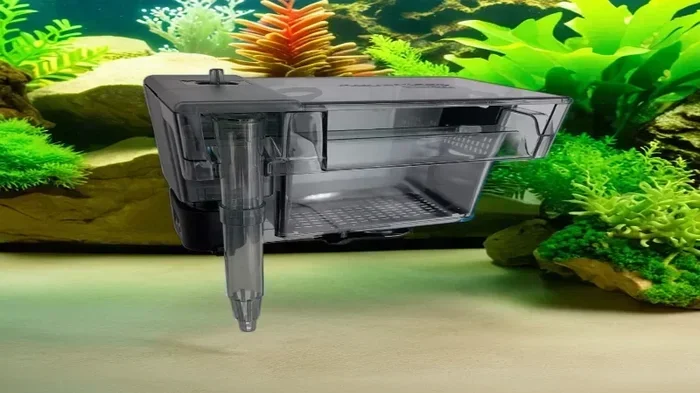
- Use a gentle filter to remove debris without creating strong currents.
- Avoid overfeeding, which leads to excess waste.
Wrong Water Temperature
Bettas are tropical fish. They need warm, stable water to stay healthy. If the tank temperature drops too low or spikes too high, your betta will get stressed. What is the ideal temperature for betta fish? The sweet spot is between 78 and 80 degrees Fahrenheit. Anything below 74 degrees or above 82 degrees can cause problems.
Use a reliable heater and thermometer to keep the temperature steady. Sudden temperature swings are even worse than being slightly off. If you are wondering about what temperature is too hot for a betta fish, anything above 85 degrees is a danger zone.
Wrong pH Levels
Bettas prefer a pH level between 6.5 and 7.5. Water that is too acidic or too alkaline causes stress and can damage their gills over time. If you are unsure about your tap water, test the pH before adding it to the tank. You can also use a water conditioner to stabilize the pH naturally.
Too Small a Tank
Many people keep bettas in tiny bowls or vases. This is a huge mistake. A small tank means less stable water conditions and less room to swim. Bettas need at least 5 gallons of space to thrive. The smaller the tank, the faster toxins build up and the more stressed your fish becomes.
Aggressive Tank Mates
Bettas are known for their long fins and bright colors. Unfortunately, this makes them targets for nippy fish. Are betta fish good with other fish? Sometimes, yes. But many community fish will bother a betta, causing constant stress. Avoid fish with bright colors or long fins, and stay away from fin nippers like tiger barbs.
Lack of Enrichment
Bettas are curious creatures. They like to explore and interact with their surroundings. A bare tank with nothing to do can make a betta bored and stressed. Add plants, caves, and gentle decorations to give your fish things to investigate and rest near.
How to Reduce Stress and Keep Your Betta Healthy
The good news is that reducing stress in betta fish is very doable. You do not need expensive equipment or a biology degree. A few smart changes to your routine can make a huge difference. Here is how to create a stress-free environment for your betta:
1. Maintain Consistent Water Parameters
Stability is everything for bettas. Fluctuations in temperature, pH, and hardness cause stress faster than anything else. Test your water regularly and keep a log of your readings. If something changes, address it quickly. Using a water conditioner helps neutralize harmful chemicals in tap water and keeps parameters stable.
2. Give Your Betta Enough Space
A 5-gallon tank is the minimum for a single betta. Bigger is always better. A larger tank provides more stable water conditions and gives your fish room to swim and explore. This alone can dramatically reduce stress levels and improve your betta’s overall wellness.
3. Choose the Right Tank Setup
Set up your tank with your betta’s needs in mind. Include soft plants (live or silk), hiding spots, and open swimming areas. Avoid sharp decorations that can tear fins. A well-designed tank setup makes your betta feel safe and secure, which directly lowers stress.
4. Feed a Balanced Diet
What your betta eats affects how it feels. Offer a variety of high-quality foods. Pellets made for bettas should be the staple. You can supplement with frozen or live foods like brine shrimp and bloodworms once or twice a week. Avoid overfeeding. Uneaten food pollutes the water and adds to stress.
5. Minimize Loud Noises and Vibrations
Bettas are sensitive to vibrations. Placing your tank near a TV, speaker, or door that slams can keep your fish on edge. Choose a quiet spot in your home for the tank. Your betta will appreciate the peace and quiet.
6. Handle With Care
Avoid chasing your betta around the tank or trying to touch it. If you need to move your fish, use a soft net and do it gently. Rough handling causes immediate stress and can damage their delicate fins and scales.
Quick Tips for a Stress-Free Betta Tank
- Keep the lights on a consistent schedule (8 to 10 hours a day).
- Do not place the tank in direct sunlight.
- Use a gentle filter with an adjustable flow rate.
- Add floating plants to create shaded areas.
- Perform regular water changes without disturbing your fish too much.
- Observe your betta daily so you catch problems early.
What Happens If You Ignore Stress in Your Betta Fish
Ignoring stress in betta fish is like ignoring a warning light on your car dashboard. At first, everything seems fine. But underneath, damage is building up. Here is what can happen if you do not address chronic stress levels:
- Fin rot — Bacterial infection that eats away at the fins and tail.
- Columnaris — A common bacterial disease that causes white patches on the body.
- Ich — A parasitic infection that shows as white spots all over the fish.
- Swim bladder disease — Difficulty swimming and maintaining balance.
- Heart problems — Chronic stress strains the cardiovascular system over time.
- Early death — A stressed betta simply does not live as long as a healthy, happy one.
None of these outcomes are inevitable. But they are all much more likely when your betta lives in a stressful environment. The best thing you can do is take action as soon as you notice the first signs of trouble.
Expert Insight: Prevention Is Always Better Than Cure
Experienced fish keepers will tell you the same thing. The best treatment for a stressed betta fish is prevention. You do not wait for your fish to get sick. You build a stable, clean, and enriching habitat from day one. This approach saves you time, money, and heartache in the long run. It also gives your betta the best possible chance at a full, happy life.
When to See a Vet or Fish Specialist
Sometimes, despite your best efforts, your betta still seems stressed or unwell. If you have checked all the usual causes and your fish is not improving, it may be time to consult a professional. Look for a vet who specializes in fish or a knowledgeable aquarium store employee. They can help you identify hidden issues like internal parasites or bacterial infections that you cannot see with the naked eye.
Also, if your betta stops eating for more than two days, shows severe color changes, or has visible wounds, do not wait. Take action immediately. Early intervention can make all the difference between a full recovery and a tragic loss.
Conclusion
Stress is bad for my betta fish, and now you know exactly why and how to fix it. From poor water quality to wrong temperatures and aggressive tank mates, there are many things that can push your betta past its breaking point. But the good news is that you have the power to change all of that. By paying attention to your fish, maintaining clean water, and creating a calm and enriching environment, you can keep your betta healthy, colorful, and stress-free.
Remember, a happy betta is an active betta. It swims gracefully, eats eagerly, and shows off its beautiful colors. If your fish is showing signs of stress, do not wait. Start making changes today. Your betta deserves a life free from unnecessary stress, and you now have the knowledge to give it exactly that.
Take a moment right now to check your tank. Look at the water temperature. Check the pH. Watch how your betta is swimming and behaving. Small adjustments today can lead to a much healthier and happier fish tomorrow. Your betta fish health is in your hands, and that is a wonderful thing.
Frequently Asked Questions
How do I know if my betta fish is stressed?
Look for signs like clamped fins, loss of appetite, faded color, rapid breathing, hiding, and erratic swimming. If your betta shows any of these stress signs, check your water quality and tank conditions right away. Early detection makes recovery much easier.
Can stress kill a betta fish?
Yes, chronic stress can weaken your betta’s immune system and lead to diseases that can be fatal. A stressed betta fish is far more likely to get sick and die prematurely. Keeping stress levels low is one of the most important parts of betta fish care.
What is the ideal water temperature for a betta fish tank?
The ideal temperature is between 78 and 80 degrees Fahrenheit. Staying within this range keeps your betta comfortable and reduces stress levels. Use a heater and thermometer to maintain a stable temperature.
How often should I change the water in my betta tank?
Perform a 25% water change every week. This helps maintain good water quality and prevents the buildup of harmful toxins. Consistent water changes are one of the simplest ways to keep your betta stress-free.
Can a small tank cause stress in betta fish?
Absolutely. Tanks smaller than 5 gallons lead to unstable water conditions and give your betta very little room to swim. This causes both physical and mental stress. A properly sized tank is essential for your betta’s wellness and happiness.
Are betta fish happy alone in a tank?
Bettas are solitary fish and generally do well on their own. In fact, keeping them alone prevents stress from territorial fights with other fish. As long as the tank is set up well with plants and hiding spots, a single betta can be perfectly happy and healthy.
=== INTERNAL LINKS ===
If you notice your betta gasping at the surface, this could be a sign of severe stress. Learn more about why your betta fish is gasping for air and what to do about it.
Maintaining the right temperature is crucial for reducing stress. Find out what the ideal temperature for betta fish should be to keep your fish comfortable.
Sometimes stress leads to illness that is hard to spot. Check out is my betta fish sick to learn about common diseases and how to spot them early.