Betta fish can tolerate some light, but constant blinking can cause stress and health issues. Understanding how light intensity, frequency, and duration affect your betta helps you create a calm, colorful environment that promotes longevity.
Key Takeaways
- Stress response: Rapid flashing lights trigger a fight‑or‑flight reaction in bettas.
- Natural cycle matters: A steady day‑night rhythm mimics the wild habitat and supports healthy coloration.
- Intensity counts: Soft, diffuse lighting is safer than harsh, direct beams.
- Safe setups: Use timers, dimmers, or LED strips with a low‑frequency pulse to avoid overstimulation.
- Tank mates: If you keep other species, ensure the lighting suits all inhabitants.
- Observation is key: Watch for frantic fin flaring, hiding, or loss of appetite as warning signs.
- Practical tip: Position the aquarium away from TV screens or party lights that blink frequently.
📑 Table of Contents
- Introduction: Why Light Matters for Betta Fish
- Understanding Betta Vision and Natural Light Patterns
- Potential Effects of Blinking Lights on Betta Health
- Safe Lighting Practices for a Happy Betta
- Practical Tips: Setting Up Your Betta Tank with Light in Mind
- Monitoring Your Betta’s Reaction to Light
- Conclusion: Balancing Aesthetics and Well‑Being
Introduction: Why Light Matters for Betta Fish
When you first set up a betta tank, the excitement often centers on choosing a fancy aquarium, a vibrant background, and that eye‑catching LED light strip. It’s easy to forget that light is more than decoration—it’s a fundamental part of a betta’s daily life. In the wild, Siamese fighting fish (Betta splendens) live in shallow, slow‑moving waters of Thailand and Malaysia, where sunlight filters through dense foliage. The light they receive is steady, dappled, and never a strobe.
So, what happens when we replace that natural glow with modern décor like blinking LED strips, aquarium “party lights,” or a nearby computer screen? The short answer: it can stress your betta, affect its color, and even influence its health. This article dives deep into the science, offers practical advice, and answers the burning question: can betta fish be near blinking lights? By the end, you’ll know how to create a lighting environment that keeps your finned friend calm, colorful, and thriving.
Understanding Betta Vision and Natural Light Patterns
How bettas see the world
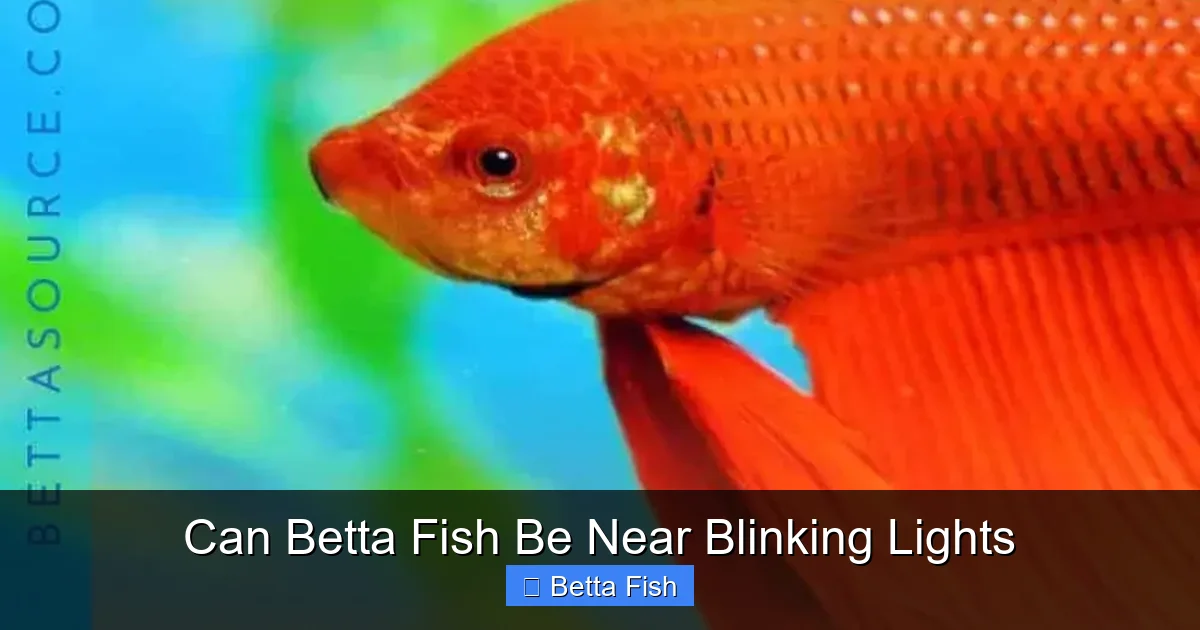
Bettas have a visual system tuned to the wavelengths common in tropical freshwater. They are most sensitive to blues and greens, which help them spot prey and rivals. Their eyes are adapted for relatively low‑light conditions because dense vegetation often blocks direct sunlight.
Visual guide about Can Betta Fish Be Near Blinking Lights
Image source: bettasource.com
Day‑night rhythm in the wild
In their native habitats, bettas experience a gentle sunrise, bright midday, and a gradual dimming toward night. This cycle regulates hormone production, feeding behavior, and the brilliant coloration that makes them popular pets. Disrupting this rhythm can throw off their internal clock, leading to stress‑related issues like fin clamping or loss of appetite.
What “blinking” really means for fish
When we talk about blinking lights, we usually refer to LEDs that flash at a set frequency—often anywhere from 1 to 10 hertz (flashes per second). To a human eye, a slow flash is obvious; a fast flash can appear as a steady glow. For a betta, any rapid change in illumination can be interpreted as movement or a potential threat, triggering a fight‑or‑flight response.
Potential Effects of Blinking Lights on Betta Health
Stress and the fight‑or‑flight response
Stress in fish is measured by cortisol levels, which rise when the animal perceives danger. Blinking lights can mimic the flashing of a predator’s fins or the sudden movement of a rival, causing chronic cortisol spikes. Over time, this can suppress the immune system, making the betta more susceptible to disease.
Visual guide about Can Betta Fish Be Near Blinking Lights
Image source: bettacarefishguide.com
Impact on coloration
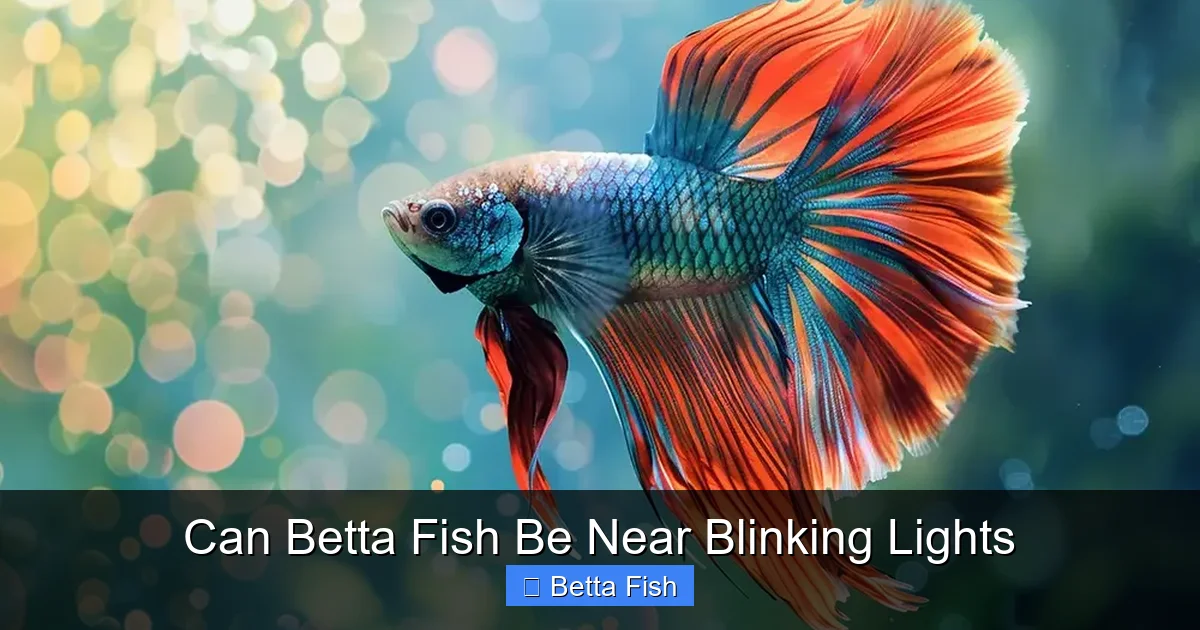
One of the most prized traits of bettas is their vivid color. Stress hormones can cause colors to fade, a condition known as “color loss.” If your betta seems duller after installing a new light strip that flashes, it may be a direct result of that lighting.
Behavioral changes
- Increased fin flaring and “gill covers” (opercular) breathing.
- Frequent hiding under plants or decorations.
- Reduced appetite or refusal to eat.
- Erratic swimming patterns, such as darting toward the light source.
Long‑term health risks
Constant stress can lead to weakened fins, increased susceptibility to ich, and even shortened lifespan. While a brief flash (like a camera shutter) is unlikely to cause lasting harm, a light that blinks for hours each day can be detrimental.
Safe Lighting Practices for a Happy Betta
Choose the right type of light
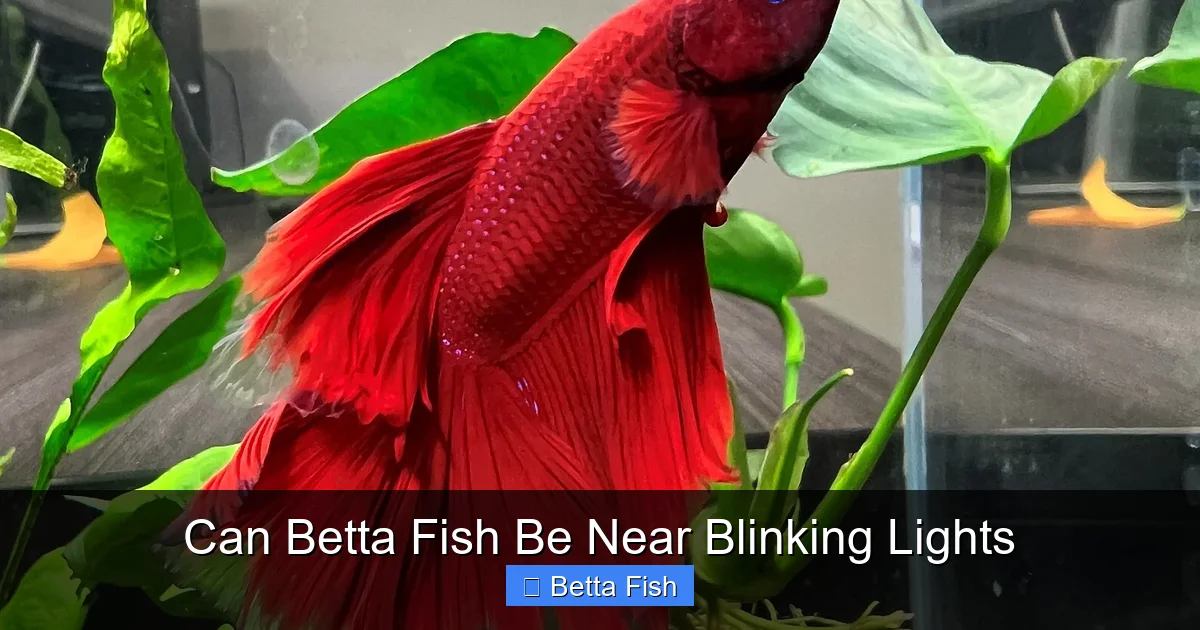
LEDs are popular because they’re energy‑efficient and come in many colors. For bettas, a cool white or soft blue LED with a steady output is ideal. Avoid “strobe” or “party” modes that create rapid flashing.
Visual guide about Can Betta Fish Be Near Blinking Lights
Image source: ntlabs.co.uk
Control intensity and direction
Use a dimmer or a diffuser (like a frosted acrylic cover) to soften harsh beams. Position lights so they shine from the side or top rather than directly into the tank, reducing glare that can startle the fish.
Set a consistent photoperiod
Most bettas thrive on 10–12 hours of light followed by 12–14 hours of darkness. An automatic timer ensures the schedule stays consistent, even when you’re away.
If you must use blinking lights, do it right
- Keep the flash rate below 1 Hz (one flash per second) – this is usually perceived as a gentle pulsing rather than a strobe.
- Limit the duration to short periods (e.g., 5‑10 minutes) for special events, not as a daily routine.
- Observe your betta closely; if it shows stress signs, stop the blinking immediately.
Combine lighting with natural elements
Live plants, driftwood, and silk decorations provide hiding spots and break up light patterns, creating a more natural environment. Plants also help diffuse light, reducing the impact of any minor flicker.
Practical Tips: Setting Up Your Betta Tank with Light in Mind
Step‑by‑step lighting setup
- Choose a tank size: A 5‑gal (19‑liter) tank gives enough space for proper filtration and decor.
- Select a LED fixture: Look for “full‑spectrum” LEDs with adjustable brightness and a steady mode.
- Install a timer: Set it to 10‑12 hours on, 12‑14 hours off.
- Add a diffuser: Place a piece of frosted acrylic over the light or use a soft‑white bulb.
- Arrange decorations: Include plants and caves to break up light and give your betta places to rest.
- Test the setup: Turn the light on for a day and watch your betta for any signs of stress.
When to avoid certain lights
If your home has a TV, computer monitor, or decorative lamp that blinks near the tank, consider relocating the aquarium or covering the light source. Even indirect flicker can be sensed by a betta.
Living with tank mates
If you share the tank with other peaceful species—like small snails, shrimp, or certain tetras—choose lighting that suits all. For example, a gentle LED strip works for both bettas and shrimp. Avoid bright, flashing lights that could stress multiple inhabitants.
Monitoring Your Betta’s Reaction to Light
What to watch for
- Fin clamping: Fins held close to the body indicate stress.
- Rapid gill movement: More than normal breathing rate.
- Hiding: Spending most of the day under a leaf or decoration.
- Color fading: Noticeable dullness compared to the fish’s usual hue.
Keeping a simple log
Write down the light schedule, any changes you make, and the betta’s behavior each day. Over a week, patterns emerge that help you fine‑tune the lighting.
When to seek professional help
If stress signs persist despite adjusting the lighting, consult a vet or an experienced aquarist. Chronic stress can mask underlying health issues that need treatment.
Conclusion: Balancing Aesthetics and Well‑Being
In short, betta fish can be near blinking lights, but only if the flashing is minimal, infrequent, and not stressful. Their natural preference is for steady, soft illumination that mimics a tropical sunrise‑sunset cycle. By choosing the right LED, using timers, and watching your fish’s behavior, you can enjoy a beautifully lit tank without compromising your betta’s health.
Remember, a happy betta is a colorful betta. Keep the lights gentle, the rhythm regular, and always prioritize your fish’s comfort over flashy décor. With a little attention, you’ll create an environment where your betta thrives and dazzles you with its brilliant fins.
Frequently Asked Questions
Can a betta fish handle occasional flashing lights, like from a camera?
Yes, brief flashes (a second or two) are generally harmless. Problems arise only with prolonged or frequent blinking that the fish perceives as a threat.
Is it better to use natural sunlight for a betta tank?
Natural sunlight can be too intense and cause algae spikes. If you use it, filter the light with sheer curtains and limit exposure to a few hours a day.
Do bettas need a dark period to rest?
Absolutely. A consistent night period helps regulate hormones and promotes healthy coloration. Aim for at least 12 hours of darkness each day.
Can I use a night‑light in the tank?
A dim, red‑tinted night‑light is fine, as bettas have limited sensitivity to red wavelengths. It won’t disturb their sleep cycle.
Will blinking lights affect other tank mates?
Yes, many fish and invertebrates are also sensitive to rapid light changes. Choose lighting that suits the most sensitive species in your community.
How can I tell if my betta is stressed by the light?
Look for fin clamping, frantic swimming, hiding, rapid breathing, or a loss of color. If you see these signs, adjust the lighting immediately.

