Can Betta Fish Be in Tank with Shrimp
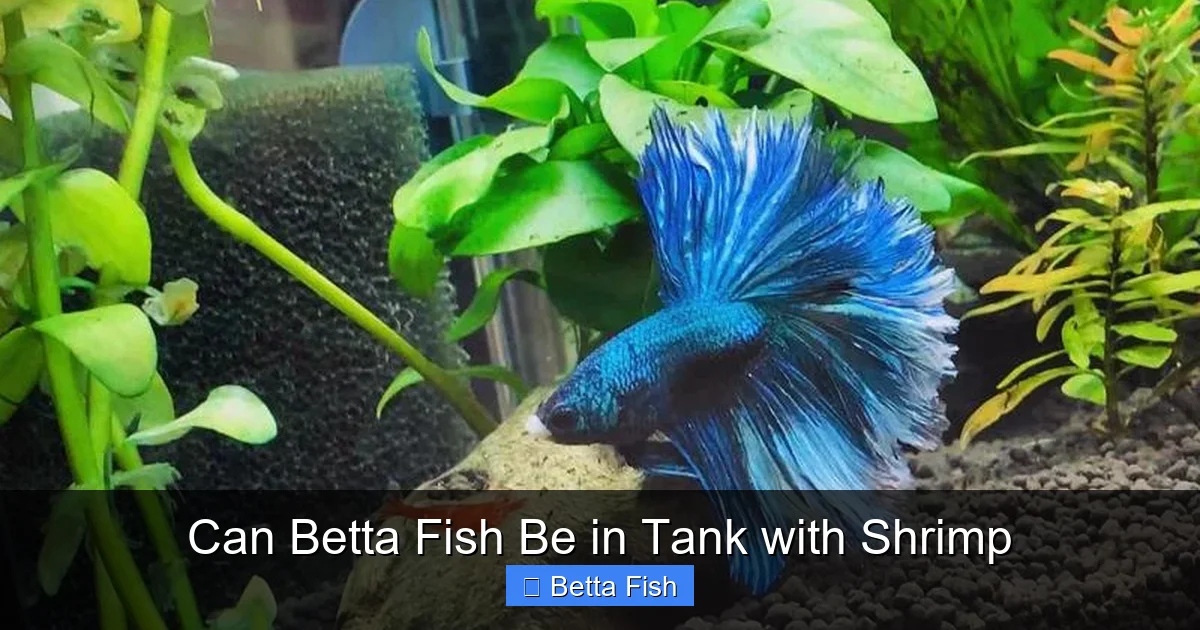
Betta fish can share a tank with shrimp, but success depends on tank size, shrimp species, and the betta’s temperament. Provide plenty of hiding spots, maintain water quality, and choose peaceful shrimp like cherry or ghost shrimp for the best chance of harmony.
Key Takeaways
- Temperament matters: Not all bettas are aggressive; observe your fish before adding shrimp.
- Tank size is crucial: A minimum of 10 gallons gives both betta and shrimp room to thrive.
- Choose the right shrimp: Small, fast‑moving species such as cherry, ghost, or bee shrimp are less likely to be eaten.
- Provide plenty of cover: Live plants, moss, and ceramic caves create safe zones for shrimp.
- Maintain water parameters: Stable temperature (76‑80 °F) and soft‑to‑moderate hardness suit both betta and shrimp.
- Feed wisely: Offer sinking shrimp pellets and occasional vegetable matter to keep the betta’s appetite focused.
- Monitor regularly: Watch for signs of stress in both species and be ready to separate if aggression occurs.
📑 Table of Contents
Introduction: Why the Question Matters
If you’ve ever set up a beautiful community tank, you’ve probably wondered, can betta fish be in tank with shrimp? The answer isn’t a simple yes or no. Betta fish are famous for their vivid colors and flowing fins, but they also carry a reputation for being territorial. Shrimp, on the other hand, are tiny, peaceful cleaners that can add movement and natural scavenging to a tank.
Many hobbyists ask this question because they want a low‑maintenance, visually appealing setup without having to choose between a betta and a bustling shrimp colony. In this guide we’ll break down the factors that decide whether your betta and shrimp can coexist, give step‑by‑step setup tips, and share real‑world examples that show what works and what doesn’t.
Understanding Betta Behavior
Territorial instincts
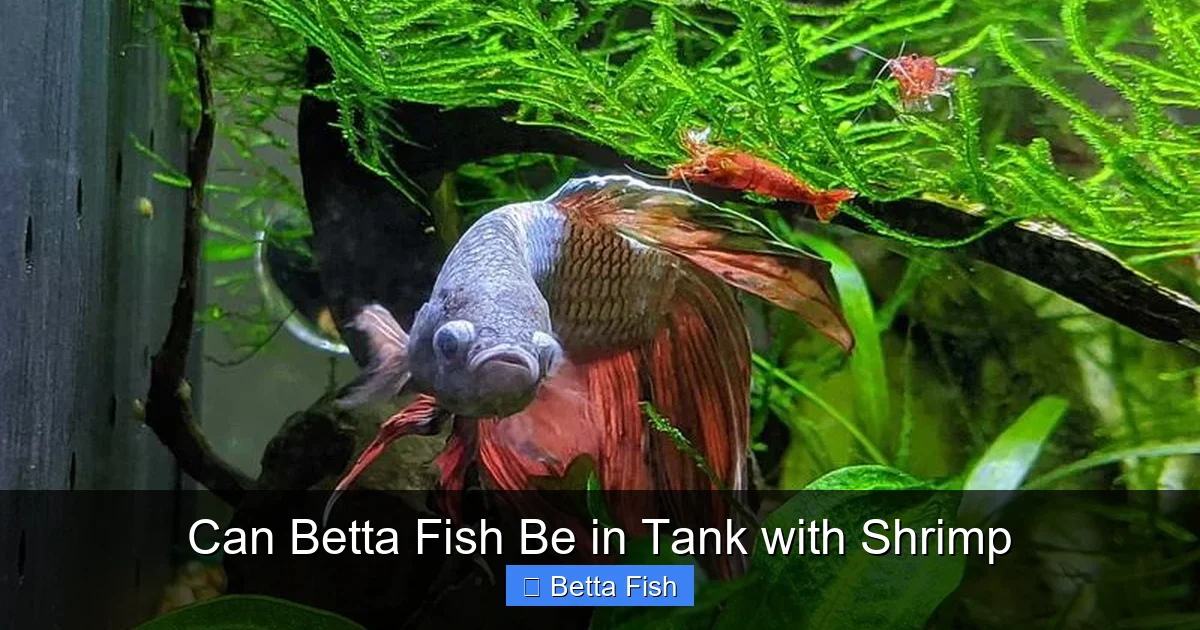
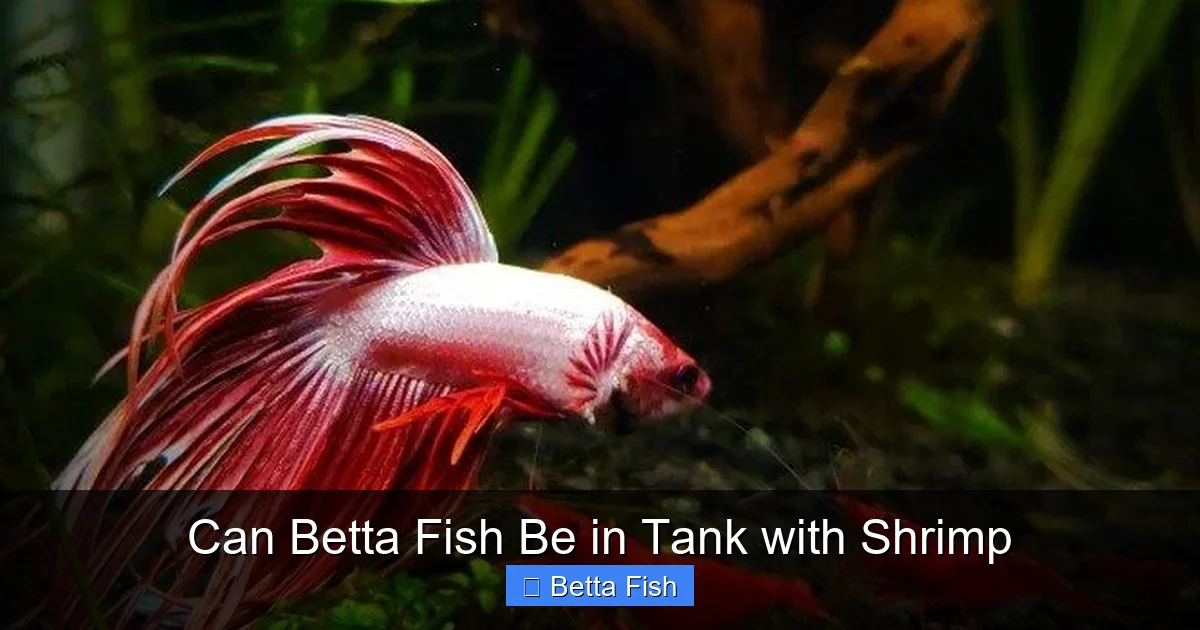
Betta fish (Betta splendens) are naturally aggressive toward other bettas, especially males. Their aggression can extend to any creature that resembles a rival—brightly colored fish, long‑finned fry, or even fast‑moving shrimp. However, not every betta displays the same level of hostility. Some are laid‑back and will ignore small invertebrates, while others will chase and eat anything that darts near them.
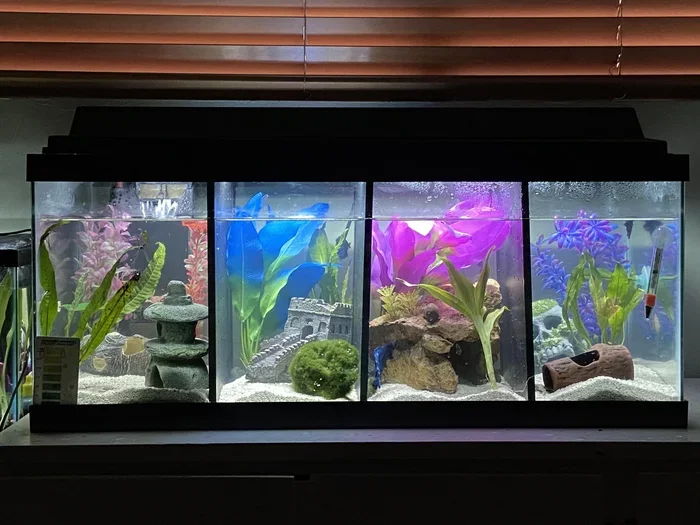
Visual guide about Can Betta Fish Be in Tank with Shrimp
Image source: acaquarium.com
Feeding habits
In the wild, bettas are surface feeders that snap up insects and larvae. In captivity they are opportunistic eaters, which means a hungry betta may see a wandering shrimp as a snack. Providing a full, varied diet reduces the urge to hunt.
Choosing the Right Shrimp Species
Best shrimp for betta tanks
When you ask can betta fish be in tank with shrimp, the shrimp’s size and behavior are key. Here are three shrimp types that have the highest success rate:
Visual guide about Can Betta Fish Be in Tank with Shrimp
Image source: i.pinimg.com
- Cherry shrimp (Neocaridina davidi): Small (1‑2 cm), colorful, and quick enough to hide.
- Ghost shrimp (Palaemonetes sp.): Transparent, slightly larger, and hardy.
- Bee shrimp (Caridina cf. cantonensis): Tiny and very active, making them harder for a betta to catch.
Other larger or slower shrimp, such as Amano shrimp, are more likely to become prey.
Why some shrimp fail
Large, slow‑moving shrimp cannot out‑swim a curious betta. Even if the betta is calm, a sudden movement can trigger a chase. Additionally, shrimp that require brackish water (e.g., some species of Macrobrachium) are incompatible with the warm, slightly acidic conditions bettas prefer.
Setting Up a Safe Environment
Tank size and layout
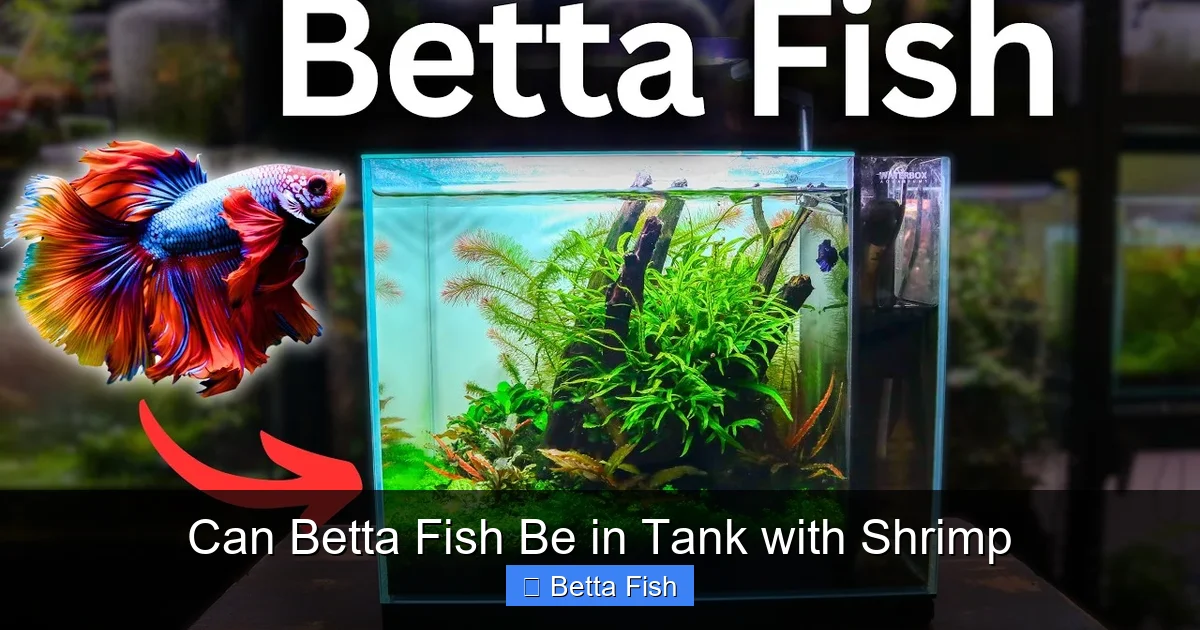
While a 5‑gallon tank can house a single betta, adding shrimp safely requires at least a 10‑gallon tank. More volume means less stress for both parties and more room for hiding spots.
Visual guide about Can Betta Fish Be in Tank with Shrimp
Image source: i.ytimg.com
Arrange the tank with the following elements:
- Live plants: Java moss, Anubias, and floating plants create dense cover.
- Hardscape: Ceramic caves, driftwood, and smooth rocks give shrimp places to retreat.
- Open swimming area: Betta needs space to display its fins; keep this area clear of too many decorations.
Water parameters
Both bettas and most freshwater shrimp thrive in similar water conditions:
- Temperature: 76‑80 °F (24‑27 °C)
- pH: 6.5‑7.5
- Hardness: 4‑12 dGH
- Ammonia & nitrite: 0 ppm
Use a reliable heater and a gentle filter (sponge or low‑flow hang‑on) to keep water clean without creating a strong current that could stress the betta.
Acclimation process
Introduce shrimp first, then let the betta acclimate to the new tank for 24‑48 hours before adding shrimp. This reduces the chance that the betta will see the shrimp as immediate prey.
Feeding Strategies to Reduce Predation
Feed the betta first
Give the betta a small portion of high‑quality pellets or frozen foods right after the shrimp are added. A satisfied betta is less likely to hunt.
Provide sinking shrimp food
Use shrimp pellets or algae wafers that sink to the bottom, where shrimp spend most of their time. This keeps them fed and less likely to wander into the betta’s line of sight.
Monitoring and Troubleshooting
Signs of stress
Watch for these indicators:
- Betta: Gasping, faded colors, excessive flaring, or constant chasing.
- Shrimp: Hiding constantly, loss of coloration, or missing individuals.
If you see persistent aggression, be ready to separate the species using a breeder net or a temporary divider.
When to separate
Even with perfect setup, some bettas simply cannot coexist with shrimp. If more than one shrimp is lost within a week, or the betta shows chronic stress, it’s kinder to give each species its own tank.
Success stories
Many hobbyists report thriving communities of one male betta with a colony of 10‑15 cherry shrimp in a 15‑gallon planted tank. The key was ample plant cover and a regular feeding schedule that kept the betta full.
Frequently Overlooked Details
Water changes
Regular 25‑30 % weekly water changes keep nitrate levels low, which benefits both betta and shrimp. Use dechlorinated water that matches the tank’s temperature to avoid shocking the inhabitants.
Lighting
Moderate lighting (8‑10 hours) promotes plant growth and shrimp health without stressing the betta. Too bright a light can make the betta more territorial.
Conclusion: Making the Decision
So, can betta fish be in tank with shrimp? Yes, but only under the right conditions. Choose a calm betta, a small fast‑moving shrimp, provide plenty of hides, and keep the water stable. Start slowly, observe daily, and be prepared to rehome if aggression spikes. With patience, you can enjoy the vivid dance of a betta alongside the delicate scurrying of shrimp—a miniature ecosystem that’s both beautiful and functional.
For more ideas on tank mates, check out our article on Which Fish Can Live With Betta Fish In A Tank. If you’re curious about other invertebrates, read Can Snails Be In A Tank With Betta Fish. And for a deeper dive into shrimp compatibility, see Can You Have Shrimp With Betta Fish.
Frequently Asked Questions
Can a male betta live peacefully with shrimp?
Yes, many male bettas coexist with small shrimp like cherry or ghost shrimp, especially when the tank provides plenty of hiding places and the betta is well‑fed.
What shrimp size is safest for a betta tank?
Shrimp that stay under 2 cm as adults, such as cherry, ghost, or bee shrimp, are the safest because they can hide quickly and are less tempting as food.
Do bettas eat shrimp eggs?
Betas may nibble at shrimp eggs if they find them, but a well‑planted tank with dense cover can protect the eggs from being discovered.
How often should I feed a betta that shares a tank with shrimp?
Feed the betta 2‑3 times daily with a small portion of high‑quality pellets or frozen foods, and supplement with sinking shrimp food for the invertebrates.
Is it okay to keep shrimp in a betta’s breeding box?
No. Breeding boxes are meant to separate fry from the adult betta. Shrimp need open water and plants to thrive, and the confined space can cause stress.
What should I do if my betta starts attacking shrimp?
Immediately remove the shrimp to a temporary safe container, re‑evaluate tank size and hiding spots, and consider re‑homing the betta if aggression continues.