Betta fish can live in a community tank, but success depends on careful selection of tank mates, ample space, and proper water conditions. Understanding their temperament and providing plenty of hiding spots will help prevent aggression and keep all fish healthy.
Key Takeaways
- Temperament matters: Male bettas are territorial and may fight, while females are generally more tolerant.
- Tank size is crucial: A minimum of 20 gallons gives enough room for a betta and compatible species.
- Choose peaceful, non‑fin‑nipping tank mates: Small tetras, rasboras, and snails are good options.
- Provide plenty of plants and decorations: Hiding places reduce stress and aggression.
- Monitor water parameters: Keep temperature 76‑82 °F and maintain stable pH.
- Observe behavior daily: Early signs of stress let you act before serious fights break out.
- Start with a single betta: Adding new fish one at a time makes adjustments easier.
📑 Table of Contents
- Introduction: The Betta’s Reputation and the Community Dream
- 1. Understanding Betta Temperament
- 2. Choosing the Right Tank Size and Setup
- 3. Selecting Compatible Tank Mates
- 4. Setting Up the Community Tank: Step‑by‑Step Guide
- 5. Daily Care and Long‑Term Maintenance
- 6. Frequently Encountered Problems and Solutions
- Conclusion: A Happy Betta in a Community Tank Is Possible
Introduction: The Betta’s Reputation and the Community Dream
When most people think of betta fish, the first image that pops into their mind is a solitary, flamboyant fighter flaring its fins in a tiny bowl. That picture, while iconic, doesn’t tell the whole story. Betta fish (Betta splendens) are actually quite adaptable, and with the right environment they can share a tank with other peaceful species.
In this article we’ll walk through everything you need to know about keeping a betta in a community tank. From temperament and tank size to ideal tank mates and daily care, you’ll get a clear, friendly guide that feels like advice from a knowledgeable friend.
1. Understanding Betta Temperament
Male vs. Female Betta Behavior
Male bettas are naturally aggressive toward other males because they defend a territory they consider their own. This aggression is most obvious when they see another male’s bright colors or flowing fins. Female bettas, on the other hand, are usually less territorial and can live in groups called “sororities” if the tank is large enough and has plenty of hiding spots.
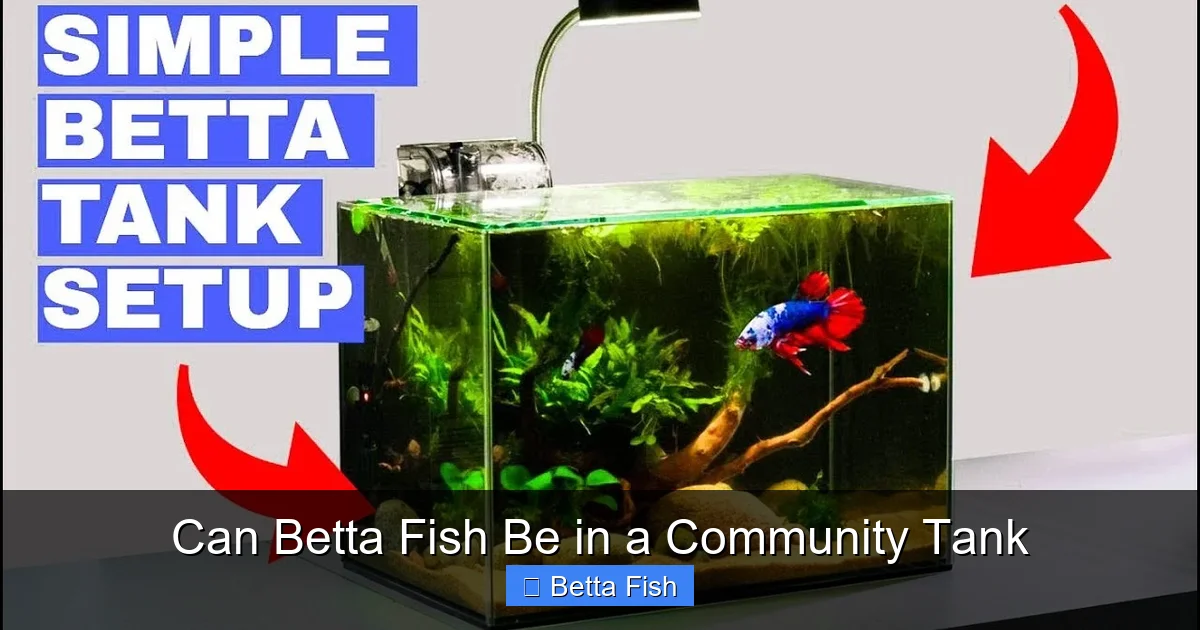
Visual guide about Can Betta Fish Be in a Community Tank
Image source: i.ytimg.com
Why Aggression Happens
In the wild, bettas live in shallow rice paddies and slow‑moving streams where they have to protect their space from rivals. In a confined aquarium, that instinct can turn into fin‑nipping or outright fighting if they feel threatened.
Key Takeaway
If you’re planning a community tank, a single male betta is the safest bet. Female bettas give you a bit more flexibility, but you still need to manage space and tank mates carefully.
2. Choosing the Right Tank Size and Setup
Minimum Volume
While a single male betta can survive in a 5‑gallon tank, a community setup requires at least 20 gallons. The extra water dilutes waste, stabilizes temperature, and provides enough room for each fish to claim its own territory.
Filtration and Heating
Betta fish thrive in water that stays between 76‑82 °F (24‑28 °C). A reliable heater is essential, especially in cooler climates. A gentle filter (sponge or low‑flow hang‑on‑back) keeps the water clean without creating a current that can stress the betta’s delicate fins.
Plants, Rocks, and Hiding Places
Live plants like Java fern, Anubias, and floating duckweed offer natural cover. Add driftwood, smooth rocks, and ceramic caves to break lines of sight. When a betta can retreat, it’s less likely to display aggression toward its neighbors.
Lighting
Soft, dimmable lighting mimics the betta’s natural environment and reduces stress. A 10‑hour light cycle is sufficient for most community tanks.
3. Selecting Compatible Tank Mates
Fish That Usually Get Along
Here are some of the most reliable companions for a betta:
- Neon Tetras: Small, fast‑moving, and non‑aggressive. Keep them in a school of at least six.
- Harlequin Rasboras: Peaceful and active, they stay near the surface where the betta often swims.
- Corydoras Catfish: Bottom‑dwelling, gentle, and they help clean up leftover food.
- Snails: Mystery or Nerite snails are great for algae control and are not seen as competition. (Can Snails Be In A Tank With Betta Fish)
- Peaceful Gourami: Dwarf gouramis can coexist if the tank is large and there are plenty of plants.
Species to Avoid
Stay away from fish that have bright, flowing fins (like guppies or other bettas), fin‑nippers (such as tiger barbs), or very large, aggressive species (cichlids, larger gouramis). These can trigger a betta’s defensive instincts.
How to Introduce New Fish
Always quarantine new arrivals for at least two weeks to prevent disease. When adding them to the community tank, use a drip acclimation method to match water parameters slowly. Observe the betta for the first hour; if it flares its fins or chases, you may need to rearrange decorations or consider a different tank mate.
4. Setting Up the Community Tank: Step‑by‑Step Guide
Step 1: Choose the Right Tank
Pick a 20‑gallon (or larger) glass or acrylic tank with a secure lid. A lid prevents the betta from jumping out and keeps unwanted critters out.
Step 2: Install Heater and Filter
Place the heater near the water flow to distribute heat evenly. Set it to 78 °F and let it stabilize for 24 hours before adding fish. Install a sponge filter or a low‑flow hang‑on‑back unit.
Step 3: Add Substrate and Décor
Rinse sand or gravel before adding it. Create a “rock garden” with smooth stones and place live plants in the back and middle. Leave open swimming lanes in the front.
Step 4: Cycle the Tank
Run the filter for at least four weeks to develop beneficial bacteria. Test ammonia, nitrite, and nitrate levels; the tank is cycled when ammonia and nitrite read zero and nitrate is below 20 ppm.
Step 5: Introduce the Betta
Float the betta’s bag in the tank for 15 minutes to equalize temperature, then slowly release it. Keep an eye on its behavior for the first 24 hours.
Step 6: Add Community Fish
Introduce the other species one at a time, waiting 24‑48 hours between each addition. This gradual approach lets the betta adjust and reduces stress for everyone.
5. Daily Care and Long‑Term Maintenance
Feeding
Feed high‑quality betta pellets or frozen bloodworms once or twice a day, only as much as they can eat in two minutes. Offer the same for other fish, adjusting portion sizes to prevent overfeeding.
Water Changes
Replace 25‑30 % of the water weekly. Use a water conditioner to remove chlorine and chloramines. For detailed steps, see our guide on how to change water in a betta fish tank.
Health Checks
Look for signs of stress: faded colors, clamped fins, or constant hiding. If a fish shows fin‑nipping or lethargy, isolate it in a hospital tank and treat accordingly.
Cleaning the Tank
Scrub algae from glass with a magnetic cleaner, but never use soap. For a safe cleaning routine, refer to Can You Clean A Betta Fish Tank With Soap.
6. Frequently Encountered Problems and Solutions
Betta Flare and Chase
If the betta repeatedly flares at a particular fish, try rearranging plants to break the line of sight. Adding more visual barriers often diffuses tension.
Fin‑Nipping
Fin‑nipping usually comes from fast‑moving, aggressive species. Remove the culprit and replace it with a more peaceful fish.
Water Parameter Swings
Large community tanks can experience pH spikes if over‑fed. Keep feeding moderate and test water weekly.
Conclusion: A Happy Betta in a Community Tank Is Possible
Yes, a betta fish can live happily in a community tank when you respect its natural behavior, provide ample space, and choose compatible tank mates. The key is planning—start with a good-sized, well‑filtered aquarium, add plenty of plants and hiding places, and introduce each new resident slowly. With attentive daily care, you’ll enjoy a vibrant, peaceful aquarium where your betta’s dazzling colors shine alongside its new friends.
Frequently Asked Questions
Can a male betta live with other male bettas?
Generally no. Male bettas are highly territorial and will fight each other. If you want multiple bettas, consider a sorority of females in a very large, heavily planted tank.
What is the smallest community tank size for a betta?
At least 20 gallons is recommended. Smaller tanks increase stress and aggression, making it harder to keep the community peaceful.
Are snails safe tank mates for bettas?
Yes. Snails like Nerite or Mystery snails are peaceful, help clean algae, and are not seen as competition. (Can Snails Be In A Tank With Betta Fish 2)
How often should I change the water in a community tank with a betta?
Change 25‑30 % of the water weekly, testing for ammonia, nitrite, and nitrate each time to keep conditions stable.
What fish are the best companions for a betta?
Peaceful schooling fish such as neon tetras, rasboras, and small catfish like Corydoras are excellent choices. See our full list at Which Fish Can Live With Betta Fish In A Tank.
Can I keep a betta in a planted tank without a filter?
While bettas can survive in a well‑planted, unfiltered tank, a gentle filter improves water quality and reduces the need for frequent large water changes.

