Can Betta Fish Be Around a Humidifer

Betta fish can safely live near a humidifier if you control temperature, water quality, and mist placement. Follow simple tips to avoid excess moisture, keep the tank stable, and enjoy a thriving, colorful betta.
Key Takeaways
- Moderate humidity is safe: A humidifier set to 40‑60% won’t harm a betta when placed correctly.
- Temperature matters most: Keep water between 76‑82°F; avoid sudden spikes from warm mist.
- Prevent water contamination: Ensure mist does not fall directly into the tank.
- Ventilation helps: Good airflow stops mold and algae growth caused by excess moisture.
- Regular monitoring: Check water parameters daily when using a humidifier.
- Tank size matters: Larger tanks buffer temperature changes better than small bowls.
- Combine with good husbandry: Proper feeding, cleaning, and tank mates keep your betta happy.
📑 Table of Contents
- Introduction: Why the Question Pops Up
- Understanding Betta Needs: Temperature, Humidity, and Water Quality
- Choosing the Right Humidifier for a Betta Setup
- Setting Up Your Tank Near a Humidifier
- Common Concerns and Myths
- Integrating Tank Mates and Decorations
- Practical Tips for a Happy Betta
- Conclusion: A Balanced Environment Is the Key
Introduction: Why the Question Pops Up
When you first set up a betta aquarium, you quickly notice how sensitive these little fish are to their environment. A common dilemma for new owners is whether a bedroom humidifier—a device meant to ease dry air—might be a friend or foe to their finned companion. The short answer is yes, a betta can be around a humidifier, but only if you manage a few key factors.
In this article we’ll walk through the science behind humidity and betta health, share practical set‑up tips, and answer the most common worries. By the end you’ll feel confident turning on that misting machine without fearing a sudden fish‑fry disaster.
Understanding Betta Needs: Temperature, Humidity, and Water Quality
Temperature is the Crown Jewel
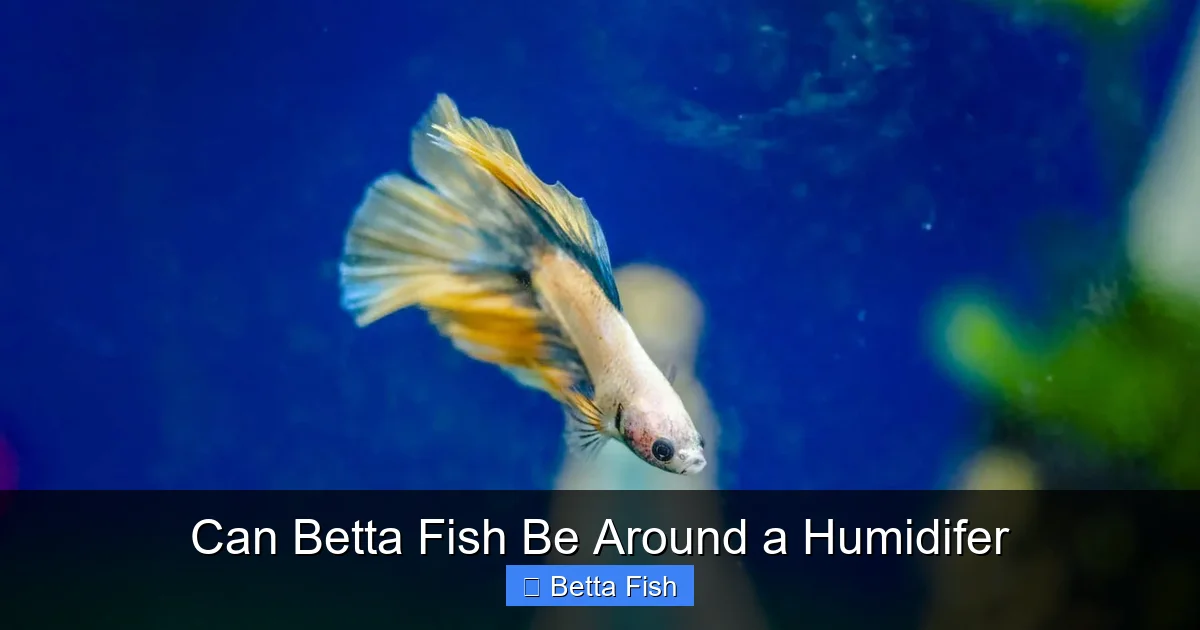
Betta fish are tropical; they thrive in water that stays steady at 76‑82°F (24‑28°C). Any device that changes the ambient air temperature can indirectly shift the water temperature. A warm‑mist humidifier can raise room temperature by a few degrees, especially in small spaces.
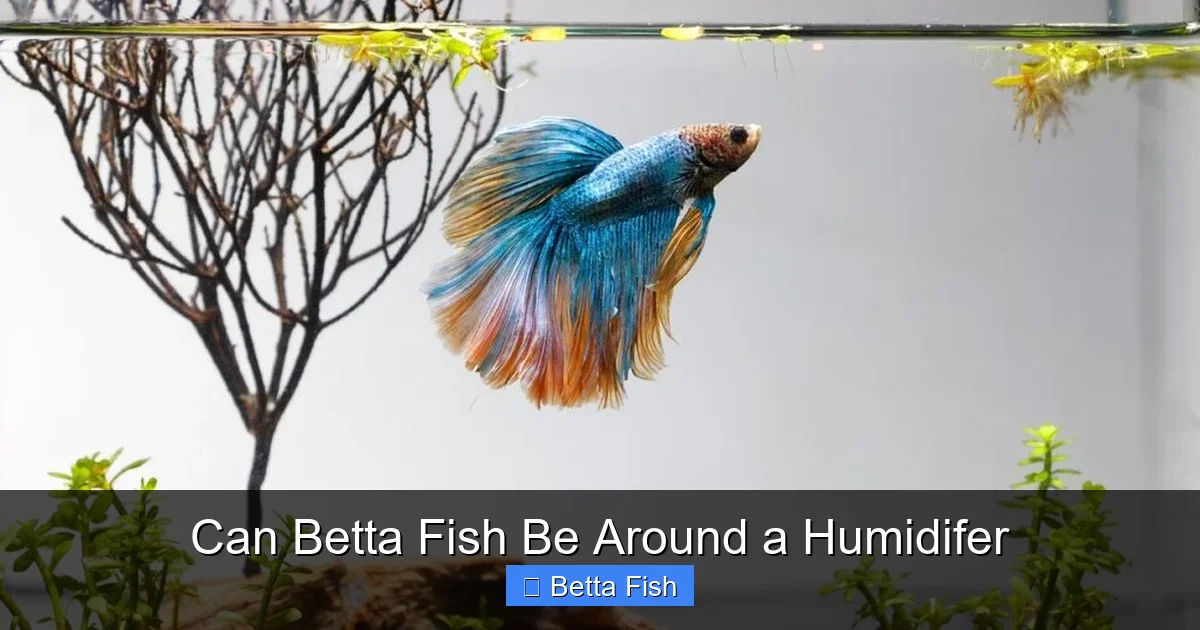
Visual guide about Can Betta Fish Be Around a Humidifer
Image source: pet-health-content-media.chewy.com
To keep your betta safe, use a thermometer both in the room and in the tank. If the room temperature climbs above 85°F, consider turning the humidifier off or switching to a cool‑mist model.
Humidity vs. Direct Moisture
Betta skin (yes, they have a thin “lung” called a labyrinth organ) is designed to breathe air, not to sit in a wet environment. High humidity alone isn’t harmful, but water droplets landing in the tank can raise the water’s surface tension, encourage algae, and dilute the water’s mineral balance.
Keep the humidifier’s nozzle pointed away from the tank, or use a barrier like a small shelf. This simple step prevents mist from turning your pristine water into a cloudy swamp.
Water Quality Remains Paramount
Even a tiny splash of humidifier water can introduce minerals or microbes. If you use distilled water in the humidifier, the risk is lower, but you should still perform regular water changes. Test kits for ammonia, nitrite, and pH remain essential, especially during the first few weeks of humidifier use.
Choosing the Right Humidifier for a Betta Setup
Cool‑Mist vs. Warm‑Mist
Cool‑mist units use ultrasonic vibrations to create a fine mist without heating the water. They are generally safer for bettas because they don’t add extra heat to the room. Warm‑mist models, while great for winter dryness, can raise both humidity and temperature—two variables you’ll need to monitor closely.
Visual guide about Can Betta Fish Be Around a Humidifer
Image source: bettafishworld.com
Size and Output
Small, personal humidifiers (1‑2 L capacity) are ideal for a bedroom or home office where a betta lives. Larger units designed for whole‑house coverage can flood the air with moisture, making it harder to keep the tank’s micro‑environment stable.
Noise and Vibration
Betta fish are sensitive to vibrations. Choose a unit with a quiet fan or ultrasonic operation. A noisy humidifier can stress the fish, causing faded colors or erratic swimming.
Setting Up Your Tank Near a Humidifier
Placement Tips
- Place the humidifier at least 12‑18 inches away from the tank.
- Angle the mist away from the tank opening.
- Use a small table or shelf to create a physical barrier.
Temperature Monitoring
Invest in a digital aquarium thermometer with a probe that sits in the water. Pair it with a room thermometer to see how the humidifier affects ambient temperature. If the water temperature rises more than 2°F within an hour of turning the humidifier on, adjust the device or move it farther away.
Visual guide about Can Betta Fish Be Around a Humidifer
Image source: aquariadise.com
Maintaining Airflow
Good ventilation prevents mold on tank lids and reduces excess condensation on the aquarium glass. Open a window slightly or use a small fan on low speed to circulate air. This also helps keep the water surface clean.
Regular Maintenance Routine
When using a humidifier, increase the frequency of water changes to 20‑30% weekly. Check the filter’s performance and clean the tank glass more often to avoid algae bloom caused by higher humidity.
Common Concerns and Myths
Myth: “Betta fish need dry air because they breathe air.”
Betta fish do need to access the water surface to gulp air, but they are not harmed by a moist room. The real issue is water quality, not the humidity level in the room.
Concern: “Mold will grow on the tank.”
With proper airflow and regular cleaning, mold is unlikely. If you notice any fuzzy growth on the lid or décor, wipe it down with a diluted vinegar solution and reduce humidity slightly.
Concern: “The humidifier will cause the tank to overflow.”
Only if the mist is directed straight into the water. Keeping the nozzle angled away eliminates this risk. A quick test: run the humidifier for a minute and watch where the mist lands before leaving it on for hours.
Integrating Tank Mates and Decorations
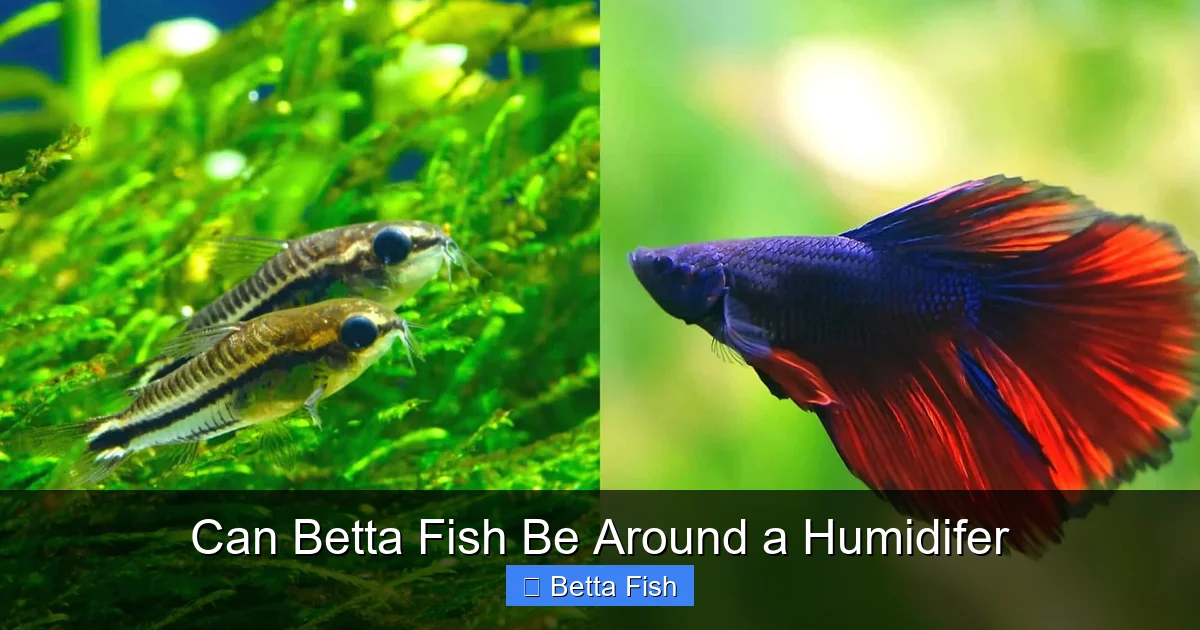
If you share the tank with other peaceful creatures—like snails or small shrimp—make sure the mist does not create a slippery surface that could stress them. Snails, for example, thrive in slightly moist environments, but too much mist can drown them.
Read more about suitable companions in our guide on what can be in a tank with betta fish. Snails are a popular choice because they help clean algae, but they also love a bit of humidity, making them a good match when a humidifier is in use.
Avoid adding fish that require cooler water, such as goldfish, as the combined effect of a warm mist and a heated tank could raise temperatures beyond safe limits for those species.
Practical Tips for a Happy Betta
1. Start Slow
Turn the humidifier on for just 30 minutes a day during the first week. Observe your betta’s behavior—if it flares, hides, or appears lethargic, reduce the run time.
2. Use a Lid with Ventilation
A mesh lid lets air escape while keeping the betta from jumping out. It also reduces condensation buildup on the glass.
3. Keep a Log
Write down room temperature, humidity level, and tank temperature each day. Over a month you’ll see patterns and can fine‑tune the humidifier settings.
4. Choose Betta‑Friendly Decor
Live plants absorb excess moisture and improve water quality. Java fern, Anubias, and Marimo moss are low‑light options that thrive in humid rooms.
5. Test Water Frequently
Especially during humidifier use, test for ammonia, nitrite, and pH at least twice a week. Sudden spikes often signal that something in the environment—like excess moisture—is affecting the biological filter.
Conclusion: A Balanced Environment Is the Key
So, can betta fish be around a humidifier? Absolutely—provided you manage temperature, keep mist away from the water surface, and maintain solid water‑quality practices. A well‑placed, cool‑mist humidifier can even improve the comfort of your home while keeping your betta’s environment stable.
Remember the golden rule: monitor, adjust, and enjoy the vibrant colors of a healthy betta. With a little attention, you’ll have both a comfortable room and a thriving fish.
Frequently Asked Questions
Can a humidifier cause my betta’s water temperature to rise?
Yes, especially warm‑mist models. Use a cool‑mist humidifier or keep the unit far enough away to avoid heating the tank water.
Do I need to change the water more often when using a humidifier?
It’s a good idea to increase water changes to 20‑30% weekly and test parameters more frequently to catch any changes early.
Will high humidity encourage algae growth?
Higher humidity can promote algae on the tank glass, but good airflow and regular cleaning keep it under control.
Is it safe to keep snails with a betta when a humidifier is on?
Snails generally tolerate humid environments well. Just ensure the mist does not pool in the tank, which could drown them.
Can I place the humidifier directly on the same shelf as the tank?
Place it at least 12‑18 inches away and angle the nozzle away from the tank to prevent mist from landing in the water.
What temperature range should I aim for when using a humidifier?
Keep the tank water between 76‑82°F and the room temperature below 85°F to maintain a stable environment for your betta.