Can Betta Fish and Algae Eaters Live Together

Betta fish can sometimes coexist with algae eaters, but success hinges on species choice, tank size, and careful monitoring. By understanding each creature’s temperament and habitat needs, you can build a thriving, algae‑free community tank.
Key Takeaways
- Choose peaceful algae eaters: Species like Siamese algae eaters and nerite snails are generally safe companions.
- Tank size matters: A minimum of 10‑20 gallons gives bettas space to establish territory.
- Watch water parameters: Consistent temperature (76‑80°F) and soft‑to‑moderate pH keep both parties healthy.
- Introduce gradually: Add the algae eater after the betta has settled to reduce stress.
- Provide plenty of hiding spots: Plants, driftwood, and caves help prevent aggression.
- Monitor behavior daily: Early signs of fin nipping or stress should prompt immediate action.
- Maintain clean water: Regular water changes limit algae overgrowth and keep fish thriving.
📑 Table of Contents
- Introduction: Why Pair Betta Fish with Algae Eaters?
- Understanding Betta Temperament
- Top Algae Eaters That Can Coexist with Betta Fish
- Setting Up the Tank for Success
- Monitoring Compatibility and Preventing Problems
- Benefits of a Successful Betta‑Algae Eater Pairing
- Common Questions and Quick Answers
Introduction: Why Pair Betta Fish with Algae Eaters?
If you’ve ever stared at a tank covered in green film, you know how frustrating algae can be. Many hobbyists wonder can betta fish and algae eaters live together to keep the water clear while enjoying the betta’s vibrant colors. The idea sounds perfect—a beautiful betta showing off its fins while a hard‑working algae eater scrubs the glass.
However, bettas are known for their territorial nature, especially males. Pairing them with the right algae eater requires understanding personalities, tank conditions, and the specific needs of each species. In this guide we’ll walk through the most compatible algae eaters, set‑up tips, and troubleshooting tricks so you can answer that question with confidence.
Understanding Betta Temperament
What Makes a Betta Tick?
Betta splendens, the Siamese fighting fish, evolved in shallow rice paddies where they defended small territories. Males are especially aggressive toward other bright, flowing fins. Females can be a bit more tolerant but still defend space.
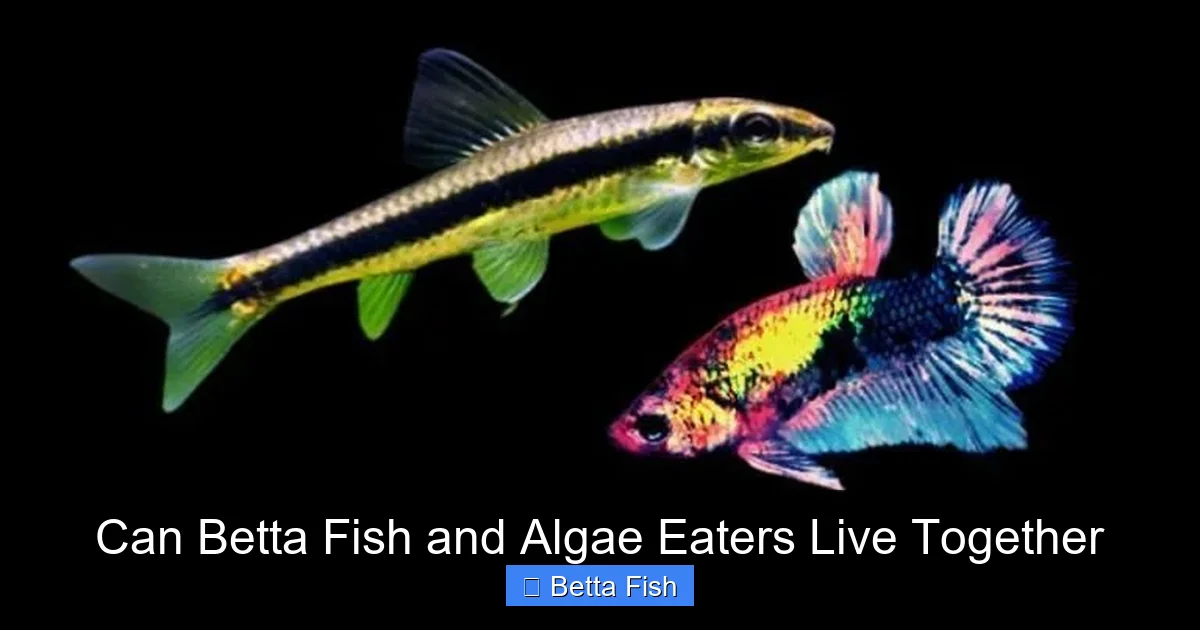
Visual guide about Can Betta Fish and Algae Eaters Live Together
Image source: tinyfishtank.com
Key Factors That Influence Compatibility
- Size: A larger betta may tolerate a small algae eater, but a tiny betta could be bullied.
- Gender: Male bettas are generally more aggressive than females.
- Tank environment: A crowded tank amplifies stress, while a well‑decorated space diffuses tension.
Top Algae Eaters That Can Coexist with Betta Fish
Siamese Algae Eater (Crossocheilus siamensis)
Often the first choice, the Siamese algae eater (SAE) grows up to 6 inches and stays mostly in the mid‑to‑bottom levels, leaving the betta’s surface territory alone. They are fast swimmers and can escape a hostile betta if needed.
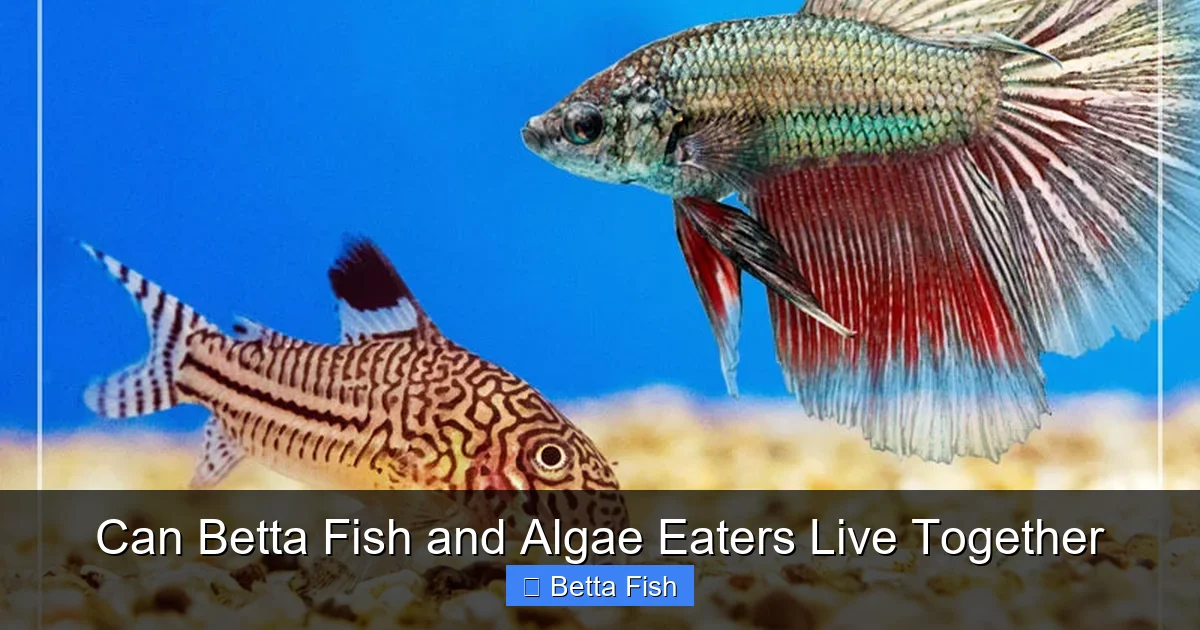
Visual guide about Can Betta Fish and Algae Eaters Live Together
Image source: smartaquariumguide.com
Tip: Keep the SAE in a group of at least three; they become less shy and are less likely to nip at the betta’s fins.
Nerite Snails
Nerite snails are tiny, non‑aggressive algae grazers that stick to glass and decorations. They do not compete for food and are immune to most fish attacks because their shells protect them.
Because they reproduce only in brackish water, you won’t get a snail explosion in a freshwater betta tank.
Amano Shrimp (Caridina multidentata)
Although technically a crustacean, Amano shrimp are excellent cleaners. They are quick enough to avoid a curious betta, especially if plenty of plant cover is provided.
Read more about shrimp compatibility in our article Can Shrimp And Betta Fish Live Together.
Otocinclus Catfish
These tiny catfish (often called “Otos”) love to nibble on soft algae. They stay low in the water column and are peaceful. A group of 4‑6 Otos works best, as they are shy alone.
Apple Snails
Apple snails are larger than nerites and can clear larger algae blooms. They are generally safe, but watch for aggressive bettas that might try to bite their soft bodies.
Setting Up the Tank for Success
Choosing the Right Tank Size
While a betta can survive in a 2‑gallon bowl, a community tank needs space. Aim for at least 10 gallons for a single male betta plus one or two algae eaters. More space reduces territorial disputes.
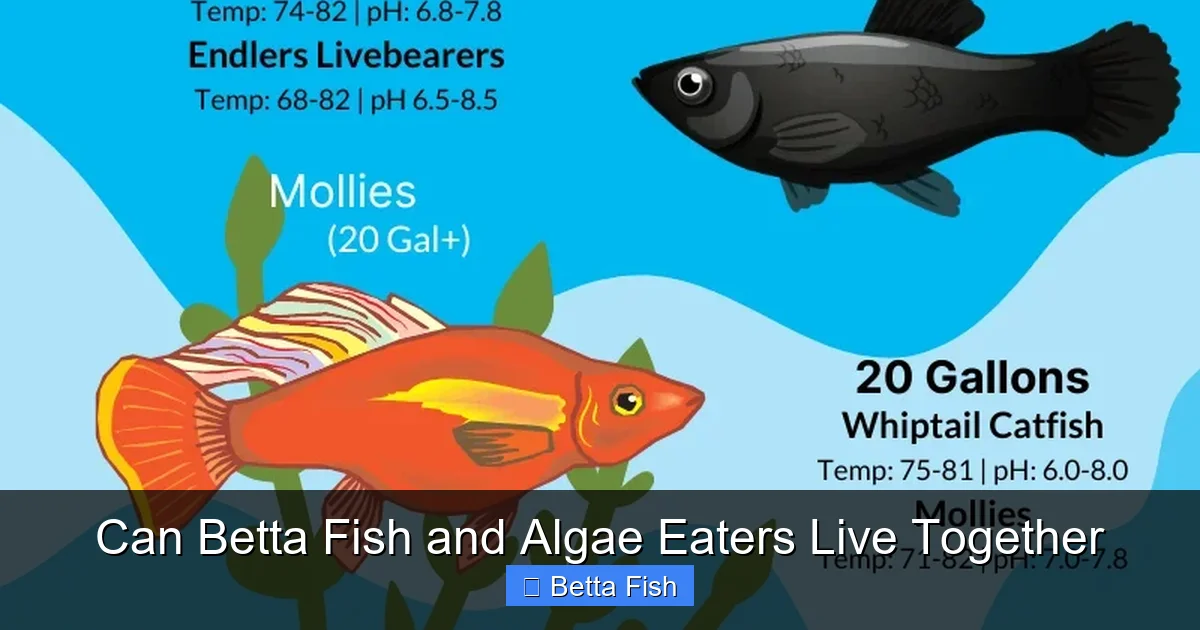
Visual guide about Can Betta Fish and Algae Eaters Live Together
Image source: bettacarefishguide.com
Water Parameters to Keep Both Happy
- Temperature: 76‑80°F (24‑27°C) – most algae eaters thrive in this range.
- pH: 6.5‑7.5 – stable, slightly acidic to neutral water works well.
- Hardness: 4‑12 dGH – soft to moderately hard water suits both.
Decoration and Hiding Places
Live plants, driftwood, and smooth rocks create visual barriers. Dense foliage like Java fern or Anubias gives the algae eater a refuge and keeps the betta from constantly seeing the newcomer.
Introducing the Algae Eater
After the betta has been in the tank for at least a week and is eating well, perform a “quarantine” dip for the algae eater. Then use a net to gently place the algae eater into the tank, allowing it to acclimate slowly.
Monitoring Compatibility and Preventing Problems
Signs of Stress in Betta or Algae Eater
- Faded colors or clamped fins in the betta.
- Rapid hiding, loss of appetite, or unusual swimming in the algae eater.
- Frequent chasing or fin nipping.
What to Do If Aggression Occurs
1. Re‑arrange décor to break line‑of‑sight.
2. Add more hiding spots.
3. Consider moving the algae eater to a separate tank if aggression persists.
When to Separate
If the betta repeatedly attacks the algae eater, or if the algae eater shows signs of injury, it’s best to house them separately. A dedicated algae eater tank can still benefit the main display by providing “clean‑up crew” algae control.
Benefits of a Successful Betta‑Algae Eater Pairing
Cleaner Water and Healthier Fish
Algae eaters consume excess nutrients, reducing nitrate spikes and keeping the water clearer. This improves the betta’s health and prolongs its vibrant colors.
Natural Behavior Stimulation
Both species get to exhibit natural foraging behaviors, reducing boredom and stress.
Cost‑Effective Maintenance
Less need for chemical algae removers means lower long‑term costs and a more natural aquarium.
Common Questions and Quick Answers
Below are some of the most frequently asked questions about mixing bettas with algae eaters.
Frequently Asked Questions
Can a male betta live with a Siamese algae eater?
Yes, a male betta can often coexist with a Siamese algae eater if the tank is large enough and there are plenty of hiding spots.
Are nerite snails safe for a betta?
Absolutely. Nerite snails have hard shells that protect them, and they stay out of the betta’s primary swimming zone.
Will an algae eater eat my betta’s food?
Most algae eaters prefer plant matter, but they may nibble at leftover pellets. Feed the betta first, then add the algae eater after a few minutes.
Can I keep multiple algae eaters with one betta?
Yes, especially small species like Otocinclus or a group of three Siamese algae eaters. Just ensure the tank is adequately sized.
What if my betta shows fin nipping?
Immediately provide more cover, consider a larger tank, or separate the algae eater to prevent injury.
Do algae eaters help prevent other fish diseases?
By reducing excess algae, they improve water quality, which can lower the risk of bacterial and fungal infections in bettas.