Finding a healthy female betta fish requires knowing where to shop. Prioritize reputable local fish stores and specialized online breeders who prioritize fish health over quantity. Avoid big-box retailers where bettas are often kept in poor conditions, leading to stress and illness. Always inspect fish for active behavior, intact fins, and clear eyes before purchasing, regardless of the source.
Key Takeaways
- Local Fish Stores (LFS) are often the best first stop: You can see the fish’s health firsthand and get expert advice from staff who care about their inventory.
- Specialized online breeders are top-tier for quality: They focus on genetics, health, and proper acclimation, shipping healthy, quarantined fish directly to you.
- Avoid standard pet stores and big-box retailers: Their bettas are typically mass-sourced, kept in deplorable conditions, and have a high risk of being sick or stressed.
- Always assess fish health visually: Look for active swimming, full and undamaged fins, clear eyes, and vibrant color—avoid any fish that is listless or clamped.
- Ask detailed questions before you buy: Inquire about water parameters, feeding routines, and quarantine policies. A reputable seller will have clear answers.
- Be prepared for a proper home setup: A female betta needs a filtered, heated tank of at least 5 gallons with hiding spots, not a tiny bowl.
📑 Table of Contents
- Introduction: The Journey for Your Perfect Female Betta
- Local Fish Stores (LFS): The Gold Standard for First-Time Buyers
- Online Betta Breeders & Specialty Retailers: Premium Quality, Delivered
- Why You Should Avoid Big-Box Retailers and Standard Pet Stores
- Other Potential Sources: Auctions, Rescues, and Swaps
- Your Checklist: How to Choose a Healthy Female Betta, No Matter Where You Buy
- Conclusion: A Ethical Choice for a Lifelong Companion
Introduction: The Journey for Your Perfect Female Betta
So, you’ve decided to bring a stunning female betta fish into your life. Excellent choice! While the flashy, long-finned males often steal the spotlight, female bettas offer their own unique charm—often with equally vibrant colors, fascinating personalities, and the potential for peaceful community tank setups. But before you can enjoy the graceful swim of your new aquatic companion, you face a crucial first step: where to buy female betta fish. This isn’t just about convenience; it’s about ethics, animal welfare, and setting yourself up for long-term success. A healthy start means a healthier, happier fish and a more rewarding experience for you.
The marketplace for bettas is a mixed bag, ranging from dedicated, passionate breeders to stores where these magnificent fish are treated as disposable inventory. Navigating this landscape is key. This comprehensive guide will walk you through every potential source, from your neighborhood aquarium shop to a breeder’s website miles away. We’ll arm you with the knowledge to spot a healthy female betta, ask the right questions, and ultimately make a purchase you can feel good about. Your future finned friend deserves the best start, and this article is your roadmap to finding exactly that.
Local Fish Stores (LFS): The Gold Standard for First-Time Buyers
For many hobbyists, the local fish store (LFS) represents the ideal place to buy a female betta fish. These are not the large corporate pet chains, but independently owned shops run by people who are genuinely passionate about aquatic life. The advantages here are tangible and immediate.
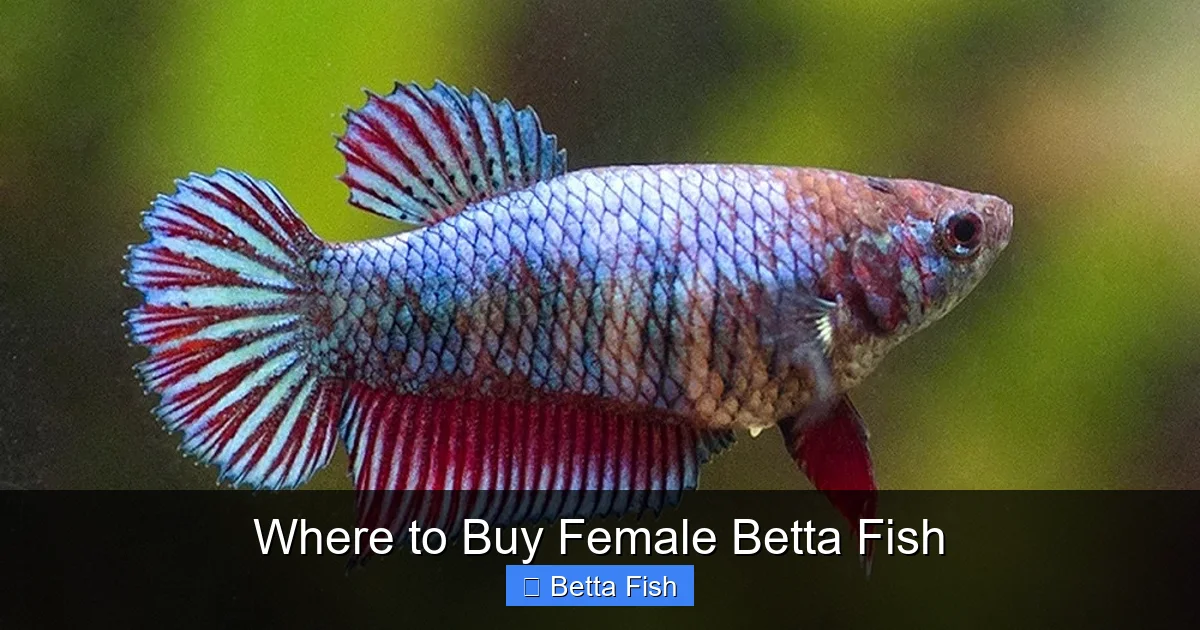
Visual guide about Where to Buy Female Betta Fish
Image source: cdn11.bigcommerce.com
The Hands-On Inspection Advantage
The single biggest perk of shopping locally is the ability to see the fish in person, up close. You can observe its behavior in its current environment. Is the female betta actively exploring? Is she swimming with purpose, fins held high and proud? Or is she hovering listlessly at the top or bottom, fins clamped tight against her body? You can check for common physical ailments: do her eyes look clear and bright, or are they cloudy or protruding? Are her fins full and undamaged, or are they torn, frayed, or showing signs of fin rot (white or black edges, mottled appearance)? You can even gently tap the glass (lightly!) to see if she responds with a curious approach or a stressed dart away. This level of inspection is impossible with online shopping.
Building a Relationship with Experts
The staff at a good LFS are invaluable resources. They know the specific fish in their care. You can ask: “How long has this female betta been here?” “What have you been feeding her?” “Has she shown any signs of aggression or illness?” “What are the water parameters in this display tank?” A knowledgeable, honest employee will welcome these questions and give you straight answers. They can also advise on tank setup, compatible tank mates for a female betta (like certain rasboras or Corydoras catfish), and long-term care. Building this relationship can be a lifeline if you encounter problems later. They are your local support system.
What to Look For in a Reputable Local Store
Not all local stores are created equal. Use this checklist:
- Tank Cleanliness: Are the display tanks clean, with minimal algae and debris? Is the water clear?
- Fish Condition: Do the bettas (and other fish) look generally healthy and active? Are they housed appropriately? Bettas should ideally be in individual containers, but if they are in community tanks, they should have plenty of space and visual barriers (plants, décor) to reduce stress.
- Staff Knowledge: Do the employees seem informed and passionate, or are they just teenagers counting hours until closing?
- Quarantine Practices: Do they have a separate system for new arrivals? A good store will quarantine new fish for at least 2-4 weeks to monitor for disease before adding them to display tanks.
- Variety: Do they have a selection of female bettas? Females are often less common in stores than males, so a dedicated store will make an effort to stock them.
Bottom Line: A great local fish store is your prime candidate for buying a female betta. You get transparency, expertise, and the chance to bring home a fish you’ve personally vetted.
Online Betta Breeders & Specialty Retailers: Premium Quality, Delivered
If your local options are lacking, the internet opens up a world of exceptional female bettas. This is where you find the true enthusiasts: breeders who dedicate themselves to improving the species and retailers who specialize in importing high-quality, ethically-sourced bettas. Buying a female betta online requires more trust and research, but the payoff can be spectacular.
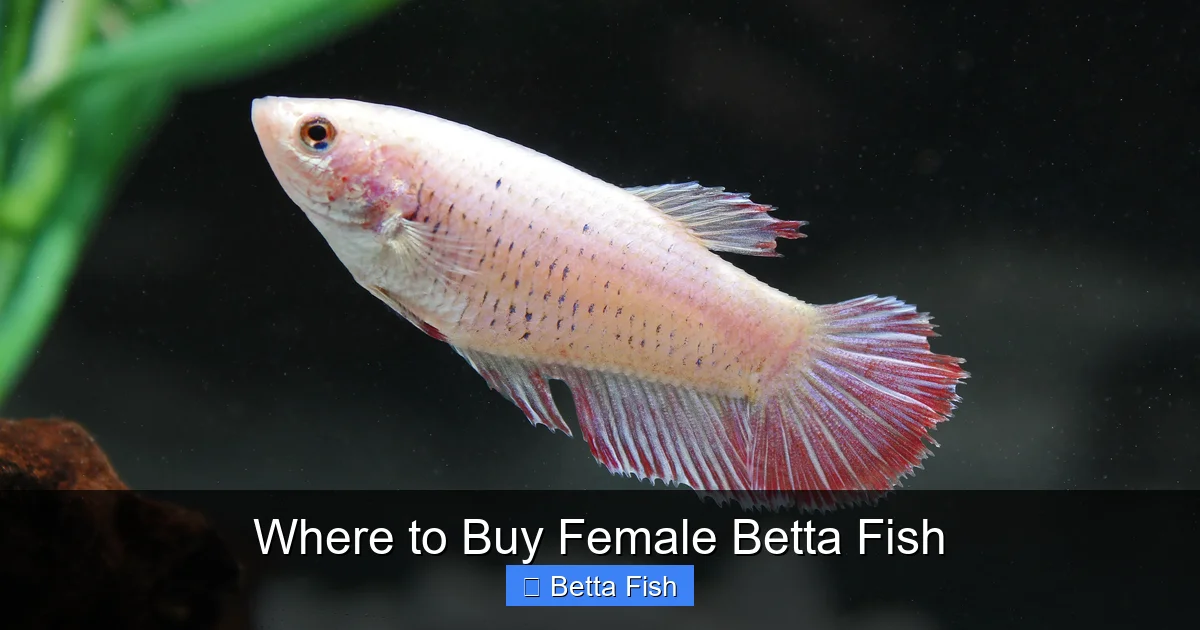
Visual guide about Where to Buy Female Betta Fish
Image source: naturalenvironmentaquatix.com
Why Go Online? Access to Quality and Rarity
Online breeders and specialty sites (like Betta Boutique, AquaBid, or dedicated breeders on Etsy or Facebook groups) offer access to colors, patterns (like koi, marble, or butterfly), and fin types you will almost never see in a local store. These sellers often work directly with breeders in Thailand, the betta’s native home, or are breeders themselves. They select for health, temperament, and beauty. You can often view photos and videos of the exact fish you will receive, sometimes even its parents. This level of transparency and selection is unparalleled.
The Critical Importance of Reputation and Shipping
Shipping live animals is a high-stakes operation. A reputable online seller will have a flawless, well-documented shipping process. Look for these hallmarks:
- Heath Guarantee: They will have a clear, written guarantee (e.g., 14-30 days) that covers dead-on-arrival (DOA) and often illnesses that manifest shortly after arrival. Read the terms carefully.
- Shipping Method: They use overnight or 1-2 day shipping, often with heat or cold packs depending on the season. They ship only on Mondays or Tuesdays to avoid the fish being stuck in a warehouse over the weekend.
- Acclimation Instructions: They will provide detailed drip acclimation instructions. Do not buy from anyone who suggests just floating the bag.
- Quarantine: The best breeders and sellers will quarantine all new fish for a minimum of 4-6 weeks before offering them for sale. Ask about their quarantine protocol.
- Reviews and Community Presence: Search for the seller’s name + “review” or “experience.” Check betta forums (like Fishlore or Seriously Fish) and Facebook groups. Consistently positive feedback from multiple buyers over time is a very good sign.
What to Expect: Price and Process
Expect to pay significantly more for an online female betta than at a big-box store. Prices can range from $30 for a nice standard female to $100+ for a show-quality specimen with rare coloration. This price reflects the breeder’s time, the fish’s quality, the cost of quarantine, and the risk/cost of shipping. The process typically involves reserving a specific fish from a photo/video listing, paying (often via PayPal for buyer protection), and then waiting for a shipping notification with a tracking number. Be home to receive the package immediately upon delivery.
Bottom Line: For a truly special, healthy female betta with known genetics, a vetted online breeder or specialty retailer is the way to go. It requires more upfront research but connects you with the best in the hobby.
Why You Should Avoid Big-Box Retailers and Standard Pet Stores
It’s crucial to explicitly address the most visible, but often worst, option: the large chain pet stores and general merchandise stores with pet sections. While the convenience and low price are tempting, buying a female betta fish from these sources is a gamble with a high probability of loss and supports a cycle of poor animal welfare.

Visual guide about Where to Buy Female Betta Fish
Image source: tropicflow.com
The “Betta in a Cup” Tragedy
The standard practice at these stores is to house bettas in tiny, isolated plastic cups or jars, often stacked on poorly maintained shelves. The water is typically cold (bettas need 78-80°F), dirty, and devoid of filtration or heating. Fish are subjected to constant stress from loud noises, vibrations, and the sight of other males (even in separate cups, they see each other and flare aggressively). This environment severely compromises their immune systems. A female betta purchased from such a place is almost always chronically stressed, possibly suffering from fungal infections, fin rot, or internal parasites. The “low price” you pay upfront often leads to high veterinary bills or, more likely, the death of the fish within weeks.
Lack of Expertise and Transparency
Employees at these stores are rarely trained aquarists. They cannot answer specific questions about the fish’s origin, health history, or even basic care. The bettas are mass-imported as commodities, with no individual tracking or health history. There is no quarantine. When a fish dies in the cup, it may not be noticed for days. You are buying a mystery animal with a high probability of hidden illness.
The Ethical Consideration
By purchasing a betta from these establishments, you are directly creating demand for their model. The low price point is only possible through immense animal suffering and high mortality rates. The most powerful vote you have is with your wallet. Choosing not to buy from them, and instead supporting ethical local businesses or breeders, sends a message and helps drive change.
Bottom Line: For the sake of the fish’s welfare, your own experience, and ethical reasons, do not buy a female betta fish from big-box retailers or standard pet chains. The risks far outweigh any perceived benefits.
Other Potential Sources: Auctions, Rescues, and Swaps
Beyond the main three categories, you might encounter other avenues. These come with their own unique sets of opportunities and challenges.
Online Auctions (e.g., AquaBid)
Platforms like AquaBid function as marketplaces where breeders and hobbyists list fish for auction. This can be a fantastic place to find high-quality, specific female bettas. However, it’s the “wild west.” You are buying directly from individual sellers, so the vetting process is entirely on you. Scrutinize the seller’s feedback religiously. Understand their shipping policies, guarantees, and reputation within the community. The fish may be coming from a private breeder’s setup, which can be excellent, or from a less reputable source. Due diligence is non-negotiable here.
Rescuing from Rehoming Groups
Sometimes, bettas are in need of rescue—from owners who can no longer care for them, or from neglectful situations. Local or online rescue groups (often on Facebook) sometimes have bettas available. This is a commendable act, but it comes with unknowns. The fish’s health history, age, and temperament may be unclear. Be prepared for potential health issues and the need for a quiet, stress-free recovery tank. Patience is key, as a rescued betta may take time to decompress and show its true colors. Always ask for as much information as possible about the fish’s previous care.
Local Hobbyist Swaps or Club Sales
If you’re lucky enough to live near an active aquarium club or hobbyist community, you might find opportunities to buy or swap fish directly from other enthusiasts. This is often an excellent source of healthy, well-cared-for bettas. You can see the parent fish and learn about the line. Again, rely on community reputation. If someone is known and respected in the local club, their fish are likely to be well-bred and healthy.
Bottom Line: These alternative sources can yield wonderful results but require the highest level of personal vetting and carry more inherent risk than a established LFS or breeder. Proceed with caution and ask endless questions.
Your Checklist: How to Choose a Healthy Female Betta, No Matter Where You Buy
Armed with knowledge of where to shop, your final and most important task is to select a healthy fish. This checklist applies whether you’re standing at a store tank or watching a live video online.
The Active, Alert Fish
A healthy betta is an active betta. She should be swimming gracefully, exploring her environment. She may flare at her reflection or a finger gently placed on the glass (a sign of spirit!). Avoid any fish that is hovering at the top gasping for air (unless the water is very oxygen-poor, which is itself a bad sign), lying listless on the bottom, or constantly clamped to a single spot. While some bettas are more laid-back, there should be a baseline of alertness.
Fin Perfection and Body Condition
Examine the fins carefully. They should be full, undamaged, and move fluidly. Look for signs of fin rot (ragged edges, white or black tips, cotton-like fungus), or nipping (especially if housed with other bettas). The body should be streamlined and not bloated or emaciated. A mild “hump” on the back is normal in older females, but a severe, bony protrusion is not.
Eyes, Gills, and Scales
Eyes should be clear, symmetrical, and bulging-free (pop-eye is a sign of infection or poor water quality). The gill covers should move evenly and without strain. There should be no visible redness, spots, or scratches on the body. Scales should lie flat and be intact.
Color and Pattern
Vibrant, even color is a great sign of health. While color can fade with stress or age, a severely pale or discolored fish is a red flag. Be aware that some female bettas have a more “washed out” base color compared to males, but patterns and iridescence (shimmery blue/green) should still be visible.
Ask About Recent History
Wherever possible, ask: “How long has this fish been at the store/shop?” A fish that just arrived is under immense stress and more susceptible to disease. A fish that has been in a stable, well-maintained system for a few weeks is a safer bet. For online sellers, this is where quarantine documentation becomes vital.
Final Pro-Tip: Trust your gut. If a store or seller seems evasive, uncaring, or unwilling to answer basic health questions, walk away. The right fish is out there, and your patience will be rewarded with a companion that brings you joy for years to come.
Conclusion: A Ethical Choice for a Lifelong Companion
Choosing where to buy female betta fish is the foundational decision that shapes your entire betta-keeping journey. It’s about more than just acquiring a pet; it’s an ethical choice that supports either an industry of neglect or a community of compassion. By actively seeking out reputable local fish stores or dedicated online breeders, you are voting with your wallet for better animal welfare. You are investing in a fish that has been raised with care, quarantined for health, and is far more likely to thrive in your care.
Remember, a female betta is not a disposable decoration. She is a sentient creature with a lifespan of 2-5 years (or more with excellent care). She deserves a proper, cycled aquarium with a heater and filter, a varied diet, and an environment that respects her needs. Start that relationship on the right foot by sourcing her from a place that values her as more than just a product. Do your research, ask tough questions, and inspect with a critical eye. The vibrant, active, and beautiful female betta that ultimately swims into your home will be a testament to your patience and ethics. Welcome to the wonderful world of betta keeping—may your new finned friend bring you countless moments of peace and fascination.
Frequently Asked Questions
Can female betta fish live together?
Female bettas can sometimes be kept together in a “sorority tank” of at least 10+ gallons with many plants and hiding spots, but it requires significant expertise and carries risk of aggression. For beginners, it is safest to house a female betta as a solitary pet or with very peaceful, fast-moving tank mates like neon tetras or harlequin rasboras.
How can I tell if an online betta seller is reputable?
Look for clear health guarantees, detailed shipping policies, evidence of quarantine (often mentioned on their site/FAQ), and overwhelmingly positive reviews across multiple platforms (forums, Facebook groups). They should provide high-quality photos/videos of the exact fish and be responsive to pre-purchase questions.
What is the ideal tank setup for a female betta?
A single female betta needs a minimum of 5 gallons (larger is always better) with a gentle filter and a reliable heater set to 78-80°F. She requires a secure lid (bettas jump!), soft, silk or live plants for resting, and hiding spots like caves or PVC pipes. Avoid strong water flow and aggressive tank mates.
Why are female bettas sometimes harder to find than males?
Historically, the betta hobby focused on males for their spectacular fins and colors. While female bettas are now widely bred for beauty, many large-scale commercial operations still prioritize males for the mainstream market, making them more common in big-box stores. Specialty breeders and stores are more likely to stock a variety of females.
Is it normal for a new female betta to be pale or clamped at first?
Some stress fading and clamped fins are common during the first 24-48 hours in a new environment as the fish acclimates. Ensure the water parameters are perfect, the tank is quiet, and provide floating plants or a betta leaf for security. If these symptoms persist beyond a few days, it indicates a deeper health issue.
What should I do if my new female betta arrives sick or dies in shipping (DOA)?
Contact the seller immediately with clear photos/video evidence (within their stated guarantee window, usually 2-6 hours of delivery for DOA). Reputable sellers will offer a refund or replacement. For an online purchase, using PayPal Goods & Services provides additional buyer protection. Always document everything.

