Can Betta Eat Regular Fish Food
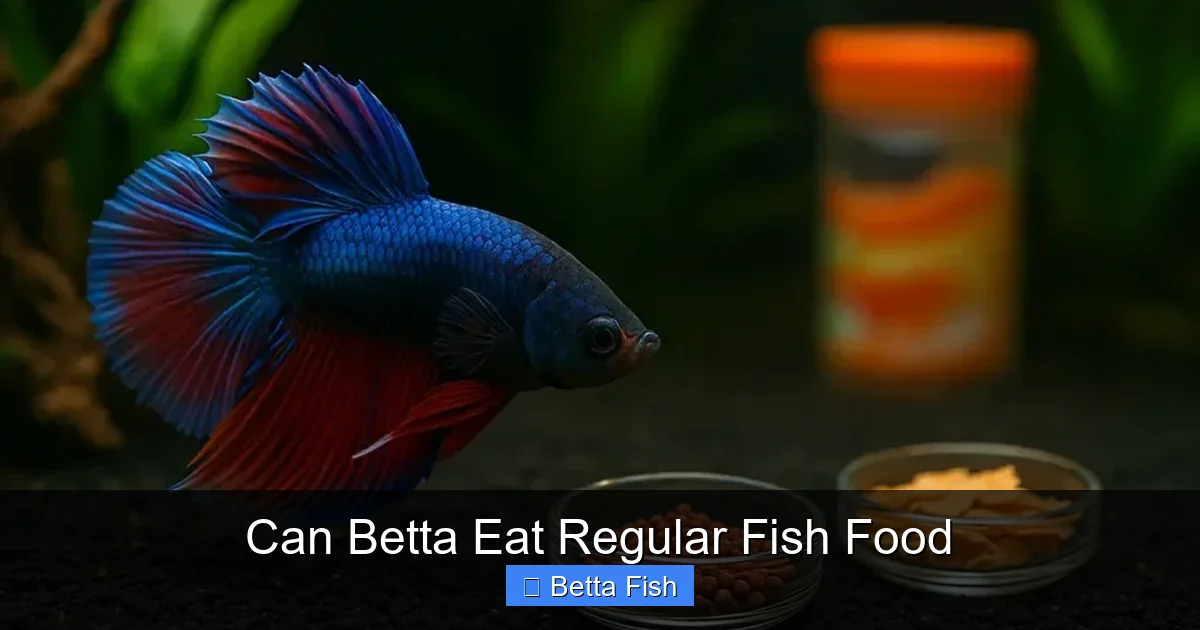
Betta fish have unique dietary needs, and while they can nibble on some regular fish foods, it’s not always the best choice. Understanding the differences between betta‑specific and generic fish foods helps you keep your finned friend thriving.
Key Takeaways
- Betta nutrition is protein‑focused: They need high‑quality animal protein, not the plant‑heavy formulas meant for community tanks.
- Occasional regular fish food is safe: Small amounts of high‑protein flakes or pellets won’t hurt, but it shouldn’t replace betta‑specific meals.
- Watch for size and texture: Betta mouths are small; oversized pellets can cause choking or waste.
- Live or frozen foods boost health: Daphnia, bloodworms, and brine shrimp mimic a betta’s natural prey.
- Water quality matters: Over‑feeding regular fish food can cloud the water and stress your betta.
- Seasonal and age differences: Fry need finer foods; adults can handle slightly larger pellets.
- Internal resources: Check our articles on betta diet basics and feeding live foods for deeper insight.
📑 Table of Contents
Introduction: Why the Question Matters
If you’ve just brought home a dazzling male betta or a shy female, the first thing you’ll wonder is, “Can betta eat regular fish food?” It’s a natural question because most pet stores stock large bags of “tropical fish flakes” or “community pellets” that look cheap and convenient. Yet bettas are not your average tropical fish. Their wild ancestors prowled the shallow waters of Thailand, feeding on insects, larvae, and tiny crustaceans. This carnivorous heritage means they thrive on protein‑rich meals, not the plant‑heavy fare many community fish enjoy.
In this article we’ll break down the science behind betta nutrition, compare betta‑specific foods with regular fish foods, and give you practical feeding plans that keep your betta vibrant and healthy. By the end, you’ll know exactly when it’s okay to offer a regular flake and when you should stick to betta‑only formulas.
Understanding Betta Dietary Needs
What Betta Fish Eat in the Wild
Wild bettas (Betta splendens) inhabit stagnant rice paddies, slow‑moving streams, and flood‑plain pools. Their diet consists mainly of:
Visual guide about Can Betta Eat Regular Fish Food
Image source: bettafishworld.com
- Insect larvae (mosquito, midge)
- Small crustaceans (water fleas, tiny shrimp)
- Worms and zooplankton
All of these are high in protein and low in fiber. The natural diet explains why bettas have a short, straight gut designed for quick digestion of animal matter.
Key Nutritional Requirements
Because of their carnivorous roots, bettas need:
- Protein: 30‑40% of the diet should come from animal sources.
- Fats: Essential fatty acids for vibrant coloration and healthy fins.
- Vitamins & minerals: Especially B‑complex, vitamin C, and calcium.
Any food that fails to meet these ratios will leave your betta sluggish, prone to disease, or with faded colours.
Regular Fish Food vs. Betta‑Specific Food
What Is “Regular” Fish Food?
Regular fish food usually means the flakes or pellets marketed for “tropical community tanks.” These formulas are designed to please a wide range of species, many of which are omnivores or herbivores. Consequently, they contain:
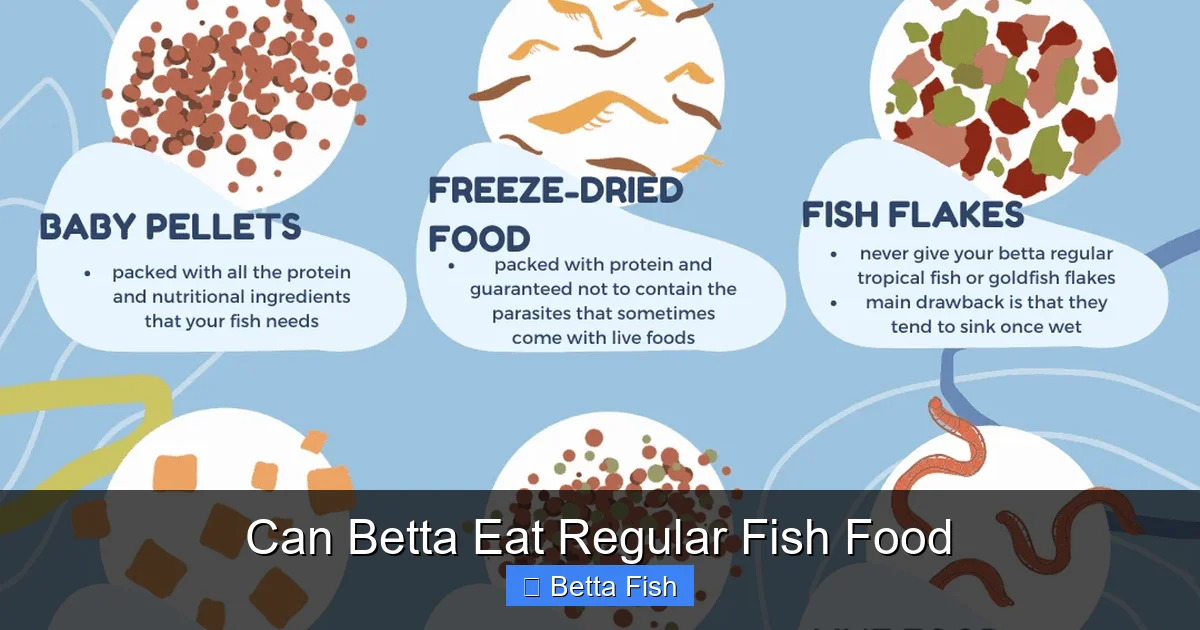
Visual guide about Can Betta Eat Regular Fish Food
Image source: tankarium.com
- Higher plant material (spirulina, algae, wheat germ)
- Lower overall protein (often 20‑25%)
- Larger pellet size for bigger fish
While safe for many community fish, the lower protein and higher fiber can be sub‑optimal for a betta.
Betta‑Specific Foods
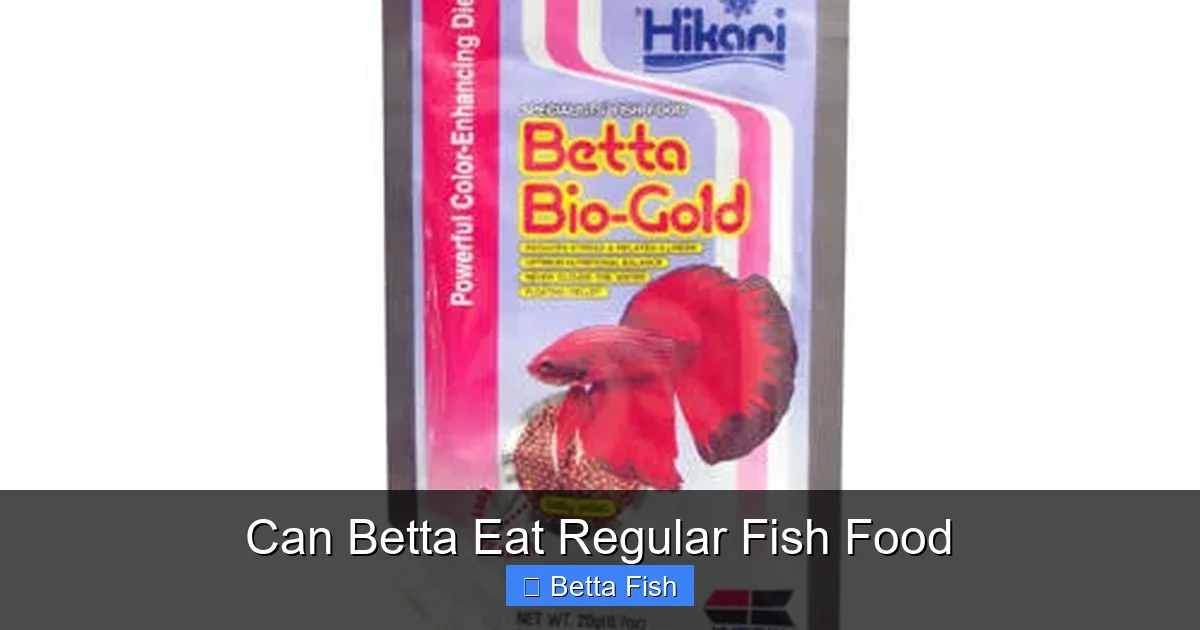
Betta‑only flakes and pellets are formulated to mimic the carnivorous diet of wild bettas. They typically contain:
- 30‑40% animal protein (fish meal, shrimp meal)
- Added gelatin or binders for small, easy‑to‑swallow pellets
- Enhanced colors from natural carotenoids
These foods dissolve slowly, allowing the betta to nibble throughout the day—a feeding style that matches their natural “hunt‑and‑eat” behavior.
Can Betta Eat Regular Fish Food?
Short answer: Yes, but only occasionally and with caution. If you feed a high‑protein regular flake (look for ≥30% protein) and break it into tiny pieces, a betta can digest it without issue. However, most low‑protein, large‑pellet community foods will leave your betta hungry and may pollute the tank.
Practical Feeding Guidelines
When to Use Regular Fish Food
Consider regular fish food in these scenarios:
Visual guide about Can Betta Eat Regular Fish Food
Image source: petshun.com
- Emergency backup: You ran out of betta food and need a short‑term solution.
- Testing preferences: Some bettas enjoy the texture of certain flakes; a tiny amount can add variety.
- Mixed community tanks: If you keep a betta with very small, peaceful species, a high‑protein flake can be shared safely.
In each case, choose a flake with at least 30% protein, crush it to a size smaller than a pea, and feed only 1‑2 tiny pieces once or twice a day.
How to Transition Safely
- Start small: Offer a single crushed piece and observe for 15 minutes.
- Watch for waste: If the flake sinks untouched, it’s too big or unappealing.
- Gradual increase: Add another piece only after the betta finishes the first.
- Return to betta food: After 3‑4 days, switch back to your regular betta diet.
Feeding Frequency and Portion Size
Adult bettas do well on 2‑3 small meals per day, each the size of a pea. Fry (baby bettas) need finer foods like microworms or powdered betta flakes, fed 4‑5 times daily. Over‑feeding is a common mistake; uneaten food quickly degrades water quality, leading to ammonia spikes.
Best Complementary Foods
Even if you occasionally use regular fish food, supplement with high‑quality live or frozen options:
- Daphnia: A tiny crustacean that also helps clean the tank.
- Bloodworms (frozen): Rich in protein and irresistible to most bettas.
- Brine shrimp (nauplii): Excellent for color enhancement.
These foods mimic the betta’s natural prey and boost overall health.
Potential Risks of Relying on Regular Fish Food
Nutritional Deficiencies
Low‑protein community flakes can lead to:
- Reduced growth in fry
- Faded coloration in adults
- Weakened immune system, making the betta vulnerable to velvet or fin rot
Digestive Problems
Large pellets may get stuck in a betta’s mouth or pass too quickly, causing constipation or “swim‑bladder” issues. Betta fish have a short digestive tract; foods that dissolve too slowly can sit in the gut and ferment.
Water Quality Decline
Uneaten regular flakes sink to the bottom, breaking down into ammonia and nitrite. This not only stresses your betta but also encourages algae growth. Regular water changes (20‑30% weekly) become essential if you feed any dry food.
Expert Tips for a Healthy Betta Diet
Read the Label
Always check the protein content. Aim for ≥30% animal protein. Avoid formulas that list “plant protein” as the first ingredient.
Rotate Foods
Just like humans, bettas benefit from variety. Alternate between betta pellets, high‑protein flakes, and occasional live/frozen treats. This prevents boredom and ensures a balanced nutrient intake.
Use a Feeding Schedule
Set a consistent feeding time each day. Betta fish are creatures of habit and will eat more reliably when they know when to expect food.
Monitor Health Indicators
Bright, upright fins, active swimming, and a healthy appetite are signs you’re feeding correctly. Watch for loss of color, frayed fins, or lethargy—these may signal a dietary issue.
When to Seek Professional Help
If your betta stops eating for more than 48 hours, or you notice rapid weight loss, consult a veterinarian who specializes in aquatic animals. Early intervention can prevent serious health problems.
Conclusion: Balance Is the Key
So, can betta eat regular fish food? The answer is nuanced. A betta can safely consume a small amount of high‑protein regular flakes or pellets, but these should never replace a diet formulated specifically for their carnivorous needs. By prioritizing betta‑specific foods, supplementing with live or frozen protein sources, and using regular fish food only as an occasional treat, you’ll give your betta the best chance at a long, colorful life.
Remember, a happy betta is a well‑fed betta. Keep an eye on the ingredient list, watch your fish’s response, and maintain clean water, and you’ll enjoy the dazzling display of a healthy betta for years to come.
For more detailed information on what bettas can eat and how to choose the right food, see our article What Can Betta Fish Eat. If you’re curious about feeding other species, check out Can Regular Fish Eat Betta Food and Can Betta Fish Eat Goldfish Food for useful comparisons.
Frequently Asked Questions
Can I feed my betta any brand of tropical flakes?
Only if the flakes contain at least 30% animal protein and are broken into tiny pieces. Most generic tropical flakes are too low in protein for long‑term use.
Will my betta get sick from eating regular fish food once in a while?
Occasional feeding of a high‑protein regular flake is unlikely to cause illness, but regular use can lead to nutritional deficiencies and water quality problems.
How do I know if my betta is hungry?
A healthy betta will actively hunt at the surface, follow the food line, and show bright colors. If it ignores food for more than two days, it may be ill.
Can I feed my betta the same food as my goldfish?
No. Goldfish food is plant‑heavy and low in protein, which does not meet a betta’s dietary needs. See our guide on Can Betta Fish Eat Goldfish Food for details.
Is it okay to give my betta food that sinks?
Betas prefer foods that float or hover near the surface because they are surface feeders. Sinking foods may go uneaten and pollute the tank.
What should I do if my betta refuses regular fish food?
Stop offering that food immediately. Return to a betta‑specific formula and try adding a small amount of live or frozen protein to entice eating.