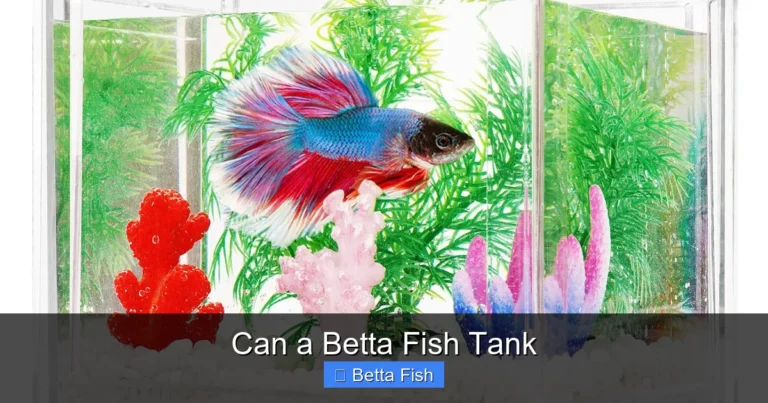
Can Baby Betta Fish Live with Parents

Can baby betta fish live with parents? In most cases, newly‑hatched fry should be separated from adult bettas to prevent stress and aggression. With the right tank conditions, gradual introductions, and careful monitoring, you can safely raise fry alongside their parents for a short period.
Key Takeaways
- Separation is safest: Most adult bettas will see fry as food, so a separate rearing tank is recommended.
- Tank size matters: A 5‑gallon “nursery” tank provides enough space for both parents and fry without crowding.
- Water parameters must be stable: Keep temperature, pH, and hardness consistent to reduce stress for all fish.
- Gradual introductions help: Using a divider or breeding box lets parents see fry without direct contact.
- Feed fry appropriate foods: Infusoria, microworms, and finely crushed pellets keep fry healthy.
- Monitor behavior constantly: Any sign of aggression means immediate separation.
- Know the species’ temperament: Male bettas are more territorial than females, influencing how long fry can stay together.
📑 Table of Contents
- Introduction: Why the Question Matters
- 1. Betta Behavior Basics
- 2. The Ideal Tank Setup for Fry and Parents
- 3. Feeding Strategies for Fry and Adults
- 4. Monitoring Behavior and Signs of Trouble
- 5. Long‑Term Care: Raising Fry to Juveniles
- 6. Frequently Overlooked Factors
- Conclusion: The Bottom Line on “Can Baby Betta Fish Live With Parents?”
Introduction: Why the Question Matters
If you’ve just witnessed the miracle of betta fry hatching, the first thought is often, “Can baby betta fish live with parents?” It’s a natural curiosity because keeping the whole family together seems cute and convenient. However, bettas are famous for their feisty personalities, especially males. Understanding their behavior, water needs, and growth stages is key to answering that question safely.
In this guide we’ll break down everything you need to know—when it’s okay, how to set up the tank, what to watch for, and practical tips for a smooth transition. By the end, you’ll feel confident deciding whether your baby betta fish can share a home with their parents or need a separate nursery.
1. Betta Behavior Basics
Territorial instincts
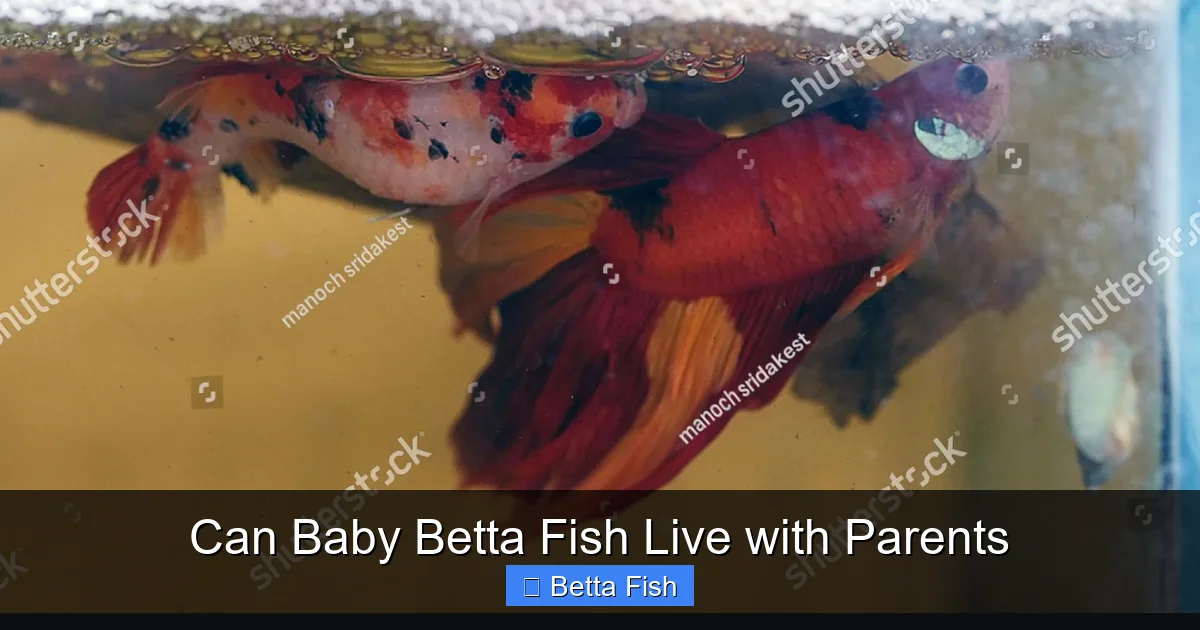
Betta fish (Betta splendens) are naturally territorial. In the wild they guard small puddles, and in captivity a single male will defend his space fiercely. Females are less aggressive but still display dominance when space is limited. This instinct is why many hobbyists ask, “can baby betta fish live with parents?” because the answer hinges on how the adult perceives the fry.
Visual guide about Can Baby Betta Fish Live with Parents
Image source: shutterstock.com
Male vs. female aggression
Male bettas often view anything moving in their tank as a rival or snack. A male may attack fry within minutes of seeing them. Female bettas are generally more tolerant, especially if they have been raised with siblings. Still, both sexes can become stressed in cramped conditions, leading to health problems.
Natural parenting in the wild
In nature, betta parents do not care for their young. Once the eggs hatch, the male’s job is finished. The fry are left to fend for themselves among vegetation. This natural history explains why most breeders separate fry from adults shortly after hatching.
2. The Ideal Tank Setup for Fry and Parents
Choosing the right tank size
A 5‑gallon (19‑liter) tank is the sweet spot for a short‑term “family” setup. It provides enough swimming room for a male, a female, and a small batch of fry without overcrowding. Larger tanks (>10 gallons) are better for long‑term breeding projects but require more filtration and space.
Visual guide about Can Baby Betta Fish Live with Parents
Image source: petshun.com
Water parameters to keep everyone happy
- Temperature: 78‑80°F (25‑27°C) – keep it steady to avoid stressing the fry.
- pH: 6.5‑7.5 – bettas prefer slightly acidic to neutral water.
- Hardness: 3‑8 dGH – soft to moderately hard water mimics their natural habitat.
- Filtration: Use a sponge filter or a low‑flow hang‑on‑back filter to prevent fry from being sucked in.
Using dividers and breeding boxes
One of the safest ways to answer “can baby betta fish live with parents?” is to use a clear acrylic divider or a breeding box. The adult can see the fry, reducing the urge to eat them, while a physical barrier prevents direct attacks. Many hobbyists start with a divider for the first 48‑72 hours, then slowly remove it if the adults show no aggression.
3. Feeding Strategies for Fry and Adults
What to feed baby betta fish
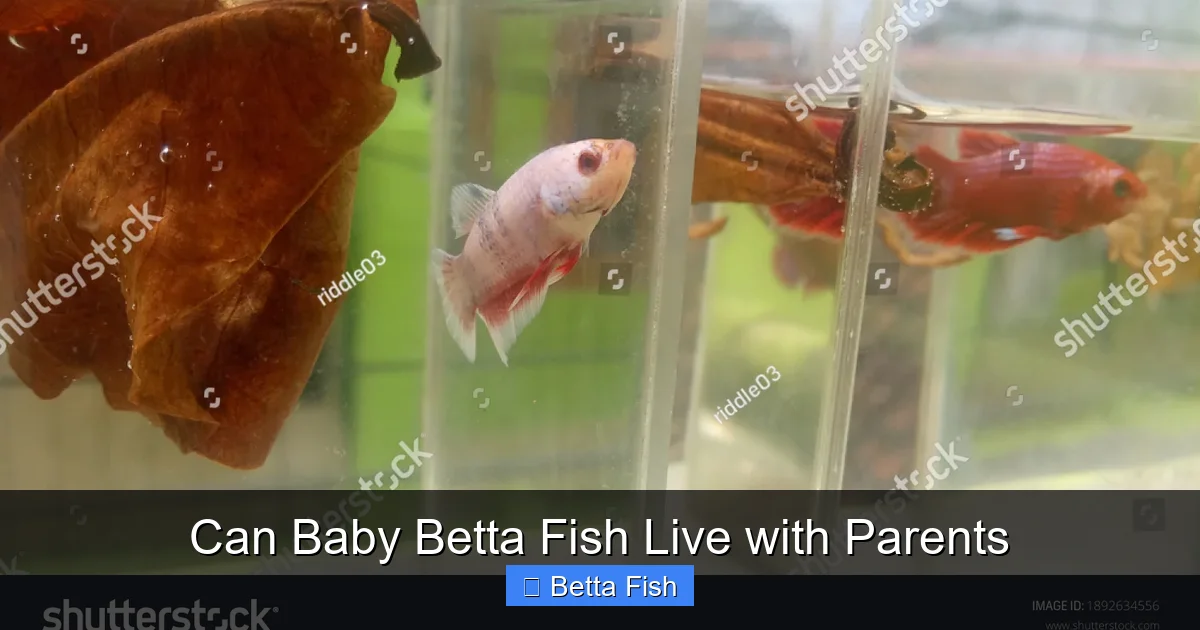
Fry need tiny, live foods they can swallow whole. Infusoria (microscopic organisms) are ideal for the first few days. After 3‑4 days you can graduate to microworms and baby brine shrimp. These foods are easy to culture at home and provide essential protein.
Visual guide about Can Baby Betta Fish Live with Parents
Image source: shutterstock.com
Feeding the parents simultaneously
Adult bettas prefer pellets, frozen or live foods like bloodworms. When feeding both groups, use separate feeding spots: drop fry food in the lower water column and place adult pellets near the surface. This reduces competition and keeps the fry from being mistaken for food.
Feeding schedule
Feed fry 3‑4 times daily in small amounts; over‑feeding can foul water quickly. Adults can be fed twice daily. Consistent feeding helps maintain stable water parameters, which is crucial when asking “can baby betta fish live with parents?” because poor water quality can trigger aggression.
4. Monitoring Behavior and Signs of Trouble
What to watch for
- Chasing or nipping at fry.
- Rapid fin clamping or loss of color in adults (stress indicator).
- Fry staying motionless at the bottom (possible injury).
- Excessive gasping at the surface (poor oxygen).
When to separate immediately
If you see any of the above behaviors, it’s time to move the fry to a dedicated rearing tank. Even a brief skirmish can cause fatal injuries to tiny fry.
Gradual acclimation tips
For families that seem tolerant, try a “soft release” after 5‑7 days: remove the divider, but keep the adults at opposite ends of the tank using a plant or decoration as a visual barrier. Observe for 30 minutes; if no aggression occurs, you can slowly increase interaction time.
5. Long‑Term Care: Raising Fry to Juveniles
When to move fry to a separate tank
Most experts recommend moving fry to a fry‑only tank once they reach 5‑7 mm (about 2‑3 weeks old). At this size they can handle larger foods and are less vulnerable to adult attacks. This is the point where the answer to “can baby betta fish live with parents?” becomes a firm “no” for most setups.
Setting up a fry‑only tank
Use a 10‑gallon tank with fine‑grit substrate, plenty of live plants, and a gentle sponge filter. Keep the water parameters identical to the breeding tank to avoid shock.
Growth milestones
- Week 1‑2: Fry feed on infusoria, start to show spots.
- Week 3‑4: Transition to microworms, begin to develop full coloration.
- Week 5‑6: Can accept crushed betta pellets, ready for separation.
6. Frequently Overlooked Factors
Tank mates and community considerations
If you’re planning a community tank, know that many other fish will view fry as easy prey. For example, see our guide on What Other Fish Can Live With Betta Fish for species that are safe around fry. Generally, keep the fry away from larger, faster swimmers.
Water quality maintenance
Frequent water changes (20‑30% twice a week) are crucial during the fry stage. Small tanks can quickly accumulate ammonia, which is deadly to both fry and adults.
Lighting and plant cover
Soft, diffused lighting reduces stress. Live plants like Java moss or Anubias give fry places to hide, mimicking their natural environment.
Conclusion: The Bottom Line on “Can Baby Betta Fish Live With Parents?”
Short answer: Only for a brief, carefully supervised period. In most cases, separating fry from adult bettas is the safest route. If you choose to keep them together, use a divider, maintain pristine water, feed separate foods, and watch behavior every few minutes. When the fry reach about 5 mm, move them to a dedicated nursery tank to prevent any chance of predation.
By respecting the natural instincts of bettas and providing a stable environment, you can enjoy the wonder of watching baby betta fish grow—whether they stay with their parents for a few days or start a new life in their own tank.
Frequently Asked Questions
Can baby betta fish survive with their parents without a divider?
It’s risky. Most adult bettas, especially males, will try to eat the fry. A clear divider gives visual contact while preventing attacks.
How long can fry stay with adult bettas safely?
Usually 3‑7 days, depending on the adults’ temperament and water conditions. After that, move the fry to a separate rearing tank.
Do female bettas ever eat their own fry?
Females are less aggressive than males, but they can still mistake fry for food if they’re hungry or stressed.
What is the best first food for betta fry?
Infusoria is the ideal first food. It’s tiny enough for newborn fry and easy to culture at home.
Can I keep other small fish with betta fry?
It’s not recommended because most community fish will see fry as easy prey. Check What Other Fish Can Live With Betta Fish for safer options.
How often should I change water when raising betta fry?
Change 20‑30% of the water twice a week, or more often if you notice a spike in ammonia.