Can a Goldfish Be with a Betta Fish
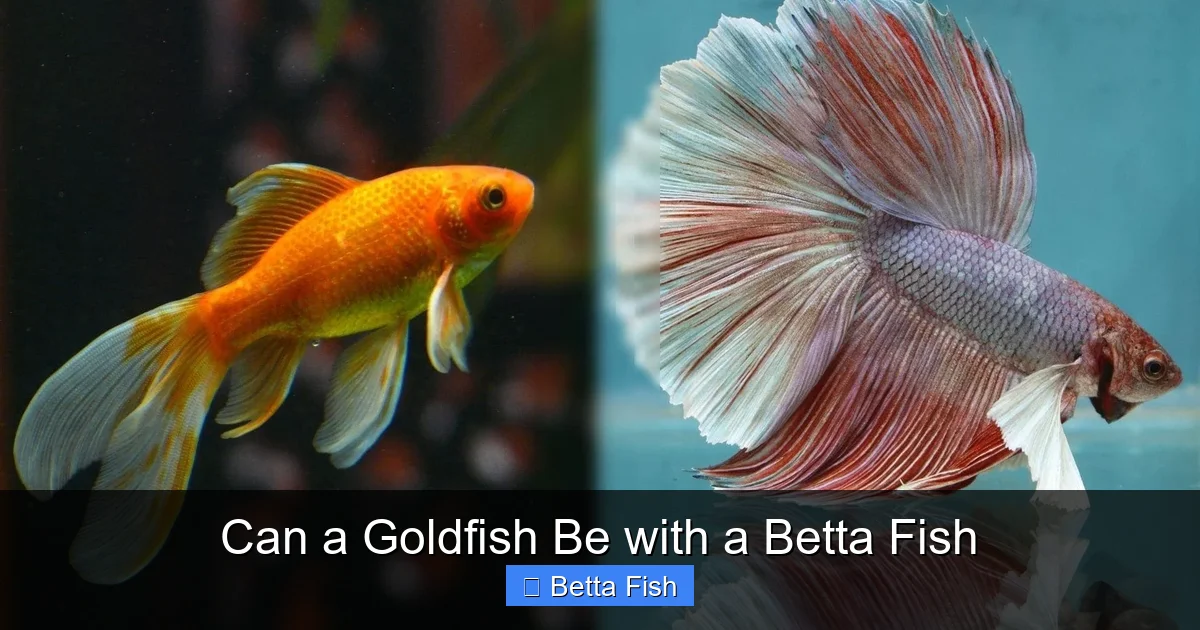
Can a goldfish be with a betta fish? The short answer is: it’s possible, but only under very specific conditions. Success depends on tank size, water parameters, temperament, and careful monitoring.
Key Takeaways
- Tank size matters: A minimum of 20‑gallon (75 L) is recommended for any community tank with a betta and goldfish.
- Temperament is key: Choose a calm, long‑finned betta and a peaceful goldfish variety.
- Water conditions differ: Goldfish need cooler, heavily filtered water; bettas prefer warmer, softer water.
- Separate feeding zones: Feed each species on opposite sides to avoid competition.
- Watch for signs: Aggression, fin nipping, or stress indicate the setup isn’t working.
- Alternative companions: If the betta‑goldfish combo fails, consider snails, shrimp, or peaceful dwarf cichlids.
- Regular maintenance: Frequent water changes and proper filtration keep both species healthy.
📑 Table of Contents
- Introduction: The Dream of a Mixed Tank
- Understanding the Two Species
- Can a Goldfish Be with a Betta Fish? The Core Question
- Setting Up the Perfect Community Tank
- Choosing Compatible Individuals
- Feeding Strategies for a Mixed Tank
- Monitoring Health and Behavior
- When the Combination Doesn’t Work
- Frequently Overlooked Details
- Conclusion: Is It Worth Trying?
Introduction: The Dream of a Mixed Tank
If you’ve ever stared at a bright orange goldfish swimming beside a flowing, rainbow‑colored betta, you’ve probably wondered, can a goldfish be with a betta fish? The idea of a colorful community tank is tempting, especially for beginners who want variety without buying multiple aquariums.
But the reality is a bit more complicated. Goldfish and bettas have different origins, water preferences, and temperaments. In this guide we’ll break down everything you need to know, from the science behind their needs to practical steps that can make a shared tank work—or tell you when to keep them apart.
Understanding the Two Species
Goldfish: The Hardy Cold‑Water Companion
Goldfish (Carassius auratus) are descendants of wild carp. They thrive in cooler water (65‑75 °F / 18‑24 °C) and produce a lot of waste, so strong filtration is a must. Their bodies are built for steady, moderate flow and they enjoy a spacious environment where they can swim long distances.
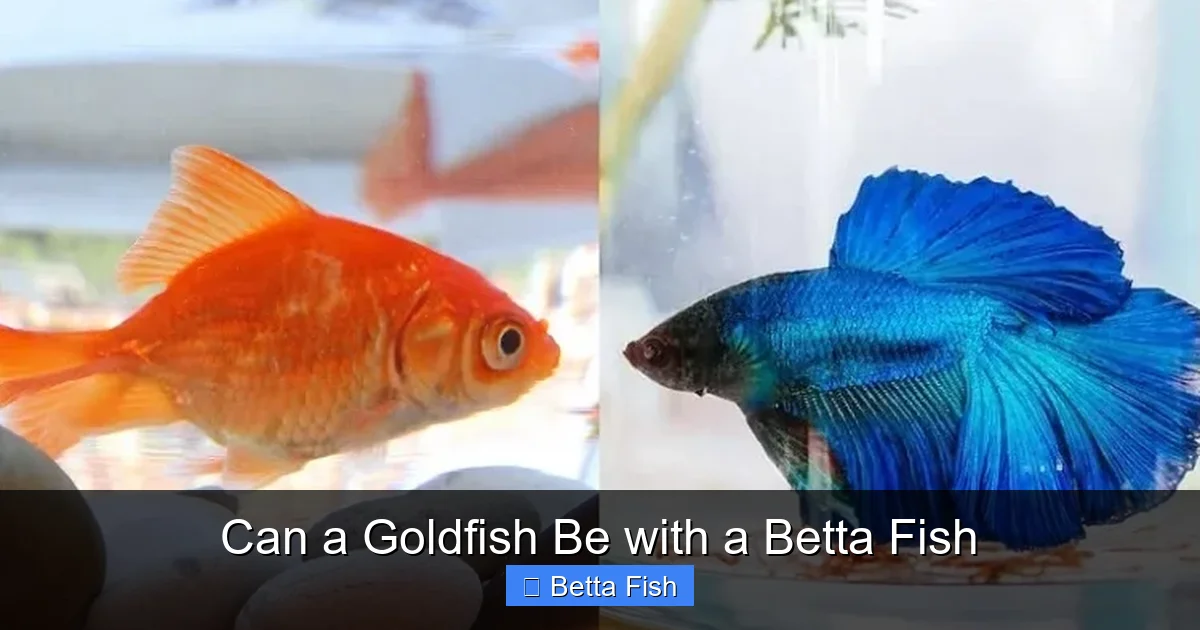
Visual guide about Can a Goldfish Be with a Betta Fish
Image source: fishlab.com
Betta Fish: The Tropical Show‑Off
Betta splendens, often called Siamese fighting fish, come from warm, shallow waters of Thailand. They prefer temperatures between 78‑82 °F (25‑28 °C) and softer water (pH 6.5‑7.5). Bettas are territorial, especially males, and they love to display their fins and flare at anything they perceive as a rival.
Key Differences at a Glance
- Temperature: Goldfish cool, betta warm.
- Filtration needs: Goldfish heavy, betta moderate.
- Behavior: Goldfish social, betta territorial.
- Diet: Goldfish omnivorous pellets, betta carnivorous flakes/live food.
Can a Goldfish Be with a Betta Fish? The Core Question
The short answer is “yes, but only if you meet strict requirements.” Most hobbyists find that the differing temperature ranges are the biggest hurdle. However, with a compromise temperature around 76‑78 °F (24‑26 °C) and a well‑filtered, spacious tank, you can create a middle ground where both species survive.

Visual guide about Can a Goldfish Be with a Betta Fish
Image source: petshun.com
Before you decide, ask yourself:
- Do I have at least a 20‑gallon tank?
- Can I maintain stable water parameters that suit both?
- Am I prepared to monitor behavior daily?
If the answer is yes, read on for a step‑by‑step plan.
Setting Up the Perfect Community Tank
1. Choose the Right Tank Size
Goldfish grow quickly and need room to turn. A single fancy goldfish needs at least 20 gallons, and a betta adds another 5‑10 gallons of space. Therefore, a 30‑gallon long tank is ideal. Smaller bowls or “betta tanks” are a recipe for disaster.

Visual guide about Can a Goldfish Be with a Betta Fish
Image source: bettafishworld.com
2. Temperature Management
Invest in a reliable heater with an adjustable thermostat. Set the temperature to the lower end of the betta’s range (around 78 °F). Use a thermometer to ensure it never drops below 75 °F, which would stress the betta, or climbs above 80 °F, which could stress the goldfish.
3. Filtration and Water Flow
Goldfish produce a lot of ammonia. Choose a canister or hang‑on‑back filter rated for at least twice the tank volume. Adjust the flow so it’s gentle; strong currents can frighten the betta.
4. Substrate and Décor
Use smooth sand or fine gravel. Add plenty of plants—live or silk—so the betta has hiding spots and the goldfish can graze. Driftwood and smooth rocks create visual barriers that reduce aggression.
5. Lighting
Both species enjoy a regular day/night cycle. A 10‑hour light period mimics natural conditions and helps plants thrive.
Choosing Compatible Individuals
Goldfish Variety
Fancy goldfish (oranda, ryukin, fantail) have slower swimming styles and are less likely to chase a betta. Avoid fast‑swimming common goldfish, as they can stress the betta.
Betta Temperament
Pick a male betta with long, flowing fins but a calm demeanor. Look for individuals that flare less often during shop observations. Female bettas can be less aggressive, but they may still nip at goldfish fins.
Size Considerations
Make sure the goldfish is not so small that the betta sees it as food, and not so large that it can easily nip the betta’s fins. A goldfish of at least 4‑5 inches and a betta of average size (2‑3 inches) is a good match.
Feeding Strategies for a Mixed Tank
Goldfish and bettas have different diets, so feed them separately to avoid competition.
Feeding Schedule
- Morning: Offer high‑quality goldfish pellets on one side of the tank.
- Evening: Feed the betta small portions of betta flakes or frozen bloodworms on the opposite side.
Tips to Prevent Over‑Feeding
Only give what each fish can consume in two minutes. Excess food clouds the water and raises ammonia, which is especially harmful to bettas.
Monitoring Health and Behavior
Signs of Stress
Watch for faded colors, clamped fins, rapid breathing, or excessive hiding. Goldfish that become lethargic or develop white spots may be stressed by temperature. Bettas that constantly flare or hide near the surface are likely uncomfortable.
Dealing with Aggression
If the betta begins to nip at the goldfish’s fins, consider adding more plants for visual barriers, or re‑home one of the fish. Sometimes a simple rearrangement of décor can break sight lines and reduce tension.
Health Checks
Perform weekly water tests (ammonia, nitrite, nitrate, pH). Keep nitrate below 20 ppm and ammonia at 0 ppm. Perform 20‑30% water changes weekly to keep both species thriving.
When the Combination Doesn’t Work
Even with perfect setup, some bettas simply won’t accept a goldfish roommate. If aggression persists after two weeks, it’s kinder to separate them.
Alternative Tank Mates
Consider peaceful community fish that share similar temperature ranges, such as:
- White Cloud Mollies
- Harlequin Rasboras
- Snails (e.g., Nerite) – see Can Snails Be In A Tank With Betta Fish
- Small shrimp (Cherry shrimp) – they stay out of the betta’s way if given hiding spots.
These companions are less likely to trigger a betta’s territorial instincts while still adding visual interest.
Frequently Overlooked Details
Water Hardness
Goldfish thrive in moderately hard water (GH 6‑12). Bettas can tolerate a range but prefer softer water. Use a buffer to keep GH around 8‑10, which satisfies both.
Lighting for Plants
Live plants help absorb excess nitrates and give the betta places to rest. Choose low‑light plants like Java fern, Anubias, or Marimo moss balls.
Cleaning Routine
When performing water changes, use a gravel vacuum to remove waste without disturbing the goldfish’s delicate fins. Avoid soaps—always rinse equipment with dechlorinated water only.
Conclusion: Is It Worth Trying?
So, can a goldfish be with a betta fish? Yes—if you’re ready to invest time, space, and careful monitoring. The key is providing a large, well‑filtered tank, a temperature compromise, and selecting calm individuals. If any sign of stress appears, act quickly to protect both fish.
Many hobbyists find that the effort pays off with a vibrant, eye‑catching display. Others decide the species are simply too different and opt for separate tanks. Either way, the knowledge you gain will make you a better fish keeper.
Ready to start? Check out our detailed guide on Can A Goldfish Live With A Betta Fish for a step‑by‑step checklist, and explore What Can Be In A Tank With Betta Fish for more compatible tank mates.
Frequently Asked Questions
Can a goldfish be with a betta fish in a small bowl?
No. Small bowls lack the space, filtration, and temperature control needed for both species, leading to stress and health problems.
What temperature is best for a goldfish‑betta community tank?
Set the heater to around 78 °F (26 °C). This is warm enough for the betta and still tolerable for most fancy goldfish.
Do goldfish eat betta food?
Goldfish may nibble betta flakes, but the protein‑rich diet is not suitable for them long‑term. Feed each species its own food in separate areas.
How often should I change the water in a mixed goldfish and betta tank?
Perform a 20‑30% water change weekly, testing parameters each time to keep ammonia at 0 ppm and nitrates low.
Can I add snails to a goldfish‑betta tank?
Yes, snails like Nerite or Mystery snails can help clean algae and are generally ignored by both fish. See Can Snails Be In A Tank With Betta Fish for more details.
What signs show that the betta is stressed by the goldfish?
Frequent flaring, hiding at the water surface, faded colors, or loss of appetite indicate the betta is uncomfortable and may need a separate tank.