Can a Change in Temperature Kill a Betta Fish
Betta fish are sensitive to sudden temperature changes, and a rapid shift can indeed be fatal. Maintaining a stable, tropical water range (around 76‑82°F) and using a reliable heater are the best ways to protect your fish.
Key Takeaways
- Stable temperature is critical: Betta fish thrive in a narrow range and can die from abrupt changes.
- Use a heater with a thermostat: A quality heater prevents dangerous swings.
- Monitor with a reliable thermometer: Spot problems before they become lethal.
- Gradual adjustments only: Change water temperature no more than 2°F per day.
- Watch for stress signals: Gasping, lethargy, and loss of color often signal temperature trouble.
- Seasonal tips help: Keep the tank away from windows, AC vents, and drafts.
- Quick fixes are possible: Temporary water baths can rescue a fish in a thermal emergency.
📑 Table of Contents
- Introduction: Why Temperature Matters for Betta Fish
- 1. The Ideal Temperature Range for Betta Fish
- 2. How Temperature Fluctuations Kill Betta Fish
- 3. Recognizing the Signs of Temperature Stress
- 4. Preventing Temperature-Related Death
- 5. What to Do If Temperature Goes Wrong
- 6. Frequently Overlooked Factors That Influence Temperature
- Conclusion
Introduction: Why Temperature Matters for Betta Fish
Betta fish, also called Siamese fighting fish, are famous for their vivid colors and feisty personalities. What many hobbyists don’t realize is that those bright hues come with a delicate physiology. In the wild, bettas live in warm, shallow waters of Southeast Asia where the temperature stays fairly constant year‑round. In a home aquarium, we become the ones who control that environment.
If the water temperature drops suddenly or spikes too high, a betta’s metabolism can go into shock. The result may be a quick decline in health or, in the worst case, death. This article explains exactly how temperature changes affect bettas, what signs to look for, and practical steps you can take to keep the water just right.
1. The Ideal Temperature Range for Betta Fish
What “ideal” really means
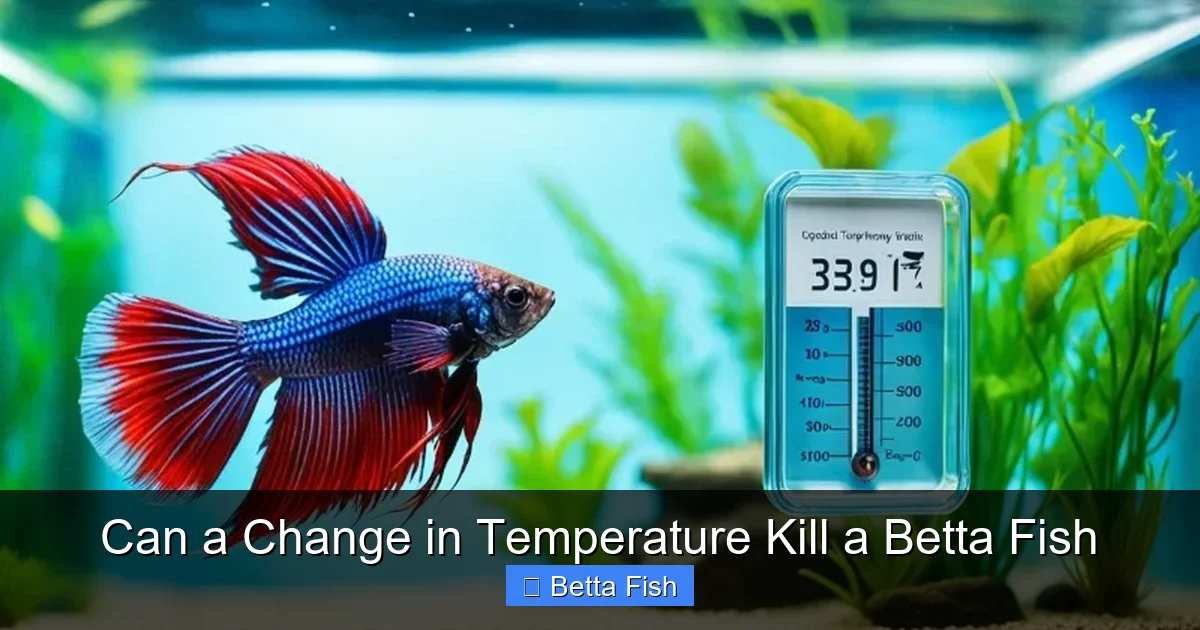
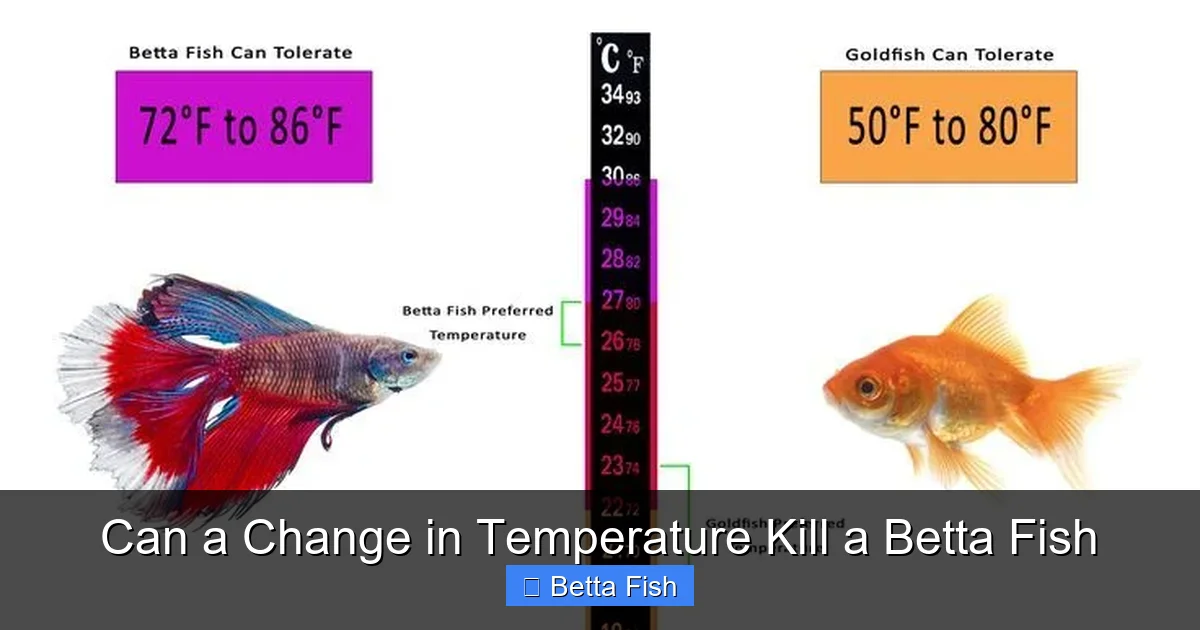
Most experts agree that a healthy betta needs water between 76°F and 82°F (24°C‑28°C). Within this window the fish’s immune system works efficiently, digestion is smooth, and the beautiful colors stay vibrant.
Visual guide about Can a Change in Temperature Kill a Betta Fish
Image source: qwikbetta.com
Why the range is narrow
Bettas are tropical fish, meaning they evolved in warm environments. Their enzymes function best at a specific temperature. When water gets too cold, metabolism slows, making the fish sluggish and more prone to disease. When it gets too hot, oxygen levels drop and stress spikes, which can lead to fatal organ failure.
For a deeper dive on the exact temperature guidelines, see our article What Temperature Should Water Be For A Betta Fish.
2. How Temperature Fluctuations Kill Betta Fish
Thermal shock explained
Thermal shock occurs when the water temperature changes faster than the fish can physiologically adapt. A sudden drop of even 5°F can cause the heart to beat irregularly, while a quick rise can cause the gills to overwork, leading to suffocation.
Visual guide about Can a Change in Temperature Kill a Betta Fish
Image source: i.pinimg.com
Common scenarios that cause rapid changes
- Placing the tank near a drafty window or air‑condition vent.
- Turning a heater off for cleaning and not replacing the water temperature quickly.
- Adding cold tap water during a water change without pre‑warming.
- Power outages that shut down aquarium heaters.
Long‑term effects of mild swings
Even if a betta survives a small fluctuation, repeated stress weakens the immune system. This makes the fish more vulnerable to common illnesses like fin rot, velvet, and ich.
3. Recognizing the Signs of Temperature Stress
Behavioral clues
- Gasping at the surface: The fish is trying to get more oxygen because colder water holds less.
- Lethargy: A betta that stops flaring its fins and stays at the bottom may be too cold.
- Rapid, erratic swimming: Overheating can cause a “dizzy” look.
Physical changes
- Loss of color: Stress often dulls the brilliant reds and blues.
- Clamped fins: Fins held close to the body signal discomfort.
- Faded or white patches: These can be early signs of disease triggered by temperature stress.
4. Preventing Temperature-Related Death
Invest in a good heater and thermostat
Choose a heater that matches the size of your tank (usually 25‑50 W for a 5‑gallon setup). A built‑in thermostat will automatically turn the heater off when the water reaches the set point, preventing overheating.
Visual guide about Can a Change in Temperature Kill a Betta Fish
Image source: bettasource.com
Use a reliable thermometer
Digital stick‑on or floating thermometers give instant readings. Check the temperature at least twice a day, especially after any tank maintenance.
Gradual temperature adjustments
If you need to raise or lower the temperature, do it slowly: add or remove a few degrees each day. For example, to move from 76°F to 80°F, increase the heater by 1°F per day.
Seasonal placement tips
- Keep the tank away from direct sunlight, which can cause sudden heating.
- Avoid spots near air‑condition vents or open windows.
- During winter, use an insulated blanket or a small aquarium “heater mat” under the tank to guard against room‑temperature drops.
5. What to Do If Temperature Goes Wrong
Immediate emergency steps
- Turn the heater back on (if it was off) and set it to the correct temperature.
- If the water is too cold, prepare a container of warm (not hot) water at 78°F‑80°F.
- Gently move the betta into a temporary quarantine bowl filled with the warm water. Let it acclimate for 10‑15 minutes.
- After the fish looks stable, return it to the main tank once the temperature is back within the safe range.
Long‑term recovery
Monitor the fish closely for the next 48‑72 hours. Offer high‑quality betta pellets and a bit of live or frozen food to boost energy. If signs of illness appear, treat promptly with appropriate medication.
6. Frequently Overlooked Factors That Influence Temperature
Water volume matters
Smaller volumes (like a 1‑gallon bowl) change temperature faster than a larger tank. That’s why many experts recommend at least a 5‑gallon tank for a betta, even if you keep it in a simple setup.
Filtration and aeration
While bettas can live in low‑flow environments, a gentle filter helps distribute heat evenly and prevents hot spots.
Room temperature stability
Keep the room where the tank lives at a consistent temperature. If you use a heater or AC in the room, make sure it doesn’t create drafts that reach the tank.
Conclusion
Yes— a sudden change in temperature can kill a betta fish, but with a few simple habits you can keep your finned friend safe and thriving. Invest in a reliable heater, monitor the water daily, and make any temperature adjustments slowly. By respecting the narrow thermal window bettas need, you’ll enjoy vibrant colors and lively behavior for years to come.
Frequently Asked Questions
Can a betta survive a brief drop in temperature?
Brief drops of a few degrees may not kill a healthy betta, but they can cause stress and increase the risk of disease. It’s best to correct the temperature as quickly as possible.
How fast should I change the water temperature during a water change?
Never add cold tap water directly. Pre‑heat the new water to match the tank’s temperature, or add it slowly while stirring to avoid shocking the fish.
Do I need a heater if my room stays warm?
If the room temperature stays consistently between 76°F‑80°F, a heater may not be necessary, but a thermostat is still useful to maintain a stable range.
What temperature range is safe for betta fry?
Fry are even more sensitive; keep the water between 78°F‑82°F and avoid any sudden changes during the first few weeks of life.
Can I use a regular aquarium heater for a small bowl?
Yes, but choose a low‑wattage heater (around 25 W) and monitor closely, because small volumes heat up quickly and can overshoot the safe range.
Is a temperature spike more dangerous than a drop?
Both are dangerous, but a rapid spike can cause oxygen depletion faster, leading to suffocation. Always prioritize gradual changes either way.