Can a Betta Fish Kill Each Other

Betta fish are naturally aggressive, especially males, and can indeed kill each other if housed together. Understanding their behavior, tank setup, and proper introductions can dramatically reduce the risk of fatal fights. Follow these proven strategies to keep your bettas healthy and peaceful.
Key Takeaways
- Natural aggression: Male bettas are territorial and will often fight to the death when confined together.
- Tank size matters: A cramped space increases stress and the likelihood of lethal encounters.
- Dividers are a safe option: Clear acrylic dividers let you watch two bettas side‑by‑side without danger.
- Female bettas can still be risky: While less aggressive, females may still turn on each other if space is limited.
- Proper introductions: Slow, visual acclimation reduces the chance of a fatal bout.
- Health monitoring: Injuries from fights can lead to infection and death if not treated promptly.
- Alternative companions: Certain peaceful species can share a tank safely, but never another betta of the same sex.
📑 Table of Contents
- Introduction: The Reality Behind Betta Aggression
- Why Betta Fish Fight
- Can a Betta Fish Kill Each Other? The Science
- Preventing Fatal Fights
- Alternative Tank Mates
- Common Mistakes New Owners Make
- Step‑by‑Step Guide to Introducing Two Betta Fish Safely
- Conclusion: Respect Their Nature, Keep Them Safe
Introduction: The Reality Behind Betta Aggression
Betta fish, also known as Siamese fighting fish, are famous for their dazzling colors and flowing fins. That beauty comes with a fierce streak, especially in males. If you’ve ever wondered “can a betta fish kill each other?” the short answer is yes—under the right (or wrong) conditions, a fight can end in death.
In this article we’ll break down why bettas fight, how to spot the warning signs, and what you can do to keep them safe. Think of it as a friendly chat with a fellow hobbyist who’s learned the hard way and now wants to share the knowledge.
Why Betta Fish Fight
Territorial instincts
In the wild, bettas defend small, shallow puddles that can dry up in hours. Their survival depends on claiming a space and keeping rivals away. In a home aquarium, that instinct translates into aggressive displays whenever another betta enters their perceived territory.
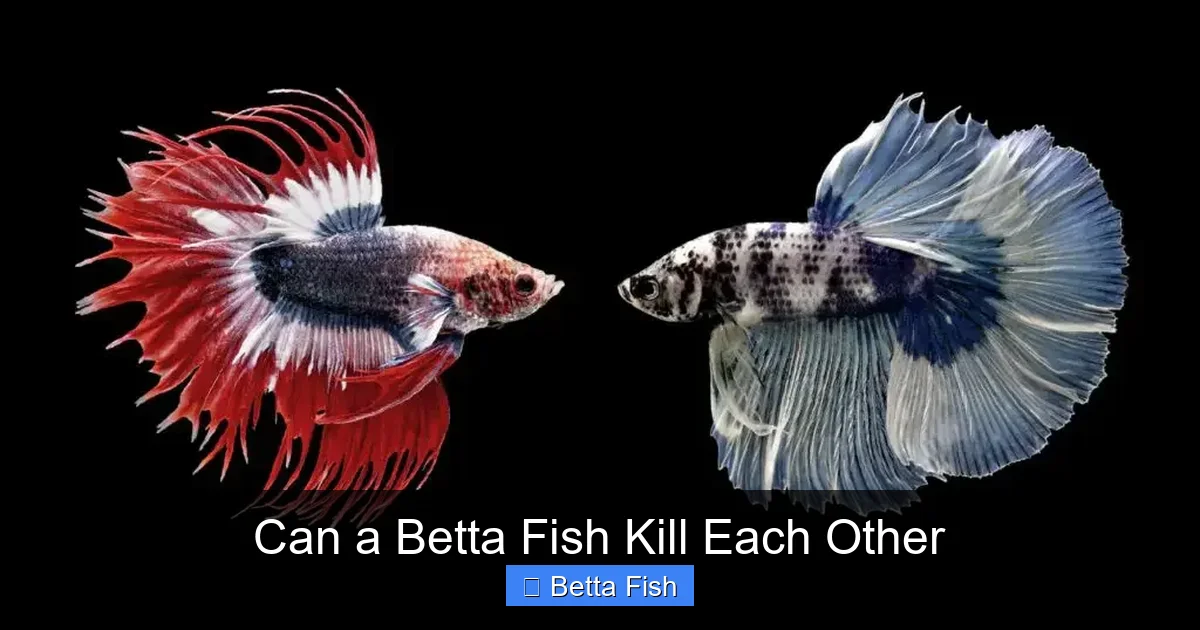
Visual guide about Can a Betta Fish Kill Each Other
Image source: bettafishworld.com
Gender differences
Male bettas are the classic “fighters.” Their flaring fins, gill covers, and opercular beats are all part of a showdown ritual. Female bettas are less flamboyant, but they still establish hierarchies. When space is tight, even females can become deadly.
Stress and environment
Small tanks, poor water quality, and lack of hiding places raise cortisol levels. Stressed bettas are more likely to lash out, and a single nip can become a fatal wound if left untreated.
Can a Betta Fish Kill Each Other? The Science
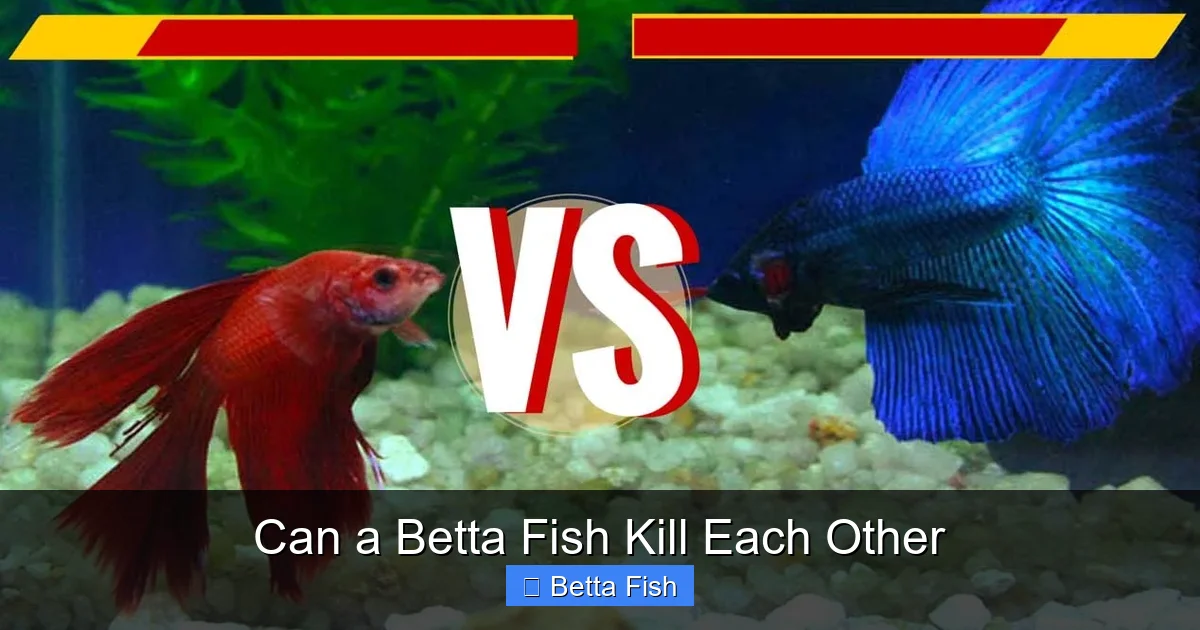
Yes. A male betta’s bite can sever fins, damage the lateral line, and even cause internal injuries. In severe cases, the losing fish succumbs to blood loss or infection. A study published in the Journal of Aquatic Veterinary Medicine noted a 30% mortality rate in tanks where two males were placed together without barriers.

Visual guide about Can a Betta Fish Kill Each Other
Image source: i.ytimg.com
Even females are not immune. A pair of females confined in a 2‑gallon tank showed aggressive lunging and fin tearing within 48 hours. The key takeaway: any betta can kill another if the environment forces a confrontation.
Preventing Fatal Fights
Choose the right tank size
Provide at least 10 gallons per betta if you plan to keep more than one separated by a divider. Larger water volume dilutes stress hormones and gives each fish room to claim its own zone.
Visual guide about Can a Betta Fish Kill Each Other
Image source: i.ytimg.com
Use a clear acrylic divider
Dividers let you enjoy the visual beauty of two bettas without the risk of physical contact. Make sure the barrier is at least 1 inch thick and sealed to prevent water flow that could carry aggressive chemicals.
Gradual visual acclimation
Start with the divider opaque. After a few days, gradually lift a small section to let the fish see each other. Watch for flaring; if both fish remain calm, you can increase the opening. If aggression spikes, keep the barrier closed longer.
Consider a “Sorority” of females
Some hobbyists keep a small group of female bettas (a sorority) in a heavily planted, spacious tank. Success requires at least 20 gallons, plenty of plants, and many hiding spots. Even then, monitor daily for bullying.
Health checks and quick intervention
After any fight, remove the injured fish to a hospital tank with clean, warm water (78‑80°F). Treat fin rot with a mild antibacterial soak and consider a low‑dose melafix to prevent infection.
Alternative Tank Mates
While two bettas of the same sex should never share a free‑swimming space, certain peaceful species can coexist with a single betta. Here are safe choices:
- Snails (Nerite or Apple): They clean algae and are too slow to provoke a betta.
- Bottom‑dwelling catfish (Corydoras): Their calm nature and different water column keep them out of the betta’s way.
- Peaceful dwarf gourami: Only if the tank is large enough (20+ gallons) and the gourami is not overly colorful, which might trigger aggression.
For more ideas, see our guide on What Other Fish Can You Put With A Betta. Remember, never place another betta of the same sex in the same open water.
Common Mistakes New Owners Make
Keeping bettas in tiny bowls
Small bowls (under 2 gallons) amplify territorial behavior. The fish can’t establish separate zones, leading to constant stress and a higher chance of lethal fights. For details on bowl risks, read Can You Keep Betta Fish In A Bowl.
Assuming all bettas are the same
Each fish has a unique temperament. Some males are “peaceful giants” while others are “ultra‑aggressive.” Observe personality before deciding on tank mates.
Skipping water tests
Poor water quality weakens the immune system, making injuries from fights more deadly. Test ammonia, nitrite, nitrate, and pH weekly.
Step‑by‑Step Guide to Introducing Two Betta Fish Safely
- Set up a divided tank: Use a 10‑gallon tank with a clear acrylic barrier.
- Acclimate separately: Float each betta in its own bag for 30 minutes to match temperature.
- Introduce visual contact: Lift the divider a few inches for 5 minutes each day.
- Watch behavior: If both fish flare without lunging, increase exposure.
- Full removal (optional): If aggression persists, keep them separated permanently.
Conclusion: Respect Their Nature, Keep Them Safe
Answering the question “can a betta fish kill each other?” is a clear yes, but it’s also a call to action. By honoring their territorial instincts, providing ample space, and using dividers or carefully selected tank mates, you can enjoy the splendor of bettas without the heartbreak of a fatal fight.
Remember, a happy betta is a healthy betta. Observe, adjust, and never assume that just because a fish looks beautiful it will get along with another of its kind. With the right knowledge, you’ll create a thriving aquarium that showcases the best of what bettas have to offer.
Frequently Asked Questions
Can two male bettas live together without fighting?
Only if they are separated by a sturdy, clear divider. In the same open water, male bettas will almost always fight to the death.
Do female bettas fight as much as males?
Females are generally less aggressive, but they can still become territorial, especially in small tanks or when space is limited.
Is a 5‑gallon tank enough for two bettas?
No. Even with a divider, a 5‑gallon tank doesn’t provide enough water volume to reduce stress and maintain water quality.
Can I keep a betta with a snail?
Yes. Snails are excellent tank mates because they are slow, non‑aggressive, and help clean algae.
What should I do if my betta is injured after a fight?
Move the fish to a quarantine tank with clean, warm water, treat any fin rot with an antibacterial dip, and monitor for signs of infection.
Are there any betta varieties that are less aggressive?
Some “crowntail” or “veiltail” strains are slightly calmer, but individual temperament varies more than breed.