Betta fish are surprisingly sensitive; chronic stress can indeed lead to illness and death. By recognizing stress triggers—poor water, aggressive tank mates, and improper handling—you can create a calm environment that lets your betta thrive. Simple daily checks and a few habitat upgrades are all it takes to prevent a tragic loss.
Key Takeaways
- Stress can be lethal: Prolonged stress weakens a betta’s immune system, making disease fatal.
- Water quality is king: Bad parameters are the most common stressor for bettas.
- Tank mates matter: Aggressive or unsuitable companions raise cortisol levels.
- Handling habits count: Rough nets, sudden temperature shifts, and loud vibrations stress bettas.
- Prevention is easy: Regular water changes, proper diet, and a secure environment keep stress low.
- Watch for signs: Faded colors, ragged fins, and erratic swimming signal stress.
- Quick action saves lives: Identifying and fixing the cause within 24‑48 hours often reverses damage.
📑 Table of Contents
- Introduction: Why Stress Matters for Betta Fish
- 1. Understanding Stress in Betta Fish
- 2. The Biggest Stressors in a Betta’s Life
- 3. How Stress Leads to Disease and Death
- 4. Spotting Early Warning Signs
- 5. Practical Steps to Reduce Stress
- 6. When Stress Has Already Caused Problems
- Conclusion: Keep Stress in Check and Your Betta Will Flourish
Introduction: Why Stress Matters for Betta Fish
Betta fish, also called Siamese fighting fish, are famous for their bright colors and feisty personalities. Most new owners think of them as low‑maintenance pets that can survive in tiny bowls. The truth is a little more nuanced. Like any living creature, bettas experience stress, and chronic stress can weaken their immune system, open the door to disease, and ultimately cause death.
In this article we’ll explore exactly how stress affects bettas, the most common triggers, the warning signs to look for, and practical steps you can take today to keep your fish calm and thriving. By the end, you’ll feel confident that you’re giving your betta the best possible chance at a long, healthy life.
1. Understanding Stress in Betta Fish
What is stress?
Stress is the body’s response to a perceived threat. In fish, it triggers the release of cortisol, a hormone that prepares the animal to “fight or flee.” Short bursts of cortisol are normal, but when the hormone stays elevated for days or weeks, it suppresses the immune system, slows growth, and can cause organ damage.
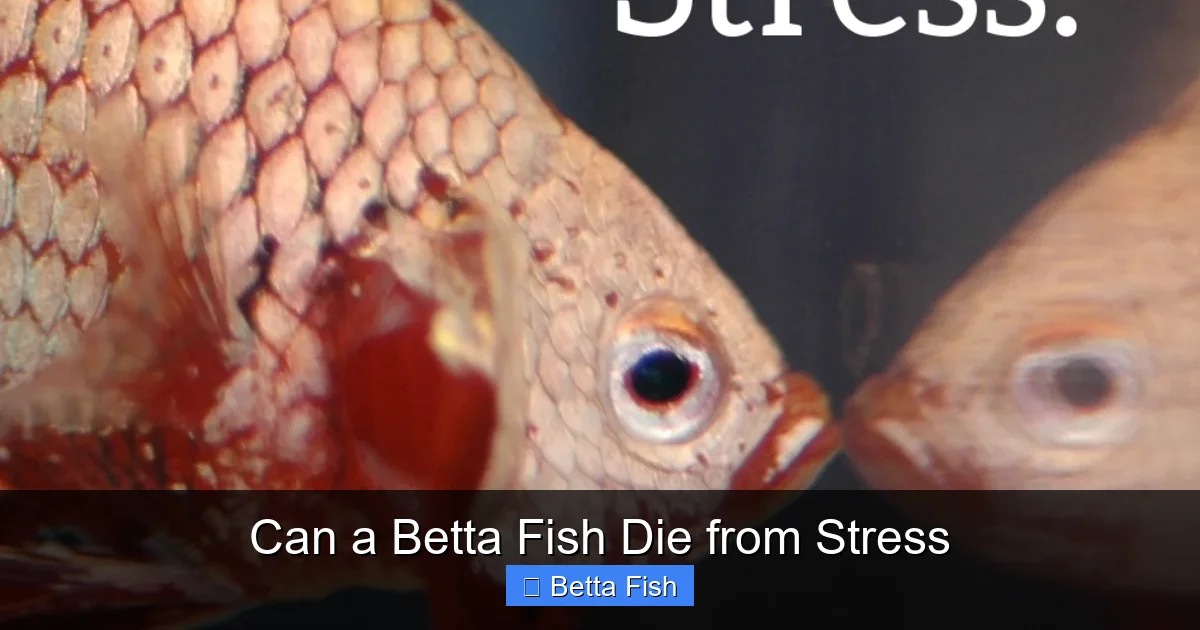
Visual guide about Can a Betta Fish Die from Stress
Image source: images.saymedia-content.com
How bettas show stress
Betta fish are visual creatures, so stress often shows up on the outside. Look for:
- Faded or blotchy coloration
- Clamped fins (fins held tightly against the body)
- Rapid, erratic swimming or hiding at the bottom
- Loss of appetite
- Excessive rubbing against decorations (a sign of irritation)
If you notice any of these signs, it’s time to investigate the environment.
2. The Biggest Stressors in a Betta’s Life
Poor water quality
Water is the most critical factor. Betta fish are tropical and need stable temperature (78‑80 °F), proper pH (6.5‑7.5), and low ammonia/nitrite levels. Even a slight spike in ammonia can cause gill damage and stress. Regular weekly water changes of 25‑30 % and a reliable filter (or a well‑cycled tank) keep the water safe.
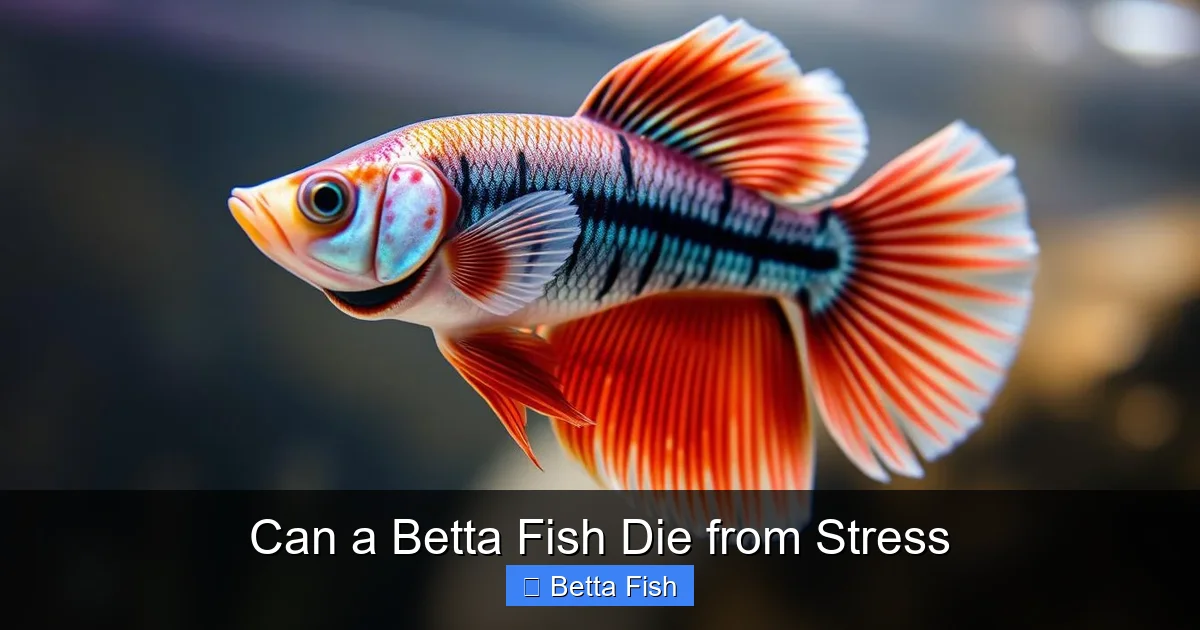
Visual guide about Can a Betta Fish Die from Stress
Image source: koibettafish.com
Inadequate tank size
Many people still keep bettas in 2‑gal bowls. While bettas can survive in small containers, they thrive in at least a 5‑gallon tank with a gentle filter. A larger volume dilutes toxins, provides more swimming space, and reduces territorial aggression.
Unsuitable tank mates
Betas are territorial, especially males. Placing a betta with fast‑moving or fin‑nipping fish can cause constant stress. Good companions include small, peaceful bottom dwellers like snails or slow‑moving neon tetras in a well‑planted tank. Always avoid fin‑biters such as guppies or other bettas unless you plan a carefully managed community.
Improper lighting and temperature fluctuations
Sudden changes in temperature—like a cold draft or a heater that cycles on and off—force the betta’s body to work harder to maintain homeostasis. Keep the heater set firmly, use a thermostat, and avoid placing the tank near windows or air vents.
Handling and environmental noise
Rough netting, tapping on the glass, or moving the tank can startle a betta. Even loud music or vibrations from a nearby washing machine can raise cortisol levels. Handle your fish gently, use a soft mesh net, and keep the tank in a quiet corner.
3. How Stress Leads to Disease and Death
Weakened immune response
When cortisol stays high, white blood cells drop, making the fish vulnerable to common pathogens like Ich (white spot disease) and fungal infections. A betta that looks healthy one day can develop a sudden outbreak if stress is not addressed.
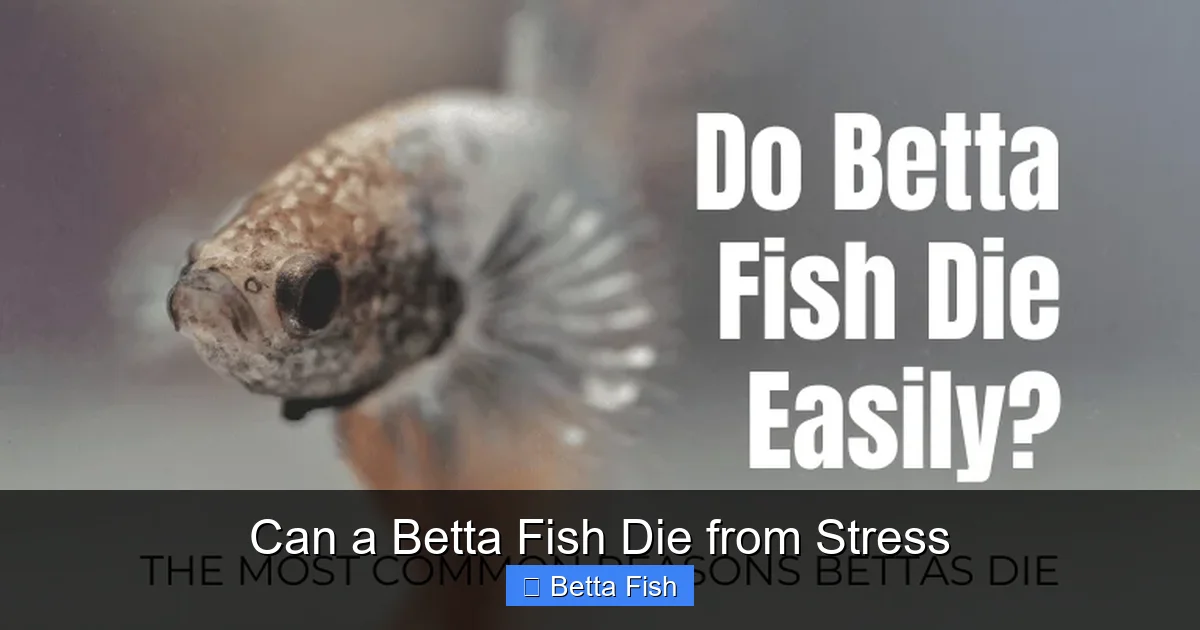
Visual guide about Can a Betta Fish Die from Stress
Image source: japanesefightingfish.org
Fin rot and bacterial infections
Clamped or ragged fins often indicate fin rot, a bacterial infection that thrives in dirty water. Stress damages the protective mucus layer on the skin, giving bacteria a foothold. If untreated, the infection spreads, leading to organ failure.
Organ failure
Chronic stress can cause liver and kidney strain. In severe cases, the fish will show lethargy, loss of buoyancy, and eventually die. This is why many owners report a betta dying “all of a sudden” after a period of subtle decline.
4. Spotting Early Warning Signs
Daily observation checklist
Spend a few minutes each day watching your betta. Use this simple checklist:
- Is the fish swimming normally?
- Are the colors bright and even?
- Are the fins open and flowing?
- Is the fish eating its usual amount?
- Any unusual spots, white patches, or slime?
Missing just one item can be a clue that something is off.
Testing water parameters
Invest in a basic test kit. Check ammonia, nitrite, nitrate, and pH weekly. If any reading is out of range, perform a partial water change immediately.
Behavioral red flags
Sudden hiding, frantic surface jumps, or constant rubbing against the glass are all signals that the betta is stressed. Address the cause within 24‑48 hours to prevent escalation.
5. Practical Steps to Reduce Stress
Set up a proper tank
Choose a 5‑gallon (or larger) tank with a gentle filter. Add live or silk plants to provide hiding spots. A lid or mesh cover prevents the fish from jumping out while still allowing airflow.
Maintain optimal water conditions
Follow a routine:
- Check temperature daily with a reliable aquarium thermometer.
- Replace 25‑30 % of the water each week with dechlorinated water.
- Clean the substrate with a siphon to remove waste.
- Run the filter at least 4‑5 times the tank volume per hour.
Choose compatible companions
If you want a community tank, research species that won’t nip fins. Good options include small Corydoras catfish, peaceful rasboras, or a single snail. For more ideas, see our guide on what fish can live with a male betta.
Gentle handling techniques
When you need to move your betta, use a soft, fine‑mesh net and support the body gently. Avoid squeezing or pulling on the fins. Transfer the fish into a container with water from its own tank to reduce shock.
Control lighting and noise
Provide a consistent day/night cycle—10‑12 hours of light followed by darkness. Use a timer to avoid accidental over‑lighting. Keep the tank away from loud appliances and heavy foot traffic.
Nutrition that supports health
Feed high‑quality betta pellets or frozen foods (bloodworms, daphnia) 2‑3 times a day, only as much as they can eat in 2‑3 minutes. Overfeeding leads to waste buildup, which spikes ammonia.
6. When Stress Has Already Caused Problems
Immediate steps for a sick betta
If you see signs of disease, act fast:
- Isolate the fish in a hospital tank (2‑gallon) with clean, temperature‑matched water.
- Perform a 50 % water change with a dose of a mild antibacterial medication (e.g., Maracyn).
- Reduce feeding to once daily with a high‑protein frozen food.
- Monitor water parameters twice daily.
When to seek professional help
Severe fin rot, persistent white spots, or a fish that stops moving altogether may need a veterinarian who specializes in fish. Early intervention can make the difference between recovery and loss.
Conclusion: Keep Stress in Check and Your Betta Will Flourish
Yes, a betta fish can die from stress—but it doesn’t have to be that way. By providing clean water, a suitable tank size, compatible tank mates, and a calm environment, you give your betta the best chance to live a vibrant, long life. Regular observation, quick response to any changes, and a little bit of research are all you need to keep stress at bay.
Remember, a happy betta is a healthy betta. Take the steps outlined above, and you’ll enjoy watching those dazzling fins dance for years to come.
Frequently Asked Questions
Can stress cause a betta fish to die suddenly?
Yes. Chronic stress weakens the immune system, making the fish vulnerable to disease that can lead to rapid decline and death.
How often should I change the water in a betta tank?
Change 25‑30 % of the water each week, and do a larger water change if you notice spikes in ammonia or nitrite.
Is a 2‑gallon bowl enough for a betta?
While bettas can survive in small bowls, a 5‑gallon tank with a filter provides a healthier environment and reduces stress.
What are the best tank mates for a male betta?
Peaceful bottom dwellers like snails, small Corydoras, or non‑fin‑biting tetras are good choices. Avoid other aggressive or fin‑nipping fish.
How can I tell if my betta is stressed?
Watch for faded colors, clamped fins, erratic swimming, loss of appetite, or frequent rubbing against decorations.
What should I do if my betta shows signs of fin rot?
Isolate the fish, improve water quality with a partial change, and treat with a mild antibacterial medication according to the label instructions.

