Can Betta Fish Live with Janitor Fish
Betta fish and janitor fish can coexist, but it depends on the species of janitor fish and the betta’s temperament. While some janitor fish, like certain plecos, can be peaceful tank mates, others may cause stress or competition for space. Understanding their needs and monitoring their behavior is key to a harmonious tank.
Key Takeaways
- Compatibility Varies: Not all janitor fish are suitable tank mates for betta fish; species like bristlenose plecos are often better choices.
- Tank Size Matters: A larger tank (at least 20 gallons) reduces territorial disputes and provides ample space for both species.
- Monitor Behavior: Watch for signs of aggression or stress, such as fin nipping or hiding, to ensure a peaceful coexistence.
- Water Conditions: Both species thrive in similar water parameters, but stable conditions are crucial for their health.
- Provide Hiding Spots: Plants, caves, and decorations help reduce stress and offer refuge for both betta and janitor fish.
- Feeding Considerations: Ensure both species get adequate food, as janitor fish may outcompete bettas during feeding time.
- Individual Temperament: Each betta has a unique personality; some may tolerate tank mates better than others.
📑 Table of Contents
Can Betta Fish Live with Janitor Fish?
If you’re a betta fish owner, you’ve probably wondered about adding some tank mates to your aquarium. One common question is, can betta fish live with janitor fish? The answer isn’t a simple yes or no. It depends on several factors, including the type of janitor fish, your betta’s personality, and the tank setup. In this article, we’ll dive deep into this topic to help you make an informed decision.
Betta fish, also known as Siamese fighting fish, are known for their vibrant colors and flowing fins. They’re also known for their territorial nature, especially males. Janitor fish, a term often used for algae-eating fish like plecos, are popular for keeping tanks clean. But can these two species coexist peacefully? Let’s explore.
Understanding Betta Fish Behavior
Territorial Nature
Bettas are naturally territorial. In the wild, they claim a space and defend it from intruders. This behavior can carry over to your home aquarium. Male bettas, in particular, are more aggressive and may see other fish as threats. Female bettas can also be territorial but are generally less aggressive.
Stress and Aggression
When a betta feels threatened, it may flare its gills, chase other fish, or even attack. Stress can lead to health issues, so it’s crucial to choose tank mates carefully. A stressed betta may lose its color, become lethargic, or refuse to eat.
What Are Janitor Fish?
Common Types
The term “janitor fish” is often used to describe algae-eating fish. Common species include:
- Bristlenose Pleco: Small, peaceful, and great for smaller tanks.
- Common Pleco: Can grow very large (up to 24 inches) and may not be suitable for most home aquariums.
- Otocinclus Catfish: Tiny, social, and excellent algae eaters.
- Siamese Algae Eater: Active and effective at controlling algae.
Behavior and Needs
Most janitor fish are peaceful and spend their time grazing on algae. However, some species can grow large or become territorial as they age. It’s essential to research the specific type of janitor fish you’re considering to ensure compatibility with your betta.
Compatibility Factors
Tank Size
One of the most critical factors is tank size. A small tank can increase aggression and stress. For a betta and a janitor fish, a minimum of 20 gallons is recommended. This provides enough space for both species to establish their territories without constant conflict.
Water Parameters
Both bettas and janitor fish prefer similar water conditions:
- Temperature: 76-82°F (24-28°C)
- pH: 6.5-7.5
- Hardness: Soft to moderately hard water
Stable water parameters are essential for the health of both species. Regular water changes and monitoring are a must.
Temperament Matching
Not all bettas have the same temperament. Some are more docile and may tolerate tank mates, while others are highly aggressive. Similarly, some janitor fish are more active and may inadvertently stress a betta. Observing your betta’s behavior before introducing a new fish is crucial.
Best Janitor Fish for Betta Tanks
Bristlenose Pleco
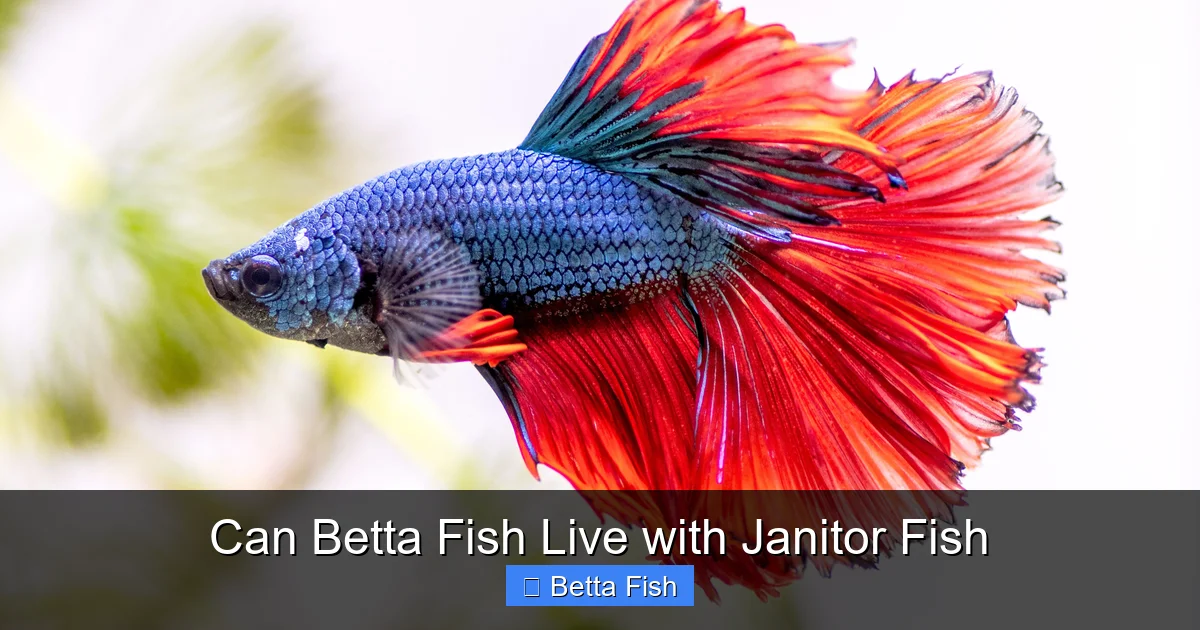
The bristlenose pleco is one of the best options for a betta tank. They stay small (4-6 inches), are peaceful, and are excellent algae eaters. They also prefer similar water conditions as bettas.
Visual guide about Can Betta Fish Live with Janitor Fish
Image source: bettafishworld.com
Otocinclus Catfish
Otocinclus catfish are tiny (1-2 inches) and social. They do best in groups of three or more. Their small size and peaceful nature make them ideal tank mates for bettas.
Siamese Algae Eater
Siamese algae eaters are active and effective at controlling algae. They can grow up to 6 inches and are generally peaceful. However, they may be too active for some bettas, so monitor their interactions.
Janitor Fish to Avoid
Common Pleco
While common plecos are popular, they can grow up to 24 inches. They produce a lot of waste and may outgrow most home aquariums. Their size and waste production can stress a betta and make tank maintenance challenging.
Chinese Algae Eater
Chinese algae eaters may start peaceful but can become aggressive as they age. They may latch onto slow-moving fish like bettas, causing stress and injury.
Setting Up a Harmonious Tank
Provide Hiding Spots
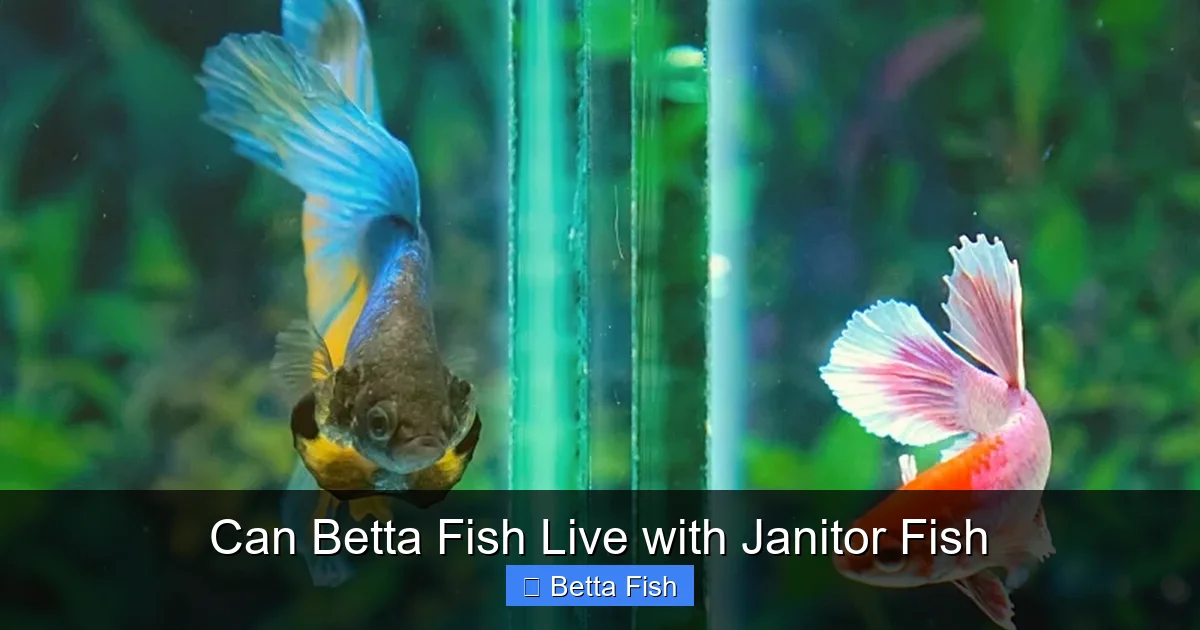
Both bettas and janitor fish benefit from hiding spots. Plants, caves, and decorations provide refuge and reduce stress. Live plants like java fern and anubias are excellent choices.
Visual guide about Can Betta Fish Live with Janitor Fish
Image source: infishtank.com
Feeding Strategies
Janitor fish are often outcompeted during feeding time. To ensure your janitor fish gets enough food, consider feeding sinking pellets or algae wafers after lights out. This gives them a chance to eat without interference from the betta.
Monitoring Behavior
After introducing a janitor fish, monitor the tank closely for signs of aggression or stress. If the betta is constantly chasing or attacking the janitor fish, you may need to separate them. Similarly, if the janitor fish is causing stress, consider rehoming it.
Signs of Compatibility Issues
Aggression
If your betta is flaring, chasing, or nipping at the janitor fish, it’s a sign of incompatibility. Similarly, if the janitor fish is harassing the betta, action is needed.
Stress Indicators
Stress in bettas can manifest as loss of color, lethargy, or refusal to eat. Janitor fish may hide excessively or show signs of injury.
Conclusion
So, can betta fish live with janitor fish? The answer is yes, but with careful consideration. Choosing the right species, providing adequate space, and monitoring behavior are key to a successful pairing. Bristlenose plecos and otocinclus catfish are excellent choices, while common plecos and Chinese algae eaters should be avoided.
Remember, every betta is unique. Some may tolerate tank mates, while others prefer to live alone. Always prioritize the well-being of your fish and be prepared to make adjustments if needed. With the right setup and attention, you can create a harmonious aquarium where both your betta and janitor fish thrive.
If you’re looking for more information on tank mates, check out our article on can plecos live with betta fish for additional insights.
Frequently Asked Questions
Can betta fish live with plecos?
Yes, betta fish can live with certain plecos, like the bristlenose pleco. However, common plecos grow too large and may not be suitable for most home aquariums.
What is the best tank size for a betta and janitor fish?
A minimum of 20 gallons is recommended for housing a betta and a janitor fish. This provides enough space to reduce territorial disputes.
How do I know if my betta is stressed?
Signs of stress in bettas include loss of color, lethargy, refusal to eat, and excessive hiding. Monitor your betta’s behavior closely.
Can otocinclus catfish live with bettas?
Yes, otocinclus catfish are peaceful and small, making them excellent tank mates for bettas. They do best in groups of three or more.
What should I do if my betta attacks the janitor fish?
If your betta is aggressive towards the janitor fish, separate them immediately. Consider rehoming one of the fish or providing a larger tank with more hiding spots.
Do janitor fish need special care?
Janitor fish require a balanced diet, clean water, and hiding spots. Ensure they get enough food, as bettas may outcompete them during feeding time.