Are There Purple Betta Fish
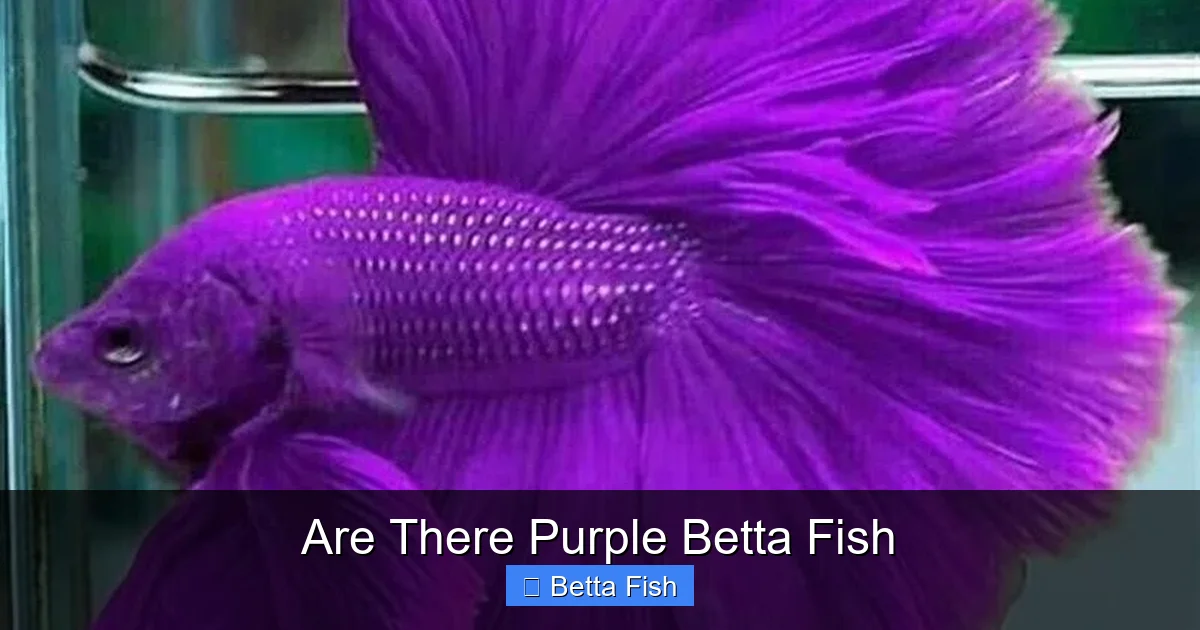
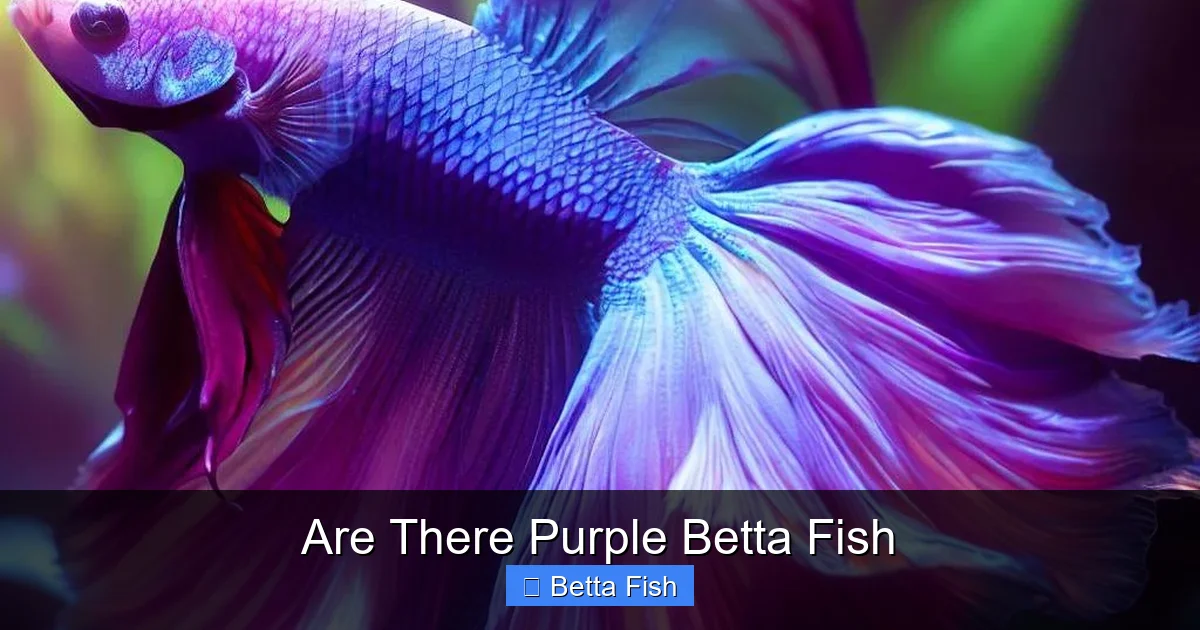
Yes, purple betta fish do exist, but they are the result of careful breeding and selective genetics rather than a natural color. Understanding their genetics, care needs, and where to find reputable sellers will help you keep these stunning fish thriving in your home aquarium.
Key Takeaways
- Pure purple bettas are rare: Most “purple” bettas are actually blends of red, blue, and violet pigments.
- Genetics matter: Breeders use specific strains like the “Royal” or “Dwarf” lines to enhance purple hues.
- Care is the same: Purple bettas need the same water parameters and diet as any other betta.
- Watch for health signs: Poor water quality can cause color fading or white‑spot disease.
- Buy from reputable sources: Trustworthy sellers provide health guarantees and lineage information.
- Live plants boost color: Adding healthy plants can make the purple appear brighter.
- Internal links help: Learn more about betta behavior, tank setup, and common issues by exploring related articles.
📑 Table of Contents
Introduction: The Allure of a Purple Betta
If you’ve ever stared at a shimmering betta swimming in a glass bowl, you know why these fish are so captivating. Their fins flare like silk, and their colors can range from electric blues to fiery reds. But what about a truly purple betta? Many hobbyists ask, “are there purple betta fish?” The short answer is yes, but the story behind that color is a mix of genetics, selective breeding, and a dash of luck.
In this guide we’ll explore the science of purple coloration, how breeders achieve it, and what you need to know to keep a purple betta healthy and vibrant. Think of it as a friendly chat over a cup of coffee—simple language, quick tips, and plenty of practical examples.
1. The Genetics Behind Purple
What creates color in bettas?
Bettas get their hues from pigment cells called chromatophores. The main types are:
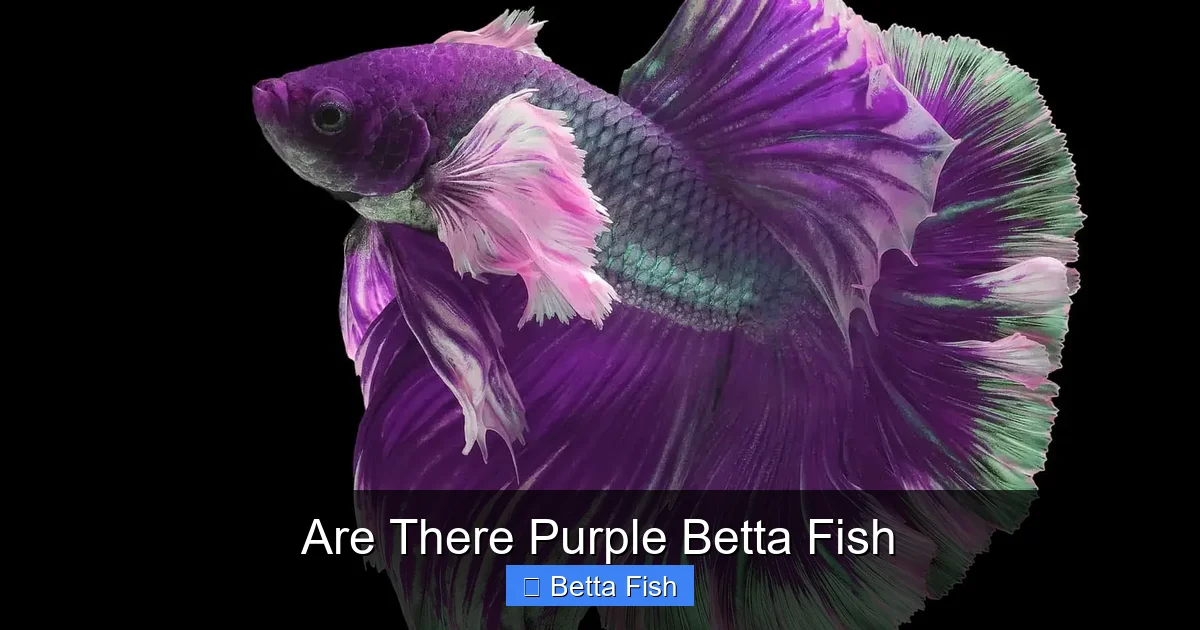
Visual guide about Are There Purple Betta Fish
Image source: bettasource.com
- Melanophores: produce black or brown tones.
- Xanthophores: give yellow and orange.
- Iridophores: reflect light, creating blues and silvers.
- Erythrophores: create reds.
Pure purple is rare because it requires a perfect blend of red (erythrophores) and blue (iridophores) that overlap to look violet. Most “purple” bettas are actually a mix of deep red and bright blue that our eyes perceive as purple.
Selective breeding for violet tones
Breeders start with strains that already show strong reds and blues—commonly the Why Are Betta Fish So Colorful varieties like the “Halfmoon” or “Veiltail.” By pairing fish that display the most intense red with those that have vivid blue, the offspring can inherit both pigment sets. Over several generations, the purple hue becomes more pronounced.
Why true purple is so rare
Pure violet requires a balanced expression of both red and blue genes. If one gene dominates, the fish will look more red or more blue. Also, environmental factors like diet and water quality affect how pigments are displayed, making a consistent purple line difficult to maintain.
2. Recognizing a Purple Betta
Visual cues
When you first see a purple betta, look for these signs:
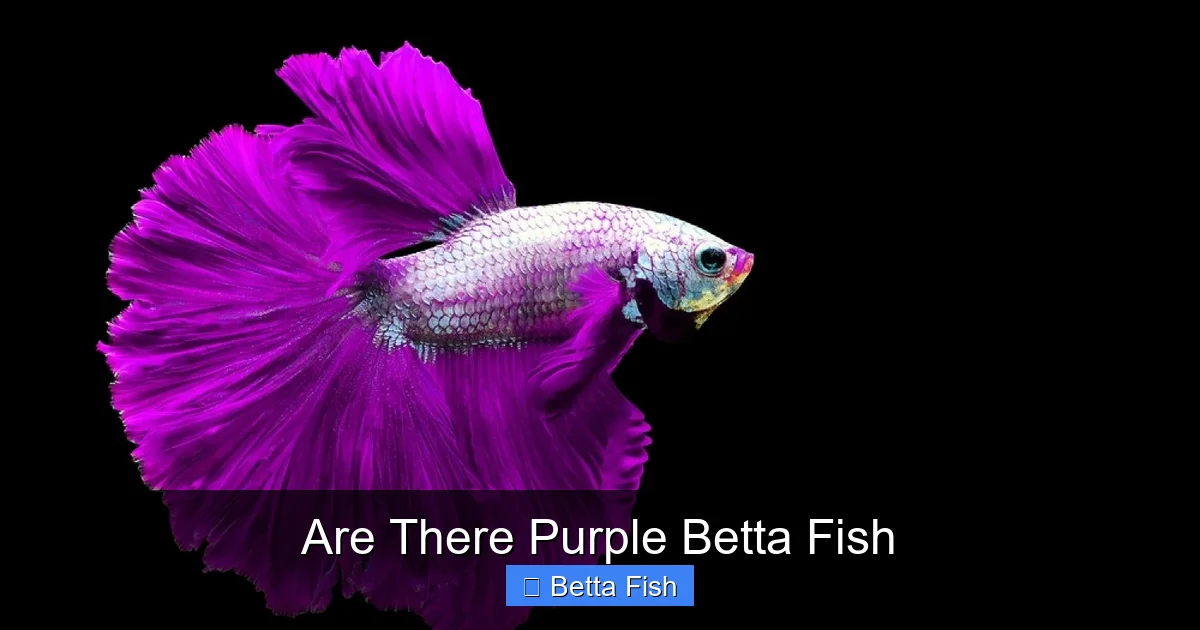
Visual guide about Are There Purple Betta Fish
Image source: keepafish.com
- A deep, velvety base color that shifts between red‑purple and blue‑purple as the light moves.
- Fins that may show a gradient—darker at the base, lighter toward the edges.
- No obvious patches of solid red or blue; the color should appear uniform.
Testing for authenticity
If you’re buying online, request photos of the fish from multiple angles and ask the seller about the lineage. Reputable breeders will often provide a health certificate and a brief description of the parents’ colors.
3. Caring for a Purple Betta
Water parameters: The foundation
All bettas, regardless of color, thrive in similar water conditions:
Visual guide about Are There Purple Betta Fish
Image source: miro.medium.com
- Temperature: 76‑82°F (24‑28°C)
- pH: 6.5‑7.5
- Hardness: 3‑4 dGH
Keeping the water stable helps the pigments stay vivid. Fluctuations can cause the purple to fade or turn dull.
Diet that enhances color
High‑quality protein foods boost pigment production. Offer a mix of:
- Live or frozen brine shrimp
- Daphnia (great for blue tones)
- Specialized color‑enhancing betta pellets
Feeding small amounts twice daily prevents overfeeding and keeps the fish active, which also helps display the color.
Tank setup for maximum vibrancy
While bettas can survive in small containers, a larger, well‑planted tank makes the purple pop. Consider these tips:
- Use a 5‑gal tank with a gentle filter (bottled air stones are fine).
- Add live plants such as Java fern or Anubias—they improve water quality and provide a natural backdrop.
- Include dim lighting with a blue‑tinted LED to accentuate violet hues.
For more plant ideas, see Which Live Plants Are Good For Betta Fish.
Health checks specific to color
Watch for signs that the purple is fading:
- White or pale patches on the body (possible fungal infection).
- Loss of fin integrity—frayed or curling fins can indicate poor water quality.
- Changes in behavior: lethargy or excessive hiding.
If you notice any of these, test the water and perform a partial change. For detailed troubleshooting, visit our article on Why Are My Betta Fish Fins Falling Off.
4. Where to Find a Purple Betta
Reputable breeders vs. pet stores
Pet stores often stock mass‑produced bettas that lack the selective breeding needed for true purple. Boutique breeders, especially those who specialize in “Royal” or “Dwarf” lines, are more likely to have genuine purple specimens.
When contacting a breeder, ask about:
- Parent fish colors and genetics.
- Quarantine procedures.
- Guarantee of health and return policy.
Online marketplaces
Websites like BettaFishInfo have community forums where experienced hobbyists share listings. Always verify the seller’s reputation before purchasing.
Cost considerations
Purple bettas command higher prices because of the effort involved in breeding them. Expect to pay anywhere from $30 to $80, depending on lineage and fin type. For a deeper dive into pricing, read Why Are Some Betta Fish More Expensive.
5. Common Myths and Misconceptions
Myth: Purple bettas are a different species
No. All bettas belong to the species Betta splendens. Color variations are a result of selective breeding, not a separate species.
Myth: Purple bettas are harder to care for
Their care requirements are identical to any other betta. The only extra step is monitoring water quality to keep the color bright.
Myth: You can turn a regular betta purple with food
While a high‑quality diet can enhance existing colors, it cannot create a new pigment that isn’t genetically present.
Conclusion: Embrace the Purple Beauty
So, are there purple betta fish? Absolutely—though they are the product of careful breeding rather than a naturally occurring color. By understanding the genetics, providing optimal care, and sourcing from reputable breeders, you can enjoy a stunning purple betta that dazzles in any aquarium.
Remember, the true magic lies not just in the hue, but in the health and happiness of your fish. Keep the water clean, feed a varied diet, and give your betta plenty of space to flaunt those gorgeous fins. Happy fish‑keeping!
Frequently Asked Questions
Can I turn a regular betta into a purple one with diet?
No. Diet can enhance existing colors but cannot create a new pigment that isn’t already in the fish’s genetics.
How often should I change the water for a purple betta?
A 20‑25% water change every week keeps parameters stable and helps maintain vibrant coloration.
Do purple bettas need brighter lighting?
Moderate lighting with a slight blue tint accentuates the purple, but avoid harsh lights that stress the fish.
Are purple bettas more aggressive than other colors?
Color does not affect aggression. Male bettas are naturally territorial, regardless of hue.
What is the best tank size for a purple betta?
A minimum of 5 gallons with a gentle filter and live plants provides enough space for healthy growth and color display.
Where can I learn more about betta behavior?
Check out our article Are Betta Fish Nocturnal for insights into daily activity patterns.