How Much Hrs After Does Betta Fish Eat

So, how much hrs after does betta fish eat? The answer depends on a few key factors like water temperature, age, and activity level. Most betta fish do best with two small meals per day, spaced about 12 hours apart. This guide covers everything you need to know about betta fish feeding timing, including the best routine, common mistakes, and signs of hunger or overfeeding.
If you own a betta fish, you have probably wondered about the right feeding schedule. One of the most common questions new owners ask is, “how much hrs after does betta fish eat?” It sounds like a simple question, but the answer involves a few important details that every betta keeper should know.
Getting the feeding timing right can make a huge difference in your fish’s health and happiness. A well-fed betta fish will have bright colors, steady energy, and a strong appetite. On the other hand, feeding at the wrong times or too often can lead to serious health problems. In this guide, we break down everything you need to know about betta fish feeding schedule and timing.
Whether you are a complete beginner or have had bettas for years, this article will give you practical tips you can use right away. We will cover the ideal feeding window, how often to feed, what affects appetite, and the most common mistakes owners make. By the end, you will feel confident about setting up the perfect feeding routine for your betta.
Key Takeaways
- Feed your betta fish every 12 hours: This keeps their metabolism steady and prevents overfeeding.
- Morning and evening feedings work best: Align meals with your betta’s natural active hours.
- Water temperature affects appetite: Warmer water speeds up digestion, meaning more frequent feeding may be needed.
- Watch for hunger and overfeeding signs: A healthy betta eats within 2-3 minutes per meal.
- Skip one feeding day per week: This helps prevent constipation and keeps the digestive system healthy.
- Use high-quality betta pellets: They provide balanced nutrition and are easy to portion control.
📑 Table of Contents
Understanding Your Betta Fish Feeding Schedule
Before we dive into the specific timing, it helps to understand how a betta fish’s body works. Bettas are tropical fish that come from warm, slow-moving waters in Southeast Asia. In the wild, they eat small insects and larvae throughout the day. This means they are used to grazing on small meals rather than eating one big feast.
In a home aquarium, we cannot replicate that natural grazing behavior exactly. But we can get close by offering small, frequent meals. Most experts agree that feeding your betta twice a day is the sweet spot. This gives your fish a consistent routine and helps prevent overeating.
Now, let’s talk about the core question: how much hrs after does betta fish eat after waking up or after a water change? The general rule is to feed your betta within 30 minutes to an hour after the lights come on in the morning. This aligns with their natural waking cycle. In the evening, feed them about 12 hours later, right before you turn the lights off.
If you have ever noticed your betta fish begging for food the moment you approach the tank, that is normal behavior. Bettas are intelligent and quickly learn when feeding time arrives. However, begging does not always mean they are truly hungry. Sticking to a consistent feeding schedule helps them stay healthy and avoids the temptation to overfeed.
How Often Should You Feed a Betta Fish?
The ideal feeding frequency for adult bettas is two small meals per day. Each meal should be small enough that your fish can finish it within 2 to 3 minutes. If there is leftover food after that time, you are giving too much.
For younger betta fish under 6 months old, you may want to feed them three times a day. Young fish are still growing and need more frequent meals. As they mature, you can scale back to the standard twice-daily routine. You can also learn more about how much does a betta fish eat to get portion sizes right.
How Much Hrs After Does Betta Fish Eat — The Ideal Timing
The answer to “how much hrs after does betta fish eat” depends on what event you are measuring from. Let us break it down by common scenarios.
After waking up: Feed your betta within 30 to 60 minutes after you turn on the tank lights. This gives them time to fully wake up and get active. Bettas are more alert and ready to eat once they see light.
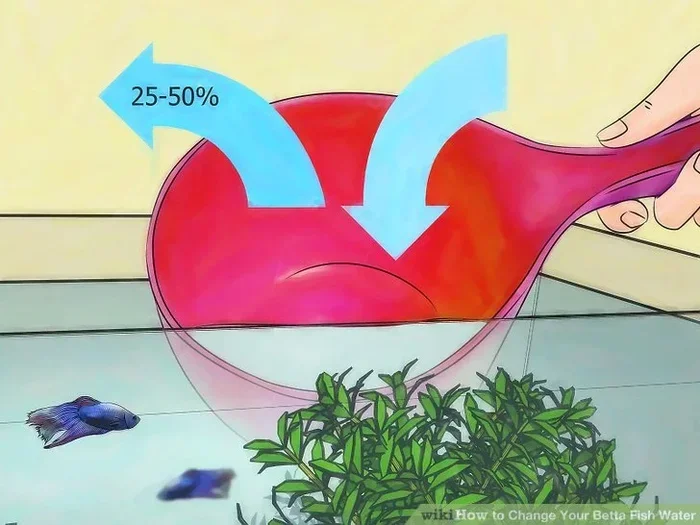
After a water change: Wait at least 1 to 2 hours after a water change before feeding. Water changes can stress your fish, and feeding too soon may cause them to spit out food or not eat at all. If you do a major water change, you might even skip the next feeding session entirely.
After turning off the filter: Never feed your betta right after doing tank maintenance. Let them settle for at least 30 minutes. A calm environment helps them eat comfortably and digest food properly.
After medication: If you have added medication to the tank, check the instructions. Some treatments require skipping feeding for 24 hours. Always follow your fish vet’s advice on post-treatment feeding.
Morning vs Evening Feeding for Betta Fish
Most betta owners find that morning and evening feedings work best. This 12-hour gap matches a natural day-night cycle. Your fish will start associating feeding times with light changes, which makes them more eager and active during meals.
Some owners prefer feeding only in the morning. While this can work, it leaves a long gap without food overnight. Other owners split meals into morning, midday, and evening. This works for young or growing bettas but is usually too much for adult fish and can lead to overfeeding.
Factors That Affect Feeding Times
Not all betta fish are the same. Several factors can change how much hrs after does betta fish eat and how much they should eat at each meal.
Water Temperature and Its Role
Water temperature plays a huge role in your betta’s metabolism. Bettas thrive in water between 78 and 82 degrees Fahrenheit. In warmer water, their body processes food faster, which means they may need slightly more frequent feedings.
If the water is too cold, below 75 degrees, your betta’s metabolism slows down significantly. In this case, feeding them the same amount can lead to digestive problems. Cold water also reduces appetite, so your fish may not finish its meal. Always use a reliable aquarium thermometer to monitor temperature.
Age and Activity Level
Young betta fish are more active and grow quickly. They need more frequent meals to support their growth. A juvenile betta under 6 months old benefits from three small feedings per day. Adult bettas do well with just two meals.
Activity level also matters. If your betta has lots of plants to explore and caves to investigate, it burns more energy. More active fish may need slightly larger portions. You can also check how much should a betta fish eat for detailed portion guidance.
Betta Fish Appetite and Health
A healthy betta fish has a strong and consistent appetite. If your fish suddenly stops eating, something is wrong. Common causes include poor water quality, illness, or stress. In these cases, adjusting the feeding schedule alone will not fix the problem.
Sometimes bettas go on a hunger strike because the food is not appealing. Bettas can be picky eaters. If your fish refuses food, try switching to a different brand of pellets or offering frozen bloodworms as a treat. You can also read about why does my betta fish not eat to understand common appetite issues.
Best Feeding Routine for Betta Fish
Now that you understand the timing and factors, let us put it all together into a simple, actionable routine.
- Morning feeding (around 8 AM): Give your betta 2 to 3 small pellets or a pinch of flakes. Watch them eat for 2 to 3 minutes. Remove any uneaten food with a small net or siphon.
- Evening feeding (around 8 PM): Offer the same amount. Bettas are naturally more active at dusk, so they may eat eagerly during this time.
- One fasting day per week: Skip feeding entirely for one day each week. This helps your betta’s digestive system reset and prevents constipation.
- Monitor and adjust: Watch your fish’s body shape and behavior. A healthy betta has a rounded but not bloated belly.
Consistency is the key to a successful betta feeding routine. Try to feed at the same times every day. Your fish will learn the schedule and become more active and responsive at feeding time. You can also learn more about how often does a betta fish eat for additional scheduling tips.
Quick Tips for Perfect Feeding
- Always soak dry pellets for 5 minutes before feeding. This prevents them from expanding in your fish’s stomach.
- Use a small feeding dish or tray to contain food and make cleanup easier.
- Never feed your betta human food. It lacks proper nutrition and can harm their digestive system.
- Rotate between high-quality pellets and frozen or live foods for variety.
- Feed after the lights are on, not before. Bettas need light to see and locate their food.
- If you are away for a day, it is fine to skip one feeding. Bettas can easily go 24 hours without food.
Signs Your Betta Fish Is Hungry or Overfed
Knowing the difference between hunger and overfeeding is essential for your betta’s well-being. Here are the key signs to watch for.
Signs of hunger: Your betta swims to the top of the tank when you approach. It may flare its fins or follow your hand around the tank. A truly hungry betta will eat eagerly and quickly.
Signs of overfeeding: Your betta leaves food floating in the tank. Its belly looks swollen or bloated. The fish may become lethargic and spend more time resting near the bottom. Overfeeding can also cause poor water quality because uneaten food decays and raises ammonia levels.
Signs of proper feeding: Your betta eats within 2 to 3 minutes, has a nice rounded belly, stays active, and shows bright colors. This is the goal you want to achieve with every meal.
Common Feeding Mistakes to Avoid
Even experienced betta owners can make feeding mistakes. Here are the most common ones to watch out for.
- Feeding too much at once: This is the number one mistake. Excess food rots in the tank and pollutes the water. Always give small portions.
- Feeding too frequently: More is not better. Overfeeding leads to obesity, bloating, and shortened lifespan.
- Ignoring fasting days: Skipping one day of feeding per week helps digestion. Many owners feel guilty about this, but it is actually beneficial.
- Using low-quality food: Cheap fish flakes lack the protein bettas need. Invest in high-quality betta pellets or frozen foods.
- Feeding at random times: Irregular feeding schedules stress your fish and confuse their internal clock. Stick to a consistent routine.
For more information on proper betta care, check out how to look after betta fish for a complete care guide.
Expert Insights on Betta Fish Feeding
Veterinarians and experienced fish keepers agree on a few key principles when it comes to feeding bettas. First, always prioritize quality over quantity. A few high-quality pellets are far better than a large scoop of cheap flakes.
Second, observe your individual fish. Every betta has its own personality and appetite. Some are voracious eaters, while others are more reserved. Adjust portions based on how your fish behaves during and after meals.
Third, do not rely on automatic feeders for bettas. These devices often dispense too much food at once. Hand-feeding allows you to control portions and also strengthens the bond between you and your fish.
Finally, if you ever notice dramatic changes in appetite or behavior, test your water parameters immediately. High ammonia or nitrite levels can suppress appetite and make your fish very sick. Keeping the tank clean and stable is just as important as getting the feeding schedule right.
Conclusion
So, how much hrs after does betta fish eat? The simple answer is to feed your betta every 12 hours, within an hour of turning on the lights in the morning and again before you turn them off at night. Stick to small portions, skip one feeding day each week, and always watch your fish for signs of hunger or overfeeding.
A consistent betta fish feeding routine is one of the simplest yet most powerful things you can do for your fish’s health. It keeps their digestive system working properly, maintains water quality, and supports vibrant colors and active behavior.
Remember, every betta is different. Use the guidelines in this article as a starting point and adjust based on your fish’s individual needs. With patience and consistency, you will have a happy, healthy betta that thrives in your care. Keep learning, keep observing, and enjoy the rewarding experience of caring for these beautiful fish.
Frequently Asked Questions
How much hrs after does betta fish eat after a water change?
Wait at least 1 to 2 hours after a water change before feeding your betta. Water changes can cause temporary stress, and feeding too soon may lead to uneaten food. If you performed a large water change, consider waiting even longer or skipping that feeding session.
Can I feed my betta fish once a day instead of twice?
Feeding once a day is not ideal but can work in a pinch. Bettas do best with two small meals per day, spaced about 12 hours apart. A single daily feeding may leave your fish hungry for long stretches and could lead to overeating at that one meal.
What is the best time of day to feed betta fish?
The best times are early morning and early evening, around 8 AM and 8 PM. This creates a consistent 12-hour feeding window that matches your betta’s natural activity cycle. Always feed after the tank lights are on so your fish can see the food clearly.
How long can a betta fish go without eating?
A healthy adult betta can go 2 to 3 days without food without any problems. In fact, skipping one feeding day per week is beneficial for digestion. However, do not go longer than 3 days without feeding unless advised by a fish veterinarian.
Why does my betta fish spit out its food?
Betta fish sometimes spit out food to soften it before swallowing. This is normal behavior. If your fish consistently refuses food, it could be a sign of poor water quality, illness, or that the food type is not appealing. Try switching to a different brand or offering frozen bloodworms as an alternative.
Can I overfeed my betta fish?
Yes, overfeeding is one of the most common and dangerous mistakes betta owners make. Excess food decays in the tank, raises ammonia levels, and can cause deadly water quality issues. Always feed only what your betta can consume in 2 to 3 minutes and remove any leftovers immediately.