Are Bettas Very Fragile Fish

Betta fish are often called fragile, but with proper care they are surprisingly resilient. Understanding their natural needs, water conditions, and handling tips will keep your betta thriving, not trembling.
Key Takeaways
- Proper water quality: Stable temperature and clean water are the biggest factors in betta health.
- Tank size matters: A 5‑gal (or larger) tank reduces stress and mimics their natural environment.
- Gentle handling: Bettas can be hand‑fed, but rough nets and sudden movements cause injury.
- Nutrition is key: High‑protein pellets and occasional treats support strong fins and vibrant colors.
- Stress triggers: Over‑crowding, aggressive tank mates, and bright lights can make bettas seem fragile.
- Health monitoring: Early signs of disease are subtle; watch for faded colors or fin rot.
- Myth busting: Bettas are not doomed to live in tiny bowls; they thrive in well‑maintained aquariums.
📑 Table of Contents
Introduction: Why the “Fragile” Myth Persists
If you’ve ever walked into a pet store and seen a betta swimming lazily in a tiny cup, you might think these fish are delicate glass‑like creatures that can’t handle a real aquarium. That image sticks in our minds, leading many to ask, are bettas very fragile fish? The short answer is: they can be fragile when neglected, but they are far tougher than most hobbyists give them credit for.
In this article we’ll break down the biology of bettas, the common mistakes that make them appear fragile, and the practical steps you can take to raise a happy, healthy betta. Think of it as a chat over coffee with a friend who just got a new fish and wants the best possible start.
Understanding Betta Biology
Natural habitat and adaptations
Betta fish (Betta splendens) hail from the shallow, slow‑moving waters of Thailand, Malaysia, and Cambodia. Their native ponds are warm (78‑82°F), low‑oxygen, and often covered in dense vegetation. To survive, bettas evolved a special organ called the labyrinth that lets them gulp air from the surface.
Visual guide about Are Bettas Very Fragile Fish
Image source: daintree-ecolodge.com.au
Physical strengths
These fish have powerful pectoral fins for short bursts of speed, and their bright colors are a sign of good health. While their fins look delicate, they are actually made of a flexible, collagen‑rich tissue that can heal quickly if water quality is right.
Common Reasons Bettas Appear Fragile
Poor water conditions
Bad water is the number one killer. Fluctuating temperature, high ammonia, or low pH can stress a betta, causing faded colors, clamped fins, or even death. Remember, bettas are tropical fish; a stable 78‑80°F environment is non‑negotiable.

Visual guide about Are Bettas Very Fragile Fish
Image source: thumb.ac-illust.com
Inadequate tank size
Many beginners keep bettas in 1‑gallon bowls because they think “small is fine.” In reality, a 5‑gallon (or larger) tank gives room to swim, reduces waste buildup, and stabilizes temperature.
Wrong tank mates
Bettas are territorial, especially males. Placing them with fast‑moving or fin‑nipping species can lead to stress and injury. For more details on compatible companions, read our guide on which fish are good with bettas.
Improper feeding
Over‑feeding or low‑quality food can cause constipation and weaken the immune system. Bettas need high‑protein pellets and occasional treats like bloodworms.
How to Keep a Betta Strong and Healthy
Set up the right environment
- Tank size: Minimum 5 gallons, with a lid to prevent jumps.
- Filtration: A gentle sponge filter maintains water quality without creating strong currents.
- Heater: Keep temperature steady at 78‑80°F.
- Plants and décor: Live plants like Java fern or silk leaves provide hiding spots and improve water quality.
Maintain pristine water
Do a 25‑30% water change every week. Test the water for ammonia, nitrite, and nitrate. Use a water conditioner to neutralize chlorine and chloramines.

Visual guide about Are Bettas Very Fragile Fish
Image source: i.etsystatic.com
Feeding routine
Feed 2‑3 small pellets once or twice a day. Remove any uneaten food after five minutes. Once a week, offer a frozen or live treat for variety.
Gentle handling and health checks
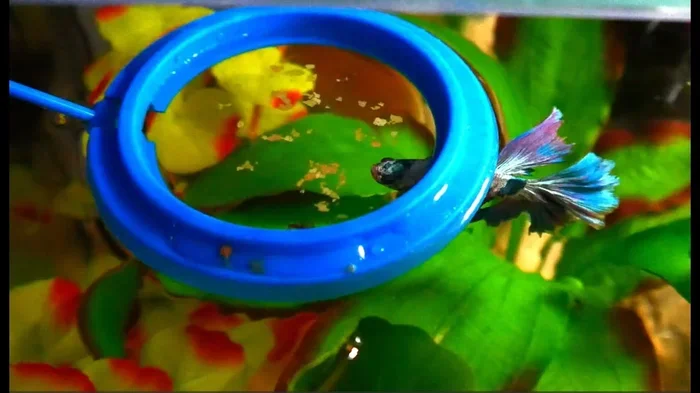
When you need to move your betta, use a soft net or gently coax it onto your hand. Look for signs of stress: clamped fins, faded color, rapid breathing at the surface, or white spots.
Addressing the Fragility Myth Directly
Are bettas very fragile fish? The nuanced answer
In the wild, bettas survive seasonal droughts, low oxygen, and predators. In captivity, they can appear fragile if we ignore their basic needs. So, they are not inherently frail; they are simply sensitive to neglect.
Comparing bettas to other tropical fish
When kept in proper conditions, bettas are as hardy as guppies or tetras. Their ability to breathe air gives them an edge in low‑oxygen setups, but it does not make them invincible.
Myth‑busting examples
- Myth: Bettas can live forever in tiny bowls.
Reality: Lifespan drops to 6‑12 months in poor conditions; a well‑maintained tank can see bettas live 3‑5 years. - Myth: Male bettas must be alone forever.
Reality: With careful selection, some males can coexist with peaceful, non‑fin‑nipping species. See our article on can male bettas live with other fish for details. - Myth: Bettas are nocturnal and only active at night.
Reality: They are crepuscular—most active at dawn and dusk. Learn more at are betta fish nocturnal.
Practical Tips for New Betta Owners
Starter checklist
- Buy a 5‑gallon tank with a lid.
- Install a heater and gentle filter.
- Condition the water and let it run 24 hours before adding the fish.
- Acclimate your betta slowly using the “float‑in‑the‑bag” method.
- Set a feeding schedule and keep a log of water changes.
Common problems and quick fixes
- Fin rot: Increase water changes, add a mild antibacterial treatment.
- White spot disease: Raise temperature to 82°F and treat with copper‑based medication.
- Faded colors: Check water parameters; poor water often dulls pigments.
Conclusion: Treat Your Betta Like a Companion, Not a Fragile Ornament
Answering the question, are bettas very fragile fish, we see that fragility is a result of neglect, not genetics. By providing a stable environment, proper nutrition, and gentle care, your betta can flourish and show off its brilliant colors for years. Treat it as a living companion, and you’ll quickly discover that bettas are resilient, curious, and surprisingly interactive pets.
Frequently Asked Questions
Do bettas need a heater?
Yes. Bettas are tropical fish and thrive at 78‑80°F. A reliable heater prevents temperature swings that can stress the fish.
Can I keep a betta in a small bowl?
A small bowl is not ideal. It limits swimming space, makes water quality hard to maintain, and shortens the betta’s lifespan.
How often should I change the water?
Change 25‑30% of the water weekly. Test for ammonia and nitrite each time to keep the environment safe.
Are male bettas always aggressive?
Male bettas are territorial, especially toward other males. However, with proper tank setup they can coexist peacefully with certain non‑aggressive species.
What are the signs of a healthy betta?
Bright, flowing fins; active swimming; regular surface breathing; and clear, alert eyes indicate a healthy betta.
Can bettas live with other fish?
Yes, if you choose compatible tank mates and provide enough space. See our guide on what fish can you keep with bettas for detailed recommendations.