Are Betta Fish Tolerant of Ammonia
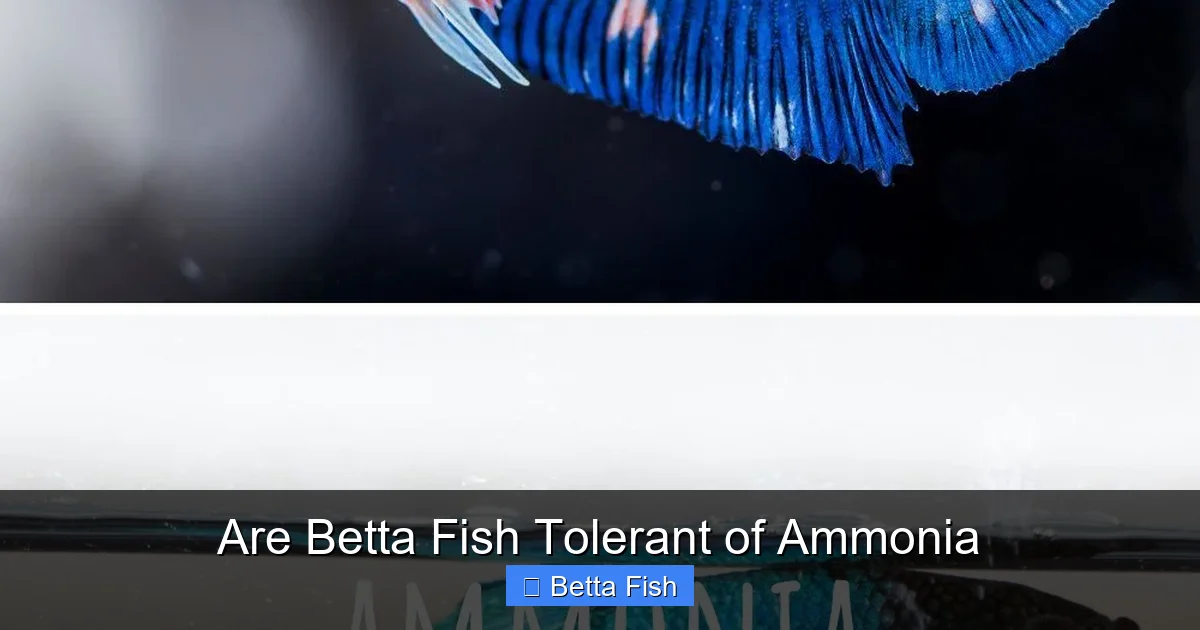
Betta fish are not ammonia‑tolerant; even low levels can stress or kill them. Maintaining a clean, cycled tank with zero ammonia is the only safe way to keep your betta thriving. Regular testing and prompt water changes are essential.
Key Takeaways
- Zero ammonia is a must: Betta fish cannot survive in water that contains measurable ammonia.
- Ammonia spikes are deadly: Even a brief rise to 0.25 ppm can cause stress, gill damage, or death.
- Cycle your tank first: A fully cycled aquarium converts toxic ammonia to harmless nitrate.
- Test often: Use a reliable test kit weekly—or more often after changes—to catch hidden ammonia.
- Quick fixes work: Partial water changes, activated carbon, and beneficial bacteria supplements can lower ammonia fast.
- Prevention beats cure: Proper feeding, avoiding overstocking, and regular tank maintenance keep ammonia at bay.
- Know the signs: Gasping at the surface, clamped fins, and loss of color often indicate ammonia poisoning.
📑 Table of Contents
- Introduction: The Ammonia Question
- What Is Ammonia and Why Is It Toxic?
- Are Betta Fish Tolerant of Ammonia? The Science
- How to Keep Ammonia Levels at Zero
- Preventing Ammonia Build‑Up: Best Practices
- What to Do If You Suspect Ammonia Poisoning
- Conclusion: No Tolerance, Only Prevention
- Further Reading
Introduction: The Ammonia Question
If you’ve ever wondered “are betta fish tolerant of ammonia?” the short answer is a resounding “no.” Betta fish, like most freshwater species, are highly sensitive to this invisible toxin. Yet many beginners assume that a hardy‑looking betta can survive in less‑than‑perfect water because it seems to thrive in tiny bowls.
In reality, a betta’s bright colors and aggressive flares are not signs of toughness—they’re warnings that the fish is coping with stress. Understanding why ammonia is dangerous, how it builds up, and what you can do to keep it out of the water will make the difference between a thriving pet and a sad, sick one.
What Is Ammonia and Why Is It Toxic?
Ammonia Basics
Ammonia (NH₃) is a waste product released by fish gills, skin, and digestive tracts. In a new tank, it appears as soon as the first fish is added. In the wild, natural filtration—plants, bacteria, and flowing water—breaks it down quickly.
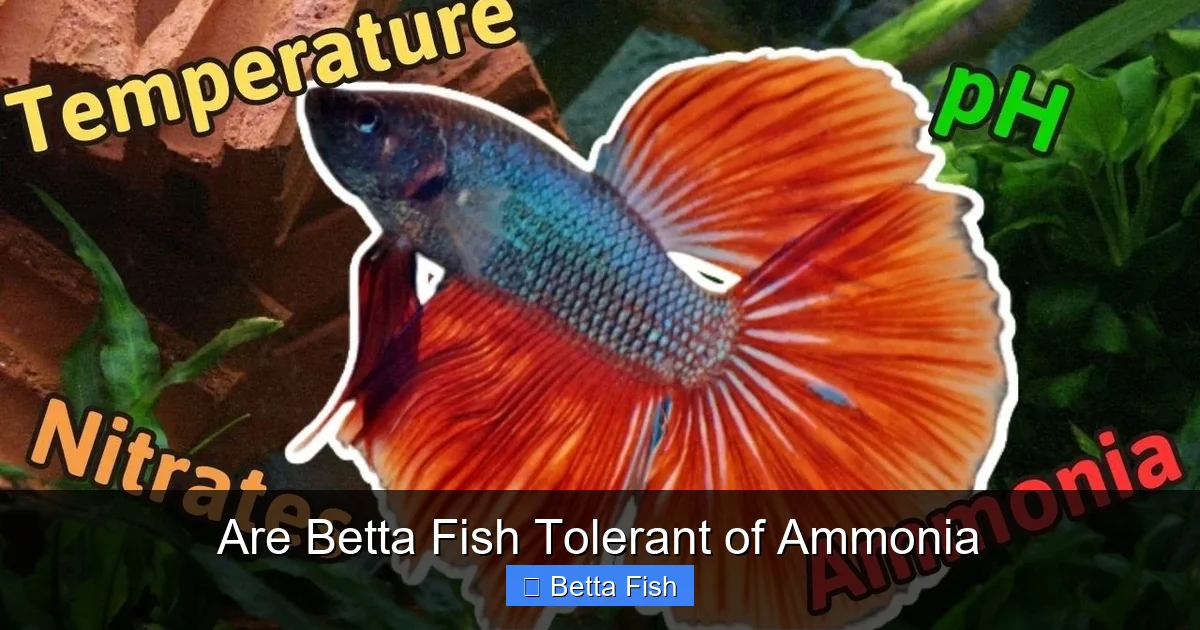
Visual guide about Are Betta Fish Tolerant of Ammonia
Image source: i.ytimg.com
Two Forms: NH₃ vs. NH₄⁺
Ammonia exists in two forms: toxic, un‑ionized NH₃ and less‑toxic, ionized NH₄⁺. The balance depends on water temperature and pH. Warmer, higher‑pH water shifts the balance toward NH₃, making it even more lethal for bettas.
How Ammonia Harms Betta Fish
- Gill damage: Ammonia irritates delicate gill tissue, reducing oxygen uptake.
- Stress response: Elevated cortisol weakens the immune system.
- Metabolic disruption: Energy that should go to growth and color is diverted to detoxification.
Are Betta Fish Tolerant of Ammonia? The Science
What Research Shows
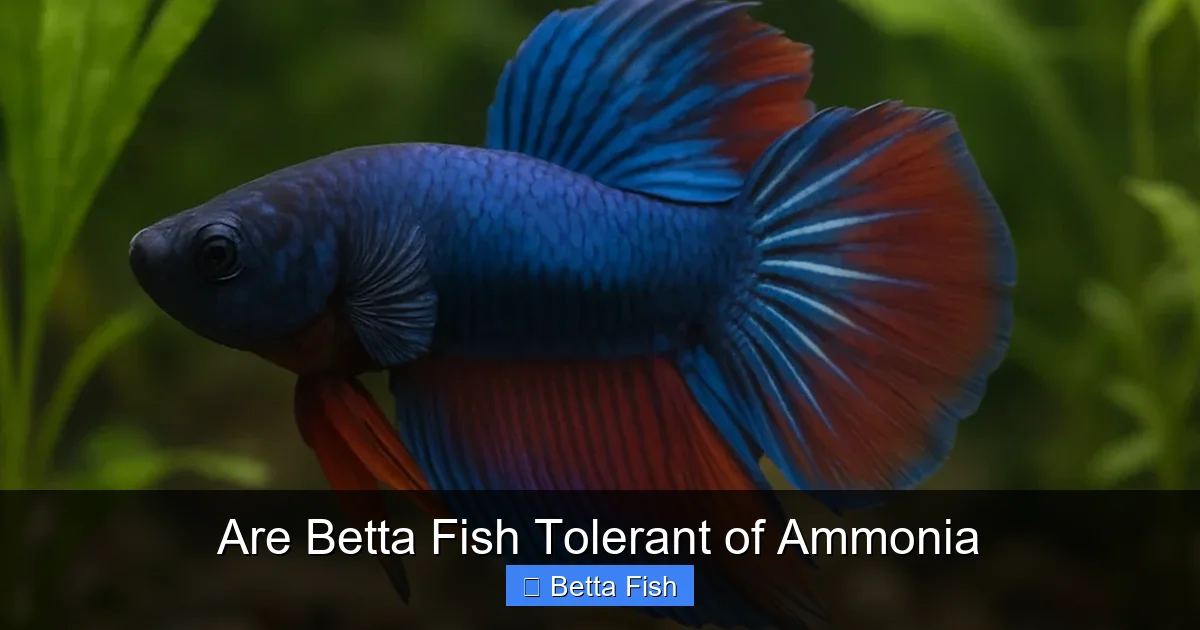
Scientific studies on freshwater tropical fish consistently report lethal ammonia concentrations (LC50) for bettas at around 0.5 ppm NH₃ after 96 hours. Sub‑lethal levels (0.25 ppm) still cause chronic stress, fin rot, and reduced lifespan.
Visual guide about Are Betta Fish Tolerant of Ammonia
Image source: fishkeepedia.com
Common Misconceptions
Many hobbyists point to the fact that bettas survive in small, often unfiltered containers and claim they are “hardy.” This is a myth. Those containers simply lack the biological load that would produce detectable ammonia—until the fish’s waste accumulates beyond the water’s tiny volume.
Real‑World Examples
John, a beginner keeper, noticed his betta gasping at the surface after a week in a 1‑gallon bowl. A test revealed 0.4 ppm ammonia. After a 50 % water change and adding a bacterial supplement, the ammonia dropped to zero and the fish recovered within 48 hours. This illustrates that bettas cannot “tolerate” ammonia; they can only survive if it is removed quickly.
How to Keep Ammonia Levels at Zero
Cycle Your Tank Before Adding a Betta
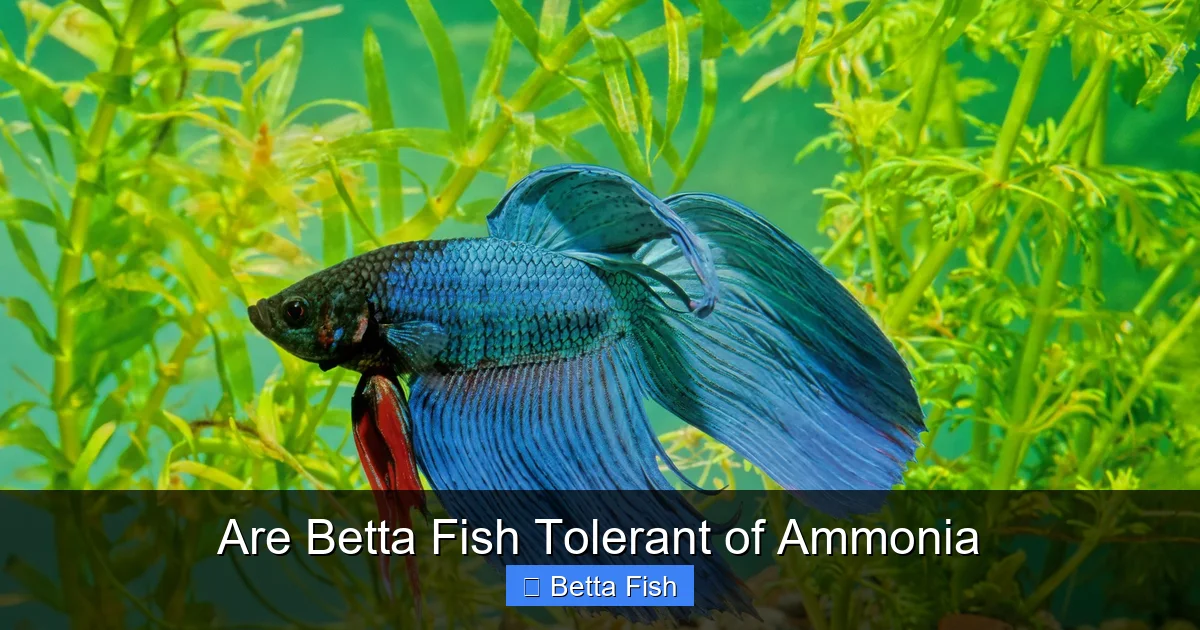
“Cycling” means establishing a colony of beneficial bacteria (Nitrosomonas and Nitrobacter) that convert ammonia → nitrite → nitrate. A fully cycled tank shows zero ammonia and zero nitrite for at least three consecutive days.
Visual guide about Are Betta Fish Tolerant of Ammonia
Image source: theaquaadvisor.com
Regular Testing Is Non‑Negotiable
Invest in a liquid test kit or a digital tester. Test for ammonia, nitrite, nitrate, and pH weekly. After any water change, feed adjustment, or new decoration, test again within 24 hours.
Perform Prompt Partial Water Changes
If ammonia spikes, replace 25‑50 % of the water with dechlorinated, temperature‑matched water. This dilutes the toxin while you address the source.
Use Biological Enhancers
Products containing live nitrifying bacteria can jump‑start the cycle or boost an existing colony during a spike. Follow label directions; over‑dosing can cause cloudiness.
Maintain Good Filtration
Even a gentle sponge filter provides surface area for bacteria and improves oxygenation, both of which help the fish cope with minor waste loads.
Preventing Ammonia Build‑Up: Best Practices
Feed Sparingly
Only give what your betta can eat in two minutes. Uneaten food decomposes into ammonia within hours.
Avoid Over‑Stocking
A single male betta in a 5‑gallon tank is already a generous setup. Adding more fish dramatically raises ammonia production.
Clean the Substrate
Vacuum the gravel or sand weekly to remove trapped waste. Use a siphon that doesn’t disturb the beneficial bacteria too much.
Monitor Temperature and pH
Keep the tank at 78‑80 °F (25‑27 °C) and pH between 6.5‑7.5. Higher temperatures increase the proportion of toxic NH₃.
Use Live Plants (Optional)
Plants such as Anubias or Java fern absorb some ammonia directly, providing a natural safety net.
What to Do If You Suspect Ammonia Poisoning
Immediate Actions
- Test the water right away.
- Do a 50 % water change with water that matches temperature and hardness.
- Add a bacterial starter to accelerate ammonia breakdown.
- Turn off any heaters temporarily to lower temperature (reduces NH₃ toxicity).
Long‑Term Care
Observe the betta for signs of recovery: steady swimming, normal fin posture, and restored coloration. Continue daily water changes until the test shows zero ammonia for three days straight.
When to Seek Professional Help
If the fish shows severe labored breathing, swollen abdomen, or blackened fins, contact a veterinarian familiar with fish health.
Conclusion: No Tolerance, Only Prevention
Answering the headline question—are betta fish tolerant of ammonia?—is simple: they are not. Betta fish thrive only in clean, well‑cycled water where ammonia is undetectable. By testing regularly, cycling properly, feeding responsibly, and acting fast when a spike occurs, you give your betta the best chance at a long, colorful life.
Remember, a healthy tank is a happy betta. Keep the water clear, the ammonia at zero, and enjoy watching your finned friend flaunt those spectacular fins for years to come.
Further Reading
- Why Are Betta Fish So Hard To Take Care Of
- Are Betta Fish Easy To Take Care Of
- What Type Of Water For Betta Fish
Frequently Asked Questions
Can a betta survive in a tank that has a small amount of ammonia?
No. Even low levels (0.25 ppm) can stress a betta and cause long‑term health problems. The goal is always zero ammonia.
How often should I test my betta’s water for ammonia?
Test at least once a week, and after any water change, new decoration, or feeding adjustment.
Is a sponge filter enough to keep ammonia under control?
A sponge filter provides surface area for beneficial bacteria and helps oxygenate the water, making it a good choice for small betta tanks.
Can live plants replace the need for a filter?
Plants can absorb some ammonia, but they cannot handle the full bioload alone. Use them as a supplement, not a replacement.
What are the visible signs that my betta is suffering from ammonia poisoning?
Gasping at the surface, clamped fins, faded colors, and lethargic swimming are common indicators.
Will a water conditioner remove ammonia?
Most conditioners neutralize chlorine and chloramine, not ammonia. You need a product specifically labeled for ammonia detoxification or a water change.