Where Can I Find a Betta Fish Near Me
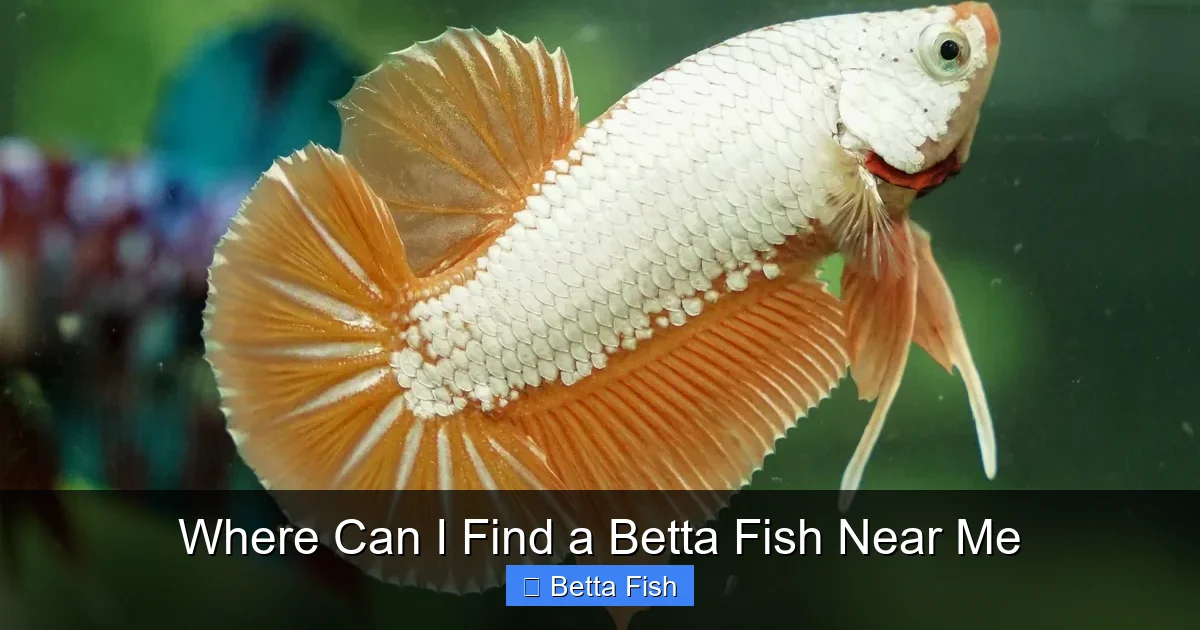
Finding a Betta fish locally is easier than you think, but knowing where to look and what to look for is crucial. This comprehensive guide explores all your local options—from dedicated aquarium shops and big-box retailers to private breeders and online-to-offline hybrids. We’ll teach you how to assess a Betta’s health, ask the right questions, and avoid common pitfalls to bring home a vibrant, thriving companion. Prioritizing reputable sources over the nearest convenience store makes all the difference for your new fish’s long-term wellbeing.
Key Takeaways
- Local pet stores and aquarium shops are often the best first stop: They offer knowledgeable staff, healthier stock from dedicated suppliers, and the ability to see the fish in person before buying.
- Big-box retailers (like PetSmart, Petco) are convenient but variable: While accessible, Betta care is often poor; you must meticulously inspect each individual fish for signs of stress or disease.
- Specialty breeders and hobbyists provide the highest quality: They focus on genetics, health, and specific varieties, offering superior fish with detailed care histories, though they may require travel or waitlists.
- The “online-to-offline” hybrid model is a growing trend: Reputable online breeders ship to local fish stores (LFS) for pickup, combining breeder quality with local convenience and no shipping stress for the fish.
- Your health inspection checklist is non-negotiable: Always check for clamped fins, torn or rotting fins, lethargy, cloudy eyes, and bloating before purchasing any Betta.
- Ask specific questions about water source and feeding: A reputable seller will know if their Betta is on conditioned tap water, RO/DI, or well water, and what food it’s been eating.
- Never buy a Betta as a gift without research: Proper Betta care requires a cycled, heated tank (not a bowl), a filter, and specific water parameters; ensure the recipient is prepared.
📑 Table of Contents
- Your Journey to Finding the Perfect Betta Starts Locally
- The Local Pet Store & Dedicated Aquarium Shop: Your First Stop
- Specialty Breeders & Hobbyists: The Premium Source
- The Online-to-Offline Hybrid: A Modern Solution
- Your Betta Health Inspection Checklist: The Non-Negotiable Skills
- Beyond the Purchase: Setting Up for Success
- Conclusion: Your Local Betta Awaits
Your Journey to Finding the Perfect Betta Starts Locally
So, you’ve decided to welcome a Betta splendens, the vibrant and personable Siamese fighting fish, into your home. The first thrilling step is imagining that first glimpse of a flaring male or a graceful female in a new tank. But then comes the practical question: where can I find a Betta fish near me? It’s a simple query with a surprisingly complex answer. The source of your Betta is the single most important factor determining its initial health, temperament, and even its potential lifespan. A fish from a caring, knowledgeable breeder or store can thrive for 3-5 years or more. One from a neglected, overstocked cup may arrive already fighting an invisible battle.
This guide is your definitive roadmap to navigating the local landscape. We’ll move beyond a simple list of stores to give you the tools, questions, and inspection techniques to become a savvy Betta seeker. Whether you’re in a bustling city or a quiet suburb, the principles of finding a healthy, ethically-sourced Betta remain the same. Forget just typing “Betta fish near me” into a search engine and clicking the first result. Let’s build a strategy.
The Local Pet Store & Dedicated Aquarium Shop: Your First Stop
For most people, the journey begins at a local pet store. But not all pet stores are created equal. The distinction between a general pet retailer and a dedicated aquarium shop (often called an LFS—Local Fish Store) is night and day.

Visual guide about Where Can I Find a Betta Fish Near Me
Image source: gofishct.com
The Gold Standard: Dedicated Aquarium Shops (LFS)
An LFS lives and breathes fish. The staff are aquarists, not just sales clerks. They often have years of experience with fish health, water chemistry, and species-specific needs. Here’s why an LFS should be your top priority when asking “where can I find a Betta fish near me?”
- Healthier Supply Chains: These shops typically source their Bettas from specialized, reputable breeders or wholesalers who prioritize fish health over sheer volume. The Bettas often arrive in better condition and are acclimated to proper water parameters (like conditioned tap water or specific RO mixes) rather than just being dumped into chlorinated tap water.
- Better Housing: While not always perfect, you’ll more commonly find Bettas in filtered, heated community tanks or at least in larger, cleaner containers with regular water changes, rather than tiny, stagnant cups. This reduces stress and disease.
- Knowledgeable Advice: You can ask about the Betta’s history: Where did it come from? How long has it been at the store? What have they been feeding it? What are the water parameters? A good store will have answers or can find them.
- Support Network: If an issue arises weeks later, a local shop is a invaluable resource for diagnosis and treatment. They sell the medications and supplies you’ll need.
How to Find One: Use Google Maps or Yelp and search for “aquarium shop,” “fish store,” or “local fish store” plus your city/town. Read reviews specifically mentioning Betta health and staff knowledge.
The General Pet Store: Proceed with Caution and a Keen Eye
Places like PetSmart, Petco, and smaller independent pet stores are ubiquitous. Their convenience is a huge plus. However, the Betta trade in these large chains is notoriously problematic. Bettas are often shipped long distances in poor conditions, arriving at distribution centers stressed and immunosuppressed. They are then placed in tiny cups with minimal water changes, no heat (though some chains now have heated displays), and poor filtration.
If you must buy from a chain, you become the health inspector:
- Timing is Everything: Go on a weekday morning, right after the store opens and after the fish have been fed. This is when they should be most active. Avoid weekends when tanks are overstressed and staff are busiest.
- Inspect Every Single Fish: Don’t just look at the prettiest one. Systematically check each cup/tank:
- Fins: Are they full, flowing, and intact? Look for signs of fin rot (ragged, blackened, or fuzzy edges) or biting (shorter, uneven fins).
- Body: Is it sleek and torpedo-shaped, or bloated and pinecone-like (sign of dropsy)? Are there any lumps, sores, or white spots (ich)?
- Eyes: Should be clear. Cloudy or bulging eyes are a major red flag.
- Gills: Should move rhythmically. Rapid, labored breathing is a sign of poor water quality or disease.
- Behavior: A healthy Betta is curious, flares at its reflection, and may lazily explore. Lethargy (sitting on the bottom, not moving), frantic darting, or constant flashing (rubbing against objects) indicate severe stress or parasites.
- Ask About Acclimation: Ask an employee how they acclimate new Bettas to their system. A vague answer is a bad sign. They should be drip-acclimated or at least slowly added to the display water.
- Check Water Clarity: The water in the cup should be relatively clean. Murky, foul-smelling water indicates infrequent changes and high ammonia/nitrite levels.
Remember, in these stores, you are often fighting an uphill battle against systemic issues. Your diligence is the fish’s only defense.
Specialty Breeders & Hobbyists: The Premium Source
For the enthusiast seeking a specific color (like a Koi or Nemo betta), tail type (Halfmoon, Plakat, Dumbo Ear), or lineage, a specialty breeder is the ultimate destination. These are individuals or small operations deeply passionate about Betta genetics and husbandry.

Visual guide about Where Can I Find a Betta Fish Near Me
Image source: jaljeev.com
Finding a Local Breeder
This requires more detective work than a simple “Betta fish near me” search. Breeders often don’t have public storefronts.
- Online Forums & Clubs: Search for “Betta fish forum [Your State/Region]” or “International Betta Congress (IBC) chapter near me.” These communities are goldmines. Members often sell fish and can connect you with reputable local breeders.
- Social Media Groups: Facebook has numerous Betta enthusiast groups (e.g., “Betta Fish Keepers”). Post a request: “Looking for a reputable Halfmoon breeder within 2 hours of [Your City].” Breeders or experienced members will point you in the right right direction.
- Aquarium Club Meetings: Local aquarium societies (search “aquarium society [Your City]”) hold regular meetings and swaps. Attend one and network.
- Breeder Websites: Many serious breeders have websites. Look for signs of professionalism: detailed information on their lines, health guarantees, photos of their fishroom, and clear sales policies. Beware of sites that look like cheap, mass-market operations.
What to Expect & Why It’s Worth It
Buying from a breeder is a different experience. You may have to wait for a specific spawn to grow out. Prices are higher ($30-$100+ for show-quality fish vs. $5-$15 at a chain). But the benefits are substantial:
- Peak Health: Breeders raise their fish in pristine, filtered, heated water from day one. They are fed high-quality foods (frozen brine shrimp, daphnia, premium pellets). Parasite loads are virtually zero.
- Genetic Knowledge: They can tell you about the fish’s parents, temperament tendencies, and any known genetic issues in the line.
- Acclimation to Your Water: Many breeders will adjust their fish to your local water source (pH, hardness) before shipping or pickup, reducing stress.
- Support: A good breeder is a lifelong resource. They want their fish to succeed and will offer advice on care, breeding, and health.
The Trade-Off: You are supporting a dedicated artist and scientist of fish breeding. You get a healthier, hardier, and often more spectacular fish with a known history.
The Online-to-Offline Hybrid: A Modern Solution
A growing and excellent option bridges the gap between breeder quality and local convenience: shipping to a local fish store (LFS) for pickup.

Visual guide about Where Can I Find a Betta Fish Near Me
Image source: fishkeepingworld.com
How It Works
You find an online breeder (often located out-of-state) who has an arrangement with a network of local aquarium shops across the country. You place your order, specifying the LFS nearest to you as your “ship-to” location. The breeder carefully packs the Betta in a heated, insulated box with oxygen and ships it via expedited mail (like FedEx or UPS overnight). The fish arrives at your chosen LFS, where you pick it up a day or two later.
The Massive Advantages
- Zero Shipping Stress to You: The fish endures only one short, well-managed transit leg to the local store, not a multi-day journey to your home. The LFS staff will acclimate it into their system.
- Access to National Breeders: You are no longer limited by geography. You can select from the best breeders in the country, specializing in any variety you desire.
- Local Inspection & Support: You get to see the fish in person at the LFS before taking it home. You can ask the LFS staff about its condition upon arrival. And you have a local store for future supplies and advice.
- Safer Than Home Shipping: Professional breeders know how to pack Bettas for mail transit far better than a casual online seller. The LFS acts as a safe intermediary.
How to Find This Service: Look for phrases like “ship to your local fish store,” “LFS drop ship,” or “local pickup at partner stores” on breeder websites. Reputable names in the Betta world often offer this. You’ll need to coordinate with both the breeder and the receiving LFS, so clear communication is key.
Your Betta Health Inspection Checklist: The Non-Negotiable Skills
No matter which “Betta fish near me” source you choose, you must perform a health inspection. This is your most powerful tool. Do this before any money changes hands.
The Physical Exam (The 60-Second Check)
Hold the cup or observe the fish in the tank closely. Use this sequence:
- Overall Activity: Is it swimming with purpose, exploring, or flaring? Or is it lethargic, listing to one side, or sinking? Lethargy is a major red flag.
- Fins: This is a Betta’s pride. Look for:
- Rot: Ragged edges, black or white margins, cotton-like fungus. Common in poor water.
- Biting/Stresses: Short, shredded fins, especially the caudal (tail) fin. Indicates chronic stress from environment or tankmates.
- Clamping: Fins held tightly against the body. A classic sign of illness or extreme stress.
- Body & Scales: Look for:
- Bloat/Dropsy: A swollen, pinecone-like appearance where scales stick out. Often fatal.
- Emaciation: A sunken belly or visibly thin body.
- sores, ulcers, or lumps.
- Eyes & Gills:
- Eyes: Must be clear and protruding normally. Cloudy, white, or bulging eyes (exophthalmia) are severe issues.
- Gills: Should move steadily. Rapid, labored movement (gasping) means poor water oxygen or ammonia poisoning. Check for redness or swelling on the gill covers.
- Skin & Slime Coat: The skin should be smooth with a healthy, pearlescent sheen. Look for:
- Ich: Tiny white salt-like spots.
- Velvet: A fine gold or rust dusting (look under a flashlight at an angle).
- Fungus: White, cottony growths on wounds or fins.
- Flashing: If the fish is repeatedly rubbing against objects, it likely has parasites irritating its skin.
The Essential Questions to Ask
A visual check isn’t enough. You need information. Ask these questions directly. A reputable seller will have answers.
- “What water do you use?” The answer should be specific: “We use conditioned [Brand] tap water,” or “We use a 50/50 RO and tap mix,” or “Our well water is dechlorinated.” “Just tap water” is a huge red flag—they likely aren’t dechlorinating.
- “What food are they eating?” They should be on a quality pellet (like Hikari Betta Bio-Gold) and possibly supplemented with frozen or live foods (brine shrimp, daphnia). If they say “flakes” or “they don’t eat,” be wary.
- “How often are the cups/tanks changed?” For cups, the answer should be “daily” or “every other day.” For community tanks, “weekly” with regular gravel vacuuming.
- “Do you medicate preventatively or only if a fish is sick?” The best practice is to medicate only when necessary, as overuse leads to resistant parasites. A “yes” to preventative meds in the display system is a concern.
- “Can I see the parent fish?” (Especially at a breeder or LFS that spawns). Seeing a healthy, vibrant parent is a great sign.
If the seller is evasive, doesn’t know, or gives wrong answers, walk away. Your Betta’s life depends on this initial health.
Beyond the Purchase: Setting Up for Success
You’ve found your perfect Betta! Now, the work begins. The biggest mistake new owners make is thinking the Betta can go into a small, unfiltered “bowl” with no heater. This is a death sentence. A proper setup is not optional; it’s essential.
The Absolute Minimum Requirements
- Tank Size: 5 gallons is the widely accepted, humane minimum. 10 gallons is even better and easier to maintain. This provides stable water parameters and room to explore.
- Heater: Bettas are tropical fish. They need a consistent water temperature of 78-80°F (25.5-26.5°C). A small, adjustable heater (25-50 watts for a 5-gallon) is mandatory.
- Filter: A gentle filter is crucial for the nitrogen cycle. Sponge filters are ideal for Bettas as they provide bio-filtration without a strong current that can stress their long fins.
- Water Conditioner: A dechlorinator to neutralize chlorine and chloramines from tap water is 100% required for every water change.
- Cycling: This is the most important, often overlooked step. You must establish a colony of beneficial bacteria in the filter and substrate that processes toxic fish waste (ammonia & nitrite). This “cycling” process takes 4-6 weeks and must be completed before adding your Betta. Use a liquid test kit (API Freshwater Master Test Kit) to monitor ammonia, nitrite, and nitrate levels.
The First Days Home: Acclimation & Quarantine
When you bring your Betta home, do not just dump it in the tank.
- Float the bag/cup in the tank for 15-20 minutes to equalize temperature.
- Slowly drip-acclimate: Use airline tubing to slowly add tank water to the bag over 30-60 minutes. This eases the fish into your water chemistry.
- Use a net to transfer the fish, never pour the store water into your clean tank.
- Consider a Quarantine Tank (QT): A simple 2.5-5 gallon setup with a heater and filter. Keep your new Betta here for 2-4 weeks, observing for any signs of disease (like velvet or ich, which can have long incubation periods). This protects your main tank’s residents if you have other fish. This step is highly recommended but often skipped by beginners.
Conclusion: Your Local Betta Awaits
The search for “Betta fish near me” is more than a location query; it’s the first step in a commitment to responsible pet ownership. The most convenient option is rarely the best. By prioritizing dedicated aquarium shops, researching specialty breeders, considering the online-to-offline model, and—most critically—mastering the art of the health inspection, you dramatically increase your chances of bringing home a robust, beautiful Betta that will enchant you for years.
Remember, you are this fish’s entire world. The investment you make in finding a healthy specimen and setting up a proper, cycled home pays dividends in vibrancy, personality, and peace of mind. Put in the work on the front end, and you’ll be rewarded with a fascinating, interactive companion. Now, go find your perfect local source, ask the hard questions, and get ready to welcome your new underwater friend.
Frequently Asked Questions
Are Betta fish from big-box stores really that unhealthy?
Often, yes. Due to high-volume, low-cost supply chains, Bettas from major chains frequently endure shipping stress, poor housing in tiny cups, and inconsistent water changes. However, you can find healthy individuals if you meticulously inspect every fish and choose a store with a dedicated, heated Betta display and diligent staff. Your inspection skills are critical here.
How much should I expect to pay for a healthy Betta?
Prices vary widely by source and variety. At a well-maintained local aquarium shop, expect $10-$30 for common varieties (Veil Tail, Halfmoon). From a specialty breeder for high-end colors or show-quality fish (Koi, Marble, giant Bettas), prices range from $30 to over $100. The premium price reflects superior genetics, health, and husbandry.
What’s the single most important question to ask a seller?
“What water source and conditioner do you use for your Bettas?” The answer reveals their entire water management philosophy. A seller who uses properly dechlorinated tap water or a specific RO/tap mix and can name their conditioner demonstrates a fundamental understanding of aquatic chemistry. An answer like “just tap water” is a deal-breaker.
Can I buy a Betta online and have it shipped directly to my house?
Yes, but it’s riskier than the local pickup hybrid model. Direct shipping is hard on Bettas, even from the best packagers. There’s a higher chance of loss, injury, or arriving with severe stress or latent disease. If you do this, choose only the most reputable, experienced breeders who specialize in safe shipping and have a live-arrival guarantee. The “ship-to-LFS” method is strongly preferred.
Do I need a separate quarantine tank for my new Betta?
It is highly recommended, especially if you have other fish. A simple 2.5-5 gallon tank with a heater and sponge filter is sufficient. Quarantine for 2-4 weeks allows you to observe for diseases like velvet, ich, or internal parasites that may not be visible at purchase. It prevents introducing pathogens into your main display tank. If your Betta is your only fish and you’re confident in its source, you might skip it, but quarantine is a best practice for responsible keepers.
What’s the biggest mistake people make when looking for a Betta?
Prioritizing convenience over health. Choosing the closest store or the cheapest fish without inspecting it or asking about its care history. This often leads to buying a fish already compromised by poor water quality, parasites, or genetic issues, resulting in a short, sickly life and a frustrating experience for the owner. Always let health and seller reputation guide your decision, not just proximity or price.