Betta fish are not truly social in the way schooling fish are, but they can enjoy limited companionship when conditions are right. Understanding their natural aggression, territorial needs, and enrichment options helps you create a thriving environment for one or many bettas.
Key Takeaways
- Territorial nature: Male bettas fiercely guard their space, so same‑sex housing requires careful planning.
- Female “sorority” groups: Females can live together in groups of 4‑6 if the tank is spacious and well‑planted.
- Enrichment matters: Toys, plants, and hiding spots reduce boredom and mimic a natural habitat.
- Tank size is critical: A minimum of 5 gallons per betta prevents stress and aggression.
- Observe behavior: Signs of stress or aggression tell you when to separate fish immediately.
- Compatibility: Certain peaceful species can share a tank with a single male or female betta.
- Social doesn’t equal schooling: Betta fish enjoy visual stimulation but not the tight groups seen in many tropical fish.
📑 Table of Contents
- Introduction: The Curious Case of the Betta
- 1. What Does “Social” Mean for a Betta?
- 2. Male Betta Social Dynamics
- 3. Female Betta “Sorority” Groups
- 4. How to Tell If Your Betta Wants Company
- 5. Practical Tips for a Happy Betta Environment
- 6. Common Mistakes and How to Avoid Them
- Conclusion: Are Betta Fish Social Animals?
Introduction: The Curious Case of the Betta
Betta fish, often called Siamese fighting fish, are famous for their dazzling colors and dramatic flares. When you first see a betta’s flowing fins, it’s natural to wonder: “Is this little fighter a loner or does it crave company?” The answer isn’t black‑and‑white. Betta fish have a complex social life that blends territorial aggression with a need for environmental enrichment.
In this article we’ll break down the science behind betta behavior, explore the differences between males and females, and give you practical tips for creating a happy, healthy home for one or more bettas. By the end, you’ll know exactly how to answer the question “Are betta fish social animals?” and how to apply that knowledge to your own aquarium.
1. What Does “Social” Mean for a Betta?
Defining social behavior in fish
In the fish world, “social” usually means schooling or shoaling—moving together in groups for safety, foraging, or breeding. Betta fish belong to the family Osphronemidae, which includes many peaceful gouramis that do form loose groups. However, bettas have evolved a different strategy.
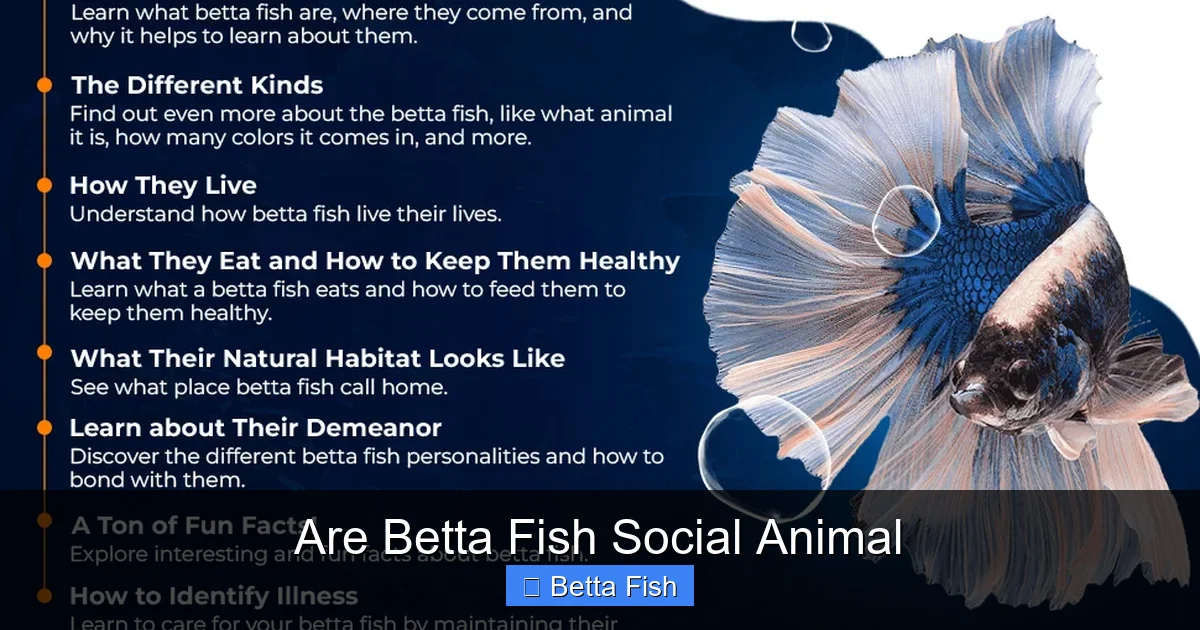
Visual guide about Are Betta Fish Social Animal
Image source: m.media-amazon.com
Territorial instincts over schooling
Male bettas are famously aggressive. In the wild, they defend small puddles or rice paddies from rivals. This territorial instinct makes them poor candidates for traditional schooling. Instead of seeking companions, a male betta will often flare, growl, and attack anything that enters his perceived domain.
Female bettas: a different story
Female bettas are less aggressive and can tolerate the presence of other females if the environment is spacious enough. They may even display subtle social cues like gentle fin wags or synchronized swimming, but they still avoid direct competition for space.
2. Male Betta Social Dynamics
Why males are kept separate
The most common recommendation—keep male bettas alone—stems from their instinct to fight. A single male in a 5‑gallon tank can establish a territory, display his colors, and live stress‑free. If you try to house two males together, expect constant flaring and possible fatal injuries.
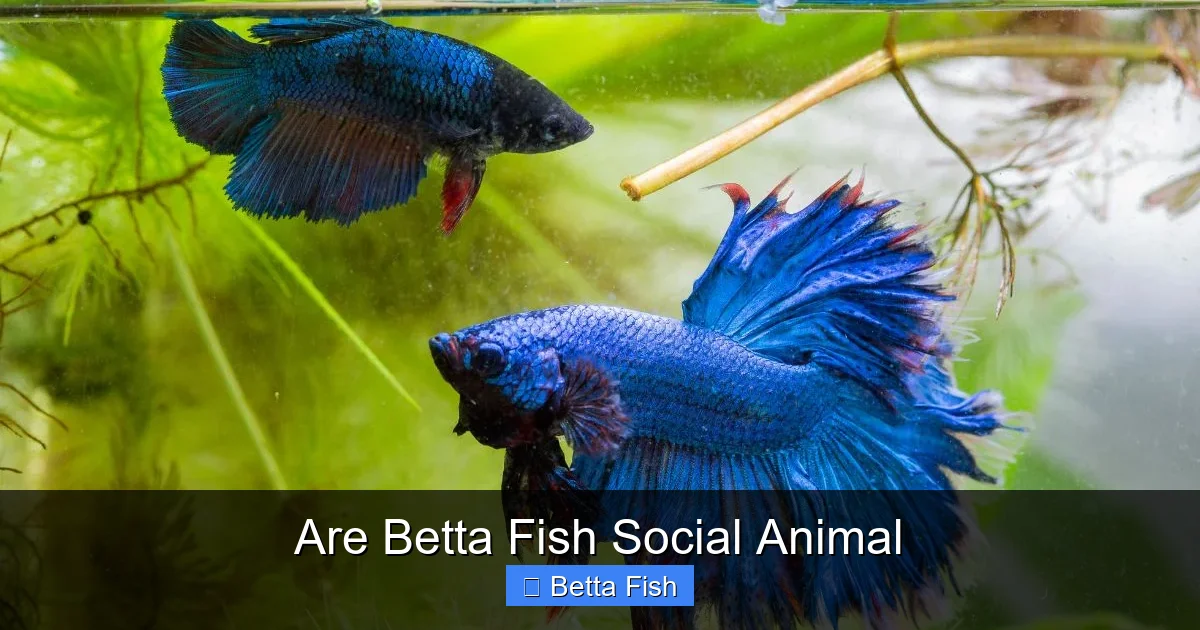
Visual guide about Are Betta Fish Social Animal
Image source: housedpet.com
Can a male betta have a “friend”?
Yes, but the “friend” isn’t another betta. A male can coexist with certain peaceful, non‑fin‑nipping species such as small rasboras, kuhli loaches, or shrimp. The key is to provide plenty of visual barriers—plants, caves, and driftwood—so the betta doesn’t feel his space is being invaded.
Enrichment without aggression
Even a solitary male needs mental stimulation. Mirror toys, floating logs, and gentle water currents give him something to interact with without provoking real fights. Rotate toys every few weeks to keep curiosity high.
3. Female Betta “Sorority” Groups
Setting up a sorority tank
A sorority is a group of female bettas kept together. To succeed, follow these rules:
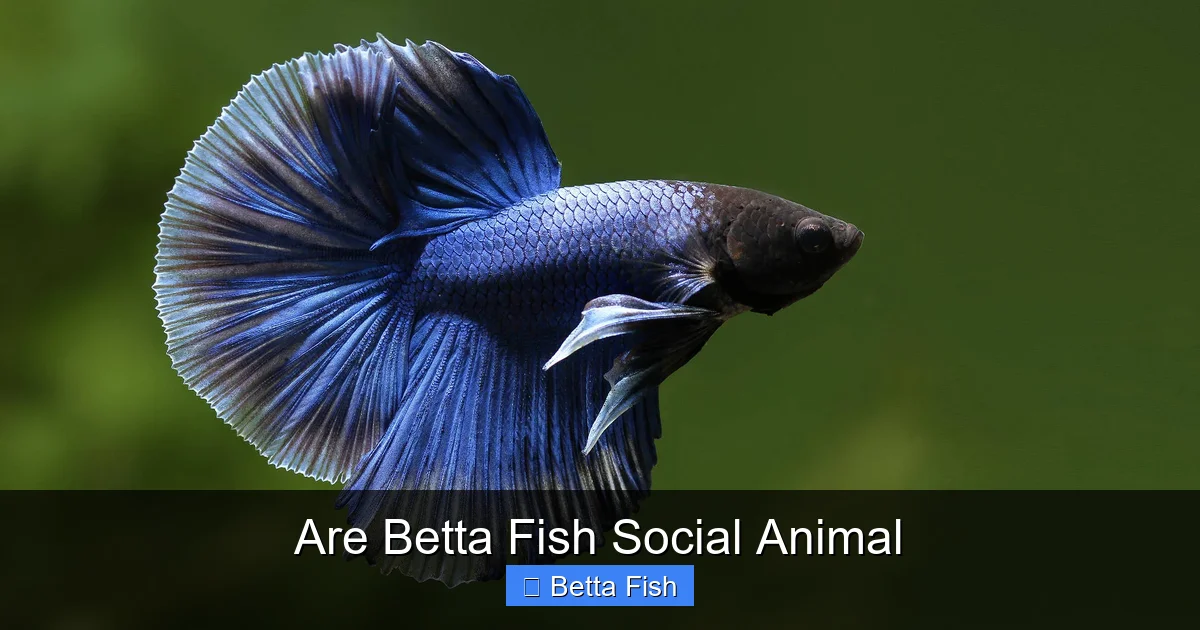
Visual guide about Are Betta Fish Social Animal
Image source: wallpapers.com
- Tank size: Minimum 20‑gallon, providing at least 3‑4 gallons per fish.
- Plenty of plants: Live or silk plants create natural borders.
- Even numbers: An odd number can leave one fish without a partner, increasing stress.
- Hideouts: Caves, PVC pipes, and leaf litter give retreat spaces.
Choosing compatible females
Pick females of similar size and temperament. Avoid mixing a very large, dominant female with smaller, shy ones. Observe the first 48 hours closely; gentle nudges are normal, but persistent chasing means you need to separate the aggressor.
Benefits of a sorority
Females in a sorority often display brighter colors and more active swimming. The social interaction can reduce the boredom that sometimes leads to fin‑nipping or excessive flaring.
4. How to Tell If Your Betta Wants Company
Behavioral clues
Watch for these signs:
- Frequent flaring at glass: May indicate boredom or a desire for visual stimulation.
- Exploratory swimming: A betta that darts around the tank is curious and may benefit from enrichment.
- Loss of color or dull fins: Stress from isolation or a cramped tank.
Testing compatibility
When adding a new fish, use a quarantine tank first. After a week, place a clear divider in the main tank so the bettas can see each other but not touch. If both remain calm, you can consider a shared space with plenty of cover.
5. Practical Tips for a Happy Betta Environment
Tank setup basics
Regardless of social setup, a betta’s tank should have:
- At least 5 gallons of filtered water (more for sororities).
- Heater set to 76‑82°F (24‑28°C).
- Gentle flow: Betta’s labyrinth organ lets them breathe air, so a weak current is best.
- Live plants or silk foliage for hiding spots.
Enrichment ideas
- Floating lily pads or silk leaves.
- Mirror for short, supervised sessions to encourage natural flaring.
- Small “treasure chest” toys that hide food.
Feeding routines
Feed high‑quality betta pellets or frozen brine shrimp twice daily. Overfeeding leads to poor water quality, which can increase aggression.
6. Common Mistakes and How to Avoid Them
Putting two males together
Even a brief visual contact can trigger a fight. Always keep males separate unless you have a large, heavily planted tank with a solid divider.
Using tiny bowls
Small containers limit swimming space and hideouts, causing stress. For a single betta, a 5‑gallon tank with a lid is the minimum. Learn more about why betta fish are often kept in small containers here.
Ignoring water quality
Betta fish are hardy but not immune to ammonia spikes. Perform weekly water changes of 25‑30% and test parameters regularly.
Conclusion: Are Betta Fish Social Animals?
Betta fish are social in a very specific way. They do not form schools, but they thrive on visual stimulation, environmental enrichment, and—depending on gender—limited companionship. Male bettas prefer solitary territories with occasional interaction with peaceful tank mates, while females can enjoy the company of other females in a well‑planted sorority.
Understanding these nuances lets you tailor a habitat that respects their natural instincts while providing the mental enrichment they crave. Whether you keep one striking male or a lively group of females, the key is to give each fish enough space, hiding places, and interesting things to do. Happy bettas mean a beautiful, lively aquarium—and a proud owner.
Frequently Asked Questions
Are betta fish naturally social?
Betta fish are not social in the schooling sense. Males are highly territorial, while females can tolerate groups if the tank is spacious and well‑planted.
Can I keep two male bettas together?
No. Male bettas will fight aggressively. If you want multiple males, each needs its own tank or a solid divider.
What is a betta sorority?
A sorority is a group of female bettas kept together. It works best in a 20‑gallon tank with plenty of plants and hiding spots.
What tank mates are safe for a male betta?
Peaceful species like neon tetras, kuhli loaches, and shrimp can coexist with a male betta if there are enough plants and caves to break line of sight.
How can I tell if my betta is bored?
Frequent flaring at the glass, swimming in circles, or loss of color may indicate boredom. Adding enrichment toys or live plants can help.
Do bettas need a heater?
Yes. Betta fish are tropical and thrive at 76‑82°F (24‑28°C). A reliable heater maintains a stable temperature.

