Betta fish enjoy a special cultural status in Vietnam, but protection is limited to certain regulations on wild capture and trade. While some habitats are safeguarded, most bettas remain unprotected, making sustainable sourcing crucial for hobbyists.
Key Takeaways
- Legal framework: Vietnam has wildlife laws, but bettas are not listed as protected species.
- Habitat threats: Pollution, mangrove loss, and over‑harvesting endanger wild populations.
- Conservation projects: NGOs and local farms are working to breed bettas sustainably.
- Import/export rules: CITES does not cover bettas, but Vietnam requires permits for wild capture.
- What hobbyists can do: Choose captive‑bred fish, support ethical farms, and avoid wild‑caught specimens.
- Future outlook: Growing awareness could lead to stronger protections in the next decade.
- Key resources: Learn where bettas live in nature and how to keep them responsibly.
📑 Table of Contents
- Introduction: Why the Question Matters
- 1. Vietnam’s Wildlife Laws and Betta Classification
- 2. The Natural Habitat of Betta Fish in Vietnam
- 3. Conservation Efforts and Sustainable Breeding
- 4. Legal Trade vs. Illegal Trade: What You Might See in the Market
- 5. Practical Tips for Ethical Betta Keeping
- 6. The Future: Could Betta Fish Become Protected?
- Conclusion
Introduction: Why the Question Matters
Betta fish, often called Siamese fighting fish, are famous for their flamboyant fins and feisty personalities. Most of us first meet them in a pet store, but their roots run deep into the rivers, rice paddies, and swamps of Southeast Asia—especially Vietnam. If you’ve ever wondered, “Are betta fish protected in Vietnam?” you’re not alone. The answer isn’t a simple yes or no; it’s a mix of laws, local customs, and emerging conservation work.
Understanding the protection status matters for three reasons. First, it helps hobbyists make ethical buying choices. Second, it shines a light on the health of wild habitats that support countless other species. Third, it guides policymakers and NGOs on where to focus their efforts. In the next sections we’ll break down the legal landscape, the state of wild populations, and practical steps you can take as a responsible keeper.
1. Vietnam’s Wildlife Laws and Betta Classification
1.1 The Wildlife Protection Law (2019)
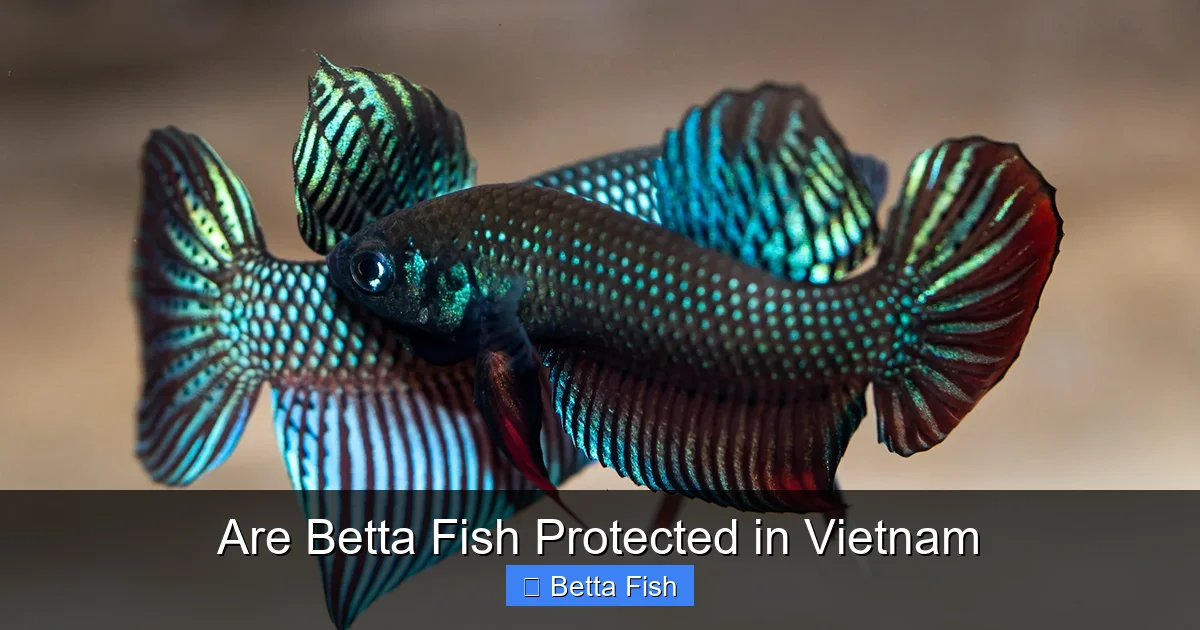
Vietnam’s most recent Wildlife Protection Law, enacted in 2019, lists over 500 protected species, ranging from tigers to pangolins. Betta splendens, the most common aquarium variety, is **not** on that list. The law does, however, regulate the capture and trade of “wild‑caught fish” under a permit system.
Visual guide about Are Betta Fish Protected in Vietnam
Image source: cdn.shopify.com
1.2 Permit requirements for wild capture
Any commercial operation that wishes to harvest bettas from the wild must obtain a permit from the Ministry of Natural Resources and Environment. The permit requires:
- Proof that the collection site is not a designated protected area.
- Evidence of sustainable harvesting numbers.
- Regular reporting on catch volumes.
In practice, many small‑scale collectors operate without proper documentation, especially in remote Mekong Delta villages where enforcement is limited.
1.3 CITES and international trade
The Convention on International Trade in Endangered Species (CITES) does not include betta fish. This means that global export/import of bettas does not require CITES permits, but Vietnam still applies its own export permits for wild‑caught specimens. Captive‑bred bettas move freely across borders, which is why most pet stores source from farms rather than the wild.
2. The Natural Habitat of Betta Fish in Vietnam
2.1 Where bettas live in the wild
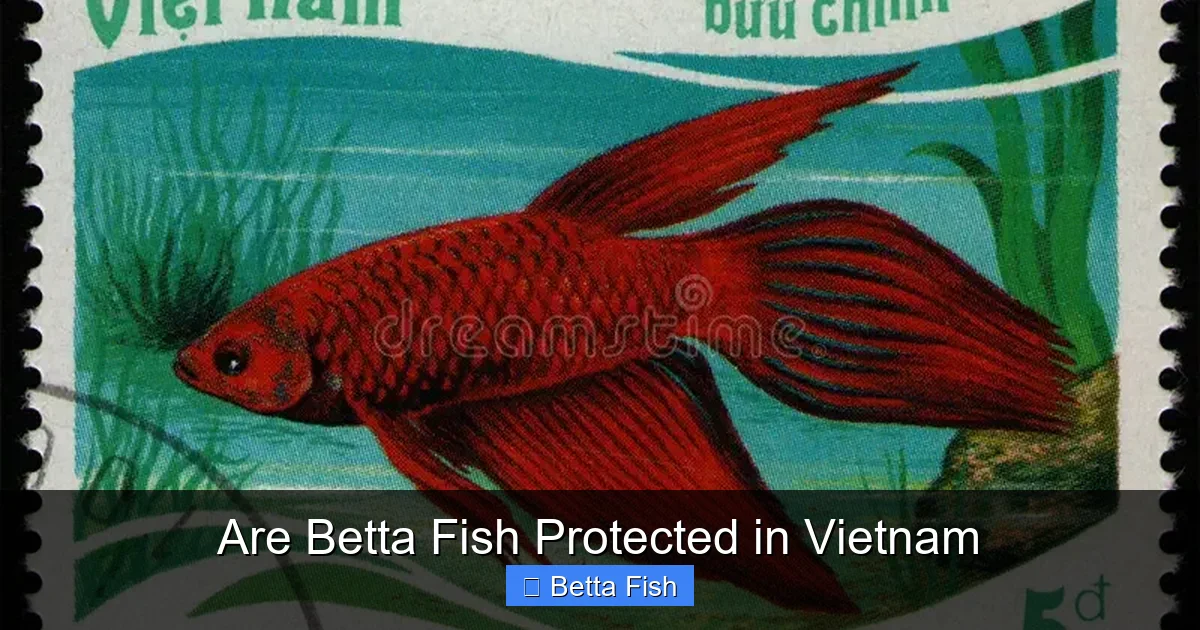
Betta fish are native to shallow, slow‑moving waters such as rice paddies, flood‑plain swamps, and forest streams. For a deeper look at their natural range, see our guide on where betta fish are found in nature. In Vietnam, the Mekong Delta and the central highlands host the richest wild populations.
Visual guide about Are Betta Fish Protected in Vietnam
Image source: thumbs.dreamstime.com
2.2 Habitat challenges
Rapid agricultural expansion, pesticide runoff, and mangrove clearance have all shrunk the natural playground for wild bettas. Seasonal flooding, once a reliable breeding trigger, is now unpredictable due to dam construction. These pressures make wild populations vulnerable, even without formal legal protection.
3. Conservation Efforts and Sustainable Breeding
3.1 NGO projects
Several local NGOs, such as the Vietnam Aquatic Conservation Alliance, run community‑based breeding programs. They train villagers to raise bettas in small, low‑impact tanks, providing an alternative income to wild capture. The goal is to create a market for “captive‑bred, Vietnam‑origin” fish that commands a premium price.
3.2 Private farms and ethical sourcing
Large commercial farms in Ho Chi Minh City and Hanoi now produce over 80 % of the bettas sold domestically. These farms follow bio‑security protocols, use recirculating water systems, and avoid wild broodstock. When buying, look for labels that say “captive‑bred” or ask the retailer about the source.
3.3 How hobbyists can support conservation
- Choose captive‑bred bettas from reputable sellers.
- Ask for a certificate of origin; many farms provide documentation.
- Donate to NGOs that run sustainable breeding programs.
- Educate fellow hobbyists about the impact of wild capture.
4. Legal Trade vs. Illegal Trade: What You Might See in the Market
4.1 Signs of illegal wild‑caught bettas
Wild‑caught bettas often have a slimmer body, less vibrant coloration, and may carry parasites. They may also be sold at lower prices because collectors bypass permit fees. If a seller can’t provide any paperwork, treat the fish with caution.
4.2 Enforcement challenges
Vietnam’s customs officers focus heavily on high‑value wildlife (e.g., turtles, orchids). Small fish shipments rarely trigger inspections, allowing illegal trade to slip through. Community reporting and consumer awareness are currently the best deterrents.
5. Practical Tips for Ethical Betta Keeping
5.1 Verify the source before purchase
Ask the retailer: “Is this betta captive‑bred or wild‑caught? Can you show a permit or breeding certificate?” If they can’t answer, consider looking elsewhere. This simple question helps shift demand toward responsibly raised fish.
5.2 Provide a suitable home
Even though bettas can survive in small bowls, they thrive in a 5‑gallon (≈19 L) tank with a gentle filter and live plants. For more on proper housing, read our article on why betta fish are kept in such small containers and why you might want to upgrade.
5.3 Maintain water quality
Betta fish are sensitive to ammonia and nitrite spikes. Perform a 25 % water change weekly, test parameters with a reliable kit, and keep the temperature between 76‑82 °F (24‑28 °C). Good water quality reduces stress and makes the fish less prone to disease.
5.4 Support captive‑bred lines
Many hobbyists love the vivid colors of wild‑type bettas, but captive breeding can produce equally stunning varieties without harming wild stocks. Look for “selective‑bred” strains that have been raised for generations in captivity.
6. The Future: Could Betta Fish Become Protected?
6.1 Growing public awareness
Social media campaigns highlighting the plight of wild bettas are gaining traction. Younger Vietnamese aquarists are demanding responsibly sourced fish, which pressures retailers to adopt stricter sourcing policies.
6.2 Potential legislative changes
If scientific surveys confirm a sharp decline in wild populations, the Ministry may consider adding bettas to the protected‑species list. Such a move would require stricter permits and could boost funding for habitat restoration.
6.3 Your role in shaping policy
Participate in local aquarium clubs, sign petitions, and share your knowledge with friends. Collective consumer pressure has led to protective measures for other species; bettas could be next.
Conclusion
So, are betta fish protected in Vietnam? The short answer is no—Vietnam’s current wildlife laws do not list bettas as protected species. However, the country does regulate wild capture through permits, and a growing network of NGOs and ethical farms is working to safeguard the fish through sustainable breeding. As a hobbyist, you have the power to support these efforts by choosing captive‑bred bettas, demanding transparency from sellers, and spreading awareness about the importance of wild habitat conservation.
By making informed choices, you help ensure that the brilliant colors and lively personalities of betta fish continue to enchant future generations—both in the aquarium and in the lush waterways of Vietnam.
Frequently Asked Questions
Are betta fish listed as a protected species in Vietnam?
No. Betta splendens is not included in Vietnam’s official protected‑species list, though wild capture requires a permit.
Do Vietnamese farms breed betta fish responsibly?
Many large farms now use captive‑bred broodstock, bio‑secure tanks, and recirculating water systems, making their fish a sustainable choice.
Can I tell if a betta is wild‑caught?
Wild‑caught bettas often appear slimmer, have duller colors, and may show signs of parasites. Asking for a source certificate helps confirm their origin.
What laws govern the export of wild bettas from Vietnam?
Exporters need a permit from the Ministry of Natural Resources and Environment, even though CITES does not cover bettas.
How can I support betta conservation in Vietnam?
Buy captive‑bred fish, support NGOs that run sustainable breeding programs, and spread awareness about habitat loss.
Will betta fish become protected in the future?
If research shows significant population declines, the government may add bettas to the protected list, but this depends on public pressure and scientific data.

