Are Betta Fish Ok in the Dark at Night

Betta fish do fine in the dark, but they still need a gentle day‑night cycle to thrive. Providing a dim, consistent night light and a secure hiding spot mimics their natural habitat and supports healthy sleep patterns.
Key Takeaways
- Natural rhythm: Betta fish are not strictly nocturnal, but they need a regular light‑dark cycle to regulate stress and hormone levels.
- Vision in low light: Bettas can see dimly; a faint night light is better than complete darkness.
- Safe sleep spots: Plants, caves, or silk nets give bettas a place to rest without feeling exposed.
- Aquarium lighting: Use timers and low‑intensity LEDs to create a gradual dusk‑to‑dawn transition.
- Water quality matters: Nighttime is a good time to check temperature and filter flow; low flow reduces stress while they rest.
- Temperature stability: Keep the water between 76‑82°F (24‑28°C) all night; sudden drops can weaken their immune system.
- Observe behavior: If a betta darts around or flares at night, it may signal stress, poor lighting, or health issues.
📑 Table of Contents
Introduction: Why the Nighttime Question Matters
When you first bring a betta home, the bright aquarium lights are exciting. But once the lights go off, many owners wonder, are betta fish ok in the dark at night? The answer isn’t a simple “yes” or “no.” Betta fish have evolved in shallow, dimly lit rice paddies and jungle streams, so they are accustomed to low‑light conditions. However, the modern tank is a very different environment, and the way we manage night time can affect a betta’s health, stress level, and overall happiness.
This guide walks you through what science says about betta vision, natural sleep habits, and practical steps you can take to create a night‑friendly tank. Think of it as a friendly chat over a cup of tea—simple language, handy tips, and a few useful links to deeper articles on our site.
1. How Betta Fish See in the Dark
Vision basics
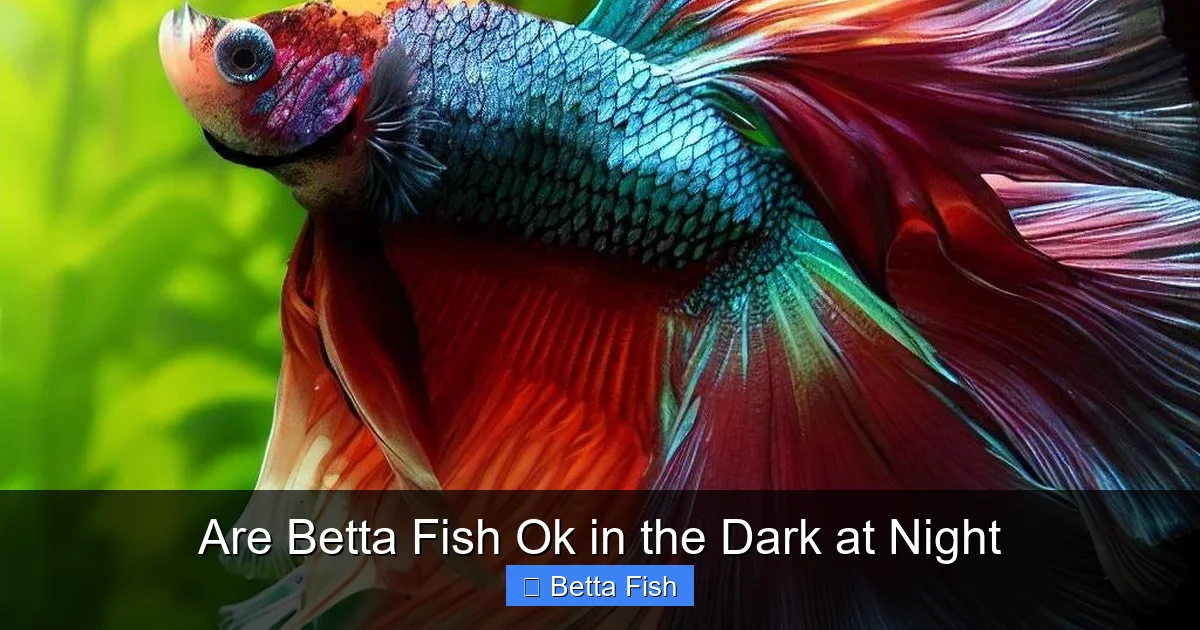
Betta fish have relatively large eyes for their size, packed with rod cells that excel in low‑light detection. While they cannot see in total darkness, they can navigate dim environments and spot movement. This is why a faint night light works better than complete blackness.
Visual guide about Are Betta Fish Ok in the Dark at Night
Image source: miro.medium.com
What research says
In the article Can Betta Fish See In The Dark, experts explain that bettas rely on contrast rather than color at night. Soft, blue‑tinted LEDs provide enough contrast for them to orient themselves without triggering stress.
Practical tip
- Choose a night light that emits no more than 0.5 lux. A small LED strip placed behind the tank or a moon‑light bulb works well.
- Avoid bright white bulbs; they mimic daylight and can confuse the fish’s internal clock.
2. Are Betta Fish Nocturnal?
Understanding their activity pattern
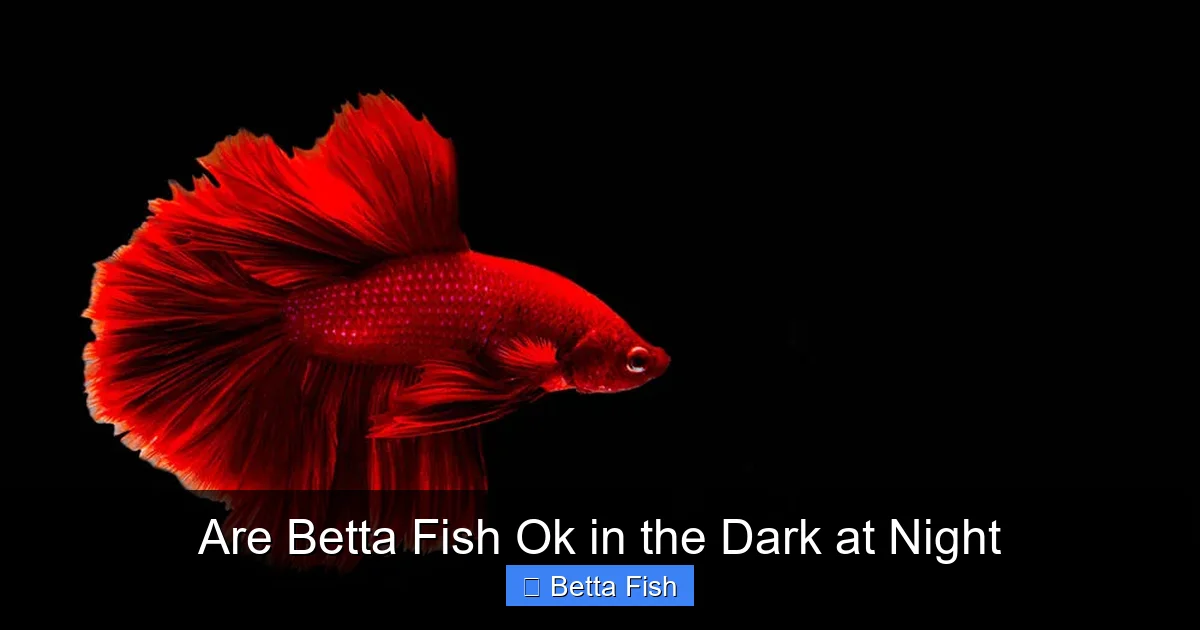
Betta fish are not truly nocturnal. In the wild, they are most active during early morning and late afternoon—times when sunlight filters through dense vegetation. At night, they usually find a quiet spot and rest, but they can become alert if they sense danger.
Visual guide about Are Betta Fish Ok in the Dark at Night
Image source: hepper.com
Link to deeper dive
Read more about their natural rhythm in our piece Are Betta Fish Nocturnal. Knowing that they are “crepuscular” (active at dawn and dusk) helps you set lighting schedules that match their instincts.
Tip for a smooth day‑night cycle
- Use a timer to dim lights over a 30‑minute period at both sunrise and sunset.
- Keep the night period consistent—about 10‑12 hours of darkness each day.
3. Creating a Comfortable Nighttime Environment
Lighting options
There are three main ways to provide night lighting:
Visual guide about Are Betta Fish Ok in the Dark at Night
Image source: hepper.com
- Hidden LED strips: Place them behind the back glass; the light bounces gently into the tank.
- Moon‑light bulbs: Soft blue bulbs fit most standard fixtures.
- Floating night globes: Small, battery‑powered globes that sit on the water surface.
Whichever you choose, keep the intensity low and the color cool.
Hiding places
Bettas love to rest under a leaf, inside a plant’s root mass, or in a small cave. Providing a secure spot reduces the urge to constantly patrol the tank during the night.
Link to habitat basics
For ideas on natural decorations, see Why Are Betta Fish Kept In Small Containers. Even in a modest tank, adding live plants or silk hides mimics the dense foliage of their native waters.
4. Temperature and Water Quality After Dark
Why temperature stability matters
Betta metabolism slows at night, but they still need a stable temperature range of 76‑82°F (24‑28°C). A sudden drop can stress the immune system and make them more susceptible to disease.
Nighttime water checks
Use a reliable heater with a thermostat and a digital thermometer. Check the temperature just before lights go off and again before they come on. If you notice a dip, consider a heater with a built‑in night mode that maintains heat without the glow of a heater element.
Filtration flow
High flow can disturb a resting betta. Switch to a low‑flow setting or use a sponge filter that provides gentle circulation. This also helps keep the water clear without creating strong currents that wake the fish.
5. Observing Nighttime Behavior
Typical signs of a relaxed betta
- Slow, graceful swimming near the bottom or mid‑level.
- Resting partially under a leaf or inside a cave.
- Minimal fin movement—just enough to keep balance.
Red flags
If you see frantic darting, constant flaring, or the fish hanging near the surface, it could indicate stress, poor lighting, or an underlying health issue such as fin rot or dropsy. In those cases, check water parameters, ensure the night light isn’t too bright, and consider a health check.
When to seek help
Persistent abnormal behavior for more than two nights warrants a visit to a veterinarian or a trusted aquarium forum.
6. FAQs About Betta Nighttime Care
Below are quick answers to the most common questions owners ask about darkness and bettas.
Frequently Asked Questions
Do betta fish need a light at night?
A faint night light helps them orient and reduces stress, but a completely dark tank is also acceptable if the fish seems comfortable. A low‑intensity blue LED is ideal.
How long should the night period be?
Aim for 10‑12 hours of darkness each day. Consistency is key—use a timer to avoid accidental light leaks.
Can I use the aquarium’s heater light as a night light?
Heater lights often emit a bright, warm glow that can disrupt the betta’s natural rhythm. It’s better to use a dedicated, dim night light.
Will a betta sleep at the top of the tank?
Betas usually rest near the bottom or among plants. If you notice them floating at the surface, check oxygen levels and water temperature.
What if my betta is active at night?
Some activity is normal, especially if the tank is new. Ensure the night light is dim, provide hiding spots, and monitor for signs of stress.
Is it okay to turn the lights off completely?
Yes, as long as the water temperature remains stable and the fish has a secure place to hide. Many hobbyists keep the tank completely dark and report healthy bettas.