UV light can reduce parasite loads in betta tanks, but it isn’t a magic cure. Proper filtration, water quality, and regular health checks are still essential for keeping your betta fish parasite‑free. Read on for practical steps and common pitfalls.
Key Takeaways
- UV sterilizers help, not replace: They lower parasite numbers but cannot eliminate every pathogen.
- Water quality matters most: Clean, stable parameters are the foundation of parasite prevention.
- Proper placement is crucial: Install the UV unit in the filter’s flow path for maximum exposure.
- Do not over‑rely on UV: Combine UV with quarantine, regular water changes, and good nutrition.
- Monitor your betta: Early signs of parasites include clamped fins, white spots, or abnormal swimming.
- Choose the right size: A 0.5‑ to 1‑watt UV sterilizer is ideal for most betta setups.
- Safety first: UV light can damage skin and eyes—handle the unit with gloves and never look directly at the lamp.
📑 Table of Contents
- Introduction: Why the Question Matters
- How UV Light Works in an Aquarium
- What Parasites Affect Betta Fish?
- Can UV Light Make Betta Tanks Parasite‑Free?
- Setting Up UV Light for Betta Tanks
- Complementary Practices for Parasite Prevention
- When UV Light Isn’t Enough: Treatment Options
- Conclusion: UV Light Is a Helpful Ally, Not a Substitute
Introduction: Why the Question Matters
Betta fish lovers often wonder if a UV light can act as a shield against parasites. The idea sounds simple: shine ultraviolet rays on the water, zap the tiny invaders, and enjoy a healthy, vibrant fish. In reality, the answer is a bit more nuanced. UV sterilizers are powerful tools, but they work best when paired with solid husbandry practices.
In this article we’ll explore the science behind UV light, how it interacts with betta tank ecosystems, and the steps you can take to keep your betta fish parasite‑free. Whether you have a 2‑gallon bowl or a 10‑gallon community tank, the principles remain the same.
How UV Light Works in an Aquarium
What UV Light Actually Does
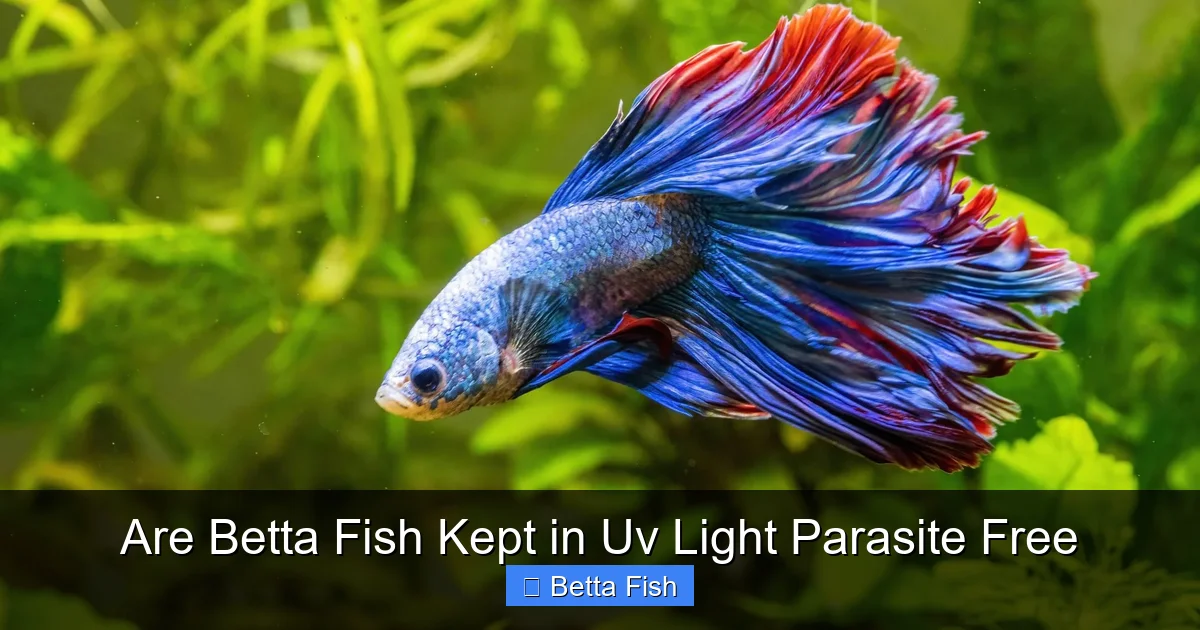
Ultraviolet (UV) light is part of the electromagnetic spectrum, falling between visible light and X‑rays. In aquarium sterilizers, a low‑pressure mercury vapor lamp emits UV‑C rays (around 254 nm). These rays damage the DNA of microorganisms, preventing them from reproducing.
Visual guide about Are Betta Fish Kept in Uv Light Parasite Free
Image source: fishkeepandchill.com
Types of UV Sterilizers
- Inline UV units: Installed in the filter’s plumbing, water passes through a clear chamber where it is exposed to UV.
- Hang‑on UV lamps: Sit in the tank itself, often used in larger hobbyist setups.
- Compact UV sticks: Small, plug‑and‑play devices suitable for betta bowls.
For most betta owners, an inline unit of 0.5‑ to 1‑watt is sufficient. Larger wattages are unnecessary and can even harm beneficial bacteria.
What Parasites Affect Betta Fish?
Common Parasites and Their Signs
Betta fish can fall victim to a handful of parasites that thrive in poor water conditions:
Visual guide about Are Betta Fish Kept in Uv Light Parasite Free
Image source: tankarium.com
- Ichthyophthirius multifiliis (Ich): Tiny white “snowflake” spots on the body and fins.
- Costia (Ichthyobodo): Slime coat, frayed fins, and erratic swimming.
- Trichodina: Fine dust‑like coating, especially on the gills.
- Hexamita (Flagellates): Bloated abdomen and loss of appetite.
Why Parasites Appear
Parasites often enter a tank on new fish, contaminated plants, or even on your hands. Stress from low temperature, ammonia spikes, or cramped spaces weakens a betta’s immune system, making infection more likely.
Can UV Light Make Betta Tanks Parasite‑Free?
What the Research Says
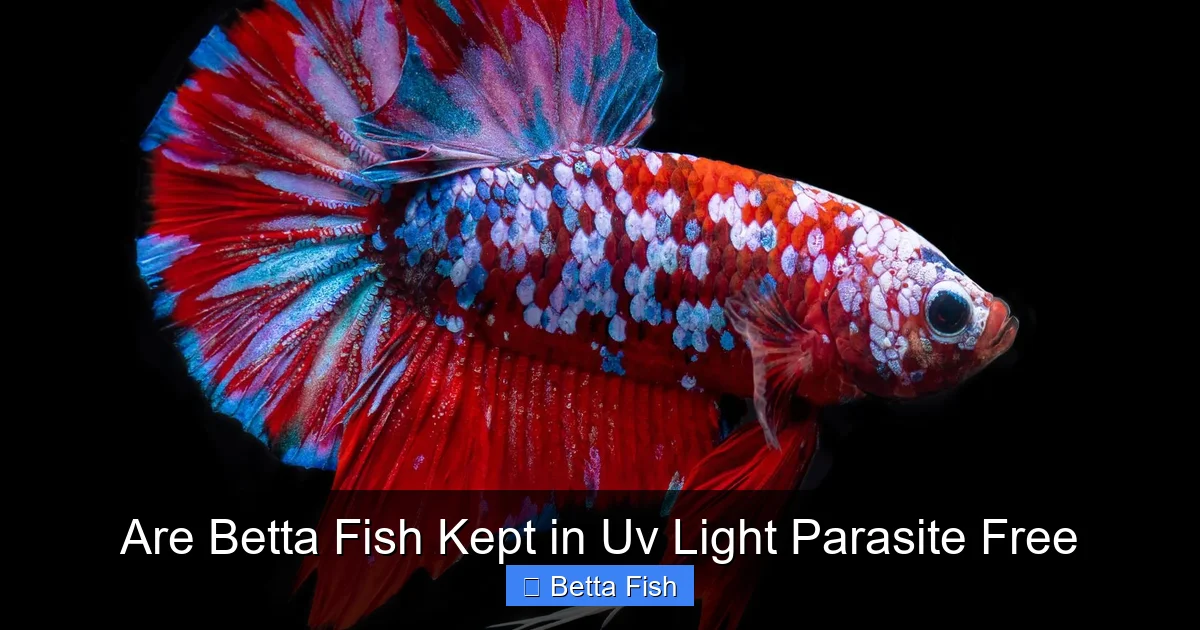
Studies on UV sterilization in freshwater systems show a significant reduction in free‑floating protozoa and bacterial counts. However, UV light does not penetrate fish tissue, eggs, or parasites that are attached to surfaces. This means that while UV can lower the *environmental load* of parasites, it cannot guarantee a completely parasite‑free tank.
Visual guide about Are Betta Fish Kept in Uv Light Parasite Free
Image source: acaquarium.com
Practical Limitations
- Flow rate matters: Water must stay in the UV chamber long enough (usually 30‑60 seconds) for effective sterilization.
- Tank size: A small bowl with a low‑watt UV may treat the entire volume, but larger tanks need higher wattage or multiple units.
- Maintenance: UV lamps lose potency after 6‑12 months; a dim lamp offers little protection.
Setting Up UV Light for Betta Tanks
Choosing the Right Unit
Look for a UV sterilizer rated for 1‑5 gallons if you keep a single betta in a small setup. Brands often list “suitable for up to X gallons.” Avoid units designed for large community tanks—they waste energy and can over‑sterilize the water.
Installation Steps
- Turn off and unplug all equipment.
- Place the UV chamber in line with the filter’s outflow hose (inline models).
- Secure the hose with clamps; ensure no leaks.
- Plug the UV lamp in and let it run for at least 30 minutes before adding fish.
- Replace the lamp annually, following the manufacturer’s schedule.
Safety Tips
Always wear gloves when handling the lamp, and never look directly at the UV tube. The light can cause skin burns and eye damage.
Complementary Practices for Parasite Prevention
Quarantine New Arrivals
Before introducing any new fish, isolate it in a separate hospital tank for 2‑4 weeks. Use a mild dip (e.g., aquarium salt or formalin) if you suspect parasites.
Maintain Water Quality
- Perform 25‑30% water changes weekly.
- Keep temperature steady between 76‑80 °F (24‑27 °C).
- Test ammonia, nitrite, and nitrate regularly; keep them at 0 ppm, 0 ppm, and below 20 ppm respectively.
Balanced Diet and Nutrition
A high‑quality betta pellet combined with occasional frozen or live foods (e.g., daphnia) boosts immunity, making fish less susceptible to parasites.
Regular Observation
Spend a few minutes each day watching your betta’s behavior. Early detection of clamped fins, loss of color, or odd swimming patterns can prevent a full‑blown outbreak.
When UV Light Isn’t Enough: Treatment Options
Spot‑Treating Ich and Other Parasites
If you notice classic Ich spots, increase the water temperature to 82 °F (28 °C) and add a copper‑based medication or a formalin dip. UV will continue to reduce the spread of free‑floating parasites during treatment.
Fin Rot and Other Secondary Infections
Fin rot often follows a parasite infestation. Treat with antibacterial meds and improve water flow. For detailed steps, see our guide on how to cure fin rot in betta fish.
When to Replace the UV Lamp
If you’ve had the lamp for more than a year, its output may have dropped below 70% effectiveness. Replace it promptly to maintain protective benefits.
Conclusion: UV Light Is a Helpful Ally, Not a Substitute
Answering the question “are betta fish kept in UV light parasite free?” with a simple yes or no would be misleading. UV sterilizers dramatically lower the number of parasites in the water, but they do not eliminate every risk. The healthiest betta tanks combine UV treatment with excellent water quality, proper quarantine, and vigilant daily care.
By following the steps outlined above, you give your betta the best chance to thrive—bright colors, active swimming, and a long, happy life. Remember, UV is a tool in your aquarium toolbox, not the whole toolbox.
Frequently Asked Questions
Will a UV sterilizer completely eliminate Ich?
No. UV reduces the number of free‑swimming Ich parasites, but it cannot kill those attached to a fish’s skin. Combining UV with temperature rise and medication is the safest approach.
Can I use a UV lamp in a tiny betta bowl?
Yes, but choose a low‑watt, compact model designed for 1‑5 gallons. Ensure the lamp’s flow rate matches the bowl’s water turnover to avoid under‑exposure.
How often should I replace the UV bulb?
Most manufacturers recommend replacement every 6‑12 months. A dim lamp loses its germicidal power and offers little protection.
Is UV light harmful to my betta fish?
When installed correctly, UV light does not harm fish because the water filters the rays. Direct exposure to the lamp should be avoided for both the fish and the keeper.
Do I need to clean the UV chamber regularly?
Yes. Algae and debris can block UV rays. Rinse the quartz sleeve with a soft brush and warm water every month.
Can UV light replace regular water changes?
No. UV is a supplement, not a substitute. Water changes remove waste, control nitrate, and maintain stable parameters—essential for parasite prevention.

