Are Betta Fish Healthy
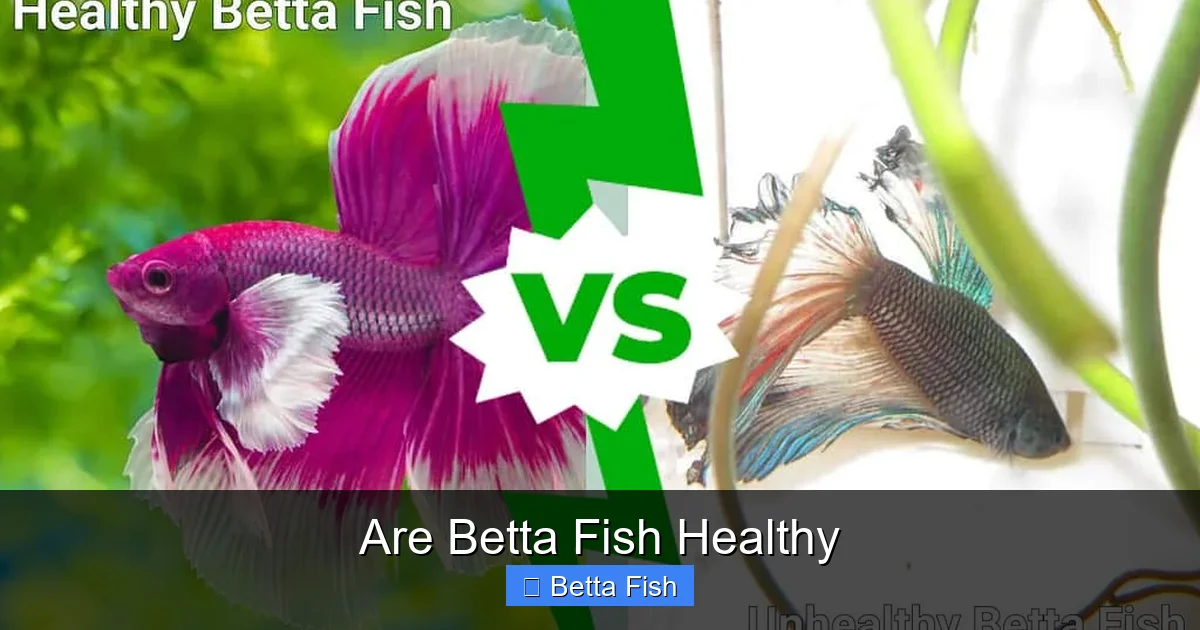
Betta fish can live long, healthy lives when given proper water conditions, nutrition, and environment. Watch for clear fins, active swimming, and bright colors as key health indicators, and intervene quickly if you notice any changes.
Key Takeaways
- Water quality matters most: Stable temperature, proper pH, and clean water prevent most diseases.
- Nutrition is essential: A balanced diet of high‑quality pellets, frozen foods, and occasional veggies supports immune health.
- Observe behavior daily: Active swimming, regular feeding, and bright coloration signal a healthy betta.
- Know the warning signs: Faded colors, clamped fins, or labored breathing indicate stress or illness.
- Proper tank setup: At least 5 gallons, gentle filtration, and live plants create a stress‑free environment.
- Regular health checks: Quick visual exams each week catch problems before they spread.
- Preventive care beats treatment: Consistent water changes and a varied diet reduce the need for medication.
📑 Table of Contents
- Introduction: Why Betta Health Matters
- 1. What Does a Healthy Betta Look Like?
- 2. The Core of Betta Health: Water Quality
- 3. Nutrition: Feeding for a Strong Immune System
- 4. Common Health Issues and How to Spot Them
- 5. Creating an Optimal Habitat
- 6. Routine Health Checks and Preventive Care
- Conclusion: Keeping Your Betta Healthy for the Long Run
Introduction: Why Betta Health Matters
If you’ve ever watched a betta flare its glorious fins, you know these little fish are more than just pretty decorations. They’re curious, intelligent, and, when cared for correctly, remarkably resilient. But like any pet, a betta’s health depends on the choices you make as a keeper. Understanding what “healthy” looks like, spotting early warning signs, and providing the right environment can turn a short‑lived novelty into a lifelong companion.
In this article we’ll walk through the basics of betta health, break down the most common problems, and give you practical, step‑by‑step tips to keep your fish thriving. Whether you’re a brand‑new owner or a seasoned hobbyist, the information here will help you answer the question, “Are betta fish healthy?” with confidence.
1. What Does a Healthy Betta Look Like?
Physical Appearance
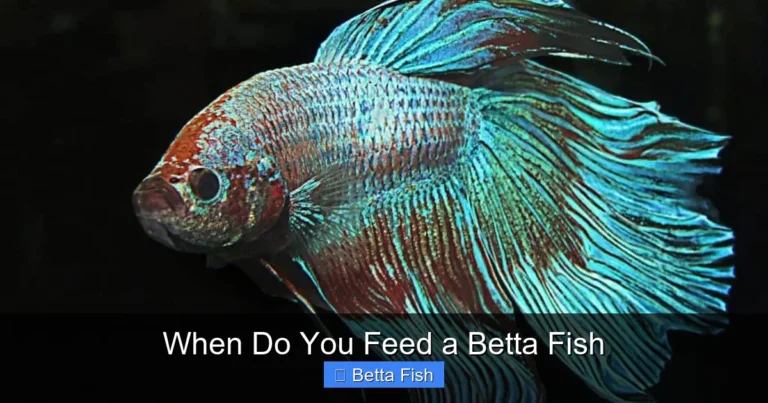
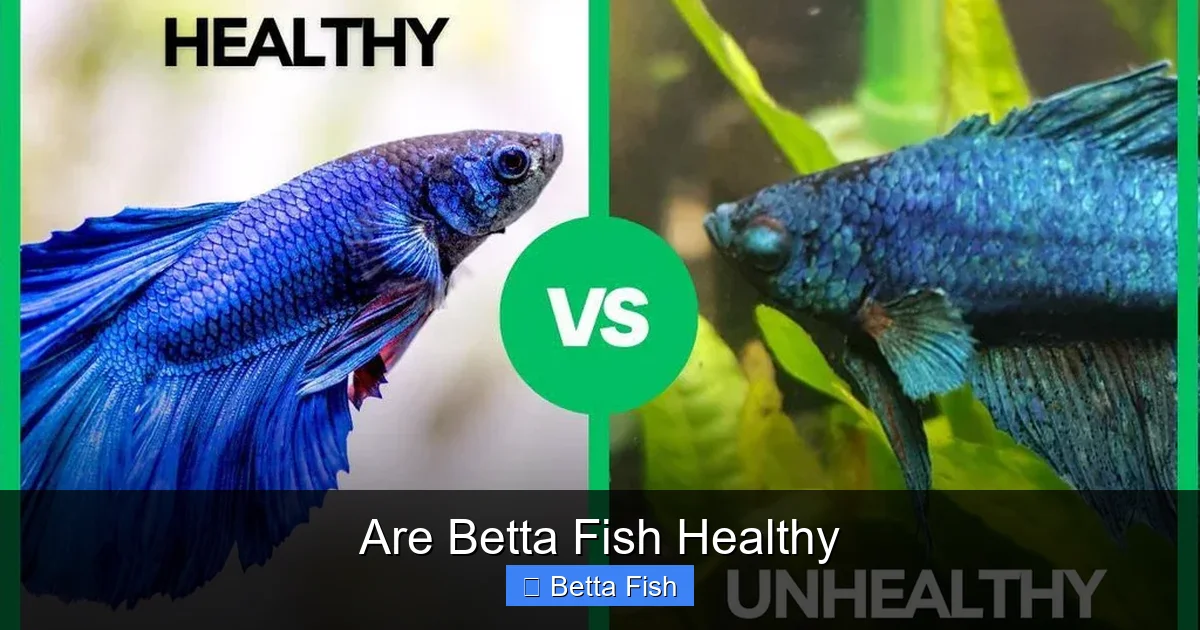
A healthy betta displays bright, even coloration across its body and fins. The scales should be smooth, not raised or missing. Fins are full, flowing, and free of tears or fraying. Eyes are clear and round, without cloudiness or bulging.
Visual guide about Are Betta Fish Healthy
Image source: cdn.shopify.com
Behavioral Indicators
Active swimming, regular surface visits for air, and a steady appetite are strong signs of wellness. A healthy betta will also exhibit natural curiosity—exploring decorations, interacting with you, and occasionally “flaring” when it feels confident.
Internal Health
Internally, a healthy betta has a well‑functioning digestive system, which you can infer from consistent, soft stools (often seen as tiny dark specks in the water after feeding). No excessive mucus or abnormal waste is a good sign.
2. The Core of Betta Health: Water Quality
Temperature
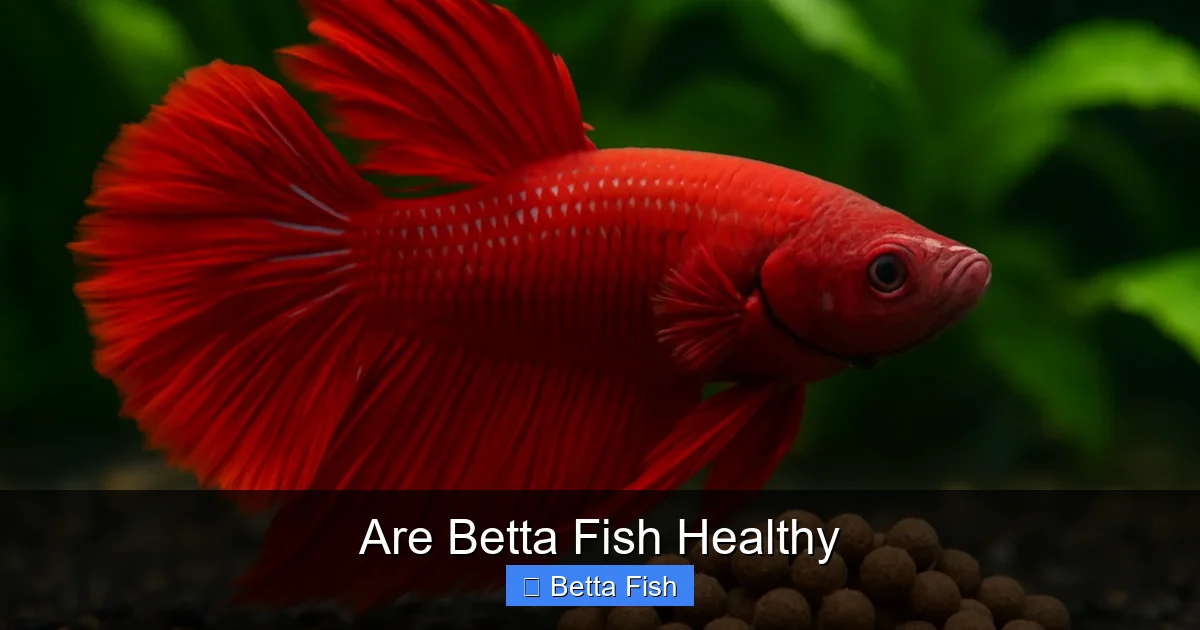
Betta fish are tropical, thriving at 76‑82°F (24‑28°C). Temperatures below 75°F can suppress their immune system, while anything above 84°F raises stress and oxygen demand. Use an adjustable heater and a reliable thermometer to maintain stability.
Visual guide about Are Betta Fish Healthy
Image source: koibettafish.com
pH and Hardness
Ideal pH ranges from 6.5 to 7.5, with a moderate hardness (GH 3‑4). Sudden shifts in pH can cause “pH shock,” leading to rapid health decline. Test the water weekly with a liquid test kit and adjust slowly using buffers if needed.
Filtration and Flow
Although bettas can live in low‑flow environments, a gentle filter removes toxins without stressing the fish. A sponge filter or a low‑output hang‑on filter works well. Remember to keep the current weak; bettas prefer calm waters where they can rest near the surface.
Cleaning Routine
Perform a 20‑30% water change every 5‑7 days. Use a water conditioner to neutralize chlorine and chloramines. Avoid over‑cleaning the substrate, as beneficial bacteria need some surface to colonize.
3. Nutrition: Feeding for a Strong Immune System
Quality Commercial Pellets
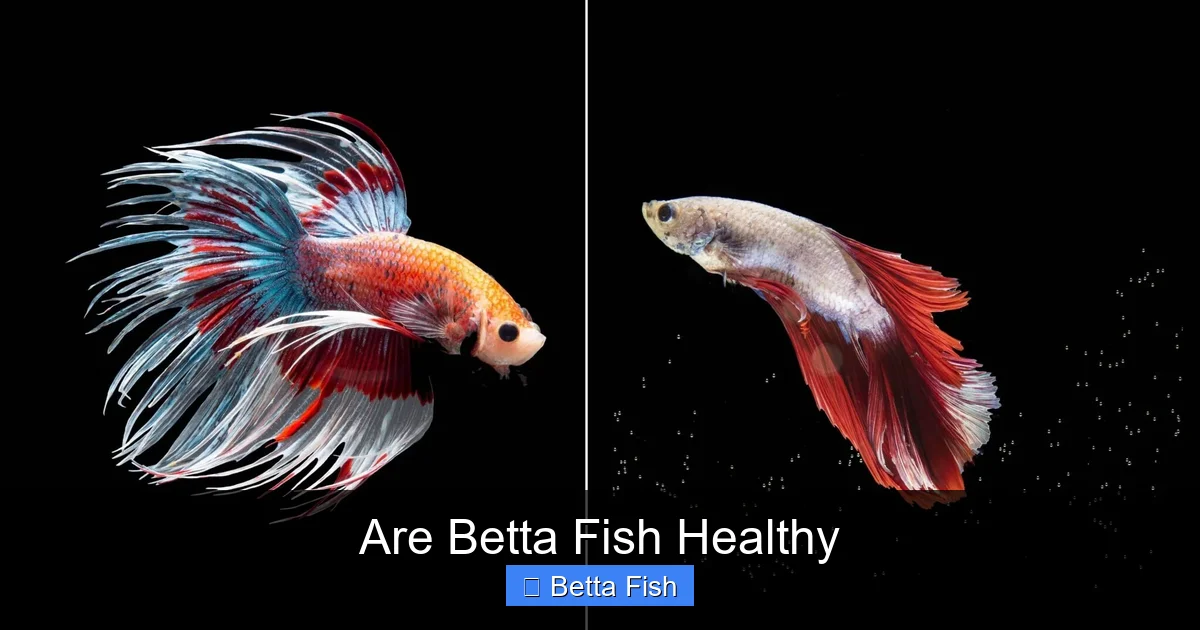
High‑protein betta pellets should form the staple of the diet. Look for products with at least 40% protein and minimal fillers. Feed 2‑3 small pellets once or twice daily, removing any uneaten food after five minutes.
Visual guide about Are Betta Fish Healthy
Image source: fishkeepingadvice.com
Supplementary Foods
Frozen or live foods such as brine shrimp, daphnia, and bloodworms add variety and essential nutrients. Offer these treats 1‑2 times per week. For vegans, blanched peas (skin removed) provide fiber and help with digestion.
Feeding Mistakes to Avoid
- Overfeeding – leads to poor water quality and obesity.
- Feeding only flake food – lacks the protein bettas need.
- Skipping variety – reduces natural foraging behavior and can cause nutritional deficiencies.
4. Common Health Issues and How to Spot Them
Fin Rot
Fin rot appears as ragged, discolored edges on the fins, often accompanied by a cloudy film. It’s usually caused by bacterial infection from poor water quality. Treat with a broad‑spectrum antibiotic and improve water conditions.
Ich (White Spot Disease)
Small white dots resembling salt crystals cover the body and fins. The betta may rub against objects, showing “flashing” behavior. Raise the temperature to 84°F and add a reputable ich medication.
Velvet
This fungal infection gives the fish a fine, dusty gold or rust coating. Increase water temperature slightly and use a copper‑based treatment.
Swim Bladder Disorder
Symptoms include floating at the surface, sinking, or swimming upside down. Overfeeding, especially of dry foods, can cause constipation leading to swim bladder issues. Fast the fish for 24‑48 hours and then feed a peeled pea.
Ammonia or Nitrite Poisoning
Red or inflamed gills, rapid breathing, and lethargy are signs. Test water immediately; if levels are high, perform an emergency water change and use a detox product.
5. Creating an Optimal Habitat
Tank Size and Layout
While many bettas are sold in tiny bowls, a 5‑gallon tank is the minimum for a healthy adult. This space provides stable water parameters and room for enrichment. Include a lid to prevent jumps.
Live Plants and Decorations
Live plants such as Anubias, Java fern, and Marimo moss improve water quality and provide resting spots. They also mimic the betta’s natural habitat, reducing stress. For a full list of good choices, see Which Live Plants Are Good For Betta Fish.
Lighting
Provide 8‑10 hours of gentle LED lighting daily. Avoid intense glare which can stress the fish.
Water Conditioning
Always treat tap water with a conditioner that removes chlorine, chloramine, and heavy metals. Some conditioners also contain slime‑coat protectants that aid in stress reduction.
6. Routine Health Checks and Preventive Care
Weekly Visual Inspection
Spend a few minutes each week watching your betta. Look for changes in color, fin condition, and swimming pattern. Use a small flashlight to check the gills for redness.
Monthly Water Tests
Test ammonia, nitrite, nitrate, pH, and hardness. Record results in a log to spot trends before they become problems.
Quarantine New Arrivals
If you add a new betta or other compatible fish, keep it in a separate quarantine tank for at least two weeks. This prevents the introduction of hidden parasites or diseases.
When to Seek Professional Help
If symptoms persist after a week of treatment, or if the fish shows severe distress (e.g., rapid breathing, loss of equilibrium), consult a veterinarian who specializes in fish.
Conclusion: Keeping Your Betta Healthy for the Long Run
Answering the question “Are betta fish healthy?” is straightforward: they are capable of excellent health when you meet their basic needs—clean, warm water; a balanced diet; and a low‑stress environment. By staying vigilant, performing regular water changes, feeding a varied diet, and watching for early signs of trouble, you give your betta the best chance at a vibrant, active life.
Remember, a healthy betta is a happy betta, and a happy betta brings endless joy to any aquarium hobbyist. Use the tips above, keep learning, and enjoy the colorful companionship of your beautiful fish.
Frequently Asked Questions
What are the first signs that my betta is unhealthy?
Look for faded colors, clamped fins, ragged edges, labored breathing, or a loss of appetite. Early detection makes treatment much easier.
How often should I change the water in my betta’s tank?
Change 20‑30% of the water every 5‑7 days. This keeps nitrate levels low and maintains stable water chemistry.
Can bettas live in a bowl?
While they can survive in a bowl, a 5‑gallon tank with filtration provides a healthier, more stable environment and reduces stress.
Do bettas need a heater?
Yes. Betta fish are tropical and thrive at 76‑82°F (24‑28°C). A reliable heater prevents temperature fluctuations that can weaken their immune system.
Are betta fish prone to any specific diseases?
Common issues include fin rot, ich, velvet, and swim bladder disorder. Good water quality, proper diet, and regular observation help prevent these problems.
Is my betta’s flaring behavior a sign of illness?
Flaring is a natural display of confidence or territorial behavior, not illness. However, if flaring is accompanied by aggression toward tank mates or signs of stress, evaluate water conditions and tank size.