Are Betta Fish Afraid of Light

Betta fish aren’t truly afraid of light, but they do prefer a gentle, natural day‑night cycle. Too bright or constant illumination can stress them, while proper lighting supports their colors, health, and natural behaviors.
Key Takeaways
- Bettas need a light cycle: A regular on/off schedule mimics their native habitats and reduces stress.
- Intensity matters: Soft, diffused light is ideal; harsh LEDs can cause hiding or loss of color.
- Duration guidelines: Aim for 8‑10 hours of light daily, with a period of darkness for rest.
- Lighting type: Full‑spectrum LED or fluorescent bulbs work best for color enhancement.
- Observe behavior: If your betta darts to the top or hides, adjust brightness or timing.
- Combine with water quality: Good lighting won’t help a poor tank; maintain clean, warm water.
- Use internal links for deeper care tips: Learn more about lighting, tank size, and stress signs in related articles.
📑 Table of Contents
- Introduction: Light, Color, and the Curious Betta
- 1. How Betta Fish Perceive Light
- 2. The Role of Light in Betta Health
- 3. Choosing the Right Light for Your Betta Tank
- 4. Practical Lighting Tips for Betta Owners
- 5. Common Lighting Mistakes and How to Fix Them
- 6. Frequently Asked Questions About Betta Light Preferences
- Conclusion: Light Up Your Betta’s World the Right Way
Introduction: Light, Color, and the Curious Betta
When you first set up a betta tank, the shiny LED strip or bright aquarium lamp can look inviting. You might wonder, “Are betta fish afraid of light?” The short answer is no – bettas aren’t scared of light the way a cat might shy from a flashlight. However, they do have preferences, and getting the lighting wrong can lead to stress, faded colors, and health problems.
In this article we’ll explore how bettas see light, what their natural environment looks like, and practical steps you can take to give them a lighting routine that feels just right. By the end, you’ll know exactly how to keep your finned friend bright‑hearted and vibrant.
1. How Betta Fish Perceive Light
Vision Basics
Betta fish have well‑developed eyes that can detect a wide range of colors. Their retina contains cones that are especially sensitive to red and green wavelengths, which helps them spot food and rivals in the dim, vegetated waters of Southeast Asia.
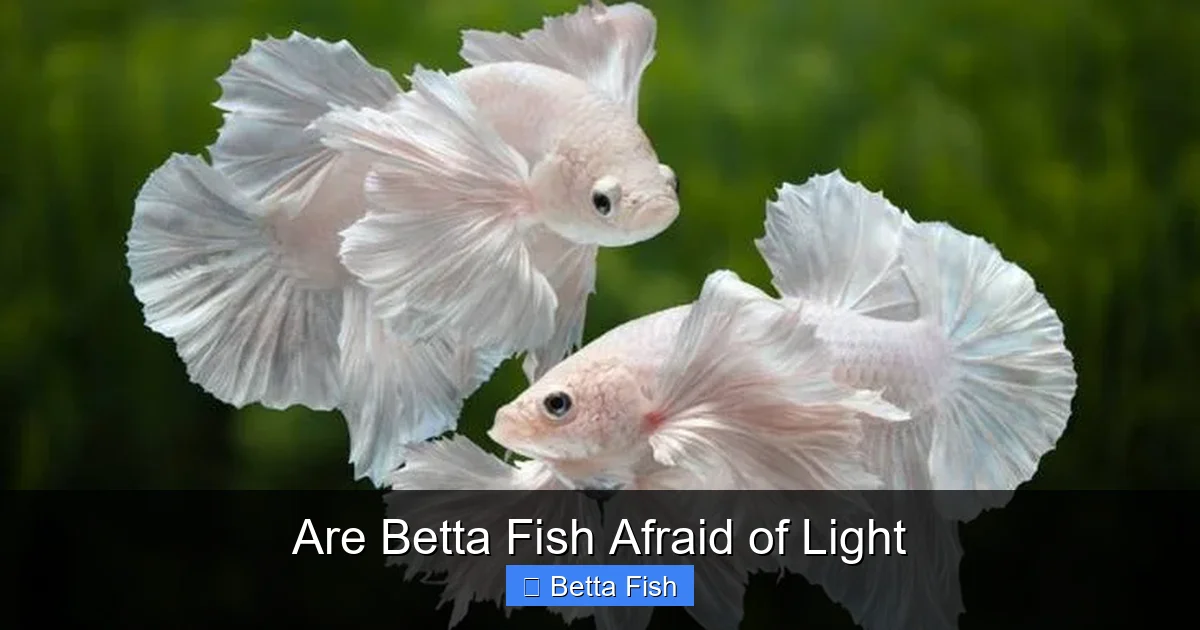
Visual guide about Are Betta Fish Afraid of Light
Image source: i.pinimg.com
Natural Habitat Lighting
In the wild, bettas live in shallow rice paddies, slow‑moving streams, and dense vegetation. Sunlight filters through floating leaves, creating dappled, soft illumination. The light is never constant – clouds pass, water ripples, and night falls.
Why “Fear” Is a Misnomer
When a betta darts to the surface or hides under a leaf, it’s usually reacting to sudden changes, not an innate fear of brightness. Sudden, intense light can startle them, much like a loud noise, but they quickly adapt if the light is steady and moderate.
2. The Role of Light in Betta Health
Enhancing Color and Mood
Proper lighting brings out the brilliant reds, blues, and iridescent hues that make bettas famous. Full‑spectrum LEDs mimic natural sunlight, encouraging pigment expression and a lively demeanor.
Supporting the Immune System
Light influences the production of vitamin D in many fish species. While bettas do not rely heavily on UV‑B like reptiles, a balanced light cycle helps regulate hormones that control stress and disease resistance.
Preventing Stress and Aggression
Constant illumination can disrupt the betta’s circadian rhythm, leading to irritability and over‑grooming of fins. Providing a dark period each night gives them time to rest and reduces the chance of fin‑rot caused by stress.
3. Choosing the Right Light for Your Betta Tank
LED vs. Fluorescent
LED lights are energy‑efficient, produce little heat, and are available in full‑spectrum options that highlight betta colors. Fluorescent tubes are also fine but may need a timer to avoid overheating the water.
Brightness and Placement
- Diffuse the light: Use a frosted cover or position the fixture at an angle to avoid direct beams.
- Keep it low: Aim for 0.5–1.0 watts per gallon; a 2‑gallon tank typically needs a 2‑3 watt LED.
- Avoid glare: Mirrors or shiny decorations can reflect light, making the tank feel too bright.
Timing Is Everything
Set a timer for 8–10 hours of light per day. This mirrors the natural day length in the betta’s native region and gives them a predictable routine.
4. Practical Lighting Tips for Betta Owners
Use a Timer
Invest in a simple plug‑in timer. Once set, you won’t have to remember to turn the light on and off, and your betta will appreciate the consistency.
Create Shade Areas
Include live plants, silk plants, or smooth rocks. These create natural hideouts where your betta can retreat if the light feels too strong.
Monitor Behavior
Watch for these signs:
- Frequent hiding under leaves – light may be too bright.
- Lethargy during the “day” period – consider reducing intensity.
- Vibrant colors and active swimming – you’ve nailed the lighting.
Combine With Proper Water Conditions
Good lighting won’t fix poor water. Keep the temperature between 76‑82°F, maintain stable pH (6.5‑7.5), and perform regular water changes. For more on water basics, see What Type Of Water For Betta Fish.
5. Common Lighting Mistakes and How to Fix Them
Leaving Lights On 24/7
Continuous light stresses the betta’s pineal gland, leading to hormonal imbalance. If you’ve been running lights nonstop, start a gradual dim‑off schedule over a week.
Using Too Strong a Bulb
High‑intensity aquarium spotlights are meant for reef tanks, not bettas. Replace them with a low‑wattage, full‑spectrum LED.
Ignoring Seasonal Changes
In winter, natural daylight shortens. You can slightly reduce the timer to 8 hours to mimic the season, but avoid dropping below 6 hours, as it may suppress appetite.
Lack of Dark Hideouts
If your tank is all open space, the betta can’t escape bright spots. Add a piece of driftwood or a silk plant to create shadowed zones.
6. Frequently Asked Questions About Betta Light Preferences
Do bettas need UV lighting?
Betta fish do not require UV‑B lighting like reptiles. A full‑spectrum LED that includes a small amount of UV‑A is sufficient for color enhancement.
Can bright light improve my betta’s colors?
Yes, proper full‑spectrum lighting can intensify reds and blues, but over‑bright light can cause the colors to fade due to stress.
Should I turn the lights off at night?
Absolutely. A dark period of 14‑16 hours each night lets the betta rest and supports its natural circadian rhythm.
Is a 24‑hour light cycle ever okay?
Only in special cases, such as breeding under controlled conditions, and even then it should be monitored closely.
Can I use a plant grow light?
Yes, as long as it’s not too intense. Plant lights often have a balanced spectrum that benefits both plants and betta coloration.
What if my betta still hides?
Check water parameters, tank size, and tank mates. Sometimes hiding is a sign of illness, not lighting. See Why Did My Betta Fish Die All Of A Sudden for troubleshooting.
Conclusion: Light Up Your Betta’s World the Right Way
Betta fish are not scared of light, but they do thrive under a gentle, consistent day‑night rhythm that mirrors their natural environment. By choosing the right type of light, setting a proper schedule, and providing shaded hideouts, you’ll see your betta’s colors pop and its personality shine. Remember, good lighting works hand‑in‑hand with clean water, proper temperature, and a suitable tank size. Follow these tips, and your betta will thank you with vibrant fins and lively swims for years to come.
Frequently Asked Questions
Are betta fish nocturnal?
Betta fish are not strictly nocturnal; they are crepuscular, meaning they are most active during dawn and dusk. A balanced light cycle supports this natural pattern.
Do bettas need a heater if they have lights?
Yes. Light fixtures can add some warmth, but a reliable aquarium heater is essential to keep water between 76‑82°F, the ideal range for bettas.
Can I use natural sunlight for my betta tank?
Indirect sunlight can work, but direct sun can cause temperature spikes and algae growth. If you use natural light, monitor temperature closely.
How long should I leave the lights on each day?
Aim for 8‑10 hours of light daily, followed by a dark period of at least 14 hours to allow the betta to rest.
Will brighter lighting make my betta more aggressive?
Excessively bright or flickering light can stress a betta, potentially increasing aggression. Keep lighting soft and steady to maintain calm behavior.
What’s the best way to dim the lights for night?
Use a timer with a gradual dim‑down feature or a dimmable LED fixture. A slow fade mimics sunset and helps the betta transition to rest.