Where to Buy Betta Fish Food
Finding the right food for your betta fish is crucial for its health and vibrancy. Your options range from local pet stores and big-box retailers to specialized online marketplaces and direct from breeders. Prioritize high-protein, quality ingredients over cheap fillers, whether you choose pellets, frozen, or live foods. This guide breaks down every purchasing avenue, teaching you how to evaluate food quality and avoid common dietary mistakes to keep your Siamese fighting fish thriving for years.
So, you’ve got a beautiful betta fish—a vibrant, flowing-tailed personality in a glass bowl. You’ve decorated its tank, perfected the water parameters, and maybe even named it. But there’s one critical piece of the puzzle that can make all the difference between a thriving, colorful fish and a lethargic, sickly one: its food. And the very first question you face is, where do I even buy this stuff? It seems simple, but the answer is a winding path through local shops, big-box stores, and the vast world of online retail. The wrong choice can lead to poor health, bloating, and a dull coat. The right choice? It fuels the stunning colors and active personality you fell in love with. Let’s navigate this together.
This isn’t just about pointing you to the nearest store. This is about understanding what you should be buying first, so you can then make an intelligent decision about where to buy it. The best source for your betta is a source that provides high-quality, appropriate food. We’ll cover every possible avenue, from the quick trip down the street to the click of a mouse, and arm you with the knowledge to spot a great betta diet from a nutritional disaster. Your betta’s health is worth the research.
Key Takeaways
- Bettas are obligate carnivores: Their diet must be primarily animal-based protein (40-50%+). Plant-based fillers like wheat or soy should be minimal.
- Multiple food types exist: Pellets are the staple, but supplementing with frozen (brine shrimp, bloodworms) or occasional live foods provides essential nutrients and enrichment.
- Reputable brands matter: Look for brands like Hikari, New Life Spectrum, Fluval, and Omega Sea that list specific fish meals (e.g., “salmon meal”) as the first ingredients.
- You can buy betta food everywhere: From local pet shops and Walmart/Target to online giants (Amazon, Chewy) and niche specialty websites.
- Read the label: Avoid foods with “fish meal” (generic), excessive grains, or artificial colors. “Complete and balanced” is a key phrase.
- Transition foods slowly: When introducing a new food, mix it with the old over a week to prevent digestive upset and picky eating.
- Where you buy affects freshness: High-turnover local stores or direct-from-manufacturer online sellers often provide fresher product than discount bins.
📑 Table of Contents
- Understanding Your Betta’s Dietary Needs Before You Shop
- Types of Betta Fish Food: What’s Available to Buy?
- Where to Buy Betta Fish Food Locally
- The Online Marketplace Advantage
- Specialty and Premium Sources: Breeders & Custom Blends
- Evaluating Food Quality: Your Buying Checklist
- Practical Tips for Buying and Storing Betta Food
- Conclusion: Your Betta’s Plate is in Your Hands
Understanding Your Betta’s Dietary Needs Before You Shop
Before we even talk about stores, we need a quick, non-negotiable biology lesson. Betta splendens, the Siamese fighting fish, is a carnivore. In the wild, it eats mosquito larvae, tiny crustaceans, insects that fall on the water’s surface, and zooplankton. Its short, upturned mouth is built for picking food off the top, not grazing on algae. This means its diet must be overwhelmingly protein-rich.
The Carnivore vs. Herbivore Myth
You might see some “betta foods” with peas or spirulina listed prominently. This is a marketing myth born from the mistaken belief that bettas eat plant matter. They might nibble on something occasionally, but their digestive systems are not designed for it. A diet high in plant material leads to constipation, swim bladder disorder, and malnutrition. The primary ingredient in any quality betta food should be a named animal protein: whole fish meal, shrimp meal, squid meal, krill meal. “Fish meal” alone is too vague and can include lower-quality parts.
The 40-50% Protein Rule
Aim for a staple food (pellets) with a crude protein content of at least 40%, ideally 45-50%. For frozen or live foods, protein content is naturally very high. Fat content should be around 5-8%. Carbohydrates will be present but should not be the bulk of the food. If the first three ingredients are anything like “wheat flour, soybean meal, fish meal,” put it back. Your betta’s vibrant colors and flowing fins literally come from the protein and amino acids in its diet.
Types of Betta Fish Food: What’s Available to Buy?
Now that you know the what, let’s detail the forms it comes in. Your purchasing decisions will be shaped by which type(s) you choose to feed.

Visual guide about Where to Buy Betta Fish Food
Image source: img2.tradewheel.com
Betta Pellets: The Daily Staple
These are specifically formulated, sinking or slow-sinking pellets sized for a betta’s tiny mouth. They are the foundation of a good diet because they are nutritionally complete. Look for micro-pellets or “betta pellets” that are no larger than the size of your betta’s eye. Overfeeding pellets is a common cause of constipation, so stick to 2-3 pellets once or twice a day, removing any uneaten food after 2-3 minutes.
Betta Flakes: A Less Ideal Option
While some betta flakes exist, they are generally not recommended. They are often too large, messy (clouding the water), and can contain more fillers to hold their shape. They also tend to float, and bettas are primarily surface feeders. If you must use flakes, choose a high-quality brand formulated for bettas or carnivorous tropical fish, and crush them finely.
Frozen Foods: The Premium Supplement
This is where you elevate your betta’s diet. Frozen brine shrimp, bloodworms, daphnia, and mysis shrimp are fantastic. They are nearly as nutritious as live food, have a long shelf life in your freezer, and are parasite-free. You buy these in small blister packs or cubes. A few of these once or twice a week as a “treat” or mixed with pellets provides essential variety, roughage (daphnia is great for digestion), and excitement. You’ll typically find these in the freezer section of good pet stores.
Live Foods: The Wild Simulation
You can buy live brine shrimp, microworms, or grindal worms. This is the most enriching food you can offer, triggering natural hunting instincts. However, it carries risks of introducing parasites or diseases to your tank if not sourced from a pristine culture. It’s also more work to maintain. For most hobbyists, high-quality frozen is a safer, equally nutritious bet.
Gel Foods: A Modern Alternative
Brands like Repashy offer gel foods that you prepare by mixing powder with hot water. They are highly customizable, often very high in protein, and can be stored in the fridge. They’re excellent for picky eaters or as a base for adding supplements. You buy the powder mix online or from specialty stores.
Where to Buy Betta Fish Food Locally
Let’s start with the tangible, the immediate. There’s something to be said for walking into a store, picking up a container, and heading home. But not all local stores are created equal.
Visual guide about Where to Buy Betta Fish Food
Image source: japanesefightingfish.org
Local Independent Pet Stores
This should be your first stop. A good, knowledgeable local fish store (LFS) is a treasure. The staff often have hands-on experience with bettas and can offer specific advice. They typically carry higher-quality, professional-grade brands you won’t find at big-box stores (e.g., New Life Spectrum, Fluval, Hikari Bio-Gold). Their stock usually turns over quickly, meaning fresher product. You can also often buy frozen foods by the cube, which is perfect if you only need a small amount. The downside? Prices can be slightly higher, and selection might be limited by store size.
Big-Box Retailers: PetSmart, Petco, Walmart, Target
These are the most convenient and ubiquitous options. You’ll find betta-specific foods here, often under store brands or common names like “Aqueon Betta Food.” Proceed with caution. The quality is often mid-tier. Many of these foods contain significant fillers like wheat flour, potato starch, and “fish meal” as a vague first ingredient. They are cheap and accessible, but you often get what you pay for. They are, however, a reliable source for basic frozen foods like brine shrimp. If you shop here, become a label-reader. Look for the brands with better ingredient lists mentioned earlier; even big-box stores now carry some premium lines.
Garden Centers and Home Improvement Stores
Stores like Lowe’s or Home Depot often have small pet sections with fish supplies. Their betta food selection is usually very basic, low-quality, and not recommended. Think of these as places to buy a tank or a net, not your betta’s daily meal.
Local Shopping Tip: When you find a good local store, ask the manager or aquarist what brands they recommend for bettas specifically and when their food shipments arrive. Freshness is key, and a store that sells a lot of fish food will have newer stock.
The Online Marketplace Advantage
This is where the real selection opens up. The internet has revolutionized how we buy everything, including fish food. The advantages are massive: unparalleled variety, price comparisons, customer reviews, and the ability to buy in bulk or subscribe for discounts.
Visual guide about Where to Buy Betta Fish Food
Image source: images.saukse.com
Amazon and General E-Commerce
Amazon is the giant. You can find virtually every betta food brand here, often at competitive prices. The key is to buy directly from Amazon or the brand itself, not from third-party marketplace sellers with unknown storage conditions. Check the “Ships from and Sold by” line. Read the reviews critically—look for comments about freshness, smell, and whether fish ate it. Be mindful of “best by” dates. Amazon’s subscription service (Subscribe & Save) is great for staples like pellets, offering 5-15% off and automatic delivery.
Specialty Aquatic Retailers: Chewy, Aquarium Co-Op, etc.
Sites like Chewy.com have dedicated pet food sections with excellent filtering, auto-ship options, and generally reliable fulfillment. They carry most major brands. Going more niche, stores like Aquarium Co-Op (famous for their “Aquarium Co-Op Easy Feed” frozen food blend) or Kensfish specialize in high-quality, research-backed foods. These sites are run by hobbyists for hobbyists, so their product curation is excellent. They often have detailed blogs or videos explaining their food choices. This is where you’ll find gel foods, premium frozen varieties, and lesser-known professional brands.
Direct from the Manufacturer
Many top brands (e.g., New Life Spectrum, Omega Sea) sell directly from their websites. This is the ultimate in freshness and authenticity. You are cutting out all middlemen. They often have the most detailed product information and sometimes offer larger, more economical containers. The downside is you may pay for shipping, and you can’t bundle with other brands in one order.
Online Shopping Tip: Always check the shipping policy for frozen foods. Reputable companies use heavy-duty insulation and cold packs and ship only on certain days (Mon-Wed) to avoid packages sitting in a warehouse over the weekend. A melted frozen food shipment is a total loss.
Specialty and Premium Sources: Breeders & Custom Blends
For the enthusiast who wants the absolute best, there’s a tier beyond retail.
Buying Direct from Betta Breeders
Serious, high-end betta breeders often raise their fish on specific, high-quality diets to enhance color and finnage. Many sell their own proprietary food blends—usually a mix of high-grade pellets and frozen foods they’ve perfected. This is a fantastic way to get a food tailored to the exact needs of show-quality bettas. You typically find these breeders on forums, Facebook groups, or through their own websites. It’s a more personal transaction and supports small-scale specialists.
Custom and Small-Batch Manufacturers
Companies like Bug Bites (by Repashy) or Mysis Max are produced in smaller batches with exceptionally high-quality ingredients. Bug Bites, for instance, uses black soldier fly larvae as a primary protein source—a sustainable, nutrient-dense ingredient. These are often found through online specialty retailers or directly. They represent the cutting edge of aquarium nutrition.
Local Fish Clubs and Auctions
Joining a local aquarium society can open doors. Club members often buy food in bulk and split it, or you might find food for sale at club auctions and swap meets. This can be a cost-effective way to try premium brands without a full container commitment.
Evaluating Food Quality: Your Buying Checklist
No matter where you click or shop, your decision must be based on this checklist. Keep it on your phone when comparing products.
The Ingredient List Decoder
Ingredients are listed by weight. The first three are the most important.
- GOOD: Whole salmon, shrimp meal, krill meal, squid meal, whole fish.
- ACCEPTABLE: Fish meal (if it’s high on the list and from a reputable brand), brine shrimp, daphnia.
- BAD: Wheat flour, soybean meal, potato protein, brewers yeast, “fish by-products,” “meat by-products.” These are cheap fillers and protein extenders.
- RED FLAG: Artificial colors (e.g., “Red 40,” “Yellow 5”). They do nothing for nutrition and can be harmful.
Guaranteed Analysis & Formulation
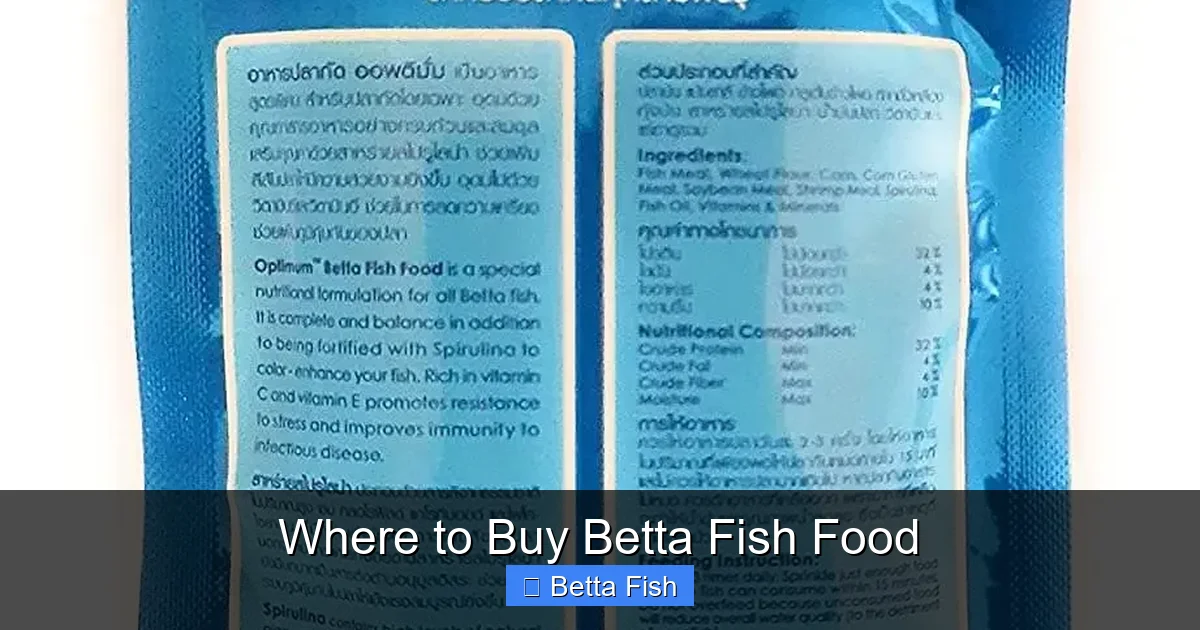
Check the guaranteed analysis on the label. For pellets, protein should be 40% minimum, fat 5-8%. For frozen foods, protein is typically 50%+. Also, look for the phrase “Complete and Balanced” or a statement that it meets the nutritional levels established by AAFCO (the Association of American Feed Control Officials). This means the food is formulated to be a sole diet, not just a supplement.
Pellet Size and Floatation
Betta pellets must be small—micro-sized. Large pellets will be ignored or cause choking. Most quality betta pellets are designed to sink slowly or remain suspended, mimicking natural food. Avoid pellets that shoot to the top and float indefinitely; they are often filled with air and less dense.
Practical Tips for Buying and Storing Betta Food
You’ve chosen the food. Now, how do you maximize its value and safety?
Buy in Appropriate Sizes
Don’t buy the 1-pound container of pellets if you only have one betta. Pellets can lose their vitamin potency and become stale or rancid after opening (usually within 6 months). Buy the smallest container you can, or use the subscription model to get a new, fresh supply every 2-3 months. For frozen foods, buy the smallest blister packs you can find and use them within a few days of thawing in the fridge.
The “Smell Test” and Visual Inspection
When you open a container of pellets, they should have a light, fishy, or shrimp-like odor—not a strong, chemical, or rancid “old oil” smell. They should be uniform in color and size. If they are powdery, crumbly, or discolored, they are old or were stored improperly. For frozen food, the package should be solidly frozen with no ice crystals or signs of thawing and refreezing.
Transitioning to a New Food
Bettas can be stubborn. If you switch foods abruptly, they may starve themselves rather than eat something new. Always transition over 7-10 days. Start by mixing 75% old food with 25% new. Gradually increase the new food percentage. This also prevents digestive upset. For frozen foods, start by crushing a tiny bit onto the old pellets to get them used to the smell and taste.
Conclusion: Your Betta’s Plate is in Your Hands
So, where is the final answer to “where to buy betta fish food?” The answer is: anywhere that sells high-quality, appropriate food. Start with your local, knowledgeable pet store. Build a relationship. If their selection is limited, use their expertise to identify the right brands, then search for those brands online for better prices or variety. Embrace the online world of specialty retailers and direct manufacturers for the best-of-the-best options. Always, always read the ingredient list. That container is not just food; it’s the primary building block for your betta’s immune system, its brilliant scales, and its energetic dance at the surface. It’s the simplest, most daily act of care you can provide. Don’t default to the cheapest option on the shelf. Invest in quality nutrition, and you’ll be rewarded with a healthier, more vibrant companion for three, four, sometimes even five years. That’s the true return on your investment.
Frequently Asked Questions
How often should I feed my betta fish?
Feed your betta once or twice a day, offering only what it can consume in 2-3 minutes, typically 2-3 small pellets. Bettas have tiny stomachs, and overfeeding is the most common cause of constipation and poor water quality. It’s actually beneficial to implement a 24-hour fasting period once a week to aid digestion.
Can I give my betta fish human food as a treat?
Generally, no. Human food is not formulated for a betta’s carnivorous digestive system. Peas are sometimes recommended for constipation, but only after the shell is removed and the pea is crushed. Avoid bread, crackers, or any cooked meats with seasoning. Stick to foods designed for bettas or safe, frozen options like brine shrimp.
Are betta pellets better than flakes?
Yes, almost always. Pellets are easier to portion, sink slowly (betting surface feeding), and typically contain more protein and less filler than flakes. Flakes can pollute the water more quickly and are often too large for a betta’s mouth unless crushed, which can create dust and mess.
Should I fast my betta fish?
Yes, a 24-hour fast once a week is highly recommended. This gives its digestive system a break and helps prevent constipation and swim bladder issues. Simply skip one day of feeding. It’s a simple, effective preventative health measure.
What is the best frozen food for bettas?
There is no single “best,” but a great combination is daphnia (for digestive roughage) and brine shrimp or bloodworms (for protein and excitement). Rotate these as supplements to a high-quality pellet staple. A quality mixed frozen food blend, like those from Aquarium Co-Op, is an excellent all-in-one supplement.
How long does betta food last after opening?
Dry pellets should be used within 3-6 months of opening, as vitamins degrade and fats can become rancid. Store them in a cool, dry, dark place—not next to the warm tank! Always seal the container tightly. Frozen foods must be kept frozen until use and used within a few days after thawing in the refrigerator. Never refreeze thawed food.