Are Betta Fish a Type of Carp
Betta fish are not carp; they belong to the family Osphronemidae, while true carp are in the family Cyprinidae. This article explains the scientific classification, highlights physical and behavioral differences, and offers practical care advice for betta owners.
Key Takeaways
- Understanding are betta fish a type of carp: Provides essential knowledge
📑 Table of Contents
- Introduction: Why the Question Matters
- 1. The Science of Classification
- 2. Physical Differences You Can See
- 3. Behavioral Distinctions
- 4. Care Requirements: Why Mixing Up the Two Can Be Harmful
- 5. Practical Tips for Betta Owners
- 6. Frequently Misunderstood Comparisons
- Conclusion: Clear Answers for Confident Care
Introduction: Why the Question Matters
If you’ve ever walked into a pet store and heard someone ask, “are betta fish a type of carp?,” you’re not alone. The confusion is understandable—both groups are popular freshwater fish, both can grow to impressive sizes, and both are often featured in beginner‑friendly articles. Yet, the answer is a clear “no.” Understanding the true classification of betta fish helps you provide the right environment, avoid common mistakes, and appreciate the unique beauty of these tiny warriors.
In this guide we’ll break down the scientific families, compare anatomy and behavior, and show you how to care for bettas the right way. By the end, you’ll be able to answer the question confidently and share the facts with fellow hobbyists.
1. The Science of Classification
1.1. What Is a Carp?
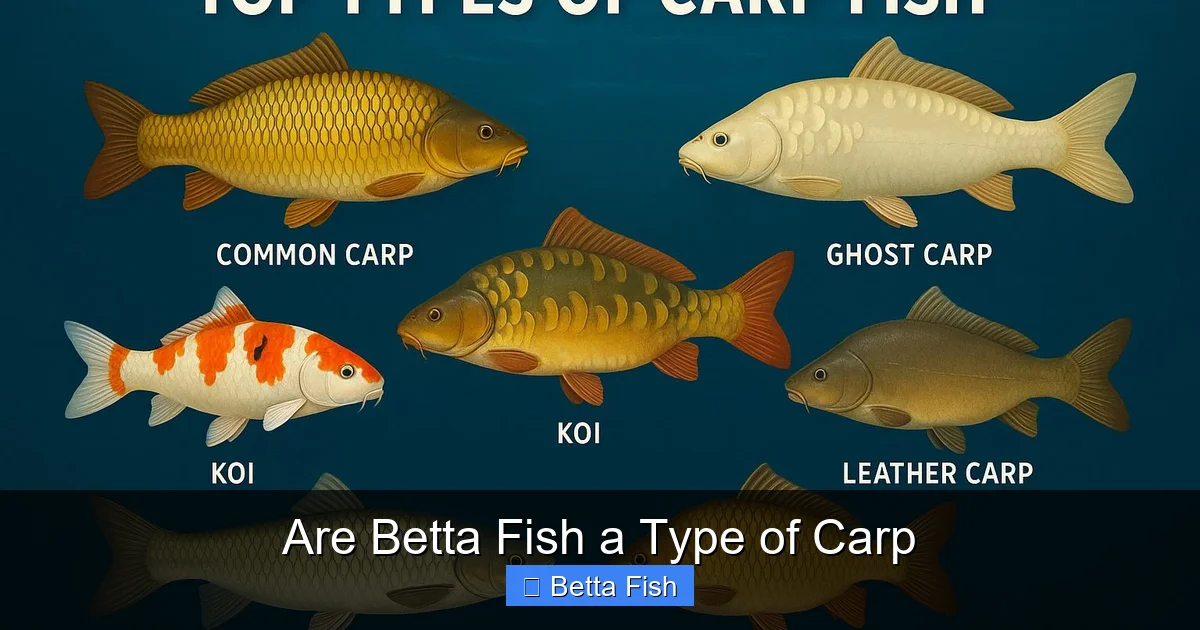
Carp belong to the family Cyprinidae, one of the largest fish families on Earth. This family includes goldfish, koi, and many wild species that inhabit rivers, lakes, and ponds across Europe and Asia. Carp are typically characterized by:
Visual guide about Are Betta Fish a Type of Carp
Image source: i.pinimg.com
- Scales that are large and easily visible
- A single dorsal fin without an elongated “fin ray” like bettas have
- Spawning on gravel or vegetation in open water
- Cold‑water tolerance, often thriving at 15‑25 °C (59‑77 °F)
1.2. What Is a Betta?
Betta fish, often called Siamese fighting fish, belong to the family Osphronemidae, commonly known as the gourami family. This family includes species that are adapted to low‑oxygen environments thanks to a specialized organ called the labyrinth. Key traits include:
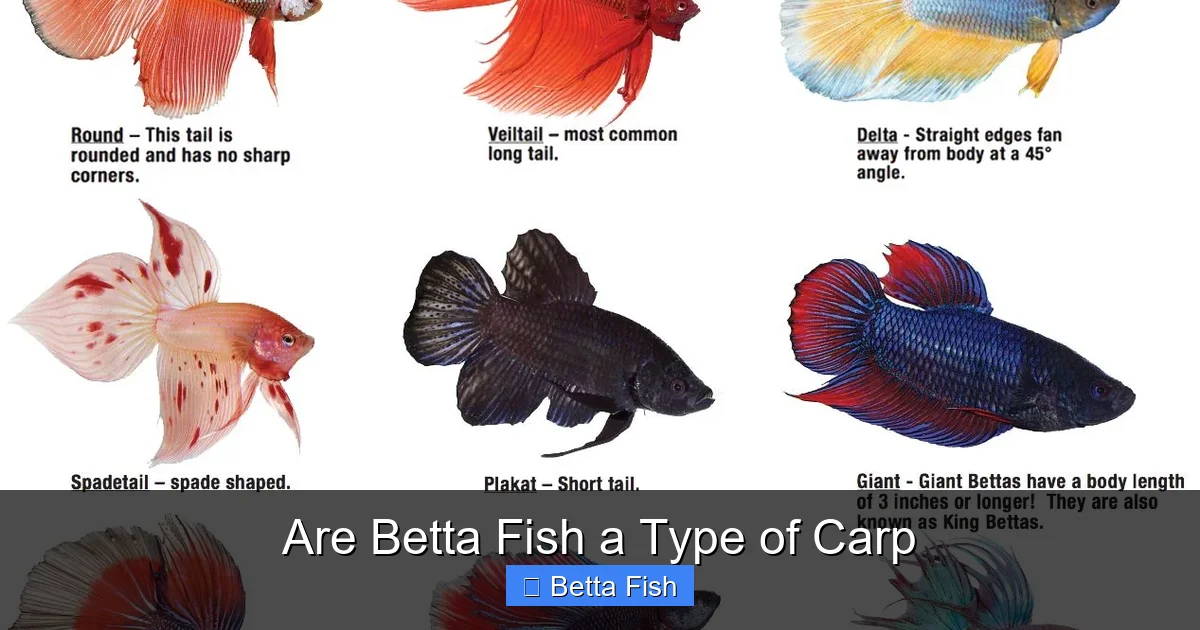
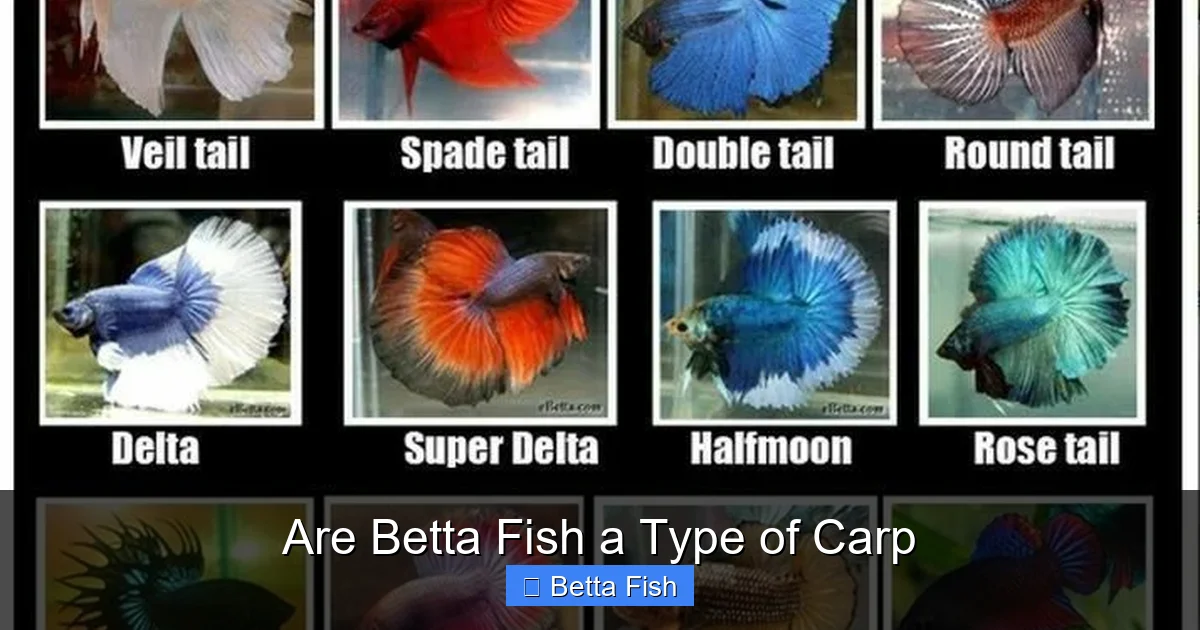
- Long, flowing fins that can be dramatically extended through selective breeding
- A single, often brightly colored dorsal fin with a distinct “spine” ray
- Breeding in bubble nests built by males
- Preference for warm water (24‑30 °C or 75‑86 °F)
1.3. How Taxonomy Answers “are betta fish a type of carp?”
Scientific classification follows a hierarchy: Kingdom, Phylum, Class, Order, Family, Genus, Species. Both bettas and carp share the same order—Cypriniformes—but diverge at the family level. Since “carp” specifically refers to members of the family Cyprinidae, any fish outside that family, like the betta, cannot be a carp. So, the short answer is **no**, betta fish are not a type of carp.
2. Physical Differences You Can See
2.1. Body Shape and Size
Carp species such as common carp can grow over 60 cm (24 in) and weigh many kilograms. Bettas are much smaller, typically 5‑7 cm (2‑3 in) for males and a bit shorter for females. Their bodies are laterally compressed, giving them a sleek, “fighter” look, while carp have a more robust, torpedo‑shaped body.
Visual guide about Are Betta Fish a Type of Carp
Image source: i.pinimg.com
2.2. Fins and Coloration
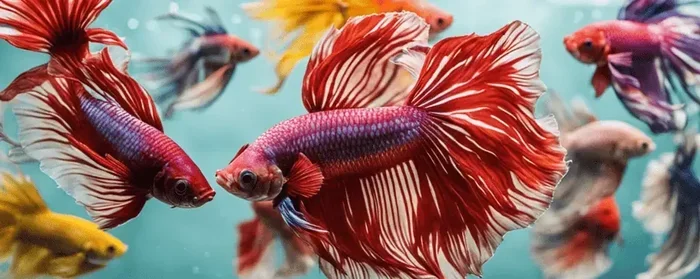
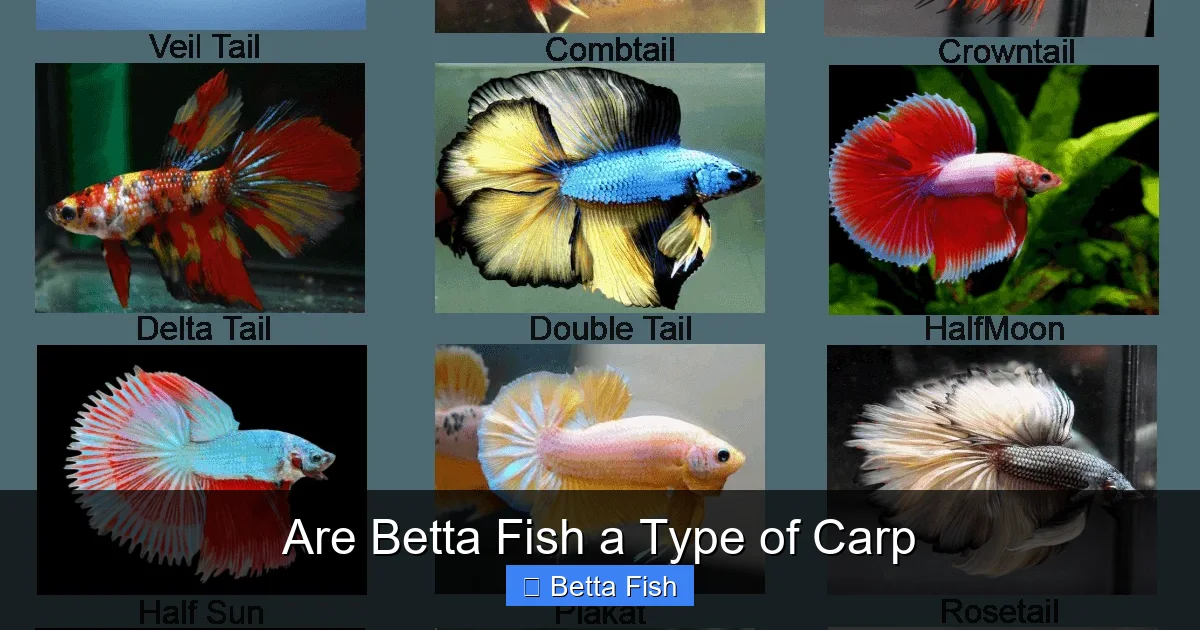
Betta fins are the most obvious giveaway. Males sport long, flowing fins—pectoral, dorsal, anal, and caudal—that can be half the length of the body. Carp have short, functional fins without the dramatic extensions. In the wild, carp display muted browns and greens, whereas bettas showcase vivid reds, blues, and metallic shades—thanks to decades of selective breeding.
2.3. Labyrinth Organ
The labyrinth organ is a tiny, spongy structure in the fish’s head that allows bettas to breathe air directly from the surface. Carp lack this organ and rely solely on gills for oxygen. This difference explains why bettas can survive in small, stagnant containers (though it’s not ideal) while carp need well‑oxygenated water.
3. Behavioral Distinctions
3.1. Territoriality and Aggression
Male bettas are famously aggressive toward each other, flaring their gill covers and displaying vivid colors when threatened. This behavior is rooted in their natural habitat of shallow rice paddies, where competition for space is fierce. Carp, on the other hand, are generally peaceful schoolers, only becoming territorial during spawning.
Visual guide about Are Betta Fish a Type of Carp
Image source: aquamarinepower.com
3.2. Breeding Habits
Betta breeding is a solo performance: the male builds a bubble nest, courts the female, and guards the eggs until they hatch. Carp spawn in groups, releasing eggs over vegetation or gravel, with little parental care. This distinction matters for hobbyists—if you want to breed bettas, you’ll need a separate tank for the bubble nest; carp breeding requires a larger pond or tank with spawning substrates.
3.3. Activity Levels
Bettas are surface dwellers, often seen hovering near the top to gulp air. They enjoy short bursts of activity followed by periods of rest. Carp are bottom‑feeders and constantly forage, moving throughout the water column. Knowing these patterns helps you design a tank that matches each species’ natural behavior.
4. Care Requirements: Why Mixing Up the Two Can Be Harmful
4.1. Water Temperature
Betta fish thrive in warm water ranging from 24‑30 °C (75‑86 °F). Carp prefer cooler temperatures, usually 15‑25 °C (59‑77 °F). Keeping a betta in cold water can suppress its immune system, while heating a carp’s pond can stress the fish and promote disease.
4.2. Tank Size and Space
Because bettas are small and can survive in modest volumes, many beginners start with a 5‑gallon tank. However, a 5‑gallon “bowl” is still too small; a minimum of 2.5 gallons with a lid is recommended to prevent jumping. Carp, on the other hand, need far larger spaces—ideally 100 gallons or more—to allow for proper swimming and growth.
For more guidance on tank size, check out our article on how big of a tank for betta fish.
4.3. Water Quality and Filtration
Bettas produce less waste than carp, so a gentle sponge filter or a low‑flow hang‑on‑back filter works well. Carp generate substantial waste, requiring robust mechanical and biological filtration, plus regular water changes. Using the wrong filtration system can lead to ammonia spikes that are fatal to bettas.
4.4. Diet Differences
Bettas are carnivorous micro‑predators. They need high‑protein foods such as betta pellets, frozen bloodworms, or brine shrimp. Carp are omnivorous and enjoy a mix of plant matter, algae wafers, and sinking pellets. Feeding a betta a carp diet (high in plant material) can cause malnutrition.
4.5. Common Mistakes
- Placing a betta in a pond with carp and expecting them to get along—carp may outcompete the betta for food.
- Using cold tap water for a betta tank, thinking “all freshwater fish are the same.”
- Choosing a tiny bowl for a betta because “carp can live in small ponds,” ignoring the betta’s need for a lid and stable temperature.
5. Practical Tips for Betta Owners
5.1. Setting Up the Perfect Betta Tank
Start with a 5‑gallon tank with a lid. Add a gentle filter, a heater set to 26 °C (79 °F), and a layer of fine gravel or sand. Decorate with live or silk plants to give your betta places to rest. Avoid sharp ornaments that could tear delicate fins.
5.2. Choosing the Right Water
Betta fish need soft, slightly acidic water (pH 6.5‑7.5). Use a water conditioner to remove chlorine and chloramines. For a deeper dive into water parameters, read our guide on what type of water does a betta fish need.
5.3. Feeding Schedule
Feed your betta 2‑3 times a day, offering only what it can eat in 2‑3 minutes. Overfeeding leads to cloudy water and health issues. Include occasional treats like daphnia or freeze‑dried brine shrimp for enrichment.
5.4. Monitoring Health
Watch for signs of disease: faded colors, ragged fins, or labored breathing at the surface. If you notice sudden decline, consult the article why did my betta fish die all of a sudden for troubleshooting steps.
5.5. Understanding Lifespan
With proper care, bettas live 3‑5 years, sometimes longer. Learn more about longevity in our piece on what is the lifespan of a betta fish. Knowing the expected lifespan helps you plan for long‑term care.
6. Frequently Misunderstood Comparisons
6.1. “Both Are Freshwater” – A Red Herring
While it’s true both bettas and carp are freshwater, the term “freshwater” covers a vast range of habitats, temperature tolerances, and ecological niches. Grouping them together ignores these critical differences.
6.2. “Both Have Fins” – Too General
All fish have fins, but the structure, function, and purpose vary widely. Betta fins are ornamental and used for display during fights, while carp fins are built for endurance swimming.
6.3. “Both Are Easy to Keep” – Not Accurate
Carp require large ponds, regular cleaning, and aeration—far from beginner‑friendly. Bettas are comparatively easy, but only when you meet their specific needs. Mislabeling them as “hard to take care of” often stems from beginners using inappropriate setups, such as tiny bowls without heaters.
Conclusion: Clear Answers for Confident Care
In summary, the question “are betta fish a type of carp?” is answered with a decisive no. Bettas belong to the gourami family (Osphronemidae), while true carp are members of the Cyprinidae family. Their differences span taxonomy, anatomy, behavior, and care requirements. By recognizing these distinctions, you can avoid common pitfalls—like using the wrong water temperature or tank size—and give your betta the best chance at a healthy, colorful life.
Remember, a well‑informed owner is a happy owner. Use the resources linked throughout this article to fine‑tune your setup, and enjoy watching your betta flourish in an environment that respects its true nature.
Frequently Asked Questions
Are betta fish related to koi?
No. Koi are a type of carp (Cyprinidae) while bettas are gouramis (Osphronemidae). Their families are different, so they are not closely related.
Can I keep a betta with small carp in the same tank?
It’s not recommended. Bettas are territorial and may attack smaller fish, and the water temperature preferences differ significantly.
Do bettas need a heater, but carp do not?
Yes. Bettas thrive at 24‑30 °C (75‑86 °F). Carp are comfortable in cooler water, typically 15‑25 °C (59‑77 °F).
What is the main reason bettas can survive in low‑oxygen water?
The labyrinth organ lets bettas breathe air from the surface, a feature carp lack.
How long can a betta live compared to a common carp?
Bettas usually live 3‑5 years with good care, while carp can live 10‑20 years or more in proper pond conditions.
Is it true that bettas are “hard to take care of” like carp?
Not when kept correctly. Bettas need a heated, filtered tank of at least 2.5 gallons, while carp require much larger, aerated ponds.