Are Alder Cones Good for Betta Fish
Wondering if alder cones are good for betta fish? In short, they can be a natural décor choice, but only when used correctly. Proper preparation and monitoring are key to keeping your betta happy and healthy.
Key Takeaways
- Natural décor: Alder cones add a rustic look and can provide hiding spots for bettas.
- Potential tannins: They may release tannins that slightly tint water, which is safe in moderation.
- Cleaning matters: Thoroughly clean and boil cones before adding them to prevent disease.
- Watch water parameters: Test pH and hardness regularly after introducing cones.
- Not a food source: Alder cones are decorative only; they do not feed bettas.
- Compatibility: Use cones in tanks with live plants that can tolerate mild acidity.
- Safety first: Avoid sharp edges and always monitor your fish for stress.
📑 Table of Contents
- Introduction: The Appeal of Natural Decorations
- What Are Alder Cones?
- Potential Benefits for Betta Fish
- Risks and Drawbacks
- How to Prepare Alder Cones Safely
- Integrating Alder Cones Into a Betta Setup
- Monitoring Water Quality After Adding Cones
- Alternatives to Alder Cones
- Conclusion: Making an Informed Choice
Introduction: The Appeal of Natural Decorations
When you first set up a betta tank, the allure of natural décor is hard to resist. Driftwood, rocks, and even pine cones can transform a plain aquarium into a miniature underwater forest. Alder cones, harvested from the alder tree (Alnus spp.), are one of those trending items you might see on hobby forums. They’re inexpensive, lightweight, and have a pleasant, woody scent that many aquarists find attractive.
But the big question remains: are alder cones good for betta fish? The answer isn’t a simple yes or no. It depends on how you prepare the cones, the size of your tank, and how you monitor water chemistry. In this guide we’ll break down everything you need to know—from the science behind tannins to practical tips for safe use—so you can decide whether alder cones belong in your betta’s home.
What Are Alder Cones?
Origin and Appearance
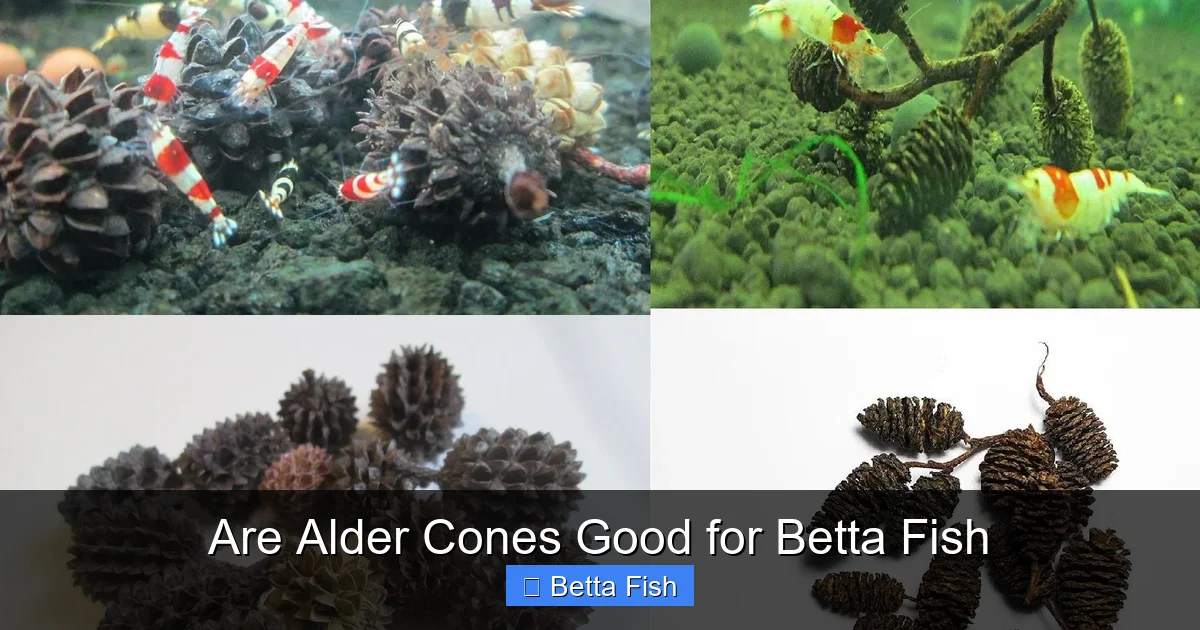
Alder cones are the small, woody seed structures that fall from alder trees each autumn. They are typically 1‑2 inches long, light brown, and have a slightly fuzzy surface. Because they are natural and biodegradable, they are popular among hobbyists who want a “forest floor” look.
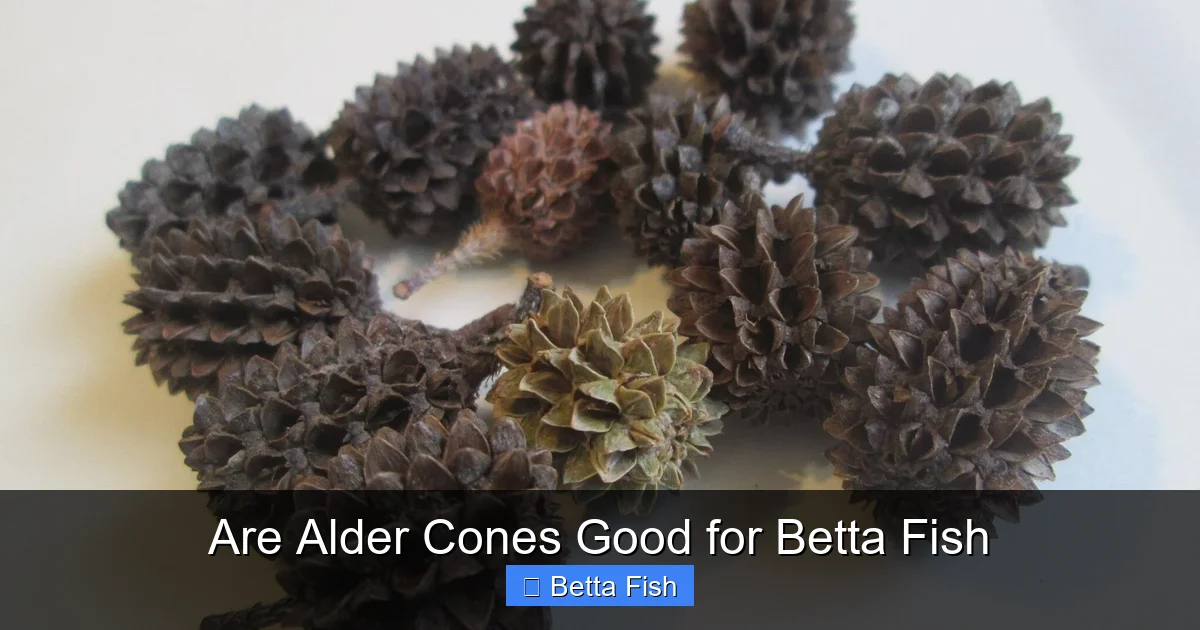
Visual guide about Are Alder Cones Good for Betta Fish
Image source: i.etsystatic.com
Why Aquarists Like Them
- Cost‑effective: A handful can be bought for a few dollars.
- Lightweight: Easy to position without heavy equipment.
- Natural scent: Gives the tank a subtle, earthy aroma.
Potential Benefits for Betta Fish
Provides Hiding Spots
Bettas, especially shy or stressed individuals, love having places to retreat. An alder cone placed upright can serve as a mini‑cave where a betta can rest its fins and feel secure.
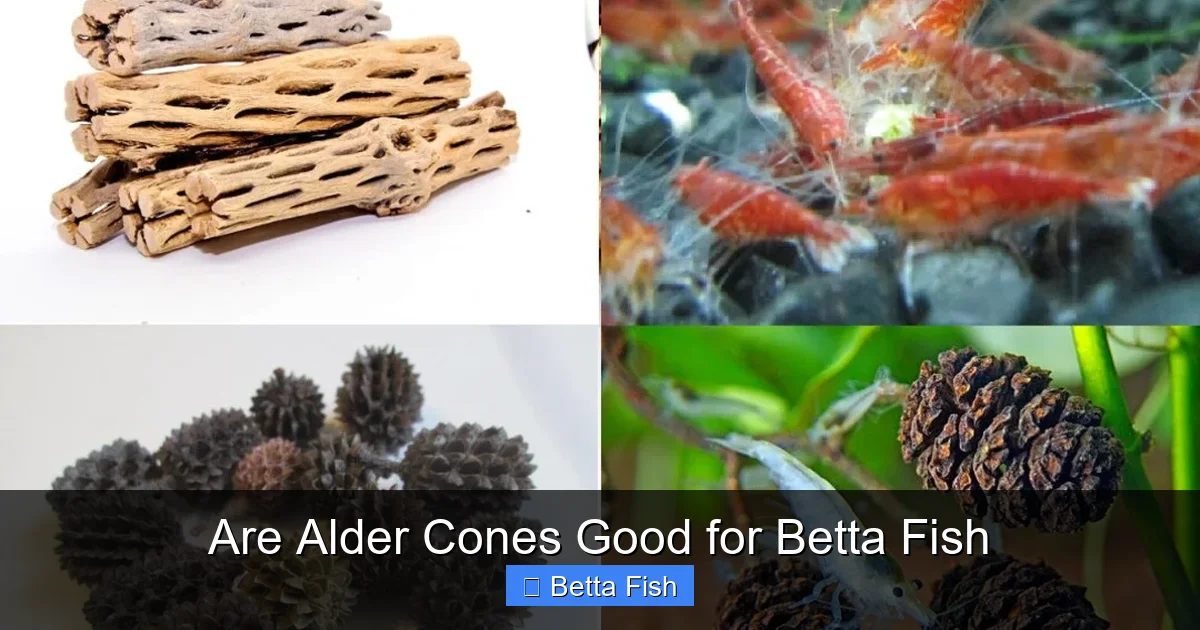
Visual guide about Are Alder Cones Good for Betta Fish
Image source: i.etsystatic.com
Creates a Natural Aesthetic
When combined with live plants like Java fern or Anubias, alder cones help mimic the betta’s native rice‑paddy habitats. The visual complexity can reduce boredom and encourage natural behaviors such as gentle fin fluttering.
Gentle Water Conditioning
Like many woody décor items, alder cones may release tannins—natural organic compounds that give water a soft, amber hue. A slight tannic tint can lower pH a bit, which many bettas (originating from slightly acidic waters) find comfortable. However, moderation is crucial.
Risks and Drawbacks
Excessive Tannin Release
If you add too many cones or use unprepared ones, the tannins can drop pH dramatically, stressing your fish. Sudden changes in pH are a common cause of “new tank syndrome.” Always test water after the first 24‑48 hours.
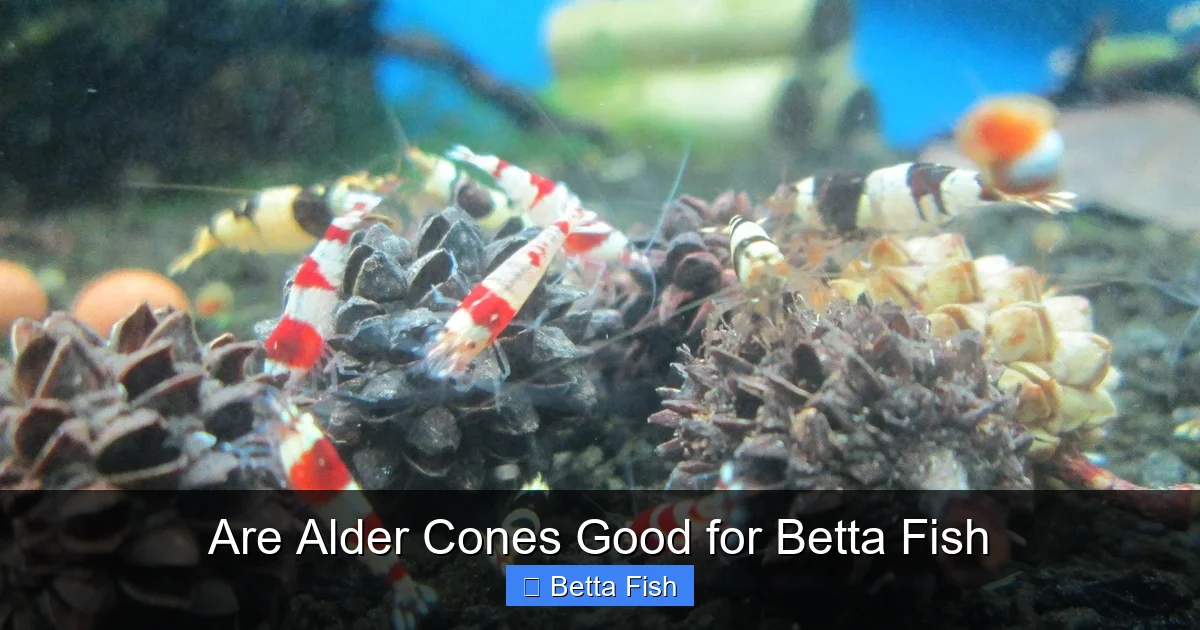
Visual guide about Are Alder Cones Good for Betta Fish
Image source: i.etsystatic.com
Potential for Bacterial Contamination
Wood from the outdoors can harbor fungi, bacteria, or parasites. Without proper cleaning, these pathogens could infect your betta, leading to fin rot or cloudy eyes. This is why thorough preparation is non‑negotiable.
Sharp Edges and Breakage
Some cones have jagged tips that can snag delicate betta fins. If a cone cracks, sharp splinters may float and pose a hazard. Inspect each piece and sand any rough spots.
How to Prepare Alder Cones Safely
Step‑by‑Step Cleaning Process
- Rinse: Hold the cones under running tap water to remove surface dirt.
- Scrub: Use a soft brush (an old toothbrush works well) to scrub any visible debris.
- Boil: Place the cones in a pot of water and bring to a rolling boil for 10‑15 minutes. This kills most bacteria and softens the wood.
- Soak: After boiling, let the cones soak in fresh water for another 24 hours. Change the water once during this period.
- Dry (optional): If you prefer a drier décor, spread the cones on a towel and let them air‑dry for a day before adding to the tank.
Testing Before Use
Before placing the cones in your betta’s tank, set them in a separate container of water for 48 hours. Test the water’s pH, hardness, and ammonia levels. If the pH drops more than 0.3 units, rinse the cones again or reduce the number you plan to use.
Integrating Alder Cones Into a Betta Setup
Choosing the Right Tank Size
Even though bettas can live in small containers, a larger tank (at least 5 gallons) provides more stable water parameters and ample space for décor. For detailed guidance on tank size, see our article on What Is A Good Size Tank For A Betta Fish.
Placement Tips
- Position the cone against a plant or a piece of driftwood to create a natural “corner.”
- Leave at least 2‑3 inches of clearance from the water surface to prevent the cone from floating into the top.
- Secure the cone with a suction cup or aquarium-safe glue if it tends to tip over.
Balancing With Live Plants
If you keep live plants, select species that thrive in slightly acidic water, such as Cryptocoryne or Java moss. Alder cones can complement these plants by providing additional surface area for beneficial bacteria.
Monitoring Water Quality After Adding Cones
Key Parameters to Watch
After introducing alder cones, test the following at least twice a week for the first month:
- pH: Aim for 6.5‑7.0 for most bettas.
- Ammonia & Nitrite: Should remain at 0 ppm.
- Hardness (GH/KH): Slightly softer water (4‑8 dGH) is typical for bettas.
When to Remove or Reduce Cones
If you notice a steady pH decline, cloudy water, or your betta showing signs of stress (e.g., hiding constantly, clamped fins), consider removing one or more cones. Rinse the remaining cones and perform a partial water change (25‑30%).
Alternatives to Alder Cones
Other Natural Décor Options
If the preparation feels daunting, you might try:
- Driftwood: Pre‑soaked and widely used.
- Seashells (cleaned): Provide a hard surface for plants.
- Artificial caves: Made from resin, they’re inert and safe.
When to Choose Artificial Over Natural
Artificial décor eliminates the risk of tannins and pathogens. It’s ideal for beginners or for tanks that need very stable water chemistry, such as breeding setups.
Conclusion: Making an Informed Choice
So, are alder cones good for betta fish? The short answer is yes—if you prepare them properly and keep a close eye on water conditions. They can add visual interest, provide hiding spots, and even contribute a gentle, natural tint to the water. However, the risks of tannin spikes, bacterial contamination, and sharp edges mean they’re not a set‑and‑forget solution.
Take the time to clean, boil, and test the cones before they join your betta’s home. Start with one or two pieces, monitor the water, and adjust as needed. By following these steps, you’ll enjoy a beautifully natural tank that both you and your betta can appreciate.
Frequently Asked Questions
Do alder cones release harmful substances into the water?
When properly boiled and rinsed, alder cones only release mild tannins, which are generally safe for bettas in low amounts. Overuse can lower pH too much, so monitor water parameters.
How many alder cones can I safely add to a 5‑gallon tank?
Start with one small cone. If the water remains stable after 48 hours, you may add a second. More than two cones in a 5‑gallon tank often leads to excessive tannin release.
Can bettas eat alder cones?
No. Alder cones are decorative only and are not a food source. Bettas may nibble out of curiosity, but the wood is indigestible and should be removed if broken.
Do I need to treat alder cones with any chemicals?
Boiling the cones in plain water for 10‑15 minutes is sufficient. Avoid bleach or detergents, as residues can harm your fish.
Will alder cones affect my live plants?
Most hardy plants tolerate the slight acidity from tannins. However, delicate species may struggle; choose plants that thrive in soft, slightly acidic water.
How often should I replace alder cones?
Replace them every 6‑12 months, or sooner if they start to break down, develop mold, or cause water quality issues.