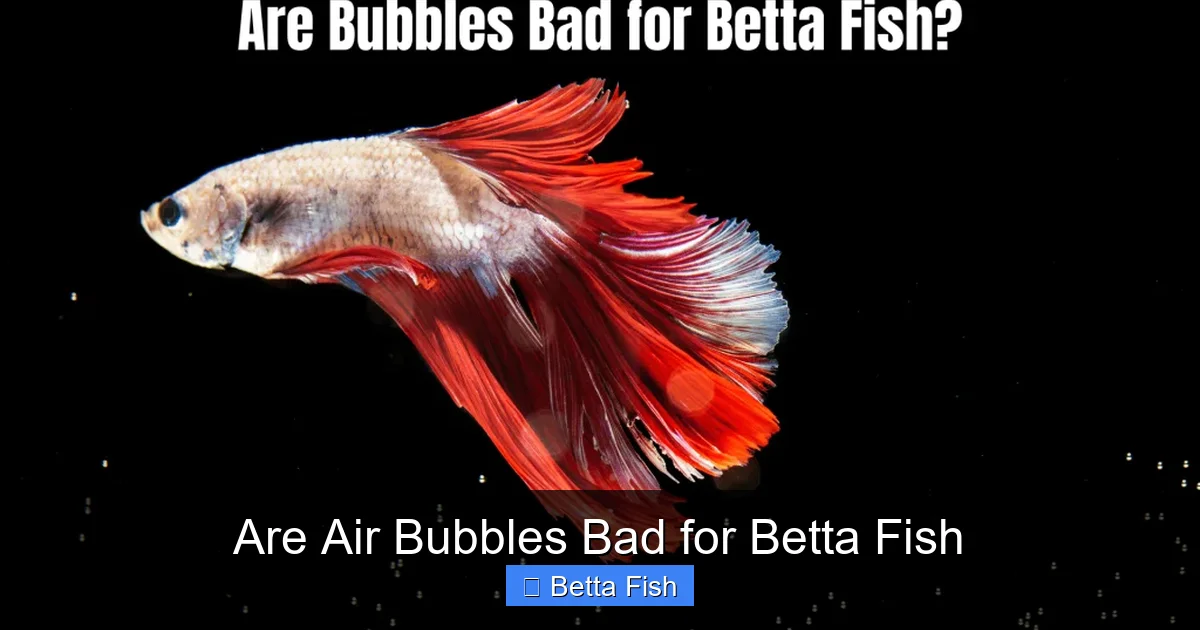
Are Air Bubbles Bad for Betta Fish
Air bubbles are not automatically dangerous for betta fish, but improper aeration can stress them. Understanding the role of bubbles, proper tank setup, and safe equipment will help you create a thriving environment for your betta.
Key Takeaways
- Bubble type matters: Surface bubbles from air stones differ from the betta’s own “bubble nests.”
- Betta lungs are a bonus: They can gulp air, so low‑oxygen water isn’t always fatal.
- Strong currents = stress: Too much flow from an air pump can tire a betta’s delicate fins.
- Proper filtration is key: Good filtration reduces harmful gases without over‑aerating.
- Live plants help: Plants naturally oxygenate water and hide bubbles that might startle the fish.
- Watch for signs: Gasping, faded colors, or frantic swimming indicate bubble‑related stress.
- Use the right equipment: A gentle air stone or a low‑flow pump can be safe when set up correctly.
📑 Table of Contents
- Introduction: The Bubble Question
- 1. How Betta Fish Breathe: The Labyrinth Organ
- 2. Types of Bubbles You’ll See in a Betta Tank
- 3. When Bubbles Become a Problem
- 4. Safe Use of Air Pumps and Stones
- 5. The Role of Live Plants and Tank Setup
- 6. Monitoring Your Betta’s Health Around Bubbles
- Conclusion: Finding Balance
Introduction: The Bubble Question
When you first set up a betta tank, you might notice tiny bubbles rising to the surface. They can look harmless, like a miniature jacuzzi, but many new owners wonder, are air bubbles bad for betta fish? The short answer is: not always. The truth lies in the type of bubbles, their source, and how they affect water quality and the fish’s behavior.
Betta fish (Betta splendens) are native to the slow‑moving waters of Southeast Asia, where they have evolved to survive in low‑oxygen environments. Their “labyrinth organ” lets them gulp air from the surface, a handy backup when oxygen levels dip. However, excessive or poorly placed bubbles can create strong currents, stress the fish, and even trigger health issues.
In this guide we’ll break down everything you need to know—from the science behind bubbles to practical set‑up tips—so you can answer the question confidently and keep your betta thriving.
1. How Betta Fish Breathe: The Labyrinth Organ
What is a labyrinth organ?
The labyrinth organ is a specialized respiratory structure located near the gills. It allows bettas to extract oxygen directly from the air, a trait shared with other “air‑breathing” fish like gouramis. This means that a betta can survive in water with lower dissolved oxygen than many other tropical fish.
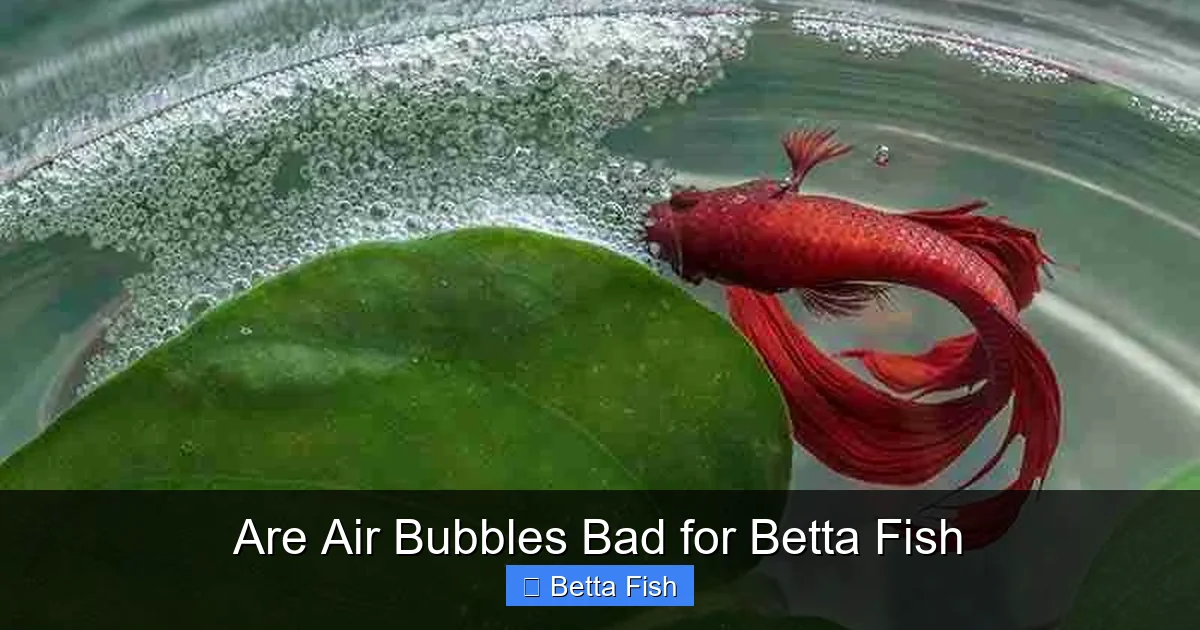
Visual guide about Are Air Bubbles Bad for Betta Fish
Image source: fishkeepingacademy.com
Why does this matter for bubbles?
Because bettas can breathe air, a small amount of surface agitation—like gentle bubbles—can actually be beneficial. It gives them easy access to the air–water interface. However, the organ is not a free pass to ignore water quality; poor oxygen levels still stress the fish and can lead to disease.
2. Types of Bubbles You’ll See in a Betta Tank
Surface bubbles from air stones or filters
These are the most common bubbles and are created by equipment that pushes air into the water. They rise quickly and burst at the surface, creating a subtle rippling effect.
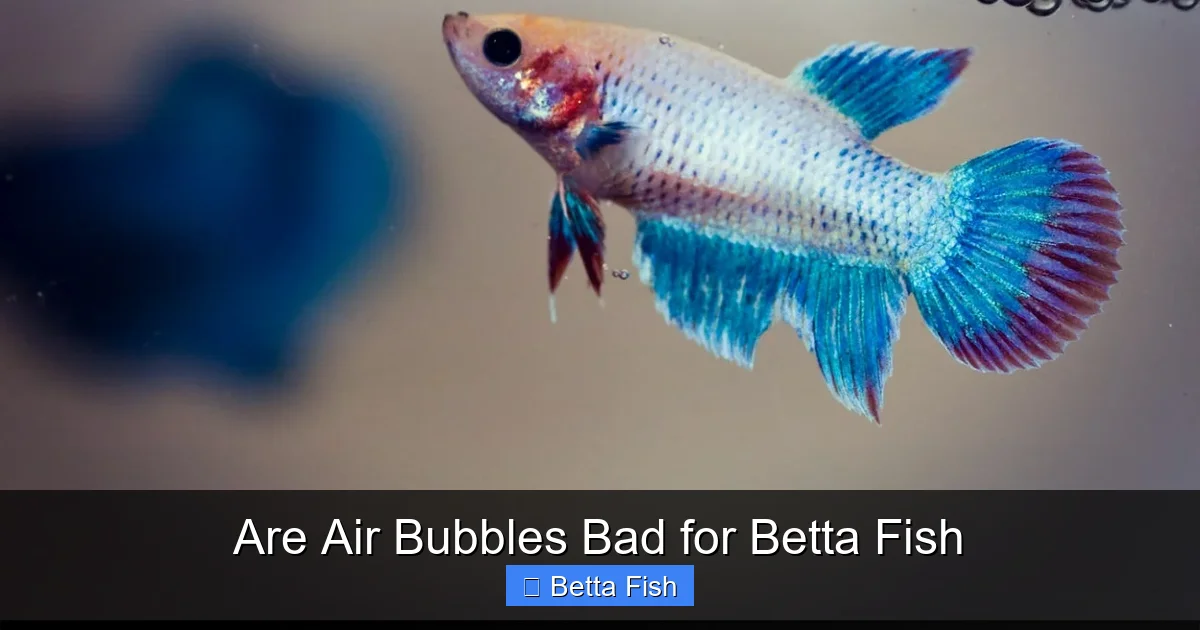
Visual guide about Are Air Bubbles Bad for Betta Fish
Image source: buildyouraquarium.com
Bubble nests built by the betta
Male bettas create “bubble nests” as part of their breeding ritual. These are clusters of bubbles coated with saliva, usually found at the water’s surface near a leaf or a plant leaf. They are completely natural and a sign of a healthy, breeding‑ready male.
Unwanted bubbles from water chemistry
Sometimes bubbles appear because of dissolved gases like carbon dioxide or because of temperature changes. These bubbles can be a sign that the water parameters need adjustment.
Internal linking example
If you’re curious about why bettas make bubbles in the first place, check out our article on Why Betta Fish Make Bubbles for a deeper dive.
3. When Bubbles Become a Problem
Strong currents and fin damage
Air stones that release a high volume of bubbles can create a current that pushes against the betta’s delicate fins. Over time, this can lead to fin tearing, especially in long‑fin varieties.
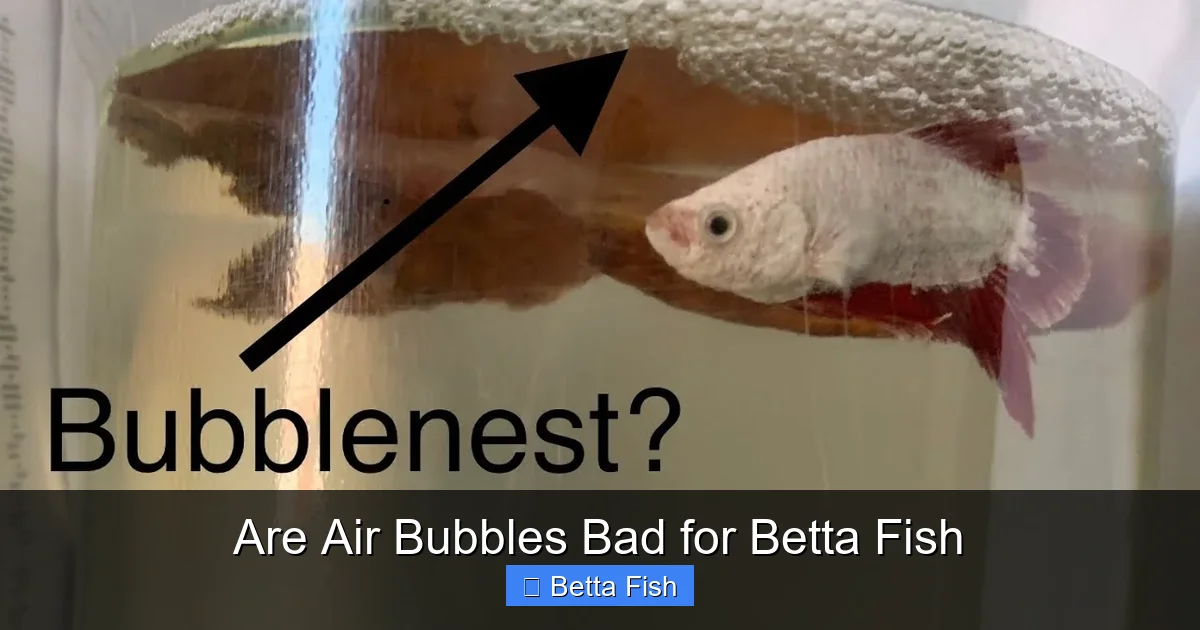
Visual guide about Are Air Bubbles Bad for Betta Fish
Image source: i.ytimg.com
Stress and respiratory issues
While bettas can gulp air, constant surface disturbance can make them work harder to breathe, leading to stress. Signs include rapid gill movement, faded colors, and a tendency to hide.
Water quality concerns
Excessive bubbling can increase the surface area where gases exchange, potentially driving down carbon dioxide levels too quickly. Sudden shifts in pH or temperature can also occur, especially in small tanks.
4. Safe Use of Air Pumps and Stones
Choosing the right equipment
Look for a low‑flow air stone designed for small tanks (1‑2 gallons). These stones produce fine bubbles that create gentle surface agitation without a strong current.
Placement tips
- Place the stone at one corner of the tank, away from the betta’s resting spot.
- Use a bubble guard or a piece of mesh to diffuse the bubbles further.
- Adjust the air pump’s flow rate using a regulator if available.
When to skip the air pump
If your tank already has a gentle filter that creates enough surface movement, you may not need an additional air stone. In many cases, a well‑planted tank provides sufficient oxygenation without extra equipment.
Internal link example
Not sure whether your betta needs an air pump at all? Our guide Does A Betta Fish Need An Air Pump walks you through the decision.
5. The Role of Live Plants and Tank Setup
Plants as natural oxygenators
Live plants perform photosynthesis during the day, releasing oxygen into the water. This reduces the need for mechanical aeration and creates a calmer surface.
Best plants for bettas
Short, sturdy plants like Anubias, Java fern, and Marimo moss balls are ideal. They provide hiding spots and don’t require strong water flow. For a full list, see Which Live Plants Are Good For Betta Fish.
Setting up a bubble‑friendly environment
- Use a tank of at least 5 gallons; larger volume dilutes any bubble effect.
- Maintain a water temperature between 76‑82°F (What Temperature Should Water Be For A Betta Fish).
- Choose a gentle filter that provides biological filtration without strong flow.
6. Monitoring Your Betta’s Health Around Bubbles
Behavioral signs to watch
Healthy bettas swim calmly, flare their fins, and explore. If you see frantic surface hopping, gulping air constantly, or a loss of color, the bubbles may be stressing them.
Testing water parameters
Regularly test for ammonia, nitrite, nitrate, and pH. Sudden changes can be linked to excessive aeration or poor filtration.
Adjusting your setup
- Reduce bubble output by turning down the air pump.
- Re‑position the stone to a less conspicuous corner.
- Add more plants or a surface cover to calm water movement.
Conclusion: Finding Balance
So, are air bubbles bad for betta fish? The answer is nuanced. Gentle, well‑placed bubbles are harmless and can even aid a betta’s ability to gulp air. Over‑aeration, strong currents, and sudden water‑parameter shifts, however, can stress the fish and lead to health problems. By choosing the right equipment, using live plants, and monitoring your betta’s behavior, you can enjoy the soothing sight of bubbles without compromising your fish’s wellbeing.
Remember, bettas are resilient creatures with unique breathing capabilities, but they still thrive best in a stable, low‑stress environment. Keep an eye on the bubbles, keep the water clean, and your betta will reward you with vibrant colors and graceful swims for years to come.
Frequently Asked Questions
Do betta fish need any bubbles in their tank?
No, bettas can survive without added bubbles, but a few gentle surface bubbles can help them access air more easily, especially in low‑oxygen water.
Can an air stone damage a betta’s fins?
Yes, a high‑flow air stone can create a strong current that may tear delicate fins, particularly in long‑fin varieties.
What is the safest type of air pump for a betta tank?
Choose a low‑flow pump with a fine‑mesh stone designed for small tanks; it should produce fine bubbles without creating a noticeable current.
How do I know if my betta is stressed by bubbles?
Watch for rapid gill movement, frantic surface hopping, faded colors, or hiding behavior—these indicate the fish may be uncomfortable.
Do live plants reduce the need for an air pump?
Yes, healthy live plants release oxygen during the day, often providing enough surface agitation for a betta without extra equipment.
Should I remove bubble nests if I’m not breeding?
Bubble nests are natural and harmless. You can leave them; they won’t harm the fish and may indicate a healthy, content male.