Wondering if you can keep two betta fish together? It depends on gender, tank size, and careful monitoring. Follow these guidelines to create a harmonious home for your bettas.
Key Takeaways
- Gender matters most: Same‑sex pairs need larger spaces; opposite‑sex pairs risk breeding.
- Tank size is crucial: A minimum of 10‑20 gallons gives both fish room to establish territories.
- Plants and hiding spots: Live plants, caves, and silk décor reduce aggression.
- Monitor behavior daily: Early signs of stress mean you must separate the fish immediately.
- Water quality cannot be ignored: Stable parameters keep bettas healthy and less irritable.
- Know the signs of a happy betta: Calm swimming, vibrant fins, and regular surface breathing.
- Backup plan: Always have a separate quarantine tank ready for a quick split.
📑 Table of Contents
- Introduction: The Betta’s Reputation and Your Question
- 1. Understanding Betta Behavior and Social Structure
- 2. Choosing the Right Pair: Gender Combinations
- 3. Minimum Tank Requirements for Two Bettas
- 4. Introducing the Bettas: The Acclimation Process
- 5. Daily Care and Ongoing Monitoring
- 6. When Things Go Wrong: Separation Strategies
- Conclusion: Making an Informed Decision
Introduction: The Betta’s Reputation and Your Question
Betta fish, often called Siamese fighting fish, have a reputation for aggression. That reputation leads many hobbyists to ask, am i able to put a 2 betta fish together without ending up with a shredded tank mate? The answer isn’t a simple yes or no. It depends on the fish’s gender, the size and setup of the aquarium, and how closely you watch their interactions.
In this guide we’ll walk through every factor that influences success, from choosing the right pair to setting up a peaceful environment. By the end, you’ll know exactly what steps to take—or avoid—to give your bettas the best chance at co‑habiting happily.
1. Understanding Betta Behavior and Social Structure
Why are bettas so territorial?
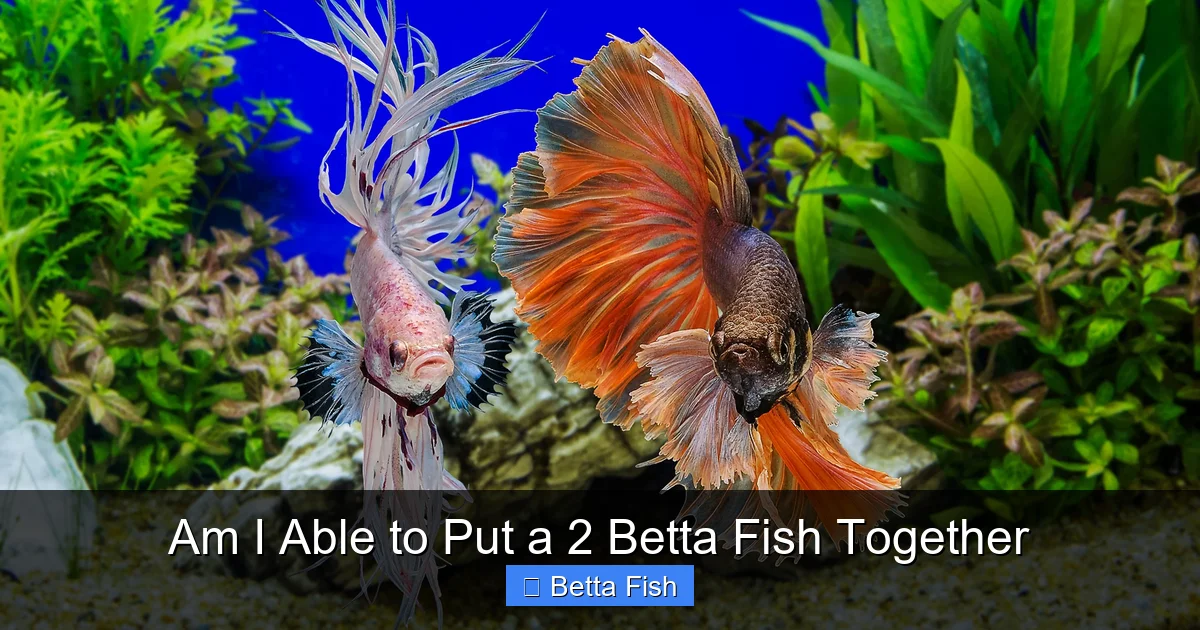
Betta fish evolved in shallow, slow‑moving waters where defending a small patch of surface was a matter of survival. Their bright colors and flowing fins are not just for show; they signal strength to rivals. This instinct makes them prone to flare their gills, spread their fins, and chase away intruders.
Visual guide about Am I Able to Put a 2 Betta Fish Together
Image source: petmedaily.com
Male vs. Female Temperament
Male bettas are generally more aggressive than females. A dominant male will often challenge any other male that enters his space. Female bettas can also be feisty, but they tend to tolerate each other better, especially when the tank provides plenty of hiding spots.
For a deeper dive on gender‑specific compatibility, see our article on Can You Put 2 Female Betta Fish Together.
2. Choosing the Right Pair: Gender Combinations
Male + Male
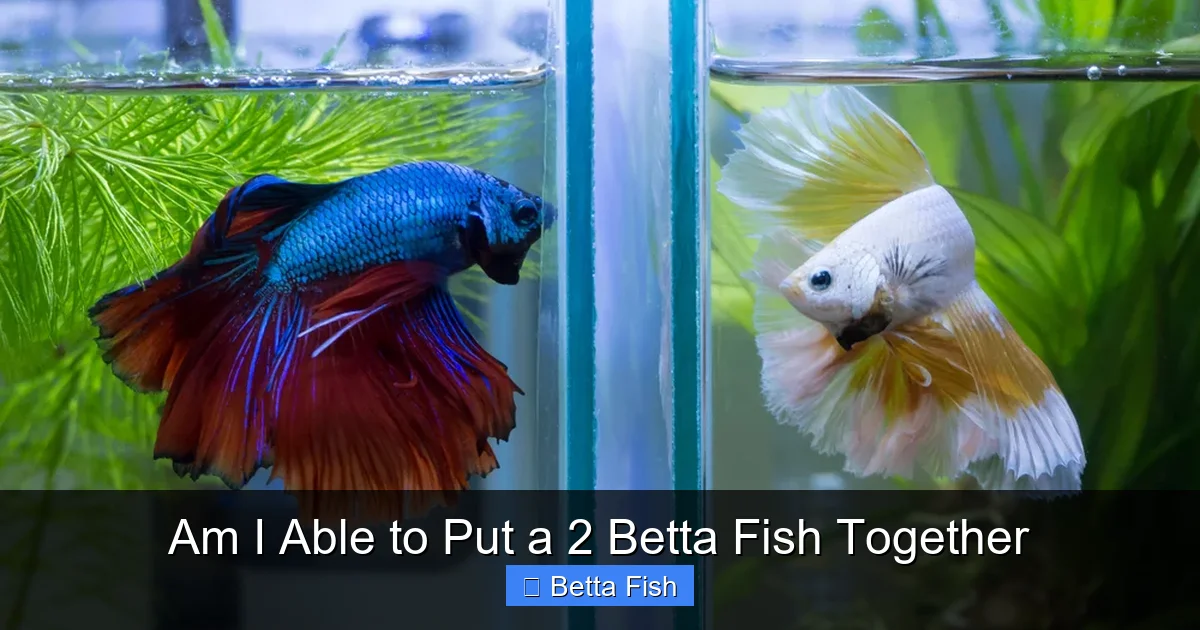
Two males in the same tank is a high‑risk scenario. Even with a large aquarium, dominant behaviors often lead to injury. If you must keep two males, use a divider that allows visual contact but prevents physical fights.
Visual guide about Am I Able to Put a 2 Betta Fish Together
Image source: fishlab.com
Female + Female
Two females can coexist if the tank is spacious and heavily planted. They may establish a loose hierarchy, but fights are usually brief. Provide at least three hiding spots per fish to give each a personal territory.
Male + Female
A male and a female can share a tank, but breeding may occur. If you’re not prepared for fry, consider a separate breeding tank. The male may become overly protective and aggressive during spawning.
Read more about mixed‑gender setups in Can U Put A Male And Female Betta Fish Together.
3. Minimum Tank Requirements for Two Bettas
Size Matters
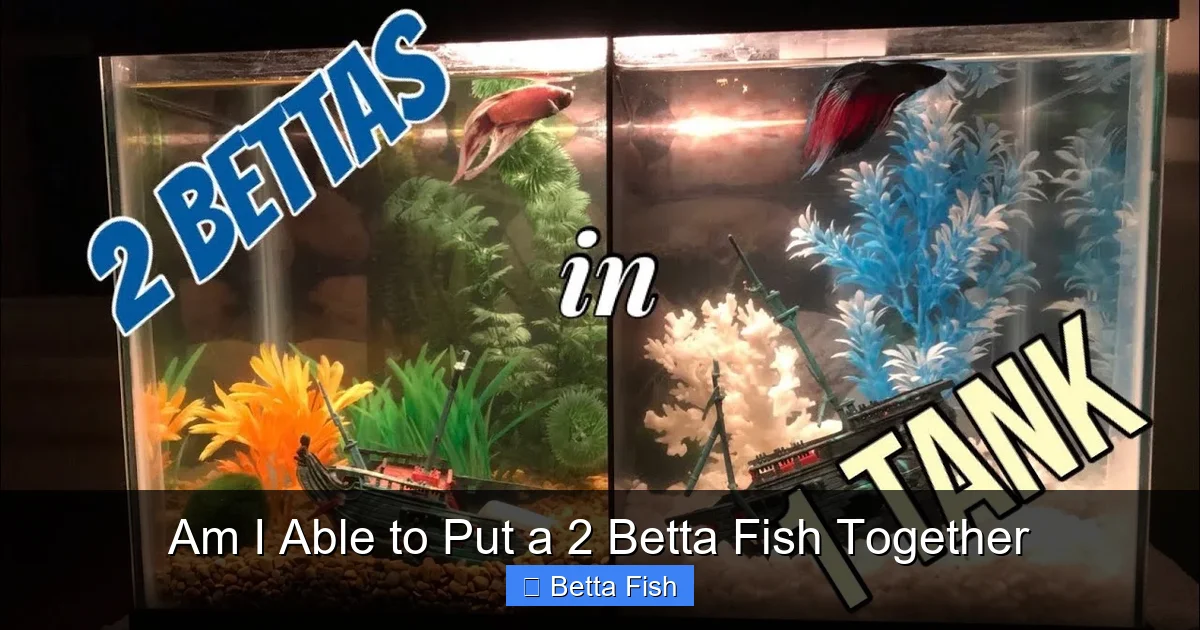
Most experts recommend at least a 10‑gallon tank for a pair of bettas, regardless of gender. Larger tanks dilute aggression by giving each fish a larger territory.
Visual guide about Am I Able to Put a 2 Betta Fish Together
Image source: i.ytimg.com
Filtration and Heating
Betta fish thrive in water that stays around 78°F (25.5°C). Use a reliable heater and a gentle filter that doesn’t create strong currents, as bettas prefer calm waters.
Decor and Plant Life
Live plants like Java fern, Anubias, and floating moss provide natural cover. Add silk or resin decorations with plenty of caves and tunnels. Avoid sharp ornaments that could tear delicate fins.
For a step‑by‑step tank setup guide, visit How To Set Up A Tank For A Betta Fish.
4. Introducing the Bettas: The Acclimation Process
Quarantine First
Before placing any new betta in the community tank, keep it in a separate quarantine tank for at least two weeks. This prevents the spread of disease.
Gradual Introduction
- Float the bag containing the new betta in the main tank for 15‑20 minutes to equalize temperature.
- Release the fish into a small container placed inside the tank, allowing visual contact without physical interaction.
- Observe for 24‑48 hours. If both fish remain calm, you can slowly release the newcomer into the main aquarium.
Watch for Early Warning Signs
Flaring, constant chasing, or loss of appetite are red flags. If any appear, separate the fish immediately using a breeder box or a temporary divider.
5. Daily Care and Ongoing Monitoring
Feeding Routine
Feed high‑quality betta pellets or frozen brine shrimp twice daily. Overfeeding leads to cloudy water, which can increase stress.
Water Tests
Check ammonia, nitrite, and nitrate levels weekly. Keep nitrate below 20 ppm and maintain a pH between 6.5 and 7.5.
Behavior Checks
Spend at least five minutes each day watching the pair. Note any changes in coloration, fin condition, or swimming patterns. A healthy betta will display vibrant fins and swim confidently.
6. When Things Go Wrong: Separation Strategies
Using Dividers
Transparent acrylic dividers are the quickest way to split a tank without moving fish. Ensure each side has its own filter outflow and heater.
Setting Up a Backup Tank
Keep a 2‑5 gallon tank ready for emergencies. Follow proper acclimation steps before moving a stressed betta.
Long‑Term Solutions
If aggression persists despite optimal conditions, it’s kinder to house the bettas separately. Remember, a single betta can thrive in a well‑decorated 5‑gallon tank.
Conclusion: Making an Informed Decision
So, am i able to put a 2 betta fish together? Yes—if you choose the right gender combination, provide a spacious, well‑planted tank, and stay vigilant about behavior. The safest route for most beginners is a single betta, but with careful planning you can enjoy the unique dynamic of two bettas sharing a home.
Take the time to research, set up, and monitor, and you’ll increase the odds of a peaceful, colorful aquarium that both you and your fish will love.
Frequently Asked Questions
Can I keep two male bettas together?
It is not recommended unless you use a solid divider. Male bettas are highly territorial and will likely fight, causing injury.
Do female bettas get along better than males?
Yes, females are generally less aggressive and can coexist in a large, heavily planted tank, though occasional squabbles may still occur.
What is the smallest tank size for two bettas?
The absolute minimum is 10 gallons, but larger tanks (15‑20 gallons) provide a safer environment and reduce stress.
How can I tell if my bettas are stressed?
Watch for constant flaring, loss of color, clamped fins, or refusal to eat. These signs indicate that you should separate them immediately.
Do I need a filter for a betta tank?
Yes, a gentle filter helps maintain water quality. Use a sponge or low‑flow filter to avoid strong currents.
Can I add other fish with two bettas?
It’s possible with peaceful, bottom‑dwelling species like kuhli loaches or corydoras, but always monitor closely for any signs of aggression.


