Half moon betta fish are prized for their dazzling, crescent‑shaped tails and vibrant colors. This guide covers what makes them special, how to set up the perfect home, and essential daily care so you can enjoy a healthy, show‑ready specimen.
Key Takeaways
- Stunning tail shape: The half moon tail forms a perfect 180° fan when the fish is at its best.
- Tank size matters: A minimum of 5 gallons provides space for swimming and stable water parameters.
- Warm water is vital: Keep the temperature between 76‑82°F (24‑28°C) for optimal health.
- Feeding routine: Small portions twice daily of high‑quality betta pellets plus occasional treats.
- Gentle handling: Use a soft net and avoid bright lights that can stress the fish.
- Regular maintenance: Weekly water changes of 25‑30% keep ammonia low and colors bright.
- Know the source: Buy from reputable breeders; see our guide on where to buy half moon betta fish.
📑 Table of Contents
- Introduction: Why the Half Moon Betta Fish Captivates Hobbyists
- 1. Understanding the Half Moon Betta’s Unique Traits
- 2. Setting Up the Perfect Home
- 3. Feeding Your Half Moon Betta Fish
- 4. Health, Maintenance, and Common Problems
- 5. Choosing and Buying a Healthy Half Moon Betta
- 6. Compatibility and Community Tank Options
- Conclusion: Enjoying the Beauty of Your Half Moon Betta
Introduction: Why the Half Moon Betta Fish Captivates Hobbyists
If you’ve ever walked by a pet store and seen a betta with a tail that looks like a full‑moon crescent, you’ve met the half moon betta fish. Their tail spreads out like a delicate fan, catching the light and turning heads. But beauty alone isn’t enough; these fish need specific care to keep that spectacular tail from fraying or shrinking.
In this article we’ll walk through everything you need to know – from choosing a healthy juvenile to setting up a tank that mimics their natural tropical habitat. Think of it as a friendly chat with a seasoned betta keeper, packed with practical tips you can start using today.
1. Understanding the Half Moon Betta’s Unique Traits
What Makes a Half Moon Different?
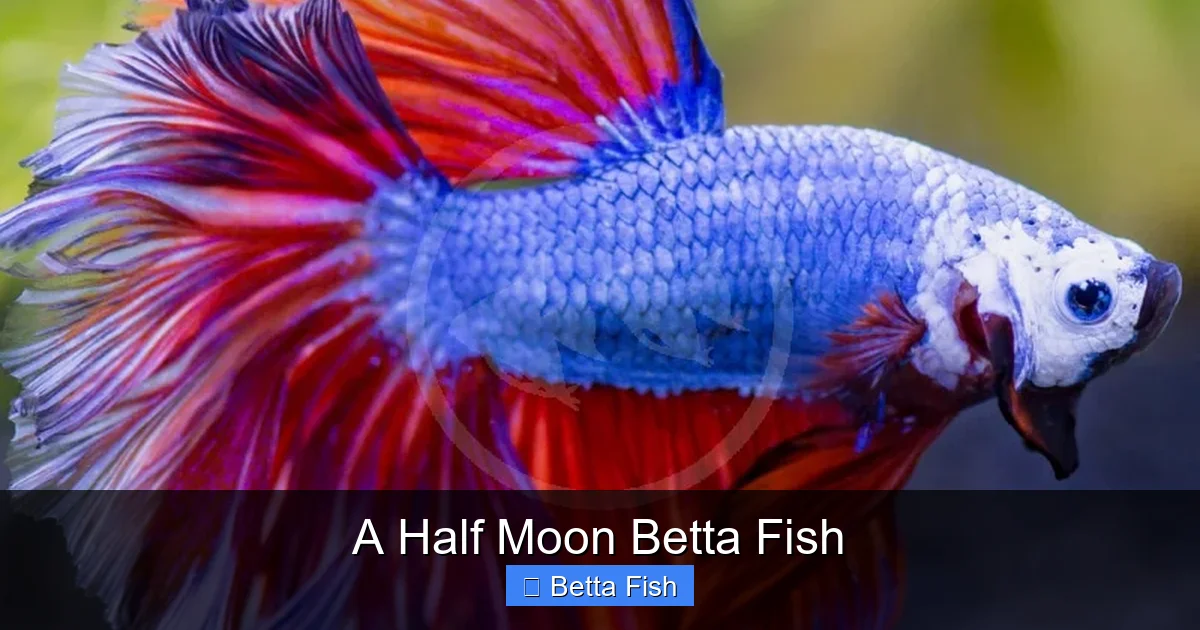
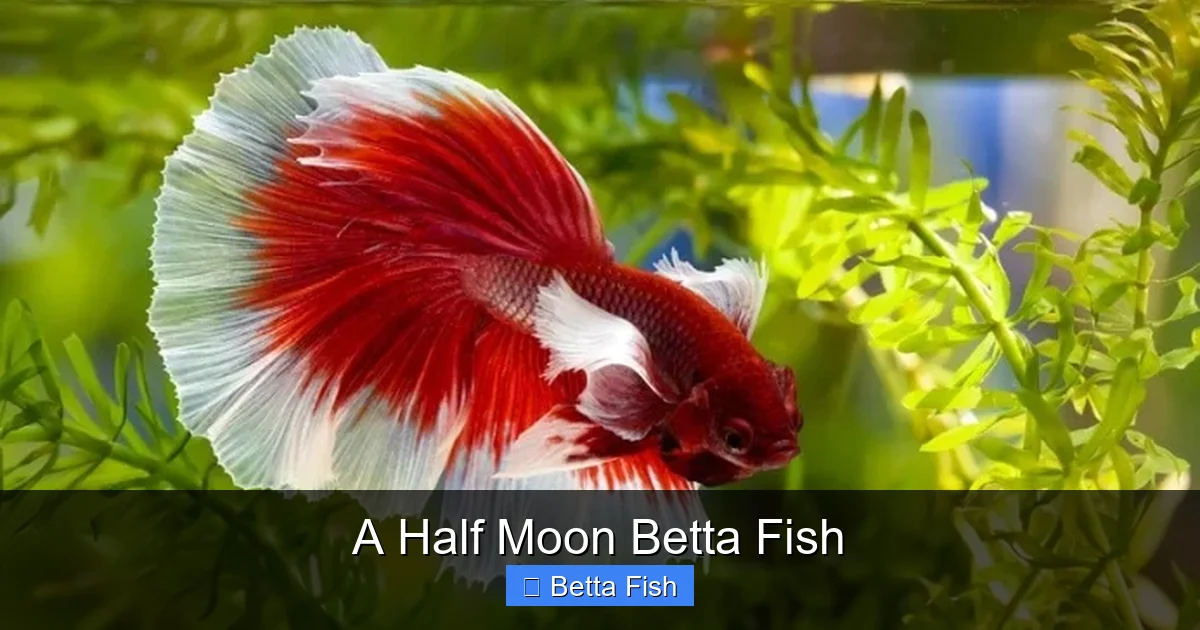
The half moon betta fish belongs to the Betta splendens species, but its tail genetics are a special variation. When the fish is at peak condition, the tail spreads out in a perfect half‑circle, covering roughly 180 degrees of the body. This is the result of selective breeding for tail fin length and flexibility.
Visual guide about A Half Moon Betta Fish
Image source: aquaticsunlimited.com
Color and Pattern Variations
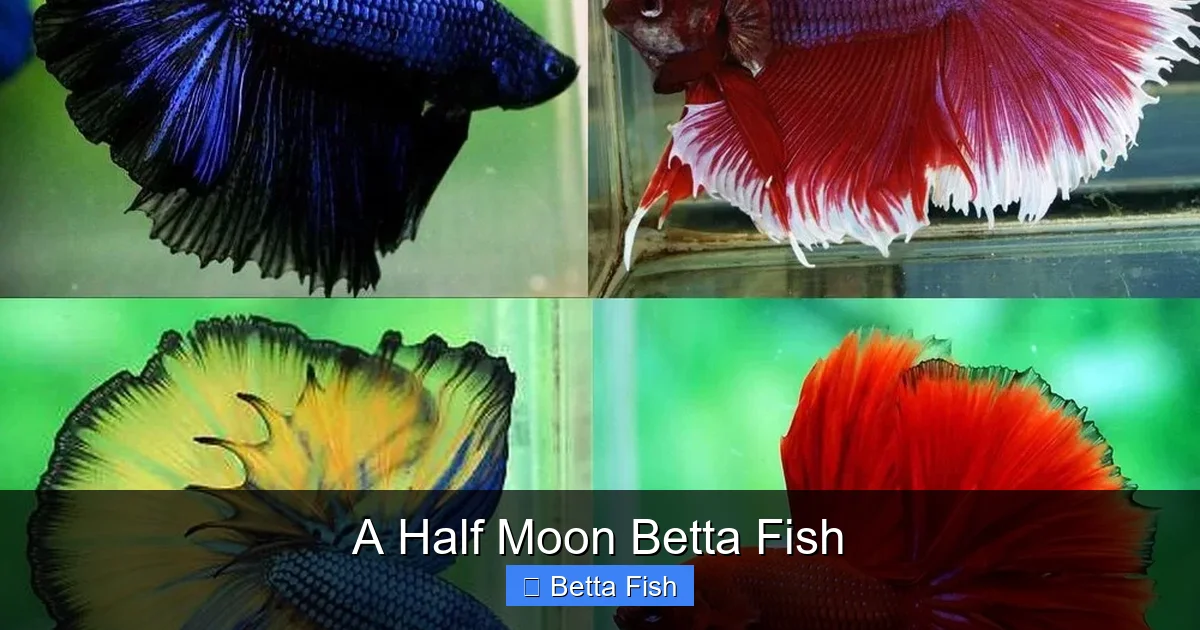
Half moon bettas come in a rainbow of colors – from deep blues and bright reds to metallic greens and pastel pinks. The “marble” pattern adds swirls of two or three colors, while “solid” bettas showcase a single, bold hue. Regardless of color, a healthy half moon will display a glossy sheen and a tail that flows smoothly when the fish swims.
2. Setting Up the Perfect Home
Tank Size and Shape
Although many beginners start a betta in a tiny bowl, a half moon betta thrives best in a larger aquarium. Aim for at least a 5‑gallon tank; this gives enough water volume to maintain stable parameters and room for the fish to display its full tail. A rectangular tank with a gentle surface area works well because it reduces stress from reflections.
Visual guide about A Half Moon Betta Fish
Image source: bettafishnest.com
Water Parameters
Half moon betta fish are tropical, so keep the water temperature between 76‑82°F (24‑28°C). Use a reliable heater and a thermometer to avoid sudden spikes. The pH should sit in the 6.5‑7.5 range, and hardness can be soft to moderately hard (50‑150 ppm). Regular testing ensures you stay within these limits.
Filtration and Flow
A low‑flow filter is ideal. Too strong a current can damage the delicate tail. Sponge filters or hang‑on‑back units with adjustable flow work wonders. Remember to rinse filter media in aged tank water during maintenance to preserve beneficial bacteria.
Substrate, Plants, and Hiding Spots
Fine sand or smooth gravel prevents tail tears. Live plants such as Java fern, Anubias, or floating duckweed provide cover and help maintain water quality. If live plants are not an option, silk plants are a safe alternative.
Lighting and Decor
Half moon bettas enjoy a natural day‑night cycle. Provide 8‑10 hours of gentle LED light, then a dark period for rest. Avoid bright, direct lighting that can stress the fish. Add a few smooth rocks or driftwood for visual interest, but keep decorations spaced to allow free swimming.
Essential Internal Link
For a step‑by‑step guide on building the perfect aquarium, see our article on how to set up a tank for a betta fish.
3. Feeding Your Half Moon Betta Fish
What to Feed
High‑quality betta pellets should make up the bulk of the diet. Look for pellets that contain at least 40% protein and no fillers. Supplement with frozen or live foods like daphnia, brine shrimp, or bloodworms once or twice a week for added nutrition and enrichment.
Visual guide about A Half Moon Betta Fish
Image source: aquariumfishonline.com.au
Feeding Schedule
Offer a small amount—about the size of the fish’s eye—twice daily. Remove any uneaten food after five minutes to prevent water fouling. Overfeeding is a common mistake that leads to cloudy water and health issues.
Hydration and Water Quality
Betta fish do not drink water like mammals; they absorb moisture through their skin and gills. However, clean water is still essential for proper osmoregulation. Regular water changes keep the environment safe for feeding.
4. Health, Maintenance, and Common Problems
Weekly Water Changes
Change 25‑30% of the tank water each week. Use a water conditioner to neutralize chlorine and chloramines. This routine keeps ammonia and nitrite at zero, protecting the half moon’s sensitive gills.
Spotting Illness Early
Watch for signs such as faded colors, clamped fins, loss of appetite, or frantic swimming near the surface. These can indicate ich, velvet, or fin rot. Early treatment with appropriate medication improves recovery odds.
Tail Care
The half moon tail is prone to tearing if the fish bumps into hard objects. Keep décor smooth and avoid aggressive tank mates. If a fin tear occurs, trim the damaged edge with sterilized scissors to prevent infection.
Internal Link on Health
Learn more about identifying problems in our guide how to know if a betta fish is dying.
5. Choosing and Buying a Healthy Half Moon Betta
What to Look For in a Store
Healthy half moon bettas have bright, even coloration and a tail that spreads fully when the fish is at rest. Their eyes should be clear, and the body should be sleek without any white spots or frayed fins.
Questions to Ask the Seller
- How long have they been in captivity?
- What is their diet?
- Do they have a quarantine tank?
Shipping Considerations
If you order online, ensure the seller uses insulated packaging with a heat pack to maintain water temperature during transit. A 24‑hour delivery window is ideal.
Internal Link for Purchasing
Find reputable sources and tips on our page where to buy half moon betta fish.
6. Compatibility and Community Tank Options
Can a Half Moon Betta Live with Other Fish?
Male half moon bettas are highly territorial, especially during breeding season. They can coexist with peaceful, non‑fin‑nipping species like small rasboras or neon tetras in a spacious, well‑planted tank, but close monitoring is essential.
Suitable Tank Mates
- Harlequin Rasbora
- Celestial Pearl Danio
- Snails (e.g., Nerite)
Avoid other long‑fin or aggressive fish such as guppies or other bettas. For more ideas, read what fish is compatible with a betta fish.
Alternative: A Single‑Fish Setup
Many owners prefer a single‑fish tank to showcase the half moon’s tail without competition. This also simplifies maintenance and reduces stress.
Conclusion: Enjoying the Beauty of Your Half Moon Betta
Caring for a half moon betta fish is a rewarding blend of art and science. By providing the right tank size, stable warm water, a balanced diet, and regular maintenance, you’ll see that iconic half‑moon tail fan out in full glory. Remember to watch for health signs, choose a reputable breeder, and give your fish a peaceful environment. With a little attention, your half moon betta will become the dazzling centerpiece of your home aquarium for years to come.
Frequently Asked Questions
How often should I change the water for a half moon betta fish?
Change 25‑30% of the water weekly. This keeps ammonia low and maintains clear, healthy water for the delicate tail.
What temperature is best for a half moon betta fish?
Keep the water between 76‑82°F (24‑28°C). Use a reliable heater and a thermometer to avoid sudden temperature swings.
Can I keep a half moon betta with other fish?
Yes, if the tank is large enough (5+ gallons) and the mates are peaceful, non‑fin‑nipping species. Always monitor for aggression.
How can I tell if my half moon betta is male or female?
Male bettas have longer, more flowing fins and a broader tail, while females have shorter fins and may display a “egg spot” on the underside.
What should I feed my half moon betta fish?
High‑quality betta pellets twice daily, supplemented with occasional frozen or live foods like brine shrimp or daphnia.
How long does a half moon betta fish typically live?
With proper care, a half moon betta can live 3‑5 years, sometimes longer if health and water conditions are optimal.


