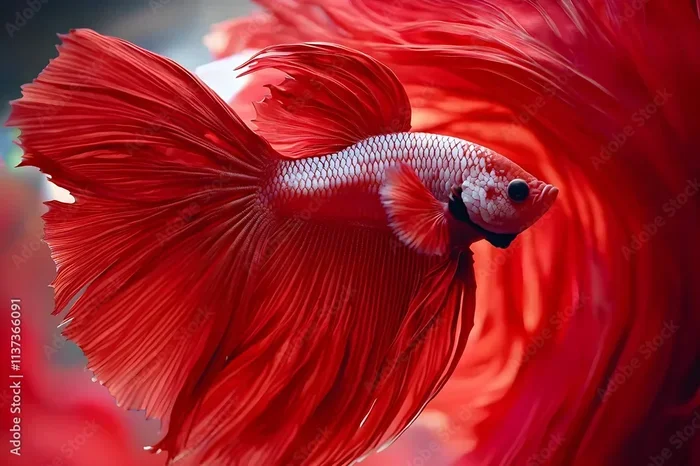
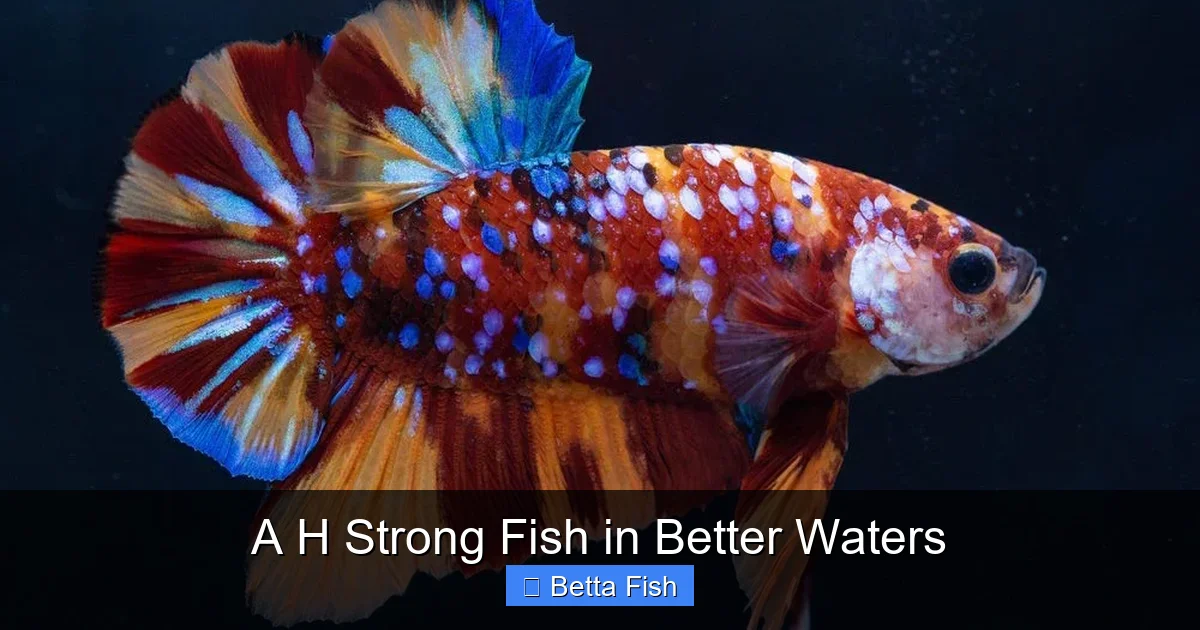
A H Strong Fish in Better Waters
“A H Strong Fish in Better Waters” is your go‑to guide for keeping Betta fish healthy and happy. Learn the best water conditions, tank choices, and daily habits that turn ordinary bettas into a h strong fish in better waters. Follow our easy steps and enjoy a thriving, colorful aquarium.
Key Takeaways
- Water quality matters: Stable temperature, pH 7‑7.5, and low ammonia are the foundation for a h strong fish in better waters.
- Tank size counts: A minimum of 5 gallons gives your betta room to explore and stay healthy.
- Proper diet fuels strength: High‑protein pellets plus occasional live foods keep the fish vibrant.
- Gentle filtration & heating: A low‑flow filter and reliable heater create the perfect environment.
- Regular maintenance prevents disease: Weekly water changes and tank checks stop problems before they start.
- Smart tank mates: Choose peaceful, small species that won’t stress a h strong fish in better waters.
- Observe and enjoy: Daily visual checks help you spot early signs of stress or illness.
📑 Table of Contents
- Introduction: Why “A H Strong Fish in Better Waters” Matters
- 1. The Core of “Better Waters”: Water Parameters
- 2. Choosing the Right Home: Tank Size and Setup
- 3. Nutrition: Feeding a h Strong Fish in Better Waters
- 4. Health and Wellness: Spotting Problems Early
- 5. Tank Mates: Building a Peaceful Community
- 6. Enhancing the Experience: Enrichment and Observation
- Conclusion: Your Path to a h Strong Fish in Better Waters
Introduction: Why “A H Strong Fish in Better Waters” Matters
If you’ve ever watched a Betta flare its fins and wondered why some look tired while others sparkle, the answer often lies in the water. A h strong fish in better waters isn’t just a catchy phrase—it’s a promise of health, color, and longevity. Betta fish (Betta splendens) are naturally hardy, but they thrive when their environment mimics the slow‑moving, warm streams of Southeast Asia.
In this article we’ll walk through every detail that turns a regular tank into a sanctuary. From the perfect temperature to the right tank mates, you’ll learn how to create conditions where a h strong fish in better waters can truly shine.
1. The Core of “Better Waters”: Water Parameters
Temperature – The Heartbeat of Betta Health
Betta are tropical fish. The ideal range is **78‑80°F (25‑27°C)**. Anything below 75°F slows metabolism and can lead to disease. Use an aquarium heater with an adjustable thermostat and check the temperature twice daily with a reliable digital probe.

Visual guide about A H Strong Fish in Better Waters
Image source: img-s-msn-com.akamaized.net
pH and Hardness – Keeping the Balance
A stable pH between **6.8 and 7.5** is ideal. Slightly acidic water mirrors their native habitats. Test the water weekly; if it drifts, add a small amount of crushed coral or a commercial buffer. General hardness (GH) should sit around **3‑4 dGH**; this supports proper scale development.
Ammonia, Nitrite, Nitrate – The Invisible Threats
Ammonia and nitrite must be **0 ppm**; nitrate should stay below **20 ppm**. A well‑cycled filter and regular 25‑30% water changes keep these numbers low. Remember, a h strong fish in better waters never lives in toxic water.
Practical Tip: Water Change Routine
- Weekly change: 25‑30% of the tank volume.
- Use a water conditioner to neutralize chlorine and chloramines.
- Match the temperature of the new water to the tank to avoid shock.
2. Choosing the Right Home: Tank Size and Setup
Why Bigger Is Better
Although many owners start bettas in tiny bowls, research shows a **minimum 5‑gallon tank** dramatically improves health and lifespan. More water dilutes waste, stabilizes temperature, and gives your betta space to display natural behaviors.
Visual guide about A H Strong Fish in Better Waters
Image source: media.fishreports.com
Tank Shape and Layout
A long, shallow tank works well. Place a low‑flow filter on one side and a heater on the opposite side to ensure even distribution. Add a gentle surface cover to reduce stress from sudden light changes.
Substrate, Plants, and Décor
Fine sand or smooth gravel (see Which Is Better Sand Or Gravel For A Fish Tank) provides a natural feel. Live plants like **Java fern**, **Anubias**, and **Marimo moss balls** improve water quality and give hiding spots. If live plants are not an option, high‑quality silk plants are safe alternatives.
Filtration – Gentle but Effective
Betta fish prefer calm water. Choose a sponge filter or a hang‑on‑back filter with a flow rate of **1‑2 times the tank volume per hour**. Position the output so the current is barely noticeable.
Lighting
12‑hour light cycles simulate day/night. Use a dimmable LED fixture to avoid stressing the fish. A night‑time moonlight adds visual appeal without disturbing sleep.
3. Nutrition: Feeding a h Strong Fish in Better Waters
Quality Pellets as the Staple
High‑protein betta pellets (30‑40% protein) should be the daily base. Look for brands with natural ingredients and no fillers.
Visual guide about A H Strong Fish in Better Waters
Image source: cdn.shopify.com
Live and Frozen Treats
Once or twice a week, supplement with **brine shrimp**, **daphnia**, or **bloodworms**. These foods boost color and mimic the betta’s natural diet.
Feeding Schedule
- Twice daily: 2‑3 pellets per feeding.
- Remove uneaten food after 5 minutes to prevent water fouling.
- Fast one day per week to aid digestion.
Common Mistakes to Avoid
Overfeeding leads to cloudy water and obesity, both of which weaken a h strong fish in better waters. Stick to small portions and monitor your fish’s appetite.
4. Health and Wellness: Spotting Problems Early
Fin Rot, Velvet, and Ich – The Usual Suspects
Fin rot appears as ragged, white edges; velvet shows a gold dusting; ich presents tiny white spots. Early treatment with appropriate medication prevents spread.
When to Seek Help
If your betta stops eating, gasps at the surface, or loses color, act fast. Reference Why Did My Betta Fish Die In A Week for a quick diagnostic checklist.
Routine Health Checks
- Observe swimming pattern for any wobble or lethargy.
- Check gill color—bright red is healthy; pale or brown indicates stress.
- Inspect fins daily for fraying or discoloration.
Preventative Care
Maintain pristine water, avoid sudden temperature shifts, and keep the tank free of sharp décor. A h strong fish in better waters rarely falls ill when these basics are met.
5. Tank Mates: Building a Peaceful Community
Can You Put Other Fish in With a Betta?
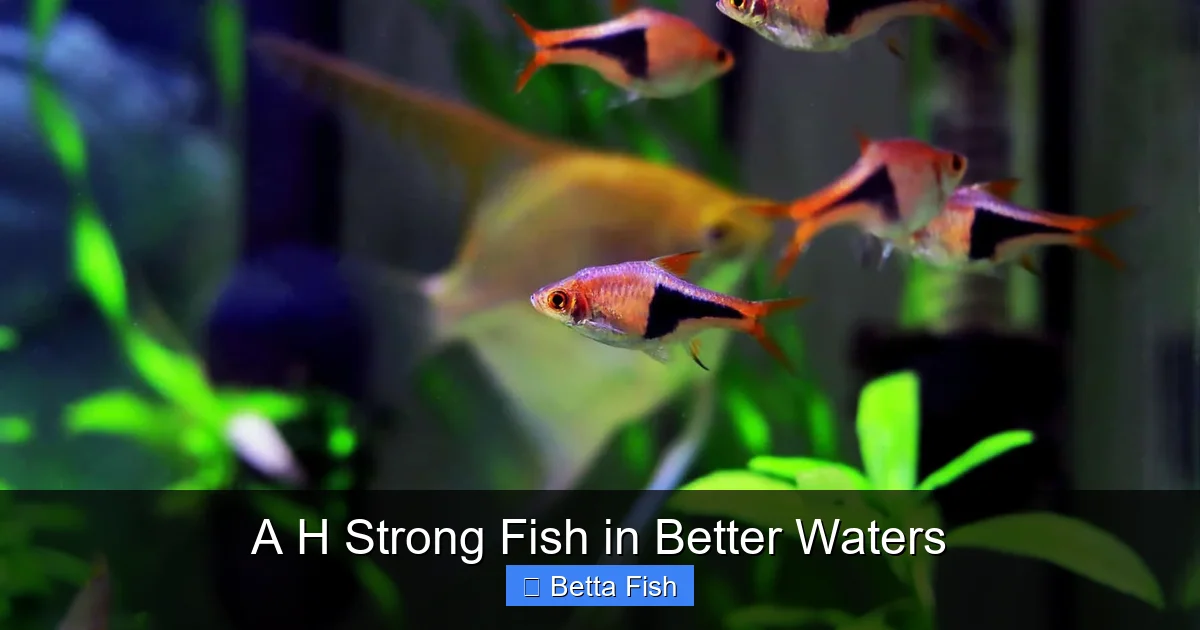
Yes, but choose wisely. Peaceful, small species that occupy different water levels work best. Good companions include **corydoras catfish**, **harlequin rasboras**, and **neon tetras** (in groups of six or more).
Species to Avoid
Fin‑nipping fish such as **guppies** or aggressive cichlids can stress a betta. Also, avoid other bettas unless you have a divided tank.
Internal Link Example
For a deeper dive on compatible species, read Which Fish Can Live With Betta Fish In A Tank.
Introducing New Fish
- Quarantine new arrivals for 2 weeks.
- Acclimate slowly using the drip method.
- Monitor interactions for the first 48 hours.
6. Enhancing the Experience: Enrichment and Observation
Playful Enrichment
Betta love exploring. Add floating logs, small caves, and mirror toys (limited time to avoid aggression). Changing décor every few weeks keeps curiosity alive.
Photography Tips
Use a macro lens and natural lighting. Capture the vibrant fins when the fish is at the surface during feeding – that’s when a h strong fish in better waters shows its true colors.
Community Involvement
Join Betta forums or local clubs. Sharing experiences helps you learn new tricks and stay updated on health alerts.
Conclusion: Your Path to a h Strong Fish in Better Waters
Creating “better waters” is not a one‑time task; it’s a daily commitment to quality, consistency, and observation. By controlling temperature, pH, and filtration, providing a spacious, well‑decorated tank, feeding a balanced diet, and performing regular health checks, you give your Betta the best chance to become a h strong fish in better waters. The reward? A dazzling display of colors, playful behavior, and a companion that can thrive for years.
Start today, follow the steps above, and watch your Betta transform. Remember, the strongest fish are those raised in the cleanest, most caring environment you can provide.
Frequently Asked Questions
What temperature should the water be for a Betta fish?
The ideal range is 78‑80°F (25‑27°C). Consistent temperature helps prevent stress and disease.
Can Betta fish live in a bowl without a filter?
While bettas can survive in small bowls, lack of filtration leads to rapid waste buildup. A filtered tank is strongly recommended for a h strong fish in better waters.
How often should I change the water in a Betta tank?
Change 25‑30% of the water weekly. This keeps nitrate low and maintains stable water parameters.
Is it possible to keep two Betta fish together?
Only in a divided tank or with careful selection of male‑female pairs. Otherwise, aggression is likely.
What are the best tank mates for a Betta?
Peaceful, small fish like neon tetras, harlequin rasboras, or bottom‑dwelling corydoras work well when introduced gradually.
How can I tell if my Betta is stressed?
Signs include faded colors, clamped fins, rapid gill movement, and loss of appetite. Address water quality and tank conditions immediately.