A betta fish with popeye is a sign of eye swelling that can quickly become serious. Learn the common causes, step‑by‑step treatment, and preventive measures to protect your betta’s vision and overall health.
Key Takeaways
- Spot the signs early: Swollen, bulging or cloudy eyes are the first clues of popeye in bettas.
- Identify the cause: Poor water quality, injury, infection or parasites are the usual triggers.
- Treat promptly: Saline rinses, antibiotics and proper tank maintenance can reverse the condition.
- Prevent future cases: Regular water changes, stable temperature and a stress‑free environment are essential.
- Know when to seek help: If the eye does not improve in 48‑72 hours, consult a veterinarian.
- Isolation matters: Quarantining a betta fish with popeye prevents spread to tank mates.
- Holistic care: Good nutrition and clean décor support eye health and overall well‑being.
📑 Table of Contents
What Is Popeye in a Betta Fish?
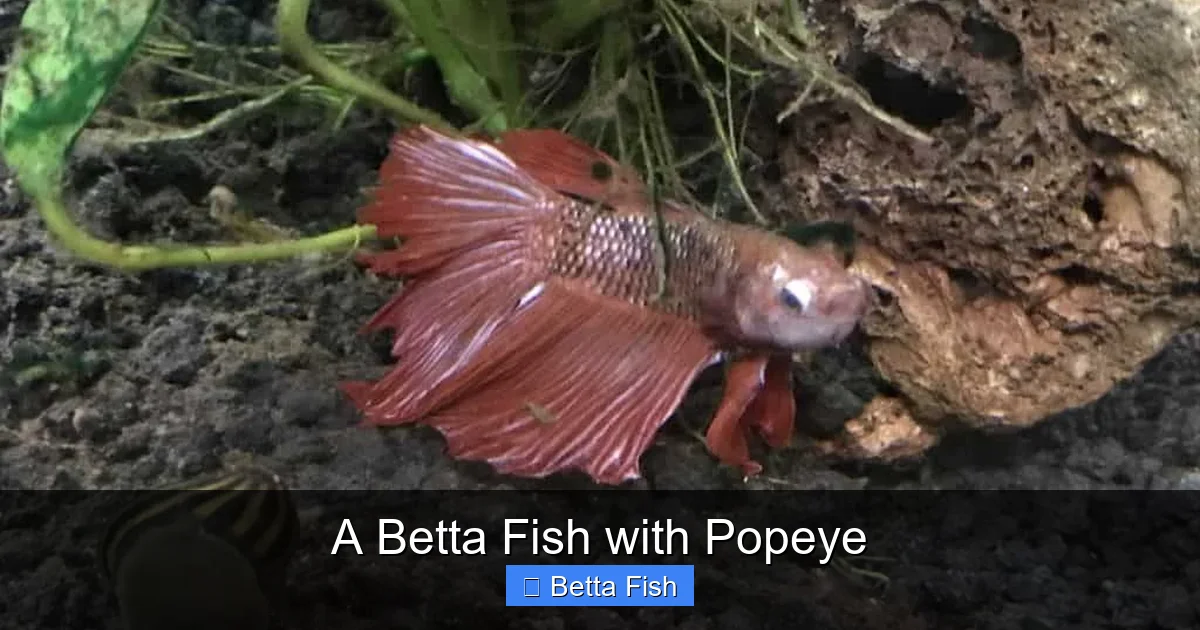
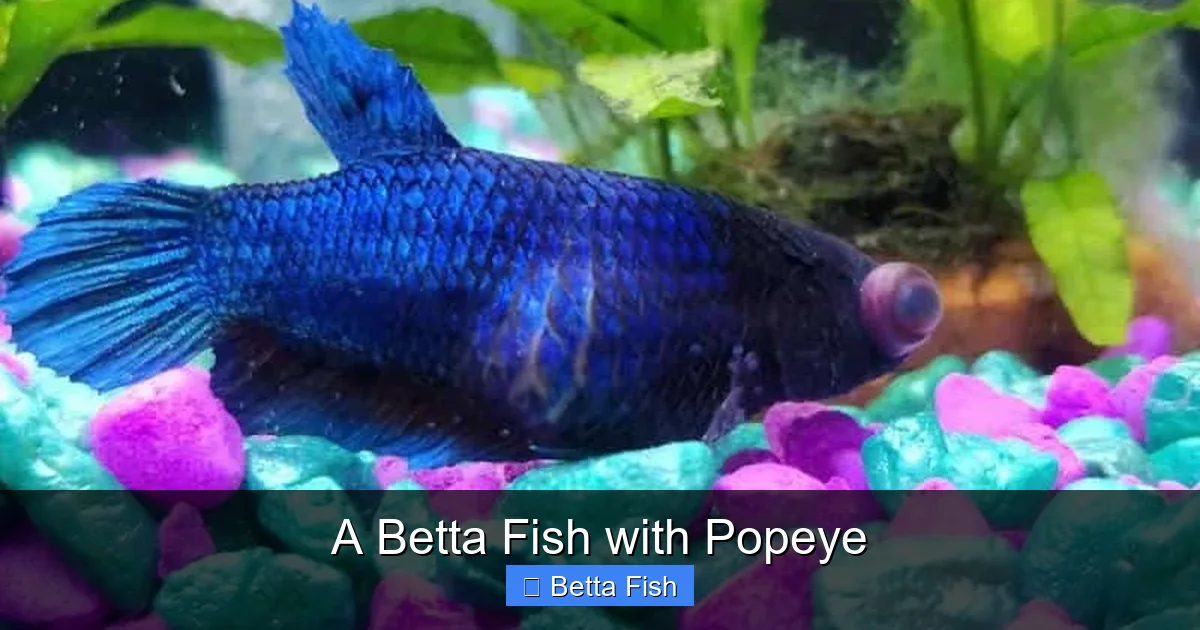
When you hear the term “popeye” you probably picture a cartoon fish with a huge, bulging eye. In the aquarium world, popeye describes a real medical condition where a betta fish’s eye swells, becomes cloudy, and may even protrude from the socket. The scientific name is exophthalmia. It’s not just an aesthetic issue; the swelling can damage the eye tissue and lead to blindness if left untreated.
For a betta fish with popeye, the problem usually starts small—a slight puffiness that you might miss during a quick glance. Over a day or two it can grow dramatically, making the eye look like a tiny balloon. The good news is that most cases are reversible when you act quickly.
Common Causes of Popeye in Betta Fish
Understanding why a betta fish develops popeye helps you target the right solution. The main culprits are:
Visual guide about A Betta Fish with Popeye
Image source: thewittyfish.com
1. Poor Water Quality
Betta fish are sensitive to ammonia, nitrite, and high nitrate levels. Even a slight spike in ammonia can irritate the delicate eye membranes, leading to swelling. Regular testing with a reliable kit and weekly water changes (about 25‑30 %) keep the environment safe.
2. Physical Injury
Sharp décor, aggressive tank mates, or a sudden bump against the tank glass can bruise the eye. A betta fish with popeye often has a history of an accident, even if you didn’t see it happen.
3. Bacterial or Fungal Infection
Pathogenic bacteria like Aeromonas or fungi can invade the eye after a minor scratch. These microbes love warm, stagnant water—exactly what a neglected betta tank can become.
4. Parasites
Protozoan parasites such as Costia or Ichthyophthirius sometimes affect the eyes, causing inflammation and fluid buildup.
5. Nutritional Deficiencies
Missing vitamins, especially Vitamin C and essential fatty acids, weaken the immune system. A weakened immune response makes a betta fish more prone to eye infections and, consequently, popeye.
How to Diagnose Popeye in Your Betta
Diagnosis is mostly visual, but a systematic approach helps you confirm the cause.
Visual guide about A Betta Fish with Popeye
Image source: thewittyfish.com
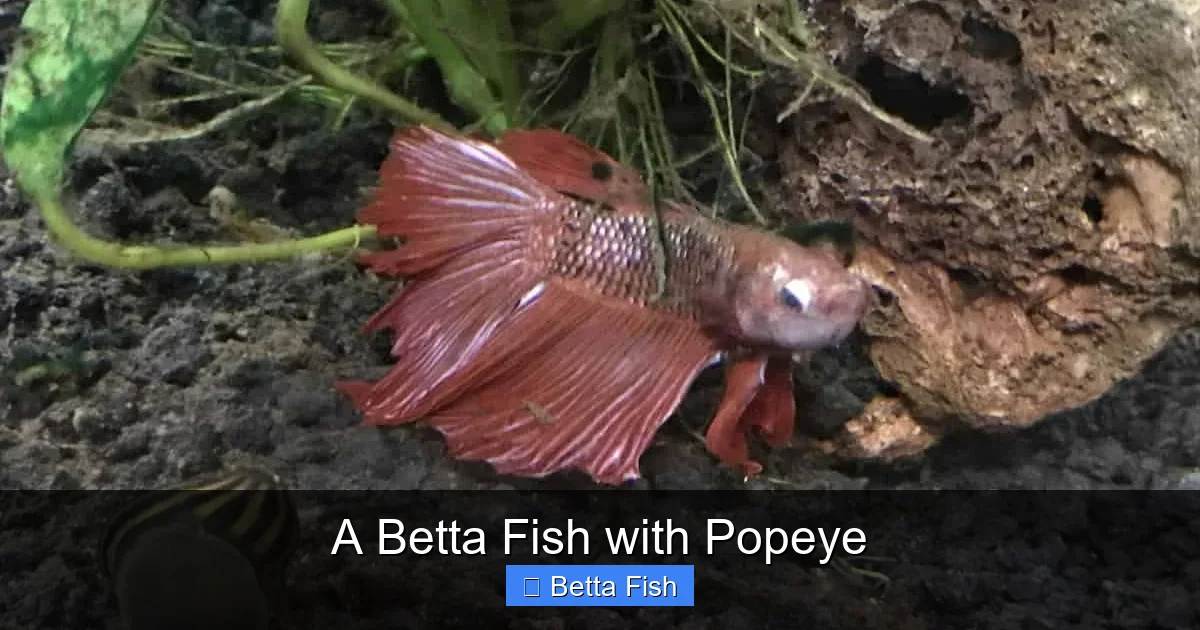
Step 1: Observe the Eye
- Is the eye bulging outward?
- Is there a cloudy or white film over the eye?
- Does the betta rub the eye against objects?
Step 2: Check Water Parameters
Test for ammonia, nitrite, nitrate, pH and temperature. Ideal betta parameters are:
- Ammonia: 0 ppm
- Nitrite: 0 ppm
- Nitrate: < 20 ppm
- pH: 6.5‑7.5
- Temperature: 76‑82 °F (24‑28 °C)
Step 3: Look for Other Symptoms
Fin rot, loss of appetite, or lethargy often accompany a betta fish with popeye when infection is the root cause.
Step‑by‑Step Treatment Plan
Below is a practical, easy‑to‑follow protocol you can start the moment you spot popeye.
Visual guide about A Betta Fish with Popeye
Image source: ouraquariumlife.com
1. Quarantine the Affected Betta
Move the betta fish with popeye to a separate hospital tank (2‑3 gallon) with a gentle sponge filter. This stops any pathogens from spreading to other fish.
2. Perform a Saline Rinse
Mix 1 teaspoon of non‑iodized sea salt per gallon of dechlorinated water. Gently dip the betta’s head in the solution for 30‑60 seconds, twice a day, for three days. The saline helps draw out excess fluid and reduces swelling.
3. Administer Antibiotics (If Bacterial Infection Suspected)
Use a broad‑spectrum aquarium antibiotic such as Maracyn 2. Follow the label’s dosage—usually 1 tablet per 5 gallon, dissolved in the quarantine water. Treat for a full 7‑10 day course even if the eye looks better after a few days.
4. Add Antifungal or Antiparasitic Medication (If Needed)
If you notice white spots (possible fungus) or a “snow‑flake” pattern (Ich), add an appropriate medication like Melafix for fungus or copper‑based treatment for parasites. Always read the instructions carefully.
5. Improve Water Quality in the Main Tank
While treating the isolated betta, perform a 50 % water change in the main tank, vacuum the substrate, and clean any décor that may harbor bacteria. Consider adding a small live plant; they help absorb nitrates and provide a calming environment.
6. Boost Nutrition
Feed high‑quality betta pellets supplemented with frozen or live foods (brine shrimp, daphnia). Add a vitamin booster once a week to support immune health.
7. Monitor Progress
Check the eye daily. If swelling reduces and the eye regains its normal shape within 48‑72 hours, continue the current regimen. If the condition worsens, seek a vet experienced with fish.
Prevention: Keeping Your Betta Free from Popeye
Prevention is far easier than treatment. Here are proven habits that keep a betta fish with popeye at bay.
Maintain Spot‑On Water Quality
Test weekly, change 25‑30 % of water each week, and never over‑feed. Over‑feeding leads to excess waste, which spikes ammonia.
Provide a Safe Habitat
Use smooth rocks, silk plants, and a gentle filter. Avoid sharp ornaments that could scratch the eye. A well‑planted tank also reduces stress.
Control Temperature and Lighting
Keep the tank heater steady at 78 °F (25.5 °C) and use a timer for lights (8‑10 hours a day). Sudden temperature swings weaken the immune system.
Quarantine New Arrivals
Any new fish, snail or shrimp should spend at least two weeks in a separate quarantine tank before joining the community. This prevents hidden pathogens from causing popeye in your betta.
Balanced Diet
Rotate between pellets, frozen foods, and occasional live treats. A varied diet supplies essential vitamins and fatty acids that keep the eye membranes strong.
Watch Tank Mates
While many hobbyists keep bettas alone, some successfully house them with peaceful species. If you choose to add companions, select small, non‑aggressive fish like neon tetras or a single dwarf gourami. Avoid fin‑nipping species that could injure the betta’s eye. For more on compatible tank mates, see What Fish Is Compatible With A Betta Fish and Can You Keep Other Fish With A Betta.
When to Seek Professional Help
Most cases of a betta fish with popeye respond to home treatment. However, call a veterinarian if:
- The eye remains swollen after 72 hours of proper care.
- There’s a pus‑like discharge or severe cloudiness.
- Your betta stops eating entirely.
- You notice other fish in the tank showing similar symptoms.
Veterinary fish clinics can perform cytology or bacterial cultures to pinpoint the exact pathogen, ensuring the right medication is used.
Conclusion: A Happy Betta Starts with Healthy Eyes
Spotting a betta fish with popeye can be alarming, but with quick action you can restore your fish’s vision and comfort. Remember the three‑step mantra: clean water, prompt treatment, and preventive care. By keeping the tank environment stable, feeding a balanced diet, and monitoring for injuries, you’ll give your betta the best chance to live a long, vibrant life—eyes and all.
Frequently Asked Questions
What does popeye look like in a betta fish?
Popeye appears as a bulging, swollen eye that may look cloudy or white. The eye often sticks out more than the other side and the betta may rub it against objects.
Can I cure popeye without medication?
In mild cases, a saline rinse combined with excellent water quality can reduce swelling. However, bacterial infections usually need an antibiotic for full recovery.
How long does it take for a betta’s eye to return to normal?
With proper treatment, most bettas show improvement within 48‑72 hours and full recovery in 7‑10 days.
Is popeye contagious to other fish?
The underlying infection can spread, especially in a crowded tank. Quarantining the affected betta helps protect tank mates.
Can poor diet cause popeye?
A diet lacking vitamins and essential fatty acids weakens the immune system, making a betta more vulnerable to eye infections that cause popeye.
Should I change the entire tank water if my betta gets popeye?
A partial water change (25‑30 %) is usually enough, but ensure the new water is dechlorinated and matches the tank’s temperature and pH.


