Is It Better to Give Fish Natural Light
Giving fish natural light can be beneficial, but it comes with risks you need to manage. Natural sunlight helps boost fish health, color, and natural rhythms, but too much exposure causes algae blooms and temperature swings. Betta fish especially need a balanced light routine to thrive, and understanding the difference between sunlight and artificial lighting is key to keeping your aquarium happy and healthy.
H2: Why Light Matters for Your Fish
H3: The Role of Light in Fish Health
Light is one of the most overlooked parts of fish care. Many new fish owners focus on food, water quality, and tank size, but they forget about lighting. Light affects everything from your fish’s mood to their feeding patterns. Fish in the wild experience natural day and night cycles. These cycles tell their bodies when to eat, rest, and be active. When you keep fish in a tank, you become responsible for recreating that rhythm.
Natural light for fish offers benefits that artificial light sometimes cannot match. Sunlight contains a full spectrum of wavelengths that help fish process vitamins and maintain their biological clock. A well-lit tank also supports live plants, which in turn produce oxygen and absorb harmful chemicals. This creates a healthier environment for your fish to swim and grow.
H3: How Light Affects Betta Fish Specifically
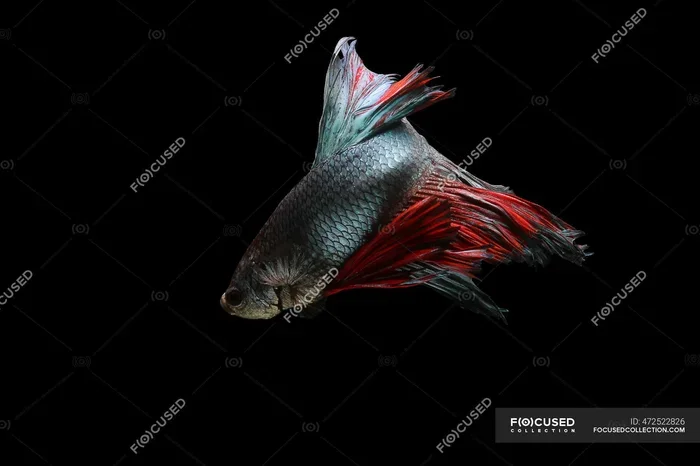
Betta fish are native to warm, shallow waters in Southeast Asia. In their natural habitat, they experience filtered sunlight through dense vegetation. This gentle, indirect light shapes their behavior and coloration. When you keep bettas in a dark tank, they may become sluggish and lose their vibrant colors. On the other hand, harsh direct light can stress them out.
Betta fish light requirements are specific and should not be ignored. These fish need a consistent light schedule to feel secure. A betta fish tank should have a reliable light source that mimics their natural environment. Without proper lighting, bettas may hide more often and show signs of stress.
H2: Benefits of Giving Fish Natural Light
H3: Improved Color and Vitality
One of the most noticeable benefits of natural light is how it enhances fish colors. Sunlight brings out the reds, blues, and greens in betta fish like nothing else. Many fish keepers report that their bettas look brighter and more active when placed near a window with indirect light. This happens because natural light provides a balanced spectrum that artificial bulbs sometimes lack.
Natural sunlight fish tank setups also promote the growth of beneficial plants. Live plants absorb carbon dioxide and release oxygen during daylight hours. This process helps maintain clean water and a stable environment. Fish living among plants tend to be healthier and display more natural behaviors like exploring and foraging.
H3: Natural Day and Night Cycles
Fish, like all living creatures, respond to the rhythm of day and night. Natural light helps establish a predictable routine for your aquarium. When the sun rises, fish become active and ready to eat. As the sun sets, they begin to wind down and rest. This photoperiod for fish is essential for their long-term well-being.
Using natural light for this purpose is simple and cost-effective. You do not need expensive equipment or timers. However, you do need to be mindful of how many hours of direct sunlight your tank receives. A room with curtains or blinds gives you more control over the light cycle without much effort.
H2: Risks of Too Much Natural Light
H3: Algae Growth and Water Quality Issues
Here is the big problem with natural light: it feeds algae. Algae spores are always present in water, and they need light and nutrients to grow. When your tank sits in direct sunlight for several hours a day, algae can explode in number. Green water, slimy walls, and floating clumps of algae make your tank look terrible and harm your fish.
Fish tank algae buildup does more than ruin the appearance of your aquarium. Excess algae consumes oxygen at night and competes with fish and plants for nutrients. In severe cases, an algae bloom can spike ammonia levels and make the water unsafe for your fish. This is why many experienced fish keepers avoid placing tanks in direct sunlight.
H3: Temperature Fluctuations
Sunlight does not just provide light. It also generates heat. A fish tank placed near a sunny window can experience rapid temperature swings throughout the day. Betta fish temperature needs to stay between 76 and 82 degrees Fahrenheit. Even a few degrees outside that range can cause stress, illness, or death.
Temperature spikes from sunlight are especially dangerous during summer months. A tank that sits in direct afternoon sun can quickly become a hot tub for your fish. If you want to use natural light, monitor the temperature closely and consider using a thermometer near the glass.
H2: Natural Light vs Artificial Light: A Comparison
H3: Side-by-Side Comparison Table
Comparing natural light and artificial light helps you make the best choice for your setup. Here is a simple breakdown:
- Natural Light: Free and full-spectrum, but hard to control and may cause algae.
- Artificial Light (LED): Adjustable and consistent, but requires purchase and setup.
- Natural Light: Supports plant growth naturally, but varies with weather and season.
- Artificial Light: Lets you set a fixed schedule, but may lack full spectrum if the bulb is low quality.
- Natural Light: Enhances fish color beautifully, but risks overheating the tank.
- Artificial Light: Safe from temperature issues, but needs a timer for consistency.
H3: When to Choose Natural Light
Natural light works best in rooms with indirect sunlight. A tank placed a few feet away from a window with sheer curtains gets gentle light without the risks of direct exposure. This setup is ideal for small betta tanks and planted aquariums that receive ambient daylight throughout the day.
If you live in a region with mild weather and plenty of overcast days, natural light can be a great primary source. The diffused light provides a soft glow that mimics the filtered sunlight bettas would experience in the wild. Just make sure you are not relying on direct sun for more than a couple of hours.
H3: When to Choose Artificial Light
Artificial light is the safer choice for most fish keepers. You have full control over how bright the light is and how long it stays on. LED aquarium lights come in many spectrums and can be programmed to simulate sunrise, sunset, and midday conditions. This level of control is impossible to achieve with natural light alone.
If your room lacks windows or gets very little daylight, artificial light is a must. Fish tank lighting tips from experienced keepers always recommend using a timer. A simple outlet timer set to 10 hours on and 14 hours off creates a reliable day-night cycle that your fish will thrive on.
H2: Best Practices for Using Natural Light in Your Fish Tank
H3: Positioning Your Tank Correctly
Where you place your tank determines how much natural light your fish get. The best spot is near an east-facing window. This gives your fish gentle morning light without the harsh afternoon sun. North-facing windows work too, though they provide less light overall.
Avoid placing tanks on south- or west-facing windows unless you use curtains or blinds. These windows let in the strongest and hottest rays of the day. Even a few hours of direct sun can raise the tank temperature and trigger an algae outbreak. If you already have your tank in a sunny spot, consider adding a sheer curtain to filter the light.
H3: Managing Light Duration
Even with natural light, you should aim for a consistent schedule. Most fish do well with 8 to 12 hours of light per day. If your tank gets natural light from a window, you can supplement with a simple curtain to block out light during the night. This helps your fish rest properly and prevents algae from getting too much fuel.
Light cycle for fish is one of the most important aspects of aquarium care. Fish do not know what time it is, so they rely on the light around them to set their internal clocks. An inconsistent light schedule confuses fish and leads to stress, poor appetite, and weakened immune systems. Keep it regular and simple.
H3: Combining Natural and Artificial Light
You do not have to choose between natural and artificial light. Many fish keepers use both to get the best results. For example, you might place your tank near a window for ambient daylight and then add an LED light to extend the photoperiod on cloudy days. This combination gives your fish a rich and varied light environment.
If you go this route, make sure the total light hours do not exceed 12 per day. Too much light, whether from the sun or a bulb, will cause the same problems: algae growth and fish stress. Betta fish are sensitive to both too much and too little light, so finding the right balance is essential for their health and happiness.
H2: Common Mistakes Fish Owners Make With Light
H3: Leaving the Light On 24/7
One of the biggest mistakes new fish owners make is leaving the tank light on all the time. Fish need darkness to rest. Without a proper night cycle, fish become exhausted and prone to illness. Leaving lights on nonstop also fuels constant algae growth, which will overwhelm your tank in a matter of weeks.
Always use a timer or set a schedule for your lights. Even if you rely on natural light during the day, make sure the tank goes dark at night. If your room gets evening light from streetlamps or screens, consider covering the tank with a dark cloth or using a blackout curtain.
H3: Ignoring the Signs of Too Much Light
Fish will tell you when the light is too much. Watch for signs like hiding more than usual, gasping at the surface, or losing color. Algae that grows overnight on the glass is another clear signal that your tank is getting too much light. If you notice these issues, reduce the light hours immediately and check the water temperature.
Can a light be too bright for a betta fish? Absolutely. Bettas prefer dim to moderate light in the wild because they live under dense plant cover. If your tank is in a bright room, add floating plants like duckweed or water lettuce to create shade. This gives your betta a place to rest and brings the light level down to a comfortable range.
H2: Final Thoughts on Natural Light for Fish
H3: Finding the Right Balance
The answer to whether it is better to give fish natural light is not a simple yes or no. Natural light has real benefits, but it also comes with risks that require careful management. The best approach is to understand your fish’s needs, observe your tank daily, and adjust as needed.
For betta fish owners especially, giving fish natural light can enhance their colors and support their natural rhythms. But it must be done with care. Monitor the temperature, control the duration, and watch for algae. When you get the balance right, your fish will thrive in a beautiful and healthy environment.
H3: Start Small and Observe
If you are new to using natural light, start small. Place your tank near a window with indirect light and watch how your fish respond over the next week. Look for positive signs like increased activity and vibrant colors. Also watch for negative signs like algae or temperature changes. Adjust your setup based on what you see.
Remember that every tank is different. The amount of natural light that works for one aquarium may not work for another. Factors like room size, window direction, season, and tank stocking all play a role. Trust your observations and make changes gradually. Your fish will reward you with better health and brighter colors when their light needs are met.
Key Takeaways
- Natural light supports fish health: Sunlight helps regulate fish sleep cycles and boosts their natural colors.
- Too much sunlight is risky: Excess exposure leads to algae overgrowth and dangerous temperature spikes in your tank.
- Artificial lights offer control: LED aquarium lights let you manage intensity and duration more precisely than sunlight.
- Betta fish need a balanced light cycle: 8 to 12 hours of light per day is the ideal range for most bettas.
- Placement matters a lot: Where you put your fish tank determines how much natural light your fish receive daily.
- Combine both light sources: Using natural light alongside artificial light gives your fish the best of both worlds.
Frequently Asked Questions
Is natural light better than artificial light for fish?
Natural light provides a full spectrum that benefits fish health and color, but it is harder to control. Artificial light gives you precise control over intensity and duration. The best approach often combines both sources in moderation.
How many hours of natural light should a fish tank get?
Most fish do well with 8 to 12 hours of light per day. If your tank receives natural light from a window, make sure it does not exceed this range. Use curtains or blinds to block excess light and give your fish a proper dark period at night.
Can too much sunlight kill fish?
Yes, too much sunlight can harm or even kill fish. Direct sun raises water temperature quickly and triggers massive algae growth. Both of these problems can deplete oxygen levels and create toxic conditions in your tank. Always limit direct sun exposure.
Do betta fish need light at night?
No, betta fish need darkness at night to rest. Leaving a light on 24 hours a day causes stress and disrupts their sleep cycle. Use a timer or turn off the light at night to give your betta a healthy day-night routine.
Will natural light cause algae in my fish tank?
Yes, natural light can cause algae, especially if your tank gets direct sun for several hours a day. Algae spores use light and nutrients to grow rapidly. To prevent this, place your tank away from direct sunlight and limit the duration of light exposure.
What type of natural light is best for betta fish?
Indirect, filtered sunlight is best for betta fish. This mimics the gentle light they would experience in their natural habitat under dense vegetation. East-facing windows with sheer curtains provide the ideal balance of light without the risks of overheating or algae.
=== CONCLUSION ===
Giving fish natural light is a wonderful way to support their health, color, and natural behavior. But it requires attention and balance to do it right. Too much sunlight brings algae and temperature problems, while too little light leaves fish dull and stressed. The key is to observe your tank, adjust your setup, and give your fish a consistent light schedule they can rely on.
Whether you choose natural light, artificial light, or a combination of both, what matters most is that your fish feel safe and comfortable. Take the time to understand their needs, and you will be rewarded with a vibrant and thriving aquarium. Start with small changes, watch how your fish respond, and build the perfect light environment over time.