Thinking about housing a betta fish with an Oranda goldfish? While their looks are stunning together, their needs differ greatly. This guide walks you through tank setup, temperament, diet, and practical tips to decide if they can coexist peacefully.
Key Takeaways
- Temperament matters: Betta males are territorial; Orandas are generally peaceful but can become stressed.
- Tank size is critical: A minimum of 20‑gallon (75 L) helps provide enough space and hiding spots.
- Water parameters must suit both: Keep temperature around 78 °F (25‑26 °C) and pH between 6.5‑7.5.
- Feeding differences: Betta needs protein‑rich pellets; Oranda prefers flake or vegetable‑based foods.
- Monitor behavior daily: Early signs of stress include faded colors, frayed fins, or excessive hiding.
- Consider alternatives: If compatibility fails, a separate tank or a species‑specific community works better.
- Use proven resources: Our internal guides on goldfish‑betta compatibility can help you plan safely.
📑 Table of Contents
Introduction: Two Worlds in One Tank?
When you first see a vivid betta fish swimming alongside the elegant, wen‑covered Oranda goldfish, it feels like a perfect match for a show‑stopper aquarium. The bright fins of the betta contrast beautifully with the fluffy, orange‑white “hood” of the Oranda, and many hobbyists wonder if they can keep both in the same home.
The short answer is: it’s possible, but only under very specific conditions. Betta fish (Betta splendens) are tropical, warm‑water species that love to defend their territory. Oranda goldfish (a fancy variety of Carassius auratus) are cool‑water fish that grow large and produce a lot of waste. Getting them to live together requires careful planning, a spacious tank, and constant observation.
Understanding the Species
Betta Fish Basics
Betta fish are native to shallow, slow‑moving waters of Thailand, Malaysia, and Cambodia. They thrive at 76‑82 °F (24‑28 °C) and prefer soft, slightly acidic water (pH 6.0‑7.0). Males are especially aggressive toward other “long‑finned” fish, while females can be a bit more tolerant. Their diet consists mainly of high‑protein pellets, live or frozen foods like daphnia, and occasional brine shrimp.
Visual guide about A Betta Fish with Oranda Goldfish
Image source: i.pinimg.com
Oranda Goldfish Essentials
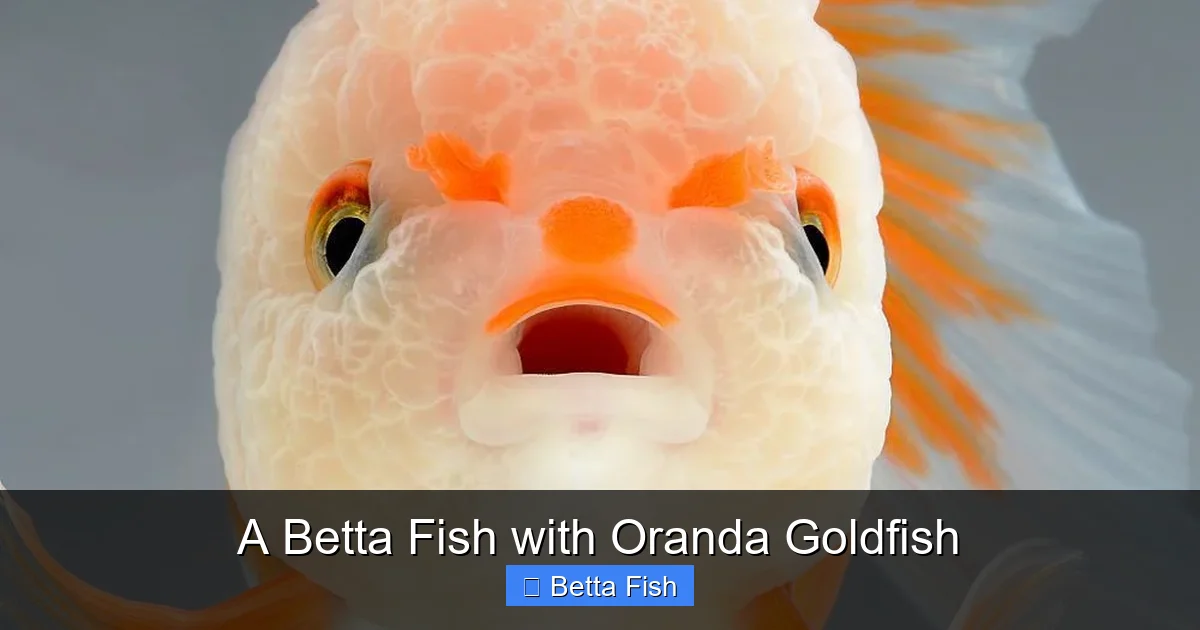
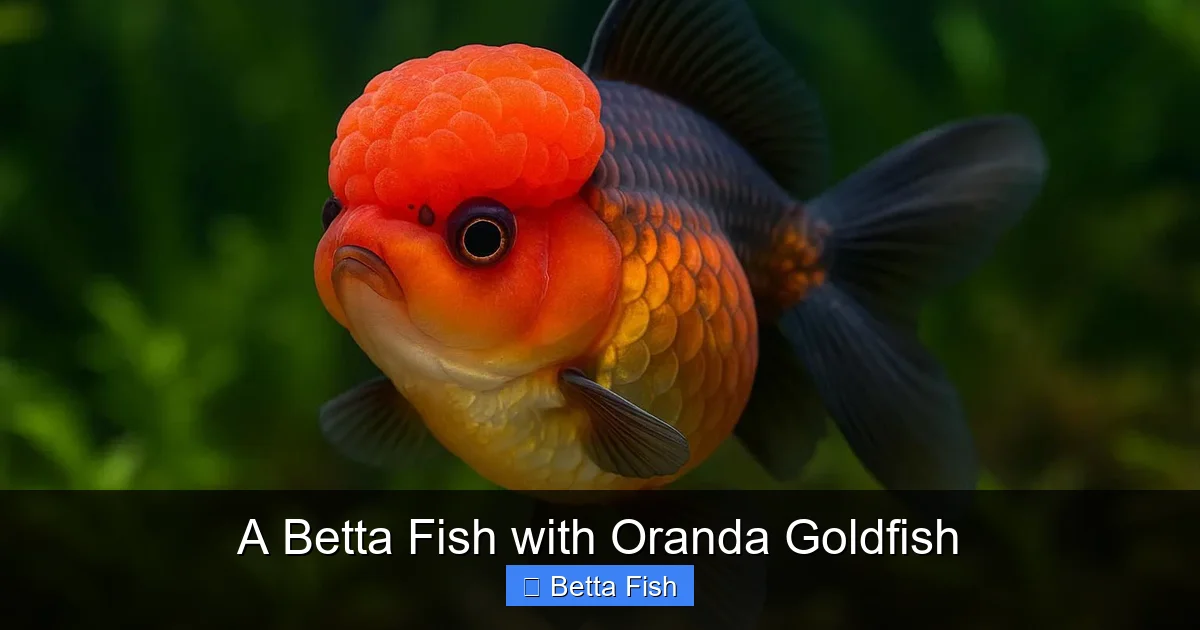
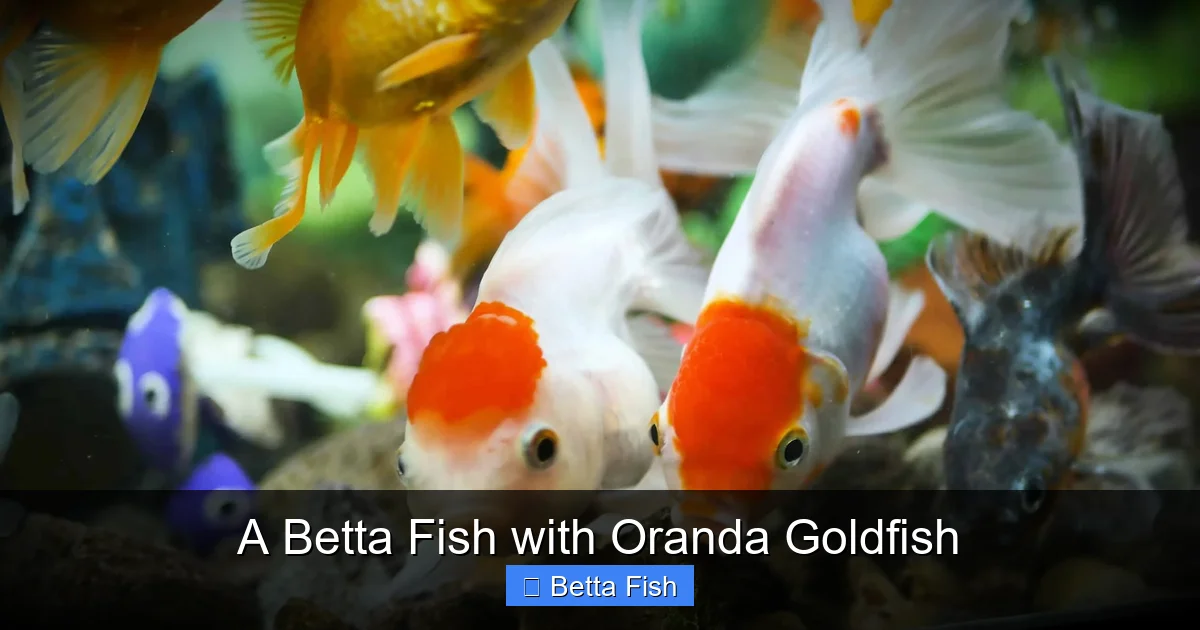
Orandas are a fancy goldfish breed known for their rounded head growth (the “wen”) and bright coloration. They are cold‑water fish that do best at 65‑75 °F (18‑24 °C). Goldfish produce a lot of ammonia, so strong filtration is a must. Their diet is omnivorous: high‑quality flakes, pellets, and vegetable matter such as peas or blanched spinach.
Key Differences That Influence Compatibility
- Temperature: Betta needs warm water; goldfish prefer cooler water.
- Size: An adult Oranda can reach 10‑12 inches, dwarfing a 2‑inch betta.
- Activity level: Betta are surface‑dwellers; Orandas swim mid‑to‑bottom.
- Waste output: Goldfish generate far more ammonia, demanding robust filtration.
Setting Up a Shared Habitat
Choosing the Right Tank
A 20‑gallon long tank is the absolute minimum if you insist on keeping both species together. Larger is always better—30‑gallon or more gives each fish its own territory and allows the Oranda to grow without feeling cramped.
Visual guide about A Betta Fish with Oranda Goldfish
Image source: cdn.creatures.com
Filtration and Water Quality
Because goldfish are heavy waste producers, a canister or power filter rated for at least twice the tank volume is recommended. Aim for a water flow that is moderate; too strong a current will stress the betta, while too little will leave the goldfish’s waste unchecked.
Heating and Temperature Control
Set the heater to 78 °F (25‑26 °C). This temperature is a compromise—slightly warm for the goldfish but well within the betta’s comfort zone. Keep a reliable thermometer and a backup heater in case of power loss.
Substrate, Plants, and Hiding Spots
Use fine sand or smooth gravel (no sharp edges). Live plants such as Java fern, Anubias, and floating “duckweed” provide cover for the betta and help absorb excess nutrients from goldfish waste. Add smooth rocks, ceramic caves, and driftwood to create separate zones.
Lighting
Provide 8‑10 hours of gentle LED lighting daily. Too bright a light can stress the betta, while goldfish enjoy a bit more illumination for plant growth.
Behavioural Compatibility
Territorial Tendencies
Male bettas are known for flaring their fins and gill covers when they feel threatened. An Oranda’s large, flowing fins can be mistaken for a rival, prompting aggression. To reduce risk, place the goldfish’s “wen” side away from the betta’s line of sight and use dense planting to break visual contact.
Visual guide about A Betta Fish with Oranda Goldfish
Image source: a-z-animals.com
Introducing the Fish
Never place the betta directly into a tank already occupied by the Oranda. Instead, start with a fully cycled, empty tank, add the betta first, let it settle for a week, then slowly introduce the goldfish using a quarantine bag. Observe closely for any chasing or fin‑nipping.
Signs of Stress
- Faded or dulled coloration.
- Frequent hiding or staying at the bottom.
- Frayed or torn fins (especially on the betta).
- Rapid gill movement or gasping at the surface.
If any of these appear, be prepared to separate the fish immediately. A temporary divider or a second tank can save both lives.
Feeding Both Species Together
Dietary Differences
Betta fish require protein‑rich pellets or frozen foods, while goldfish need carbohydrate‑heavy flakes and vegetable matter. Feeding the betta’s pellets in a corner where the goldfish can’t easily reach them prevents over‑eating and water fouling.
Practical Feeding Routine
- Feed the betta 2‑3 small pellet meals twice a day, sinking them near the surface.
- After 5‑10 minutes, add a pinch of goldfish flakes or a small portion of blanched peas for the Oranda.
- Remove any uneaten betta pellets after 5 minutes to keep water quality high.
Can a Betta Eat Goldfish Food?
Yes, a betta can nibble on goldfish flakes, but they lack the necessary protein and may become malnourished. For more details, see our guide on Can A Betta Fish Eat Goldfish Food.
Health Management and Common Issues
Diseases to Watch For
Both species are prone to ich, fin rot, and bacterial infections. Because goldfish produce more waste, ammonia spikes are a real danger. Test water weekly for ammonia, nitrite, and nitrate, and perform 25‑30% water changes every 2‑3 days during the first month.
Quarantine Procedures
Always quarantine new goldfish for at least two weeks before adding them to a mixed tank. This helps catch parasites that could harm the betta.
When to Separate
If aggression escalates, or if water parameters drift outside the safe range (ammonia >0 ppm, nitrite >0 ppm, temperature <75 °F), it’s best to move one fish to a dedicated tank. A separate “hospital” tank can be used for treatment.
Alternatives to a Mixed Tank
Separate Species‑Specific Tanks
Many hobbyists find it easier to keep bettas and goldfish in individual tanks that meet each species’ ideal conditions. This eliminates compatibility worries and allows you to tailor décor and diet perfectly.
Community Tanks with Safer Tankmates
If you love the idea of a community aquarium, consider pairing a betta with peaceful, small, non‑fin‑nipping fish like neon tetras or rasboras, and keep goldfish in a separate, well‑filtered cooler tank. Our article What Fish Is Compatible With A Betta Fish offers a full list of safe companions.
Conclusion: Is It Worth the Effort?
Housing a betta fish with an Oranda goldfish can create a striking visual display, but it demands a larger tank, precise temperature control, excellent filtration, and vigilant monitoring. If you’re ready to invest time and resources, the payoff can be a vibrant, conversation‑starting aquarium. However, if space, budget, or experience are limited, keeping each species in its own optimal environment is the safer, more rewarding choice.
Remember, the health and happiness of your fish always come first. Use the tips above, stay observant, and don’t hesitate to separate the pair at the first sign of trouble. Happy fishkeeping!
Frequently Asked Questions
Can a betta fish live with an Oranda goldfish?
Yes, but only in a large (20‑gallon+) tank with excellent filtration, stable warm temperature, and plenty of hiding places. Close monitoring is essential.
What temperature works for both betta and Oranda?
Set the heater to around 78 °F (25‑26 °C). This is warm enough for the betta and tolerable for the goldfish, though goldfish prefer slightly cooler water.
How often should I feed a betta and an Oranda together?
Feed the betta 2‑3 small pellets twice daily, then give the Oranda a pinch of flakes or vegetables after a short wait. Remove any uneaten betta food quickly.
Will the betta attack the Oranda’s fins?
Male bettas may flare at the goldfish’s flowing fins. Providing dense plants and visual barriers can reduce aggression, but any sign of fin‑nipping should lead to immediate separation.
Do I need a special filter for this combo?
Yes. Choose a canister or power filter rated for at least twice the tank volume to handle the goldfish’s high waste output while keeping water flow gentle for the betta.
Where can I learn more about goldfish‑betta compatibility?
Our detailed guide Can You Keep Goldfish With Betta Fish covers all the basics and helps you decide if the pairing is right for you.


