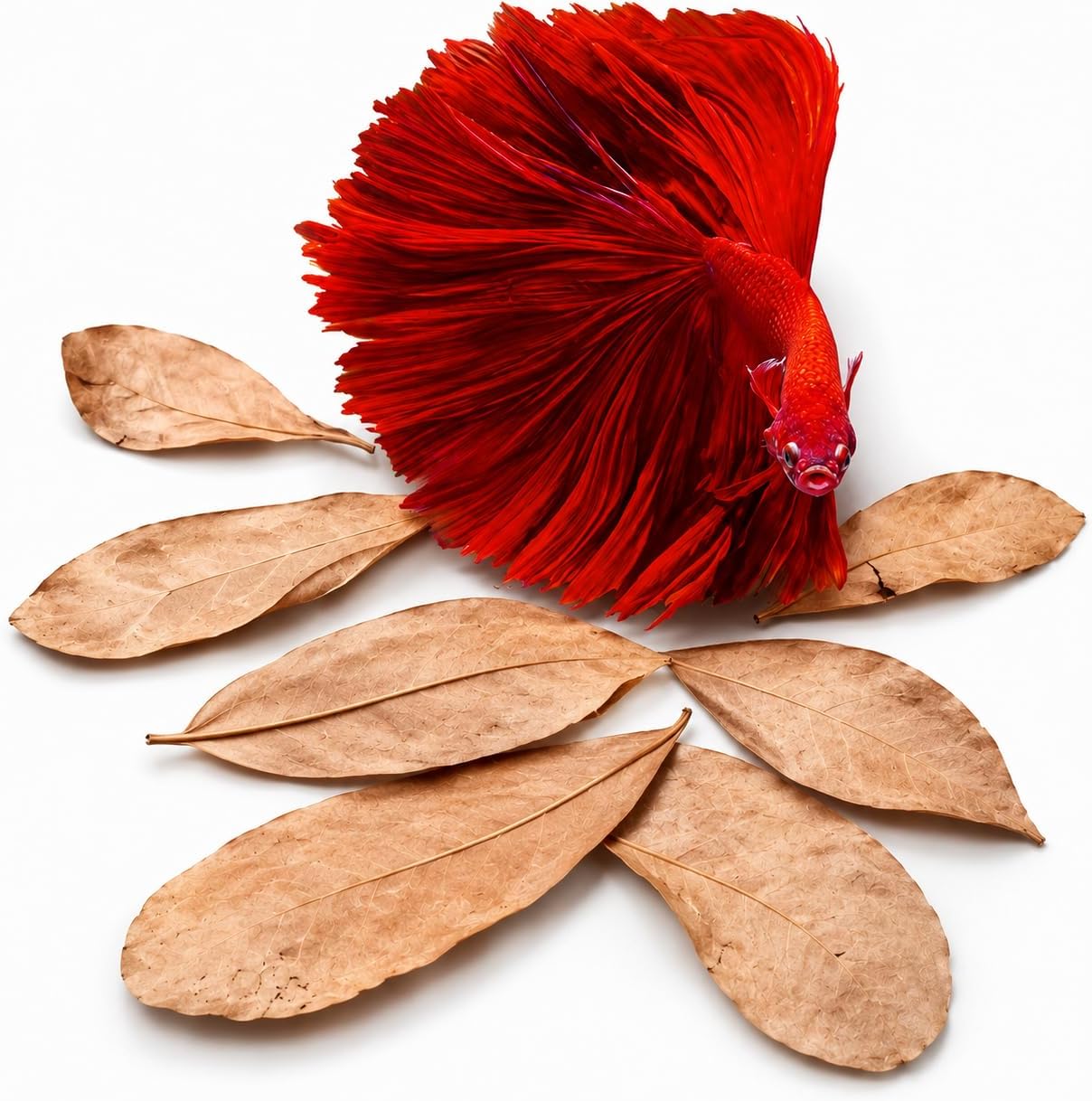
A betta fish tank on the wall turns a simple aquarium into a living piece of art. With the right tank, mounting system, and care routine, you can showcase your betta’s colors while saving floor space and adding a focal point to any room.
Key Takeaways
- Space‑saving design: Wall‑mounted tanks free up floor area and become instant décor.
- Tank size matters: Even a wall‑mounted tank should be at least 2.5 gallons for a healthy betta.
- Secure mounting: Use sturdy brackets or a purpose‑built wall aquarium kit to prevent accidents.
- Water quality is king: Regular water changes and a gentle filter keep the environment stable.
- Decorate wisely: Live plants, smooth ornaments, and proper lighting enhance both fish health and visual appeal.
- Safety first: Cover the tank and monitor temperature to avoid jumps and stress.
- Easy maintenance: Simple tools and a routine make cleaning a wall‑mounted betta tank hassle‑free.
📑 Table of Contents
- Why Put a Betta Fish Tank on the Wall?
- Choosing the Right Tank for a Wall Installation
- Mounting Your Betta Fish Tank on the Wall
- Setting Up the Inside: Water, Filtration, and Heating
- Decorating Your Wall‑Mounted Betta Tank
- Maintaining a Healthy Betta in a Wall‑Mounted Tank
- Safety Tips: Preventing Jumps and Accidents
- Cost Overview and Budgeting
- Conclusion
Why Put a Betta Fish Tank on the Wall?
Living rooms, bedrooms, and even kitchens can feel a little bland without a splash of color. A betta fish tank on the wall does more than just add visual interest—it creates a dynamic focal point that changes with the fish’s movements. Because bettas are small, they fit nicely into compact, wall‑mounted setups without sacrificing the elegance of a larger aquarium.
Beyond aesthetics, a wall‑mounted betta tank saves floor space. This is especially handy in apartments or studios where every square foot counts. When installed correctly, the tank becomes a “living picture frame,” drawing eyes and conversation alike.
Choosing the Right Tank for a Wall Installation
Size and Shape
The first step is picking a tank that’s both visually appealing and suitable for a betta’s health. While a 1‑gallon bowl might seem cute, it often leads to poor water quality and stunted growth. Aim for at least a 2.5‑gallon (≈ 10‑liter) tank; many hobbyists prefer 5‑gallon models for extra stability.

Visual guide about A Betta Fish Tank on the Wall
Image source: i.ytimg.com
Rectangular or square tanks work best on walls because they distribute weight evenly. Some manufacturers even offer “slim” wall‑mount tanks that are only a few inches deep, perfect for narrow spaces.
Material Considerations
Glass is classic, but acrylic is lighter and less likely to crack under a wall’s stress. Acrylic also offers better clarity, which means the betta’s brilliant fins will shine even brighter.
Built‑In Features
Look for tanks that include a built‑in filtration slot, a heater compartment, and a secure lid. A lid is essential because bettas love to jump, especially when startled. For more details on why a lid matters, see our guide on Can You Cover A Betta Fish Tank.
Mounting Your Betta Fish Tank on the Wall
Finding the Right Spot
Choose a wall that can support the tank’s weight when filled (water weighs about 8.34 lb per gallon). Avoid direct sunlight, which can cause algae blooms and temperature spikes. A spot near a power outlet is handy for the heater, filter, and lighting.
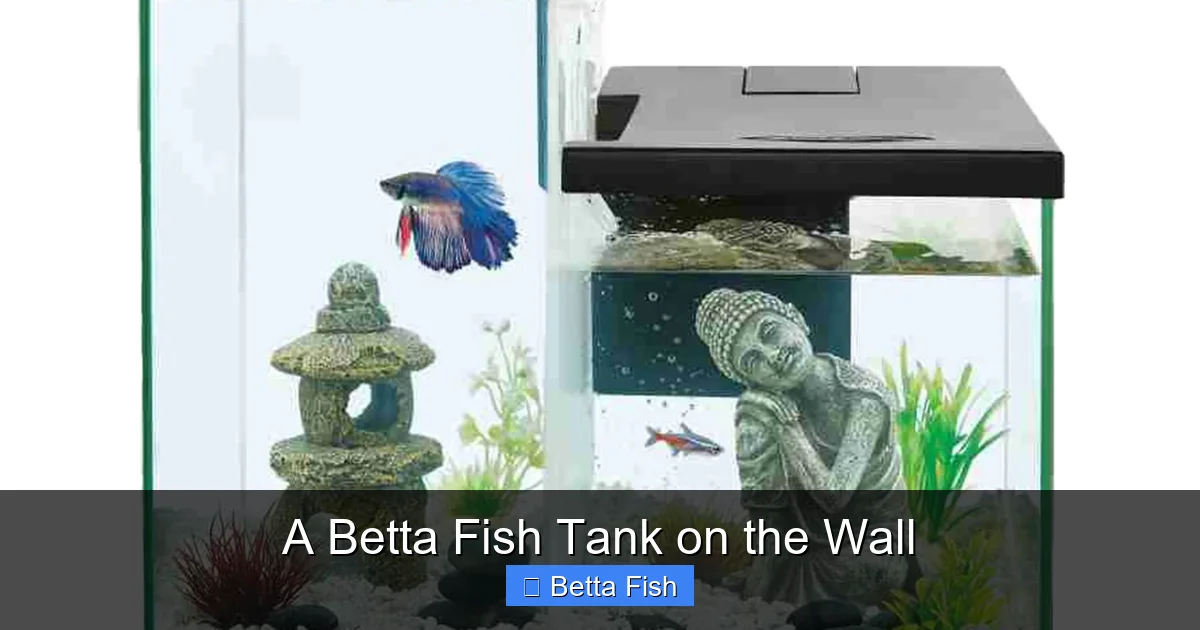
Visual guide about A Betta Fish Tank on the Wall
Image source: i.pinimg.com
Secure Brackets vs. Wall‑Mount Kits
There are two main ways to hang a tank:
- Bracket system: Heavy‑duty metal brackets screwed into studs. This is the most budget‑friendly option.
- All‑in‑one wall‑mount kit: These kits include brackets, a sealing gasket, and sometimes a decorative frame. They’re pricier but simplify installation.
Whichever method you choose, make sure the anchors are rated for at least 150 lb to handle a full 5‑gallon tank plus accessories.
Step‑by‑Step Installation
- Mark stud locations and drill pilot holes.
- Attach brackets securely with lag bolts.
- Place a silicone seal on the back of the tank.
- Gently lower the tank onto the brackets, pressing the seal to create a watertight bond.
- Let the silicone cure for 24 hours before adding water.
During installation, have a friend help you hold the tank to prevent stress on the glass or acrylic.
Setting Up the Inside: Water, Filtration, and Heating
Water Quality Basics
Betta fish are sensitive to ammonia, nitrite, and sudden temperature changes. Start with a water conditioner that removes chlorine and chloramines. For a deeper dive on water changes, check out How To Change The Water In A Betta Fish Tank.
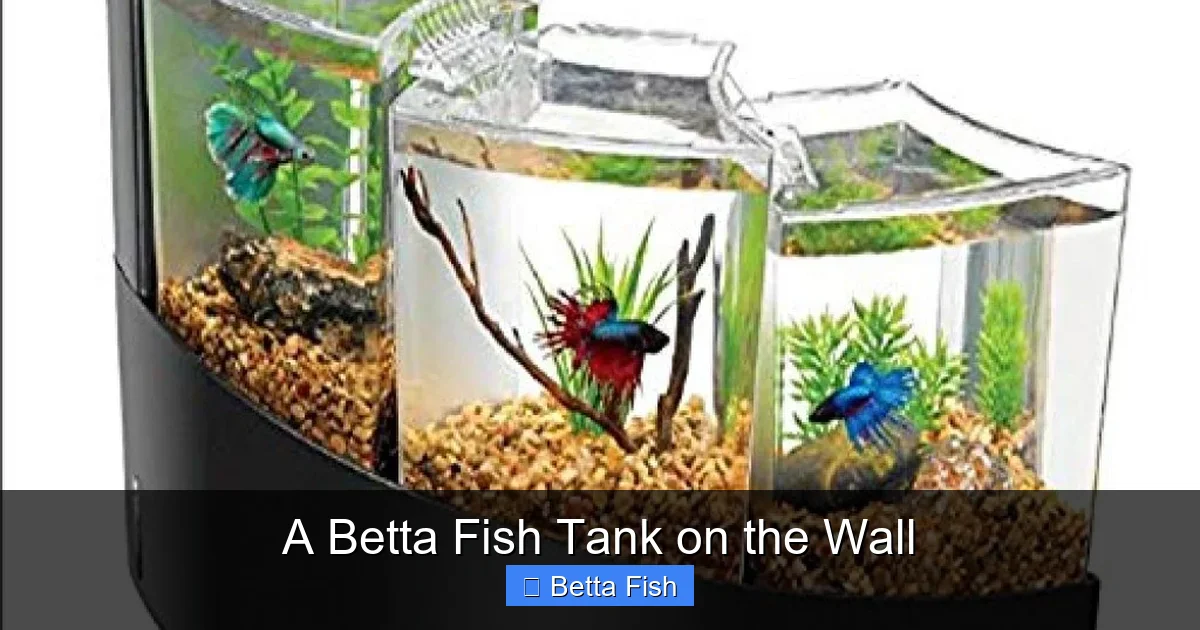
Visual guide about A Betta Fish Tank on the Wall
Image source: yinzbuy.com
Choosing a Filter
Because the tank is small, a gentle sponge filter or a low‑flow hang‑on‑back (HOB) filter works best. Too strong a current can stress the betta, whose fins are built for slow‑moving water.
Heating Essentials
Betta fish thrive at 78‑80°F (25‑27°C). Use an adjustable submersible heater with a thermostat and a thermometer to keep the temperature steady. Avoid placing the heater near the wall, as heat can transfer to the mounting brackets.
Decorating Your Wall‑Mounted Betta Tank
Live Plants vs. Silk Plants
Live plants like Java fern and Anubias provide natural hiding spots and help absorb nitrates. If you prefer low‑maintenance décor, silk plants are safe—just ensure they have no sharp edges that could tear the betta’s delicate fins.
Ornaments and Hiding Places
Betas love places to explore. Smooth rocks, driftwood, and small caves give them enrichment. Avoid sharp décor; always rinse any new item in dechlorinated water before placing it in the tank.
Lighting for Color and Health
LED strip lights that attach to the back of the tank create a dramatic “halo” effect. Set a timer for 10‑12 hours of light per day to mimic a natural day/night cycle. Proper lighting also helps showcase the betta’s iridescent colors.
Maintaining a Healthy Betta in a Wall‑Mounted Tank
Routine Water Changes
Even with a filter, a 25‑30% water change weekly keeps nitrate levels low. Use a siphon to remove debris from the substrate, then replace with conditioned water at the same temperature.
Cleaning the Glass and Decorations
Wipe the inside of the glass with an algae pad during each water change. For deeper cleaning, remove ornaments and rinse them in tank water (not tap water) to preserve beneficial bacteria.
Monitoring Health
Watch for signs of stress: faded colors, ragged fins, or erratic swimming. If you notice problems, consult a guide on How To Cure Fin Rot On A Betta Fish for early treatment steps.
Safety Tips: Preventing Jumps and Accidents
Why Betta Fish Jump
Betas may leap if they’re startled, the water temperature spikes, or the tank is too crowded. A secure lid with a small opening for the filter prevents escapes. Learn more about jump risks at Will A Betta Fish Jump Out Of The Tank.
Secure Electrical Connections
All cords should be routed away from the wall’s edge and secured with cable clips. Use a surge protector to guard against power spikes that could damage the heater or filter.
Cost Overview and Budgeting
Here’s a quick breakdown of typical expenses for a wall‑mounted betta setup:
- Tank (5 gal acrylic): $50‑$80
- Mounting kit (brackets, silicone): $30‑$50
- Filter (sponge or low‑flow HOB): $15‑$30
- Heater: $15‑$25
- Lighting (LED strip): $20‑$35
- Plants and décor: $20‑$40
- Water conditioner and testing kit: $10‑$20
Overall, you can expect to spend $160‑$280 for a high‑quality, wall‑mounted betta fish tank on the wall.
Conclusion
Installing a betta fish tank on the wall is a rewarding project that blends art, engineering, and pet care. By choosing the right tank size, securing it properly, and maintaining clean, stable water, you’ll give your betta a vibrant home that also elevates your interior design. Remember to keep the tank covered, monitor temperature, and perform weekly water changes. With these steps, your wall‑mounted betta tank will be a thriving centerpiece for years to come.
Frequently Asked Questions
Can I use a regular fish tank for a wall‑mounted betta?
Yes, as long as the tank is at least 2.5 gallons, has a secure lid, and can be safely mounted with brackets or a wall‑mount kit.
How often should I change the water in a wall‑mounted betta tank?
Replace 25‑30% of the water each week. This helps keep ammonia and nitrate levels low and maintains clear water.
Do I need a heater for a wall‑mounted betta tank?
Absolutely. Betta fish thrive at 78‑80°F (25‑27°C). A small submersible heater with a thermostat will keep the temperature stable.
What kind of lighting works best for a wall‑mounted tank?
LED strip lights that attach to the back of the tank provide a vibrant glow without generating excess heat. Aim for 10‑12 hours of light per day.
Can I keep live plants in a small wall‑mounted tank?
Yes. Hardy plants like Java fern, Anubias, and Marimo moss do well in low‑flow environments and help improve water quality.
Is a filter necessary for a small betta tank?
A gentle filter, such as a sponge filter or low‑flow HOB, is recommended to maintain water clarity and biological balance without stressing the betta.