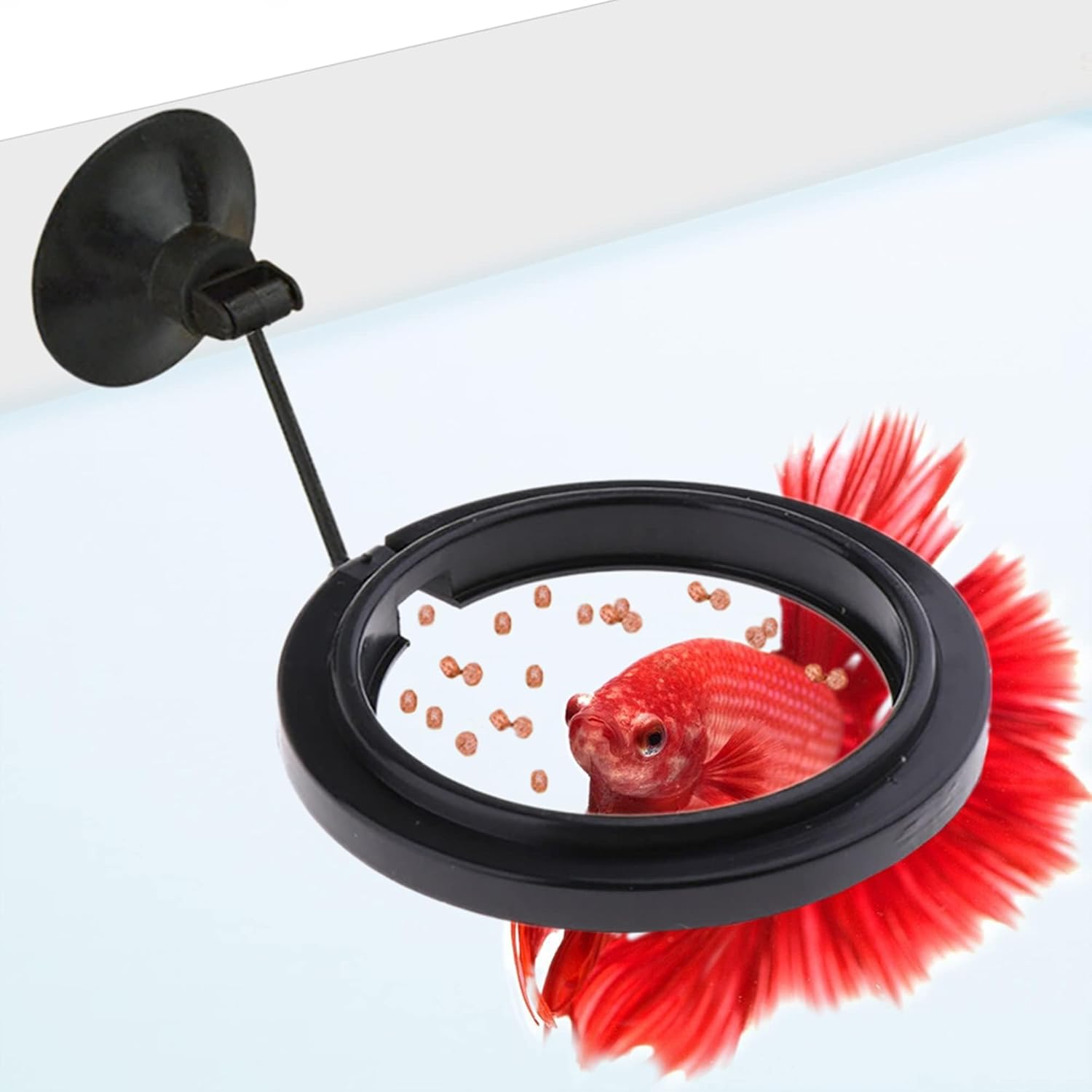
Choosing the right water is the single most important step in betta care. Use conditioned tap water at 76‑82°F, keep the pH between 6.5‑7.5, and avoid harsh chemicals. Follow these easy guidelines and your betta will thrive for years.
Key Takeaways
- Conditioned tap water works best: It provides essential minerals and is easy to treat.
- Maintain proper temperature: Keep water between 76‑82°F for optimal metabolism.
- Watch pH and hardness: Aim for a neutral‑slight‑acidic pH (6.5‑7.5) and moderate hardness.
- Avoid bottled or distilled water alone: They lack minerals and can stress your betta.
- Regular water changes are crucial: Replace 25‑30% weekly to keep ammonia low.
- Use a reliable water conditioner: It removes chlorine, chloramine, and heavy metals.
- Test water frequently: Simple kits help you spot problems before they hurt your fish.
📑 Table of Contents
- Introduction: Why Water Choice Matters
- 1. Tap Water: The Most Common Starting Point
- 2. Bottled, Distilled, or RO Water: When and Why to Use Them
- 3. Temperature: The Heat Factor
- 4. pH and Water Hardness: The Chemistry Basics
- 5. Setting Up the Perfect Betta Tank
- 6. Common Mistakes and How to Avoid Them
- Conclusion: Your Betta Deserves the Best Water
Introduction: Why Water Choice Matters
When you first bring home a betta fish, the tank setup feels exciting—bright plants, a cozy hideout, and that dazzling tail fluttering in the light. But before the first splash, there’s a hidden hero that decides whether your betta will flourish or flounder: the water.
Betta fish are native to shallow, warm waters of Southeast Asia, where the water is soft, slightly acidic, and full of natural minerals. Replicating those conditions at home isn’t as hard as it sounds, but it does require a little know‑how. In this guide we’ll answer the question what water to use for a betta fish and walk you through preparation, testing, and maintenance so your finned friend stays healthy and vibrant.
1. Tap Water: The Most Common Starting Point
Is Tap Water Safe?
In most cities, tap water is treated with chlorine or chloramine to keep it safe for humans. While those chemicals are harmless to us, they are toxic to fish. The good news? A quality water conditioner can neutralize both instantly.
Visual guide about What Water to Use for a Betta Fish
Image source: upload.wikimedia.org
How to Condition Tap Water
1. Fill a clean bucket with the desired amount of tap water.
2. Add the recommended dose of a water conditioner (usually a few drops per gallon).
3. Stir gently and let it sit for a minute.
Now the water is safe for a betta. For a deeper dive on conditioning, check out How To Condition Tap Water For Betta Fish.
Testing Tap Water
Even after dechlorination, tap water can have high hardness or an unsuitable pH. Use a liquid test kit to check:
- pH: Aim for 6.5‑7.5.
- GH (General Hardness): 3‑8 dGH is ideal.
- KH (Carbonate Hardness): 3‑5 dKH helps maintain stable pH.
If the numbers are far off, you can adjust them with safe aquarium additives or by mixing in a small amount of reverse osmosis (RO) water (see section 3).
2. Bottled, Distilled, or RO Water: When and Why to Use Them
Bottled Water – A Common Mistake
Many beginners reach for bottled spring water, thinking it’s “pure.” Unfortunately, bottled water often lacks the trace minerals bettas need, and some brands contain added fluoride or chlorine. Using it alone can lead to poor growth and dull colors.

Visual guide about What Water to Use for a Betta Fish
Image source: publicdomainpictures.net
Distilled Water – Too Pure for Betta Fish
Distilled water is essentially pure H₂O. It’s great for plants that need soft water, but for bettas it’s like feeding a child only water—no nutrients, no electrolytes. If you must use distilled water, always blend it with conditioned tap water to reach a safe hardness level.
Reverse Osmosis (RO) Water – The Flexible Option
RO water removes virtually all minerals, giving you a blank canvas. Mix it with conditioned tap water (e.g., 30% RO + 70% tap) to fine‑tune hardness and pH. This method is especially helpful if your tap water is extremely hard or acidic.
Read more about mixing water types in What Type Of Water Do You Use For Betta Fish.
3. Temperature: The Heat Factor
Ideal Temperature Range
Betta fish are tropical; they thrive at 76‑82°F (24‑28°C). Temperatures below 74°F can slow metabolism and weaken the immune system, while anything above 84°F may cause stress.

Visual guide about What Water to Use for a Betta Fish
Image source: publicdomainpictures.net
How to Keep Water Warm
- Heater: Use a submersible aquarium heater with an adjustable thermostat.
- Thermometer: Spot‑on or digital thermometers give accurate readings.
- Insulation: Place the tank on a stable surface away from drafts and direct sunlight.
For a deeper look at temperature, see What Temperature Should Water Be For A Betta Fish.
4. pH and Water Hardness: The Chemistry Basics
Understanding pH
pH measures how acidic or alkaline water is. Betta fish prefer a slightly acidic to neutral range (6.5‑7.5). If your tap water is above 8.0, you can lower the pH with peat moss or commercial pH‑down solutions.
Hardness (GH and KH)
Soft water (low GH) mimics the betta’s natural habitat. Aim for 3‑8 dGH. If your water is too hard, add RO water to dilute, or use a commercial softening agent.
Regular Testing
Test the water weekly for the first month, then bi‑weekly once stable. Simple test strips work, but liquid kits are more accurate.
5. Setting Up the Perfect Betta Tank
Choosing the Right Container
A 5‑gal (19‑liter) tank is the sweet spot. It provides enough water volume to dilute toxins and maintain stable parameters. Smaller bowls are tempting but make water chemistry swing dramatically.
Essential Equipment
- Filter: A gentle sponge filter keeps water clean without creating strong currents.
- Heater: As mentioned above, maintain 76‑82°F.
- Plants & Hides: Live or silk plants give your betta places to explore.
- Water Conditioner: Always have a bottle on hand.
Need a step‑by‑step tank setup? Visit How To Set Up A Tank For A Betta Fish.
Water Change Routine
Regular water changes keep ammonia and nitrite at zero. Replace 25‑30% of the water weekly. Use a siphon to remove debris, then add freshly conditioned water that matches the tank’s temperature.
For a detailed water‑change guide, see How To Do A Water Change For Betta Fish.
6. Common Mistakes and How to Avoid Them
Using Untreated Tap Water
Skipping the conditioner can cause chlorine burn, leading to ragged fins and respiratory distress.
Over‑Conditioning
Adding too much conditioner can raise pH and hardness unexpectedly. Follow the manufacturer’s dosage.
Temperature Fluctuations
Rapid changes (more than 2°F in a day) stress bettas. Use a reliable heater and avoid moving the tank near windows.
Neglecting Water Testing
Even clear water can hide dangerous ammonia spikes. Test frequently, especially after a new fish or a major water change.
Conclusion: Your Betta Deserves the Best Water
Answering the question what water to use for a betta fish isn’t a one‑size‑fits‑all formula, but the guidelines above give you a solid foundation. Start with conditioned tap water, adjust temperature, pH, and hardness as needed, and keep a disciplined water‑change schedule. By paying attention to these simple details, you’ll enjoy a healthy, colorful betta that lives a long, vibrant life.
Frequently Asked Questions
What type of water is safest for betta fish?
Conditioned tap water is safest because it contains essential minerals and can be easily dechlorinated with a water conditioner.
Can I use bottled spring water for my betta?
It’s not recommended. Bottled water often lacks the minerals bettas need and may contain additives that can harm them.
How often should I change the water in a betta tank?
Replace 25‑30% of the water each week. This keeps ammonia low and maintains stable water chemistry.
Do bettas need a heater?
Yes. Keep the water temperature between 76‑82°F (24‑28°C) to support their metabolism and immune system.
Is distilled water okay for bettas?
Distilled water alone is too pure and can stress bettas. If you use it, blend it with conditioned tap water to provide necessary minerals.
How can I test the pH and hardness of my betta’s water?
Use a liquid test kit or reliable test strips. Test weekly at first, then every two weeks once the tank is stable.