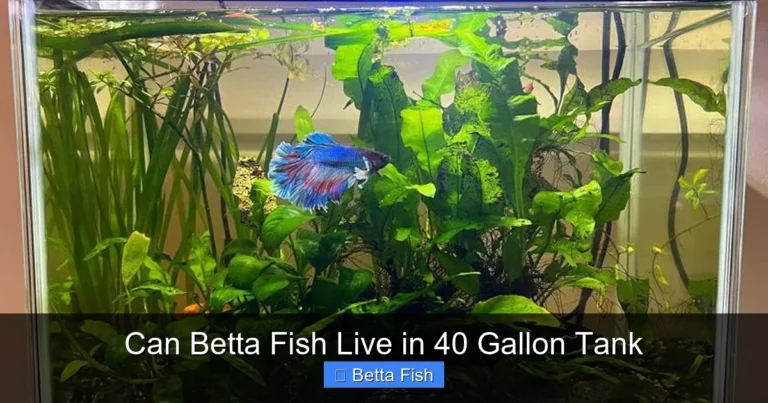
What Temperature Do Betta Fish Like Celsius
Betta fish thrive in warm water, typically between 24‑28 °C (75‑82 °F). Keeping the temperature steady within this range supports their vibrant colors, active behavior, and overall health. Use a reliable heater and monitor regularly to avoid stress and disease.
Key Takeaways
- Optimal range: Betta fish prefer 24‑28 °C (75‑82 °F) for best health.
- Stability matters: Sudden swings of more than 2 °C can cause stress.
- Heater choice: A submersible, adjustable heater with a built‑in thermostat is ideal.
- Monitoring tools: Use a digital aquarium thermometer and check daily.
- Seasonal adjustments: Room temperature changes may require heater tweaks.
- Tank size influence: Smaller tanks lose heat faster; larger tanks stay more stable.
- Signs of wrong temperature: Lethargy, loss of color, or rapid breathing indicate problems.
📑 Table of Contents
- Introduction: Why Temperature Is the Heartbeat of a Betta’s World
- 1. The Science Behind the Preferred Celsius Range
- 2. Setting Up the Perfect Celsius Environment
- 3. Monitoring and Adjusting Temperature Over Time
- 4. Signs Your Betta Is Uncomfortable With the Current Celsius Level
- 5. Frequently Overlooked Factors That Influence Celsius Stability
- Conclusion: Keep the Celsius Cozy and Watch Your Betta Thrive
Introduction: Why Temperature Is the Heartbeat of a Betta’s World
Imagine trying to run a marathon in icy water—your muscles would shut down, right? Betta fish feel the same way when their water gets too cold or too hot. These colorful little fighters come from the warm tropical streams of Southeast Asia, so they are hard‑wired to love a snug, toasty environment.
In this guide we’ll answer the big question: what temperature do Betta fish like celsius? We’ll break down the perfect range, how to keep it steady, and what to watch for if things go off‑track. By the end you’ll feel confident setting up a temperature‑friendly home that lets your Betta show off its full rainbow.
1. The Science Behind the Preferred Celsius Range
Natural habitat clues
Betta fish (Betta splendens) originate from shallow rice paddies, slow‑moving streams, and flood‑plain pools in Thailand, Malaysia, and Indonesia. Water in these habitats stays warm year‑round, usually hovering between 24 °C and 28 °C. The temperature never drops much below 22 °C, even during the cooler months.

Visual guide about What Temperature Do Betta Fish Like Celsius
Image source: static2.bigstockphoto.com
Metabolic magic
Being ectothermic, a Betta’s body temperature matches the water. At 24‑28 °C their enzymes work efficiently, digestion is smooth, and the immune system is robust. Below 22 °C metabolism slows, making fish sluggish and more prone to disease. Above 30 °C the oxygen level in water drops, and stress hormones spike.
Link to related reading
For a deeper dive into the exact numbers, see our article on what temperature do Betta fish need.
2. Setting Up the Perfect Celsius Environment
Choosing the right heater
Invest in a submersible heater with an adjustable thermostat. Look for a model that can warm a 5‑gallon tank by at least 2 °C without overshooting. Many hobbyists recommend a 25‑watt heater for a 5‑gallon tank; scale up proportionally for larger setups.
Visual guide about What Temperature Do Betta Fish Like Celsius
Image source: image.shutterstock.com
Thermometer placement
Place a digital aquarium thermometer on the opposite side of the heater. This gives a true reading of the water body, not just the spot right next to the heater. Check it at least twice a day for the first week.
Tank size and heat retention
Smaller tanks (<2 gallons) lose heat quickly, causing temperature spikes when the heater turns on. A 5‑gallon tank offers a good balance: it’s easy to maintain and keeps temperature stable. Larger tanks (>10 gallon) are even more forgiving but require a bigger heater.
Practical tip
Wrap the heater with a silicone mat to prevent direct contact with the tank glass. This reduces the risk of cracking due to heat concentration.
3. Monitoring and Adjusting Temperature Over Time
Daily checks
Write a simple log: date, time, temperature reading, and any observed fish behavior. Over a month you’ll spot trends and know when to tweak the thermostat.
Visual guide about What Temperature Do Betta Fish Like Celsius
Image source: mhrainspectorate.blog.gov.uk
Seasonal changes
In winter, room temperature may dip to 18 °C, pulling the tank down. Raise the heater setting by 1‑2 °C and verify with the thermometer. In summer, air conditioning can over‑cool the water—lower the heater accordingly.
Power outage plan
Keep a battery‑back‑up or a small insulated container with warm water ready. If the power goes out for more than an hour, gently transfer the Betta to the warm container to avoid a sudden drop.
Link to related reading
Need more specifics on exact numbers? Check out what temperature should water be for a Betta fish.
4. Signs Your Betta Is Uncomfortable With the Current Celsius Level
Behavioral clues
- Lethargy: Swimming slowly or staying at the bottom often means it’s too cold.
- Rapid breathing: Gasping at the surface can signal high temperature or low oxygen.
- Color fading: Bright reds and blues dull when stress hits, especially in colder water.
Physical symptoms
Look for white spots, fin rot, or fungal growth—these thrive when temperature is out of range and the immune system is weakened.
Quick fix checklist
- Check thermometer accuracy—replace if it’s older than six months.
- Adjust heater by 0.5 °C and re‑measure after 30 minutes.
- Observe for 24 hours; if symptoms persist, consider a water change to refresh oxygen levels.
5. Frequently Overlooked Factors That Influence Celsius Stability
Room lighting
Fluorescent or LED lights add a few degrees to surface water. If you run lights 12 hours a day, the tank may warm up during the day and cool at night. Use a timer to keep the cycle consistent.
Cover and ventilation
A tightly sealed lid traps heat, while a mesh top allows heat loss. Choose a lid that balances evaporation control with temperature stability.
Water changes
Adding cold tap water can shock the system. Always match the temperature of new water to the tank’s current temperature—use a thermometer and let the water sit in a separate container to reach the right Celsius level.
Link to related reading
For a full checklist on tank setup, see what do Betta fish like in their tank.
Conclusion: Keep the Celsius Cozy and Watch Your Betta Thrive
Answering the question what temperature do Betta fish like celsius isn’t just about a number; it’s about creating a stable, stress‑free environment that mimics their natural tropical home. By setting a heater within the 24‑28 °C range, monitoring daily, and watching for behavioral cues, you give your Betta the best chance to flaunt its colors, explore its tank, and live a long, vibrant life.
Remember: consistency beats perfection. A few degrees off for a short time is less harmful than constant swings. With the tips above, you’ll become the temperature‑tutor your Betta deserves.
Frequently Asked Questions
What is the exact Celsius temperature range for a healthy Betta?
Betta fish feel most comfortable between 24 °C and 28 °C (75‑82 °F). Staying within this window supports their metabolism and color.
Can Betta fish survive at 22 °C?
They can survive, but 22 °C is on the low end. You may see slower movement, loss of color, and a higher risk of disease.
Do I need a heater for a 10‑gallon Betta tank?
Yes. Even larger tanks can experience temperature drops, especially in cooler rooms. A small submersible heater keeps the water steady.
How often should I check the water temperature?
Check at least twice daily for the first week, then once a day once the temperature is stable. Log the readings to notice trends.
What are the signs of overheating?
Rapid breathing at the surface, red or inflamed gills, and frantic swimming are common signs of water that’s too warm.
Can I use room temperature water for water changes?
No. Always match the new water’s temperature to the tank’s current temperature (around 24‑28 °C). Using colder water can shock the Betta.