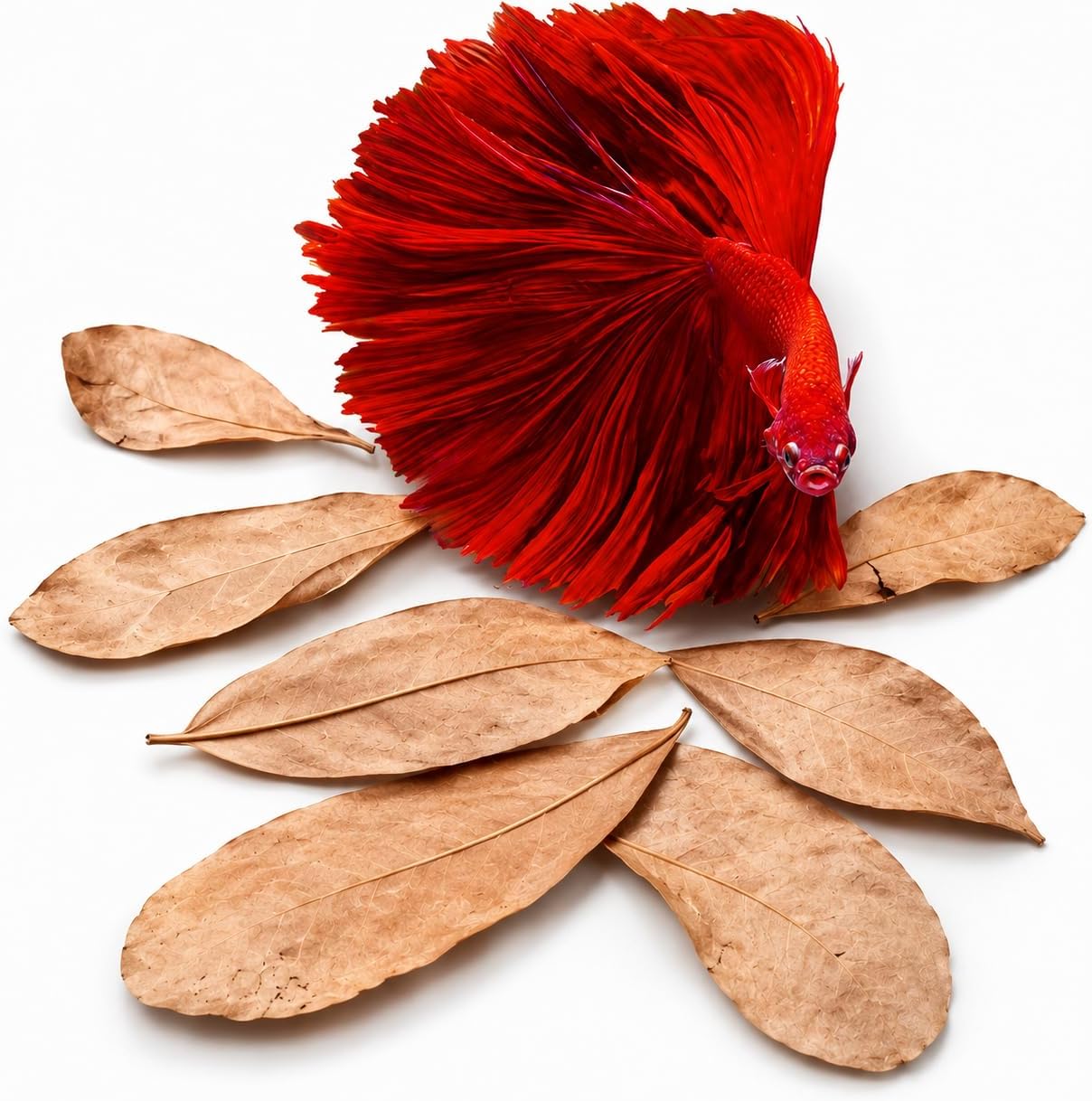
Betta fish thrive in tanks that are at least 5 gallons, not the tiny bowls you might see online. A larger tank provides stable water conditions, space to swim, and a happier, healthier fish. Follow our guide to choose the right size and set it up for success.
Key Takeaways
- Minimum size: Aim for a 5‑gallon tank as the smallest healthy environment.
- Why bigger matters: Larger volumes keep temperature and ammonia levels stable.
- Solo living: Betta fish are territorial; a single fish per tank prevents stress.
- Equipment basics: Heater, filter, and lid are essential for a thriving betta.
- Water quality: Use conditioned, warm, low‑flow water to mimic their natural habitat.
- Decor matters: Provide plants and hiding spots, but avoid overcrowding.
- Maintenance schedule: Regular water changes and filter checks keep the tank pristine.
📑 Table of Contents
Introduction: Why Tank Size Is the First Decision
When you first hear about betta fish, you might picture a tiny glass bowl sitting on a desk. Those images are cute, but they’re far from ideal for the fish’s health. A betta’s natural home is a shallow, slow‑moving part of a rice‑paddy or jungle stream, where the water is warm and there’s plenty of space to glide.
Choosing the right tank size is the single most important step you can take. It affects everything from water stability to the fish’s mood. In this guide we’ll walk through the science, the practicalities, and the little tricks that make a 5‑gallon (or larger) tank the best choice for your betta.
1. The Minimum: How Small Can a Betta Tank Really Be?
Debunking the “2‑gallon bowl” myth
Many beginners think a 2‑gallon bowl is enough because bettas can “breathe” air from the surface. While it’s true they have a labyrinth organ, they still need clean, warm water and room to exercise. A bowl that small heats up quickly, accumulates waste, and offers no place to hide.
Visual guide about What Size Tank to Betta Fish Need
Image source: sizechartwomen.com
Why 5 gallons is the sweet spot
A 5‑gallon tank gives you a water volume that dilutes ammonia and nitrite, keeping spikes from harming the fish. It also allows a gentle flow from a small filter without creating a current that stresses a betta.
Research shows that bettas in tanks of 5 gallons or larger live longer, show more natural coloration, and are less prone to fin rot. If you can afford it, bigger is always better—10 gallons provides even more stability and room for live plants.
2. The Benefits of a Larger Tank
Stable temperature and chemistry
Betta fish love warm water (around 78‑80°F). In a small bowl, the temperature can swing dramatically with room temperature changes. A larger tank with a reliable heater maintains a steady temperature, which reduces stress.
Visual guide about What Size Tank to Betta Fish Need
Image source: swapup.com.au
Better water quality
Ammonia from waste is toxic. In a 5‑gallon tank, a good filter can keep ammonia below harmful levels, and weekly water changes become easier. Larger water also means a more stable pH, which is crucial for betta health.
More room to explore
Betta fish are natural explorers. A spacious tank lets them swim up and down, display their fins, and even perform “bubble nesting” when they’re ready to breed. This enrichment leads to brighter colors and a more active fish.
3. Setting Up the Perfect Betta Habitat
Essential equipment
- Heater: A 50‑watt submersible heater works well for 5‑10 gallons.
- Filter: Choose a low‑flow sponge filter or a hang‑on‑back filter set to “gentle.”
- Lid or cover: Bettas can jump, so a secure lid prevents escapes.
- Lighting: A 10‑hour day/night cycle mimics natural conditions.
Choosing the right water
Use dechlorinated tap water or aged water that has been treated with a water conditioner. The water should be soft to moderately hard (pH 6.5‑7.5). For more details on water choices, read our guide on what water to use for betta fish.
Visual guide about What Size Tank to Betta Fish Need
Image source: goodknitkisses.com
Decor and plants
Live plants like Java fern, Anubias, or Marimo moss create natural hiding spots and improve water quality. If live plants aren’t an option, silk plants work better than plastic because they don’t tear fins. Avoid sharp decorations that can damage delicate betta fins.
4. How to Cycle Your Betta Tank
What is cycling?
Cycling establishes beneficial bacteria that convert toxic ammonia into nitrite and then nitrate. This process usually takes 4‑6 weeks.
Step‑by‑step guide
- Set up the tank with heater, filter, and décor.
- Add a small amount of conditioned water.
- Introduce a source of ammonia (a few fish flakes or pure ammonia).
- Test water daily for ammonia, nitrite, and nitrate.
- When ammonia and nitrite drop to zero and nitrate rises, the cycle is complete.
If you’re short on time, you can buy a pre‑cycled tank or use a bacterial starter product. For a deeper dive into cycling, see how to cycle a betta fish tank.
5. Ongoing Care: Maintenance and Monitoring
Weekly water changes
Change 25‑30% of the water each week. Use a siphon to remove debris from the substrate and wipe the glass with a soft cloth.
Filter cleaning
Rinse the filter media in tank water (not tap water) once a month to preserve beneficial bacteria.
Temperature checks
Use a reliable aquarium thermometer. Adjust the heater if the temperature drifts outside the 78‑80°F range.
Health checks
Look for signs of stress: faded colors, clamped fins, or rapid breathing at the surface. Promptly address any issues by testing water parameters and adjusting care.
6. Frequently Asked Questions About Tank Size
Below are quick answers to the most common concerns new betta owners have.
Frequently Asked Questions
What is the absolute minimum tank size for a betta?
While a 2‑gallon bowl can keep a betta alive short‑term, a 5‑gallon tank is the minimum for long‑term health and happiness.
Can I keep a betta in a tank with other fish?
Because bettas are territorial, it’s safest to keep them alone. If you want tank mates, choose peaceful, non‑fin‑nipping species and ensure the tank is at least 10 gallons.
Do bettas need a heater in a 5‑gallon tank?
Yes. Bettas are tropical fish and need a stable temperature of 78‑80°F. A small submersible heater will keep the water warm and consistent.
How often should I change the water in a betta tank?
Change 25‑30% of the water weekly. This routine removes waste, keeps nitrate low, and maintains water clarity.
Is a filter necessary for a betta tank?
While bettas can survive without a filter, a gentle filter improves water quality and reduces maintenance. Choose a low‑flow sponge or hang‑on‑back filter.
Can I use a plastic or glass bowl for a betta?
Plastic or glass bowls lack filtration and heating, making it hard to maintain stable conditions. A proper aquarium with equipment is far better.