What Ph Level Do Betta Fish Like

Betta fish thrive in slightly acidic to neutral water, typically a pH between 6.5 and 7.5. Maintaining this range prevents stress, boosts color, and promotes long‑term health. Simple testing, regular water changes, and the right substrate keep the pH stable for a happy betta.
Key Takeaways
- Optimal range: Betta fish prefer a pH of 6.5‑7.5 for best health.
- Stability matters: Sudden shifts are more harmful than a slightly off‑range pH.
- Test often: Use liquid or digital testers weekly, or after water changes.
- Adjust safely: Use natural conditioners like driftwood or commercial pH buffers.
- Link with other parameters: Temperature, hardness, and ammonia all interact with pH.
- Tank décor helps: Live plants and suitable substrate can naturally keep pH stable.
- Regular maintenance: Consistent water changes and cleaning prevent pH drift.
📑 Table of Contents
- Introduction: Why pH Is the Hidden Hero of Betta Care
- 1. The Sweet Spot: Ideal pH Range for Betta Fish
- 2. How to Test Your Tank’s pH
- 3. Keeping pH Stable: Tips and Tricks
- 4. How pH Interacts With Other Water Parameters
- 5. Practical Steps to Set Up the Perfect pH Environment
- 6. When Things Go Wrong: Signs of pH‑Related Stress
- Conclusion: A Balanced pH Equals a Happy Betta
Introduction: Why pH Is the Hidden Hero of Betta Care
When you first set up a betta tank, you probably think about temperature, food, and a fancy leaf‑styled hideout. Those are important, but there’s another invisible factor that can make or break your fish’s happiness: the water’s pH.
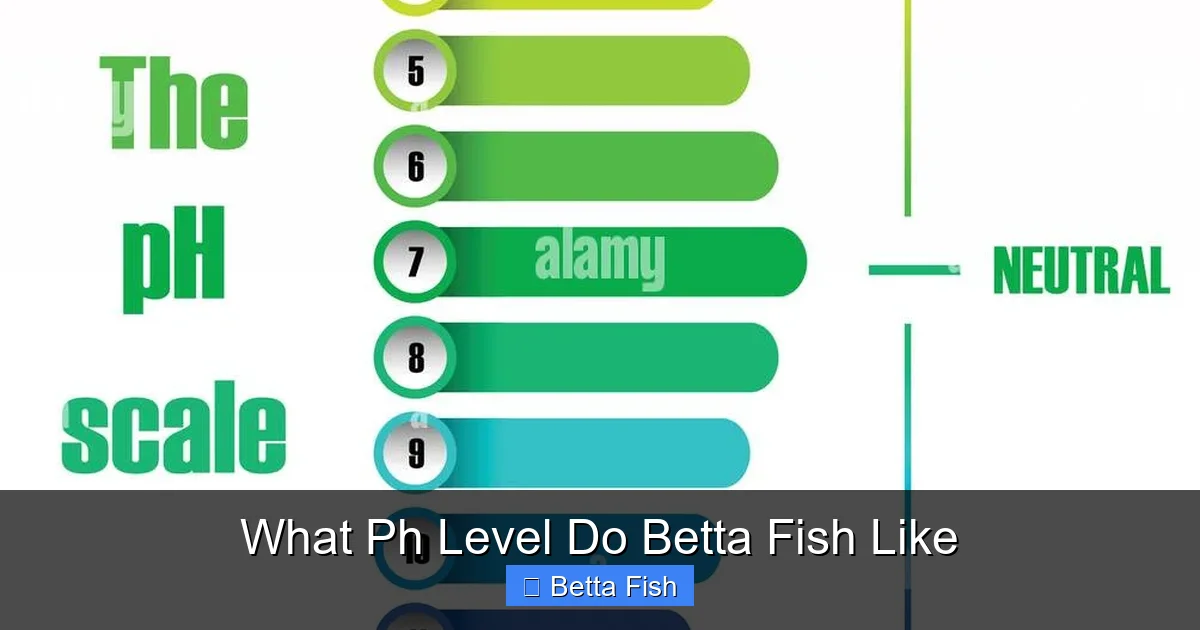
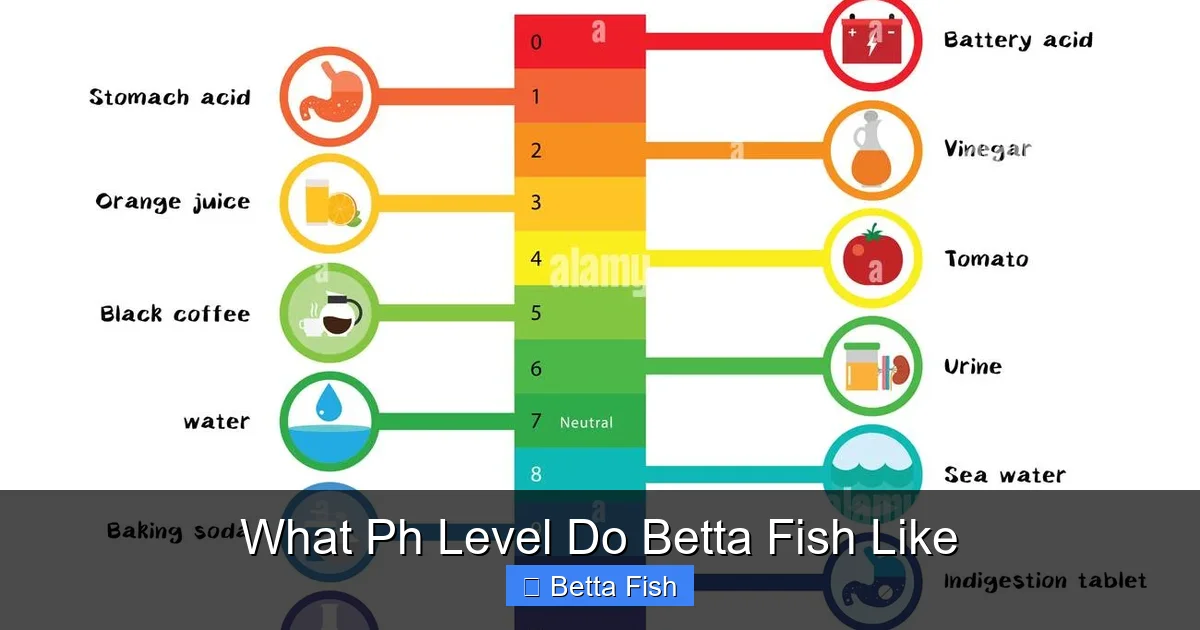
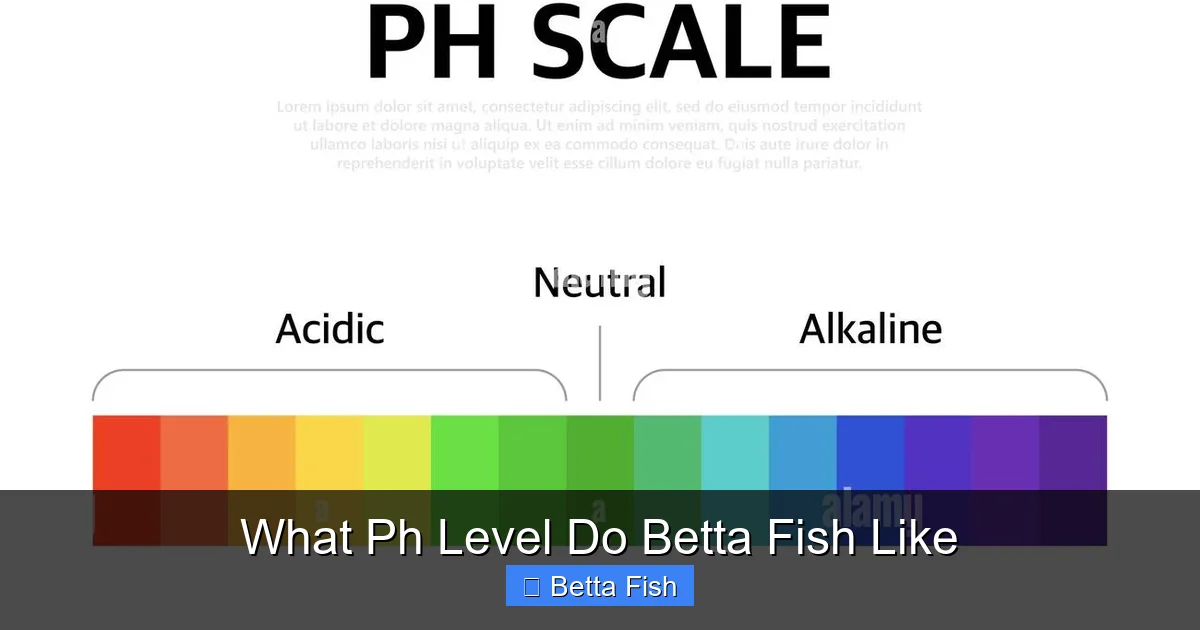
pH measures how acidic or alkaline the water is on a scale from 0 (very acidic) to 14 (very alkaline), with 7 being perfectly neutral. Betta fish are native to the shallow, slow‑moving streams of Southeast Asia, where the water is usually a bit on the acidic side. Replicating that environment at home helps your betta show off its brilliant colors and stay disease‑free.
In this guide we’ll walk through everything you need to know about the perfect pH for bettas, how to test it, how to adjust it safely, and how pH works together with temperature, hardness, and tank décor. By the end you’ll feel confident that the water you’re providing is exactly what your betta loves.
1. The Sweet Spot: Ideal pH Range for Betta Fish
What scientists say
Research on wild Betta splendens shows they thrive in water with a pH between 6.0 and 7.5. Most hobbyists aim for the middle of that window—around 6.5 to 7.0—because it offers a comfortable buffer against small fluctuations.
Visual guide about What Ph Level Do Betta Fish Like
Image source: c8.alamy.com
Why 6.5‑7.5 works best
- Stress reduction: A stable, slightly acidic environment mirrors their natural habitat, keeping cortisol (stress hormone) low.
- Color vibrancy: Proper pH helps pigments develop fully, so you’ll see those electric blues, reds, and purples shine.
- Immune support: Extreme pH can damage gill tissue, making bettas more susceptible to parasites and bacterial infections.
2. How to Test Your Tank’s pH
Choosing a tester
There are three common options:
Visual guide about What Ph Level Do Betta Fish Like
Image source: c8.alamy.com
- Liquid test kits: Affordable, accurate, and great for beginners.
- Test strips: Quick but less precise; good for a rough check.
- Digital pH meters: Most accurate, especially for long‑term monitoring, but require calibration.
Testing routine
Test your water at least once a week, and always after a water change. Record the reading in a notebook or app so you can spot trends.
3. Keeping pH Stable: Tips and Tricks
Natural methods
Adding driftwood or Indian almond leaves slowly releases tannins, gently lowering pH. Live plants like Java fern and Anubias also absorb carbon dioxide, which can help maintain a stable pH.
Visual guide about What Ph Level Do Betta Fish Like
Image source: alamy.com
Commercial products
If your water is consistently too alkaline, a pH‑lowering buffer can be used. Follow the manufacturer’s dosage instructions and re‑test after 24 hours.
Water changes and substrate
Regular partial water changes (about 25% weekly) prevent the buildup of dissolved waste that can shift pH. Choose a neutral substrate—fine sand or smooth gravel—to avoid adding unwanted minerals.
4. How pH Interacts With Other Water Parameters
Temperature connection
Warmer water holds less dissolved CO₂, which can raise pH. Keep your betta’s temperature between 76°F‑82°F (24°C‑28°C) and monitor pH together. For more on temperature, see our article on what temperatures do betta fish like.
Hardness (GH & KH)
Hard water (high mineral content) tends to resist pH changes, while soft water can swing dramatically. If you have very hard water, you might need to use a reverse‑osmosis (RO) filter to achieve a lower pH.
Ammonia and nitrite
Both toxic compounds can cause pH spikes. A well‑cycled tank prevents these spikes, keeping the pH gentle for your betta.
5. Practical Steps to Set Up the Perfect pH Environment
Step‑by‑step guide
- Test source water: Determine the baseline pH of your tap water.
- Condition if needed: Use a pH buffer or add driftwood to adjust toward 6.5‑7.0.
- Fill the tank: Use a dechlorinator that also stabilizes pH.
- Cycle the tank: Allow beneficial bacteria to establish; this also stabilizes pH.
- Introduce live plants: They act as natural pH regulators.
- Perform weekly water changes: Replace 20‑30% of the water with pre‑conditioned water of the same pH.
- Re‑test: After each change, test pH and adjust if necessary.
Common mistakes to avoid
- Adding too much driftwood at once—introduces a sudden pH drop.
- Using untreated tap water for changes—may contain high alkalinity.
- Neglecting regular testing—small shifts can become big problems fast.
6. When Things Go Wrong: Signs of pH‑Related Stress
Behavioral clues
A betta that’s gasping at the surface, hiding more than usual, or showing faded colors may be stressed by inappropriate pH.
Physical symptoms
Look for clamped fins, rapid breathing, or white patches on the body—these can indicate pH‑induced irritation.
What to do
Immediately test the water. If pH is out of the 6.5‑7.5 range, perform a partial water change with properly conditioned water and consider adding a pH stabilizer. For persistent issues, consult a vet or an experienced aquarist.
Conclusion: A Balanced pH Equals a Happy Betta
Understanding what pH level do betta fish like is one of the most rewarding parts of betta care. By keeping the water between 6.5 and 7.5, testing regularly, and using natural or commercial methods to stay within that range, you give your betta a stress‑free environment where its colors can truly shine.
Remember, consistency beats perfection. Small, steady adjustments are safer than dramatic swings. Pair your pH routine with proper temperature, good filtration, and a tidy tank, and you’ll enjoy a vibrant, active betta for years to come.
For more on water quality, check out our guide on what ph for betta fish and learn how the type of water you use (what type of water do betta fish need) influences pH stability. Also, discover what betta fish like in their tank to create a complete, thriving habitat.
Frequently Asked Questions
What is the ideal pH range for betta fish?
The safest range is 6.5 to 7.5, with 6.8‑7.0 being the sweet spot for most healthy bettas.
How often should I test my betta’s water pH?
Test at least once a week and after every water change to catch any sudden shifts.
Can I use tap water for my betta tank?
Yes, but you must treat it with a water conditioner that removes chlorine and stabilizes pH. If your tap water is very hard, consider using RO water.
What natural items can lower pH safely?
Driftwood, almond leaves, and peat moss release tannins that gently acidify the water.
Is a pH drop dangerous for bettas?
A rapid drop can stress or shock a betta. Make any changes slowly, over several days, and monitor the fish closely.
Do temperature changes affect pH?
Yes, warmer water holds less CO₂, which can raise pH. Keep temperature stable and test pH together for best results.