Is Betta Fish Bad Luck

Betta fish are not carriers of bad luck; the superstition stems from cultural myths and misunderstandings. By learning the true facts and providing proper care, you can enjoy a vibrant, thriving betta without fear.
Key Takeaways
- Myth origins: The belief that bettas bring bad luck comes from old folklore, not science.
- Health matters most: A sick or stressed betta can appear “unlucky” because it signals poor care.
- Proper tank setup: A clean, appropriately sized tank prevents many problems that fuel superstitions.
- Positive symbolism: In many Asian cultures, bright bettas are symbols of good fortune.
- Observe behavior: Learning the signs of a happy betta helps you debunk myths quickly.
- Use reliable sources: Trust articles from reputable fish‑care sites for accurate information.
- Enjoy responsibly: When you give a betta the right environment, luck is the last thing you’ll worry about.
📑 Table of Contents
- Introduction: Where Did the “Bad Luck” Idea Come From?
- 1. The History Behind the Superstition
- 2. Why a Sick Betta Feels Like Bad Luck
- 3. The Science Says No: Betta Fish and Luck
- 4. Creating a Lucky Environment for Your Betta
- 5. Understanding Betta Behavior: Happy = Lucky
- 6. Debunking the Myth: Practical Steps to Forget Bad Luck
- Conclusion: Luck Is What You Make It
Introduction: Where Did the “Bad Luck” Idea Come From?
When you first see a betta fish—its bright fins flashing like a tiny rainbow—you might think it’s a lucky charm. Yet, you’ll also hear whispers that a betta can bring bad luck. Where does this contradictory belief start?
Most of the “bad luck” stories are rooted in old folklore, especially in parts of Asia where the fish was once associated with aggressive behavior and territorial fights. Over time, those stories mixed with modern pet‑keeping mishaps, creating a myth that many still repeat today.
1. The History Behind the Superstition
Ancient tales and cultural symbols
In ancient Thailand and Vietnam, betta fish (also called Siamese fighting fish) were kept for their fighting prowess. Warriors would bet on matches, and a losing fish was sometimes seen as an omen of defeat. This early link between fighting and misfortune planted the seed for later superstitions.

Visual guide about Is Betta Fish Bad Luck
Image source: img.zx123.cn
How the myth traveled to the West
When bettas arrived in the United States in the 1940s, they were marketed as “colorful fighting fish.” The word “fighting” stuck, and some owners mistakenly thought the fish’s aggression meant a hostile spirit. Add a few stories of fish dying suddenly (often due to poor care), and the idea that a betta could bring bad luck spread like wildfire.
2. Why a Sick Betta Feels Like Bad Luck
Common health problems mistaken for curses
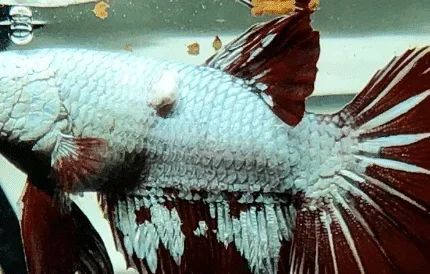
If a betta looks pale, floats sideways, or stops eating, owners may blame a curse. In reality, these signs point to water quality issues, improper temperature, or disease. For example, a betta that isn’t eating might be suffering from why betta fish is not eating food. Recognizing the real cause removes the fear of bad luck.

Visual guide about Is Betta Fish Bad Luck
Image source: alberta.ca
How to spot a truly unhealthy betta
Look for these red flags:
- Faded colors or white patches (see why is my betta fish turning white)
- Erratic swimming or floating sideways
- Frequent hiding or lack of movement
When you catch these signs early, you can act quickly—clean the tank, adjust temperature, or treat with medication—proving that the “bad luck” was simply a care issue.
3. The Science Says No: Betta Fish and Luck
What researchers actually know
There is no scientific evidence linking betta fish to any supernatural influence. Fish, like any other pet, respond to their environment. A well‑kept betta will thrive, while a neglected one will suffer. The idea of luck is a human projection, not a biological fact.

Visual guide about Is Betta Fish Bad Luck
Image source: img95.699pic.com
Positive cultural meanings
In many Asian traditions, bright colors represent prosperity. A vivid blue or red betta is often displayed during festivals as a sign of good fortune. So, the same fish that some call “unlucky” is celebrated elsewhere as a symbol of wealth.
4. Creating a Lucky Environment for Your Betta
Tank size and setup
The most common mistake is using a tiny bowl. A 5‑gallon tank with a gentle filter provides stable water parameters and room to swim. Check out what is a good size tank for a betta fish for detailed guidelines.
Temperature and water quality
Betta fish are tropical and love water between 76‑82°F (24‑28°C). Use a reliable heater and test the water weekly for ammonia, nitrite, and pH. Clean water prevents stress, which is often misread as “bad luck.”
Feeding and enrichment
Offer high‑quality betta pellets plus occasional frozen or live foods. A varied diet keeps colors bright and boosts immunity. If your fish starts spitting out food, read why is my betta fish spitting out food for troubleshooting tips.
5. Understanding Betta Behavior: Happy = Lucky
Signs of a content betta
A happy betta flares its fins, explores the tank, and may even perform a gentle “bubble nest” display. Learn how do I know if my betta fish is happy to recognize these positive cues.
When aggression isn’t a curse
Male bettas are naturally territorial. If you keep more than one, choose a divided tank or opt for a peaceful female. Knowing which is better male or female betta fish for your situation avoids unnecessary stress.
6. Debunking the Myth: Practical Steps to Forget Bad Luck
Track your betta’s health
Keep a simple log: date, water changes, temperature, feeding, and any odd behavior. Over time you’ll see patterns that explain issues without invoking superstition.
Share the truth with fellow hobbyists
When friends ask if a betta is unlucky, respond with facts: “The fish isn’t cursed; it just needs clean water and proper care.” Spreading accurate information helps dissolve the myth.
Conclusion: Luck Is What You Make It
At the end of the day, a betta fish is just a beautiful creature that thrives on good care. The notion that it brings bad luck is a relic of old stories, not a reflection of reality. By providing the right tank, proper nutrition, and attentive observation, you turn any “unlucky” moment into a learning experience. Your betta will reward you with dazzling colors and graceful swims—proof that luck, in this case, is simply good husbandry.
Frequently Asked Questions
Is there any scientific proof that betta fish bring bad luck?
No. Scientific studies on fish behavior and superstition show no link between bettas and luck. The belief is purely cultural.
Why do some people think bettas are unlucky?
Old folklore about fighting fish and stories of sudden deaths from poor care have merged into a myth that a betta can bring misfortune.
Can a healthy betta improve my mood?
Yes. Watching a vibrant, active betta can reduce stress and boost happiness, much like any other pet.
What should I do if my betta looks sick?
Check water parameters, temperature, and diet first. If problems persist, consult a vet or reputable online guide such as Is My Betta Fish Dying.
Are certain betta colors considered luckier than others?
In some Asian cultures, red and gold bettas are seen as especially auspicious, symbolizing wealth and good fortune.
How can I tell if my betta is happy?
Look for active swimming, fin flaring, and bubble‑nest building. For more tips, read How Can You Tell If Your Betta Fish Is Happy.